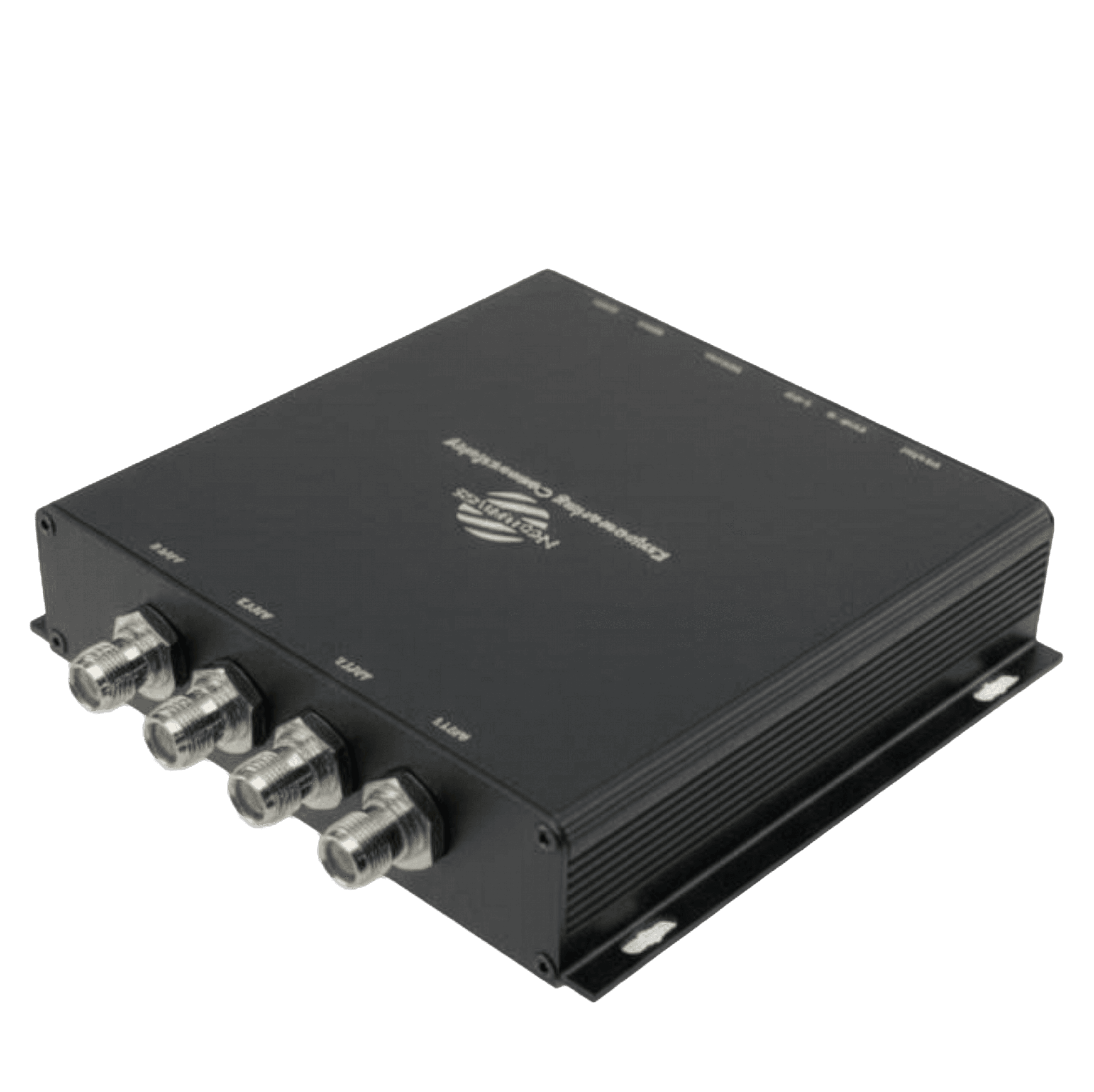
The Zebra AN480 is an industrial passive antenna element costing $200. Contrast its coaxial installation needs against Nextwaves integrated network panels.
Tehniskās specifikācijas
Aparatūras pārskats
Zebra AN480 ir rūpnieciskas klases RFID ierīce. Tā darbojas Global (865-956 MHz) diapazonā un atbalsta N/A (Passive Antenna Element) standartu, padarot to plaši izmantotu uzņēmumu loģistikas lietojumprogrammās.
Ar IP vērtējumu IP54, tas nodrošina aizsardzību pret specifiskiem vides apstākļiem, kas ir tipiski noliktavās vai mazumtirdzniecības aizmugures telpās. Lasītājs izmanto N/A (Passive) nepārtrauktai darbībai, savukārt tā norādītais maksimālais lasīšanas ātrums ir N/A (Passive).
Savienojamība un tīkla integrācija
Mūsdienu izvietojumos tīkla integrācija ir vissvarīgākais šķērslis. Šis modelis piedāvā Type N Female opcijas datu pārsūtīšanai atpakaļ uz centrālajām sistēmām.
Tomēr galvenais šķērslis ar mantoto Zebra aparatūru ir lielā atkarība no patentētiem SDK (piemēram, LLRP) vai dārga trešās puses IoT starpprogrammatūras, lai apstrādātu neapstrādātus tagu datus jēgpilnā biznesa informācijā.
Nextwaves alternatīva
Ja jūsu inženieru komanda izvērtē Zebra AN480, Nextwaves NR155 piedāvā ievērojami labāku mākoņdatošanas arhitektūru. Mantotās sistēmas pēc būtības rada augstus kapitāla izdevumus, izmantojot pārdevēja bloķēšanu un patentētās programmatūras ekosistēmas.
Nextwaves pilnībā novērš šo barjeru, nodrošinot standarta MQTT REST API tieši ierīcē. Jūsu programmatūras izstrādātāji var integrēt tagu nolasīšanu tieši jūsu pielāgotajā ERP vai WMS fona sistēmā dažu dienu, nevis mēnešu laikā, pilnībā apiet atkārtotas starpprogrammatūras licencēšanas maksas.
Bieži uzdotie jautājumi
Kas ir AN480?
The Zebra AN480 is a passive indoor/outdoor RFID antenna panel. Operating seamlessly across both EU and US Global (865-956 MHz) bands within a single footprint, it functions strictly to bounce UHF energy pushed from a standalone interrogator unit.
Cik šī iekārta maksā sākotnēji?
Hardware modules start at $200. This price omits the fundamental components required for operation such as an active reader, massive low-loss RF cabling, heavy-duty swivel brackets, and enterprise integration licenses.
Kāpēc man vajadzētu izvēlēties Nextwaves?
Constructing portal systems using separate passive plates forces operators to balance coaxial cable lengths exactly. Nextwaves integrates high-power antennas directly onto an active reader board communicating over standard CAT6 PoE lines.
Vai aparatūra ir pietiekami izturīga noliktavām?
Tipping the scales at 1.13 kg with a 259 x 259 x 33 mm square footprint, it boasts an IP54 enclosure rating. While robust against general manufacturing grit, it remains vulnerable to high-pressure wash-downs.
Vai tā atbalsta vairākus tīkla veidus?
This is a primitive RF instrument and contains zero logic ports. Its sole connection is a heavily shielded Type N Female socket requiring thick LMR-240 or LMR-400 coaxial cabling trailing back to central readers.
Vai mana komanda var to instalēt iekšēji?
Operations teams routinely mount this slab to factory ceiling trusses. Critical calibration hinges heavily upon aligning the antenna array pitch angles accurately and measuring RF attenuation bleeding across the thick coaxial wires.
Kā darbojas attālā pārvaldība?
Functioning as a static metal element, it is entirely ignorant of software or firmware logic. Throughput relies 100% on the backend intelligence of the attached interrogator module.
Vai man ir nepieciešama patentēta programmatūra, lai to palaistu?
You cannot route network signals into this device. Developers and network engineers instead interface entirely with the external proprietary reader hardware hooked to the Type N Female port.
Kāda garantija ir lasītājam?
Due to its simplistic nature, standard manufacturing defect protection covers it for a single year. Passive components typically perform reliably for decades barring extreme weather, vandalism, or severed coaxial leads.
Vai antenas tiek pārdotas atsevišķi?
Providing roughly 6.0 dBi Circularly polarized gain across a wide Global (865-956 MHz) sweeping bandwidth, it perfectly accommodates global deployments requiring a standardized installation footprint across varying RF locales.