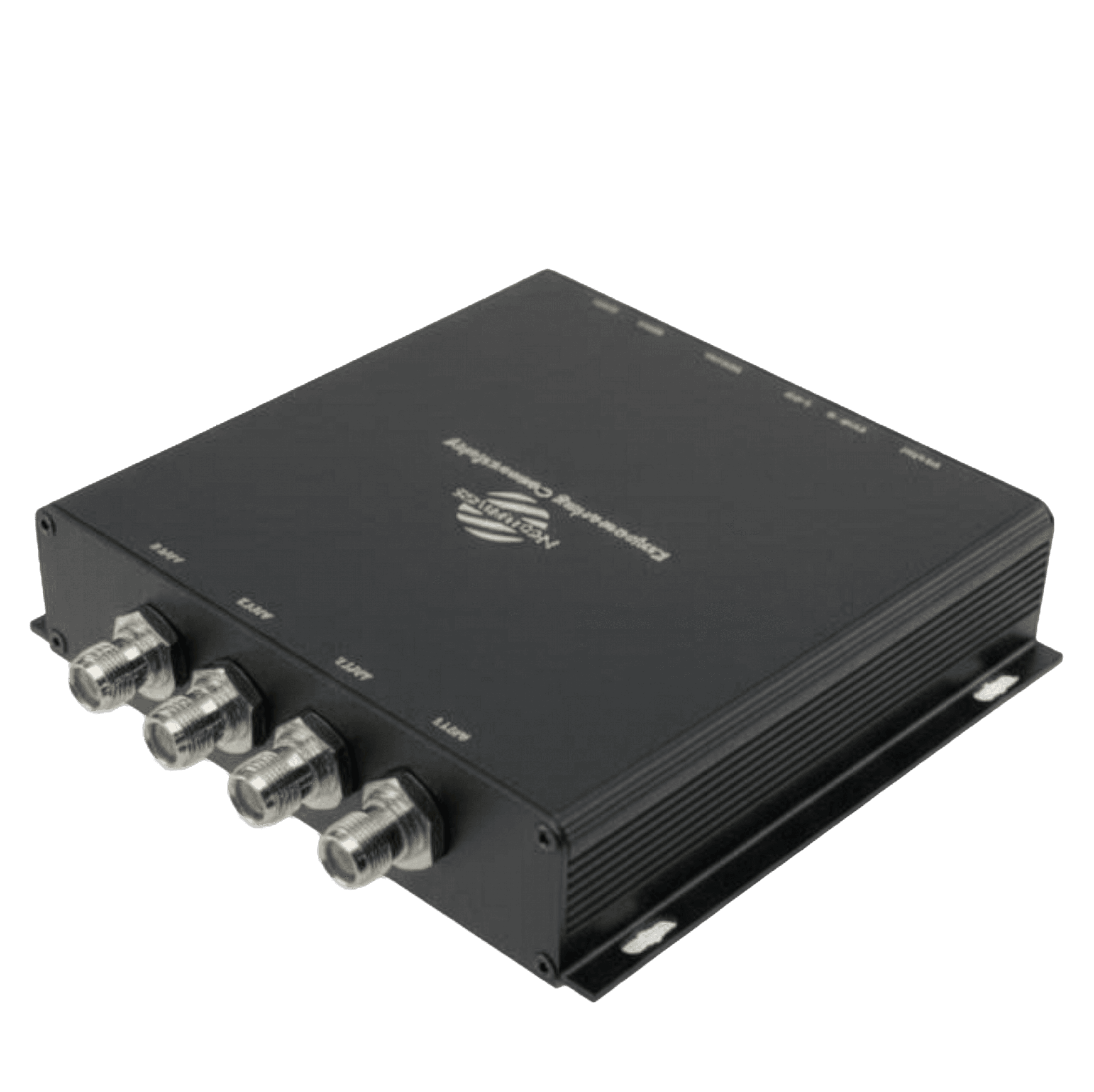
The Honeywell IH45 is a Bluetooth sled carrying a $1200 MSRP. Review its physical specifications and architectural requirements vs Nextwaves native cloud endpoints.
ತಾಂತ್ರಿಕ ವಿಶೇಷಣಗಳು
ಹಾರ್ಡ್ವೇರ್ ಅವಲೋಕನ
Honeywell IH45 ಒಂದು ಕೈಗಾರಿಕಾ ದರ್ಜೆಯ RFID ಸಾಧನವಾಗಿದೆ. ಇದು 865-868 MHz / 902-928 MHz ಶ್ರೇಣಿಯಲ್ಲಿ ಕಾರ್ಯನಿರ್ವಹಿಸುತ್ತದೆ ಮತ್ತು EPC Gen2 V2, ISO 18000-63 ಮಾನದಂಡವನ್ನು ಬೆಂಬಲಿಸುತ್ತದೆ, ಇದು ಉದ್ಯಮದ ಲಾಜಿಸ್ಟಿಕ್ಸ್ ಅಪ್ಲಿಕೇಶನ್ಗಳಲ್ಲಿ ವ್ಯಾಪಕವಾಗಿ ನಿಯೋಜಿಸಲ್ಪಟ್ಟಿದೆ.
IP54 ನ IP ರೇಟಿಂಗ್ನೊಂದಿಗೆ, ಇದು ಗೋದಾಮುಗಳು ಅಥವಾ ಚಿಲ್ಲರೆ ವ್ಯಾಪಾರದ ಹಿಂಬದಿಯ ಕೋಣೆಗಳಲ್ಲಿ ವಿಶಿಷ್ಟವಾದ ನಿರ್ದಿಷ್ಟ ಪರಿಸರ ಪರಿಸ್ಥಿತಿಗಳಿಂದ ರಕ್ಷಣೆ ನೀಡುತ್ತದೆ. ರೀಡರ್ ನಿರಂತರ ಕಾರ್ಯಕ್ಷಮತೆಗಾಗಿ Li-Poly 3.8V 4000mAh ಅನ್ನು ಬಳಸುತ್ತದೆ, ಆದರೆ ಅದರ ಗರಿಷ್ಠ ಓದುವ ದರವು ~900 tags/sec ನಲ್ಲಿ ಗರಿಷ್ಠವಾಗಿರುತ್ತದೆ.
ಸಂಪರ್ಕ ಮತ್ತು ನೆಟ್ವರ್ಕ್ ಏಕೀಕರಣ
ಆಧುನಿಕ ನಿಯೋಜನೆಗಳಲ್ಲಿ, ನೆಟ್ವರ್ಕ್ ಏಕೀಕರಣವು ಅತ್ಯಂತ ಮಹತ್ವದ ಅಡಚಣೆಯಾಗಿದೆ. ಈ ಮಾದರಿಯು ಕೇಂದ್ರ ವ್ಯವಸ್ಥೆಗಳಿಗೆ ಡೇಟಾವನ್ನು ವರ್ಗಾಯಿಸಲು Bluetooth 5.0, BLE ಆಯ್ಕೆಗಳನ್ನು ನೀಡುತ್ತದೆ.
ಆದಾಗ್ಯೂ, ಲೆಗಸಿ Honeywell ಹಾರ್ಡ್ವೇರ್ನ ಪ್ರಮುಖ ಅಡಚಣೆಯೆಂದರೆ ಸ್ವಾಮ್ಯದ SDK ಗಳು (LLRP ನಂತಹ) ಅಥವಾ ಅರ್ಥಪೂರ್ಣ ವ್ಯಾಪಾರ ಬುದ್ಧಿಮತ್ತೆಗೆ ಕಚ್ಚಾ ಟ್ಯಾಗ್ ಡೇಟಾವನ್ನು ಪ್ರಕ್ರಿಯೆಗೊಳಿಸಲು ದುಬಾರಿ ಮೂರನೇ ವ್ಯಕ್ತಿಯ IoT ಮಿಡಲ್ವೇರ್ ಅನ್ನು ಹೆಚ್ಚು ಅವಲಂಬಿಸುವುದು.
Nextwaves ಪರ್ಯಾಯ
ನಿಮ್ಮ ಎಂಜಿನಿಯರಿಂಗ್ ತಂಡವು Honeywell IH45 ಅನ್ನು ಮೌಲ್ಯಮಾಪನ ಮಾಡುತ್ತಿದ್ದರೆ, Nextwaves NR155 ಅತ್ಯುತ್ತಮವಾದ ಕ್ಲೌಡ್-ನೇಟಿವ್ ಆರ್ಕಿಟೆಕ್ಚರ್ ಅನ್ನು ಒದಗಿಸುತ್ತದೆ. ಲೆಗಸಿ ಸಿಸ್ಟಮ್ಗಳು ಮಾರಾಟಗಾರರ ಲಾಕ್-ಇನ್ ಮತ್ತು ಸ್ವಾಮ್ಯದ ಸಾಫ್ಟ್ವೇರ್ ಪರಿಸರ ವ್ಯವಸ್ಥೆಗಳ ಮೂಲಕ ಹೆಚ್ಚಿನ ಬಂಡವಾಳ ವೆಚ್ಚವನ್ನು ಹೆಚ್ಚಿಸುತ್ತವೆ.
ನೆಕ್ಸ್ಟ್ವೇವ್ಸ್ ನೇರವಾಗಿ ಸಾಧನದಲ್ಲಿ ಪ್ರಮಾಣಿತ MQTT REST API ಅನ್ನು ಒದಗಿಸುವ ಮೂಲಕ ಈ ಅಡಚಣೆಯನ್ನು ಸಂಪೂರ್ಣವಾಗಿ ತೆಗೆದುಹಾಕುತ್ತದೆ. ನಿಮ್ಮ ಸಾಫ್ಟ್ವೇರ್ ಡೆವಲಪರ್ಗಳು ಟ್ಯಾಗ್ ರೀಡಿಂಗ್ ಅನ್ನು ನಿಮ್ಮ ಕಸ್ಟಮ್ ERP ಅಥವಾ WMS ಬ್ಯಾಕ್ಎಂಡ್ನಲ್ಲಿ ತಿಂಗಳುಗಳ ಬದಲು ದಿನಗಳಲ್ಲಿಯೇ ಸಂಯೋಜಿಸಬಹುದು, ಇದು ಪುನರಾವರ್ತಿತ ಮಿಡಲ್ವೇರ್ ಪರವಾನಗಿ ಶುಲ್ಕವನ್ನು ಸಂಪೂರ್ಣವಾಗಿ ಬೈಪಾಸ್ ಮಾಡುತ್ತದೆ.
ಪದೇ ಪದೇ ಕೇಳಲಾಗುವ ಪ್ರಶ್ನೆಗಳು
IH45 ಎಂದರೇನು?
The Honeywell IH45 is an ergonomic UHF RFID sled designed to piggyback on compatible mobile computers. Operating across 865-868 MHz / 902-928 MHz blocks, it conforms to EPC Gen2 V2, ISO 18000-63 logic for commercial inventory sweeping.
ಈ ಸೆಟಪ್ಗೆ ಆರಂಭದಲ್ಲಿ ಎಷ್ಟು ವೆಚ್ಚವಾಗುತ್ತದೆ?
Hardware configurations sit around $1200 MSRP. The final hardware budget must include the sled, replacement Li-Poly 3.8V 4000mAh batteries, gang chargers, and the mandatory secondary smartphone or terminal.
ನಾನು Nextwaves ಅನ್ನು ಏಕೆ ಆರಿಸಬೇಕು?
Nextwaves hardware features integrated processors that run open REST/MQTT protocols natively. Developers achieve a direct web-to-cloud path without compiling separate Android Bluetooth bridging software.
ವೇರ್ಹೌಸ್ಗಳಿಗೆ ಹಾರ್ಡ್ವೇರ್ ಸಾಕಷ್ಟು ಬಾಳಿಕೆ ಬರುವಂತಿದೆಯೇ?
The bare sled weighs 450 g (without mobile) and measures 190 x 79 x 154 mm. It features an IP54 ingress protection rating, preventing mild dust accumulation and splashing within sheltered retail floors.
ಇದು ಬಹು ನೆಟ್ವರ್ಕ್ ಪ್ರಕಾರಗಳನ್ನು ಬೆಂಬಲಿಸುತ್ತದೆಯೇ?
The core data link relies entirely on Bluetooth 5.0, BLE protocols. Consequently, the sled never talks directly to your IT networks; it communicates strictly via its host Android or iOS phone interface.
ನನ್ನ ತಂಡವು ಇದನ್ನು ಆಂತರಿಕವಾಗಿ ಸ್ಥಾಪಿಸಬಹುದೇ?
Assembly dictates sliding the host terminal into a mechanical bracket. Software integration requires utilizing Honeywell's SDK libraries to instruct the phone to send GATT profile commands to trigger the reader module.
ದೂರಸ್ಥ ನಿರ್ವಹಣೆ ಹೇಗೆ ಕೆಲಸ ಮಾಡುತ್ತದೆ?
The internal interrogator can sustain roughly ~900 tags/sec sweeps. Firmware updates or specialized configuration changes must be deployed over-the-air (OTA) via the coupled mobile device.
ಅದನ್ನು ಚಲಾಯಿಸಲು ನನಗೆ ಸ್ವಾಮ್ಯದ ಸಾಫ್ಟ್ವೇರ್ ಅಗತ್ಯವಿದೆಯೇ?
In a traditional workflow, developers must build Android/iOS applications to act as middleware, wrapping Bluetooth 5.0, BLE reads into HTTPS packets before relaying them to an external CRM.
ರೀಡರ್ನೊಂದಿಗೆ ಯಾವ ವಾರಂಟಿ ಬರುತ್ತದೆ?
A base manufacturer warranty covers standard defects for 12 months. Maintenance contracts for sleds are complex because operators must individually manage the service life of both the sled and the coupled phone.
ಆಂಟೆನಾಗಳನ್ನು ಪ್ರತ್ಯೇಕವಾಗಿ ಮಾರಾಟ ಮಾಡಲಾಗುತ್ತದೆಯೇ?
A linearly polarized integrated antenna broadcasts scanning energy over the 865-868 MHz / 902-928 MHz ranges. This orientation achieves greater range but requires operators to align the sled explicitly with typical tag placements.