Oge Ịchọ & Buffers
Onye ọrụ ụlọ ọrụ na-etinye 10-15% nke oge ọrụ ha na-achọ ihe. Oge a na-abaghị uru na-emepụta mmachi ikike artificial, na-amanye ụlọ ọrụ mmepụta ihe ijide nnukwu ihe nchekwa nke WIP iji kwụọ ụgwọ.
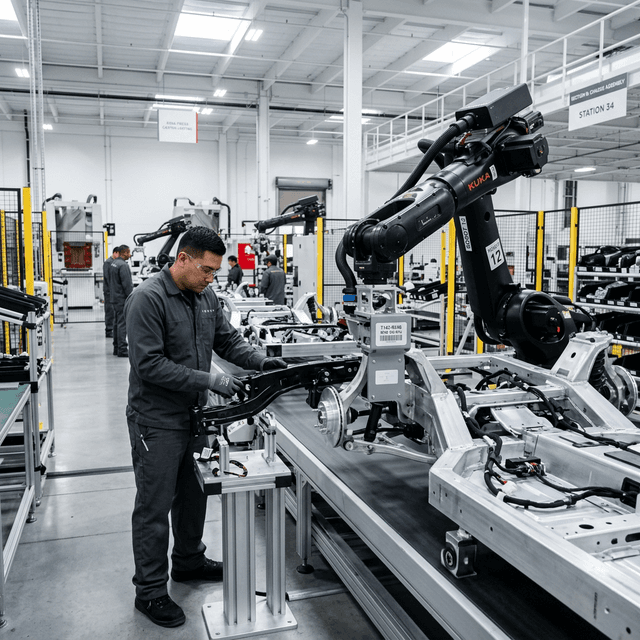
Mmepụta nke oge a bụ gburugburu ebe ihe dị oke egwu, ebe nkeji ole na ole nke downtime na-efu ọtụtụ puku dollar. N’agbanyeghị robotics dị elu na ERP, “connective tissue” nke ụlọ ọrụ ahụ—ngagharị Work-in-Progress (WIP), ngwaọrụ, na raw materials—ka na-adịkarị ka igbe ojii a na-achọpụta n’aka.
Ndị njikwa na-ajụ: “Order #504 dị ebee?” “Ebe wrench torque nke a calibratara dị?” “Gịnị mere Line B ji kwụsị?” Azịza ya na-ezobe n’ihi na ihe ndị anụ ahụ adịghị njikọta na usoro dijitalụ. Ndị ọrụ na-eji awa dị mkpa chọọ ngwaọrụ (Search Time), ebe ndị na-ahazi mmepụta na-eme atụmatụ dabere na ike a tụrụ anya, ọ bụghị ọnọdụ n’oge ahụ (Buffers).
N’ụlọ ọrụ ndị chọrọ nrube isi dịka Aerospace na Defense, ọdịiche ọhụhụ a bụ ihe ize ndụ nrube isi. Foreign Object Debris (FOD) a hapụrụ n’ime assembly nwere ike bụrụ ọdachi. Data genealogy furu efu nwere ike ịkpalite nnukwu recalls.
Onye ọrụ ụlọ ọrụ na-etinye 10-15% nke oge ọrụ ha na-achọ ihe. Oge a na-abaghị uru na-emepụta mmachi ikike artificial, na-amanye ụlọ ọrụ mmepụta ihe ijide nnukwu ihe nchekwa nke WIP iji kwụọ ụgwọ.
N'ihi na ngwaọrụ siri ike ịchọta, ndị ọrụ na-ezobe ha na lockers na-enwetaghị ikike. Ụlọ ọrụ mmepụta ihe na-azụkwu ngwaọrụ karịa ka ọ chọrọ, ma nnweta ka dị ala.
Ọ bụrụ na achọpụtara ntụpọ, ị nwere ike ịchọpụta kpọmkwem nke otu gluu e ji mee ihe, ngwaọrụ nke tinyere ya, na onye ọrụ ahụ bụ? Na-enweghị RFID, 'Genealogy' a na-abụkarị akwụkwọ ntuziaka na-ezughị ezu.
Nextwaves na-etinye Industrial IoT layer n’elu OT/IT infrastructure gị nke dị adị. Anyị na-agbanye RFID tags pụrụ iche, nke siri ike, n’ime ihe ọ bụla na-akpụ akpụ: parts (WIP), carriers (skids/totes), na ngwá ọrụ. A haziri tags ndị a ka ha lanarị autocalves, acid baths, paint ovens (250°C), na shot blasting.
Anyị na-ekpuchi ụlọ ọrụ ahụ dum na grid nke readers—n’ebe ọrụ (workstations), n’ebe choke points, na n’ime tool cribs. Ka ihe na-agafe, ha na-emelite ọnọdụ nke onwe ha. Ngwá ọrụ “na-enyo onwe ya” mgbe ọ pụọ n’ime tool crib. Ngwaahịa “na-emelite arụmọrụ ya” mgbe ọ ruru Station 5.
Data a na-abanye na middleware “Factory Twin” anyị, nke na-ahazi logic: “Ọ bụrụ na Tool A adịghị calibratara, emela ka Station B rụọ ọrụ.” “Ọ bụrụ na Order 504 rutere n’ebe Paint, kpalite ERP update.” Ụlọ ọrụ na-ama onwe ya ma na-akọ onwe ya.
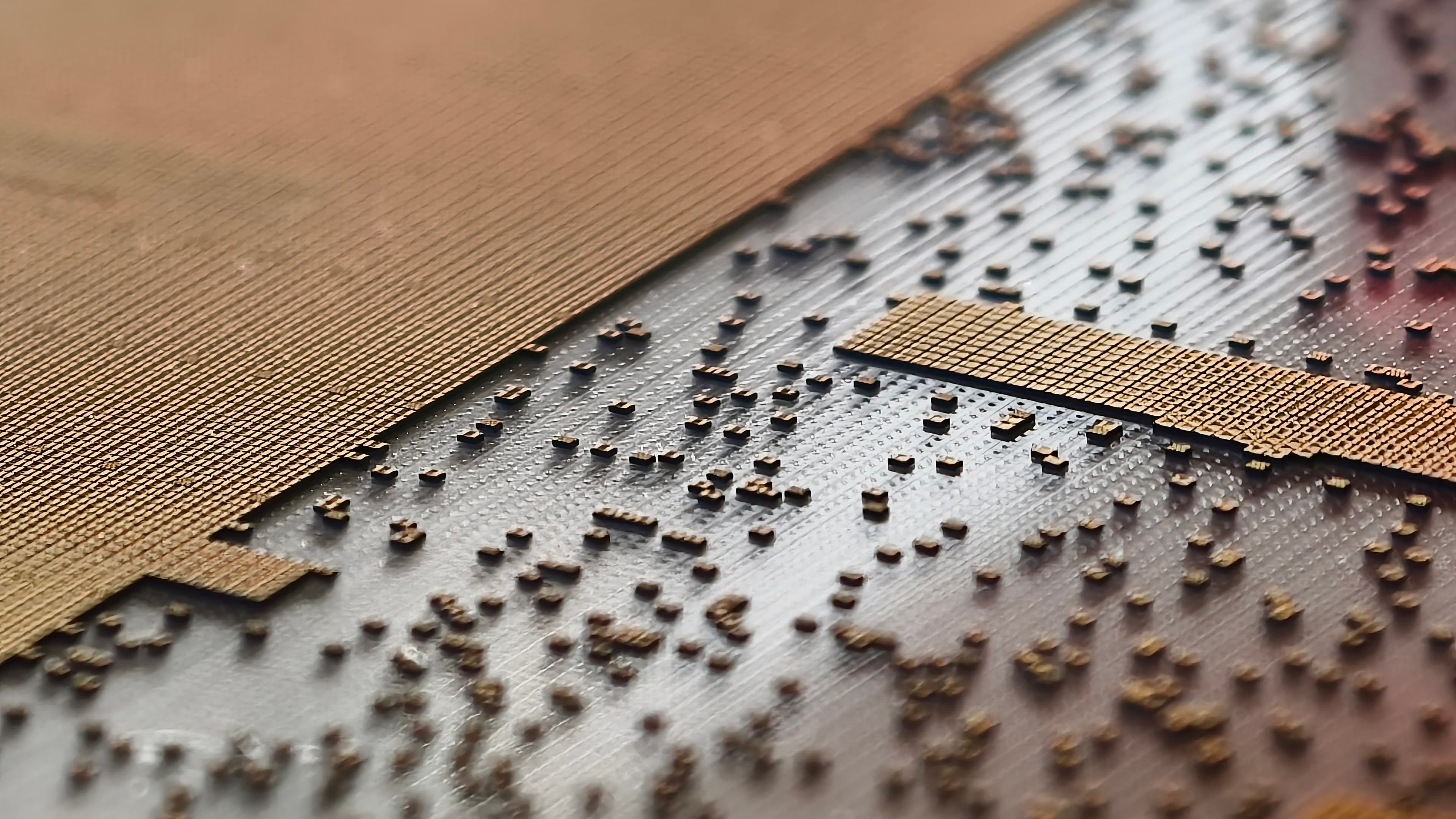
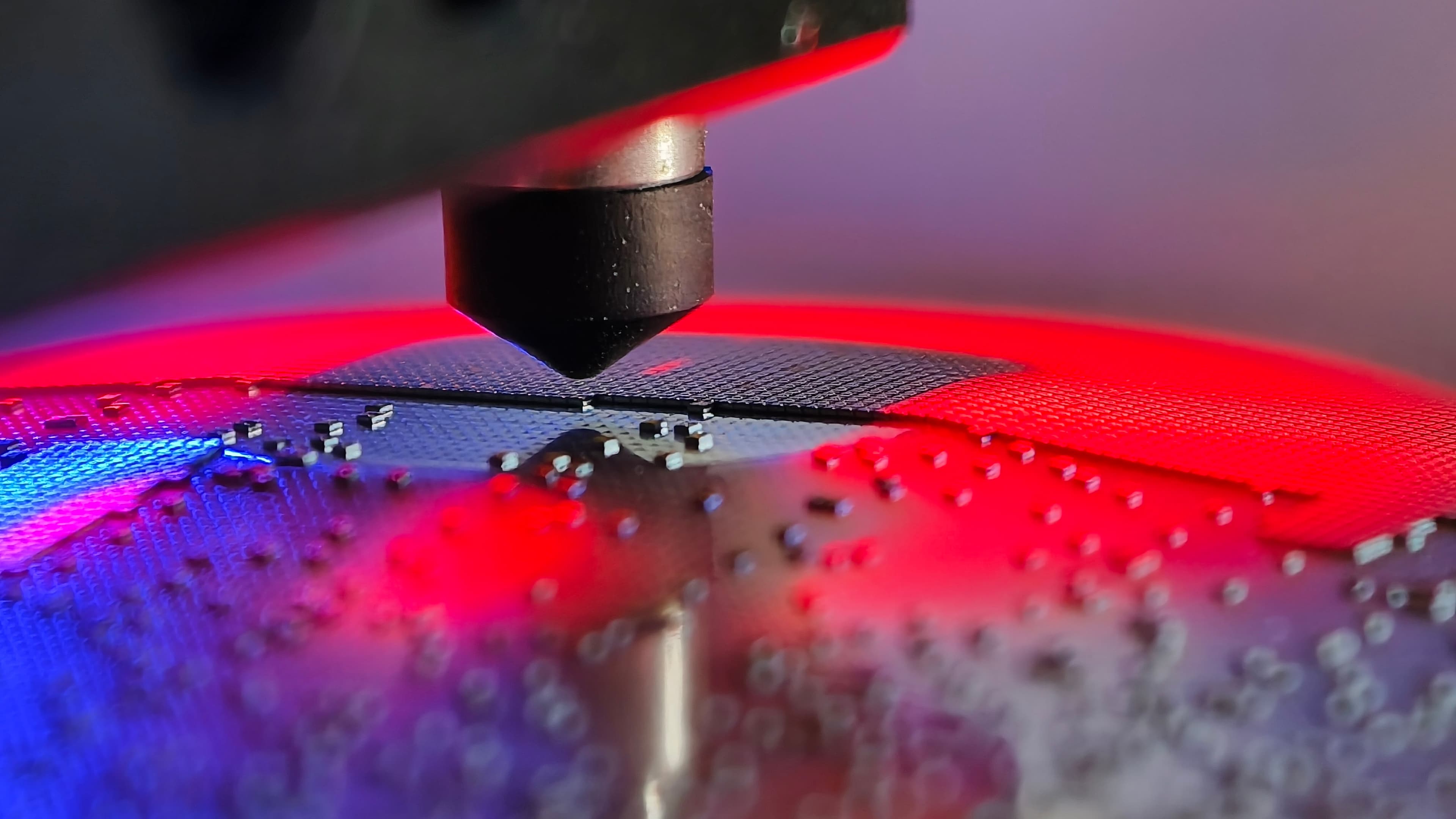
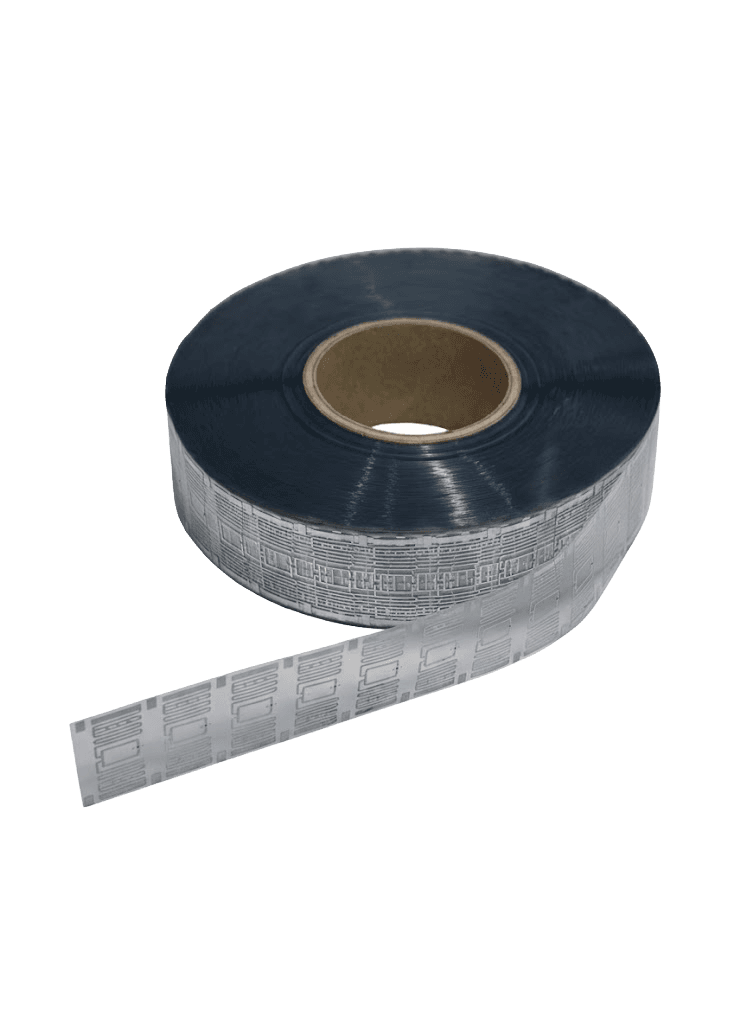
Site na visibiliti oge, ị nwere ike ibelata ihe nchekwa nchekwa wee kwaga na ezigbo usoro Just-In-Time.
Akpaka ngwaọrụ akaụntụ. Gbaa mbọ hụ na a na-eweghachi 100% nke ngwaọrụ ewepụtara tupu ngwaahịa ahụ ahapụ cell.
Chọpụta okirikiri iji ngwaọrụ (shots, awa). Ọrụ molds na dies dabere na ezigbo uwe, na-ezere mmezi mbụ ma ọ bụ nke mechara.
Ihe njem smart nwere ike iji akpaka na-eziga ngwaahịa nwere ntụpọ na ahịrị rework dabere na data tag RFID.
Onye na-emepụta injin jet chọrọ akaụntụ zuru oke maka ngwaọrụ aka 50,000+ iji gbochie Foreign Object Damage (FOD). Otu oghere furu efu nwere ike ịkwụsị ụgbọ elu ule.
Standard retail tags anaghị-adịte aka n’ụlọ ọrụ mmepụta. Ikpo ọkụ na-agbaze adhesive, n’elu metal, antenna na-agbanwe ugboro (detune), na n’ahịrị paint na-ekpuchi chip ruo mgbe ọ gaghị ekwe ka a gụọ ya. Anyị na-ahọrọ ma na-anwale tags kpọmkwem maka gburugburu gị: on-metal tags nwere ceramic-backed maka steel components, variants na-eguzogide okpomọkụ ruo 250°C maka paint ovens, na tags encapsulated na-agbanwe nke ọma maka tooling a na-adaba mgbe ụfọdụ.
A na-etinye readers anyị n’ebe choke point niile dị mkpa: tool crib exits, station entries, na final inspection gates. Ka ihe na-asọba, usoro ahụ na-emelite ọnọdụ ha n’akpaghị aka. Ọ dịghị mkpa ka onye ọrụ tinye data. A ga-egosi tool calibratara nke ruru oge nlekọta tupu ọ ruo n’ahịrị mmepụta.
Tag ahụ anaghị akwụsị ịba uru mgbe ngwaahịa pụtachara n’ụlọ ọrụ mmepụta. Anyị na-arụkọ ndị na-emepụta iji mee ka otu tag ahụ nọgide na-arụ ọrụ n’ụzọ niile site na distribution, ire n’ụlọ ahịa, ruo mgbe ọ ga-abụ recycling n’isi ngwụcha. Ime ka e nwee otu ndekọ dijitalụ kwụ ọtọ maka njem dum ngwaahịa.
Ụzọ “Digital Product Passport” a na-aghọkwa ihe achọrọ n’iwu na EU. Ngwaahịa ga-achọ ka e nwee ihe akaebe banyere ngwakọta ihe (material composition) na data sustainability. Ngwaọrụ (infrastructure) ị na-ewu taa maka traceability mmepụta nwere ike bụrụ nkwado nrube isi (compliance backbone) gị n’ọdịnihu.
Egwuregwu RFID zuru oke maka nkwakọba ihe. Tinye ya, see akara, nyochaa. ngụkọta ngwaahịa n'ime nkeji iri na ise.
Gbanwee akụ gị anụ ahụ ka ọ bụrụ iyi data dijitalụ. Mee ka ọ dị mma ugbu a.