
Nchekwa N'efu
Data drift na-agụnye nkwụsị nke eziokwu anụ ahụ site na ndekọ dijitalụ. 'Phantom Inventory' na-eme mgbe sistemụ na-egosi ngwaahịa na-adịghị adị, na-eduga na 22% nke iwu BOPIS a kagburu ma na-ebibi iguzosi ike n'ihe nke ndị ahịa.

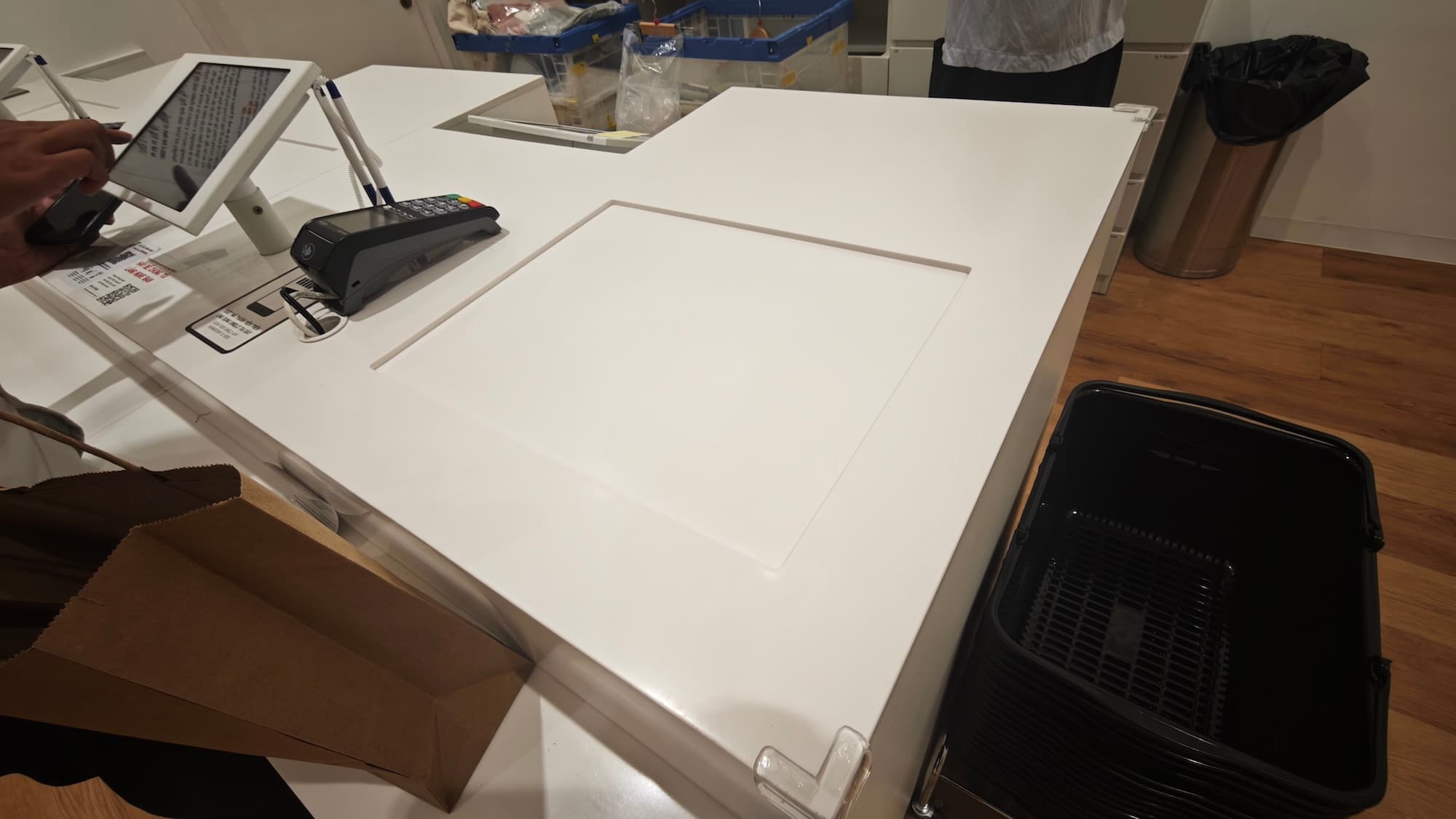
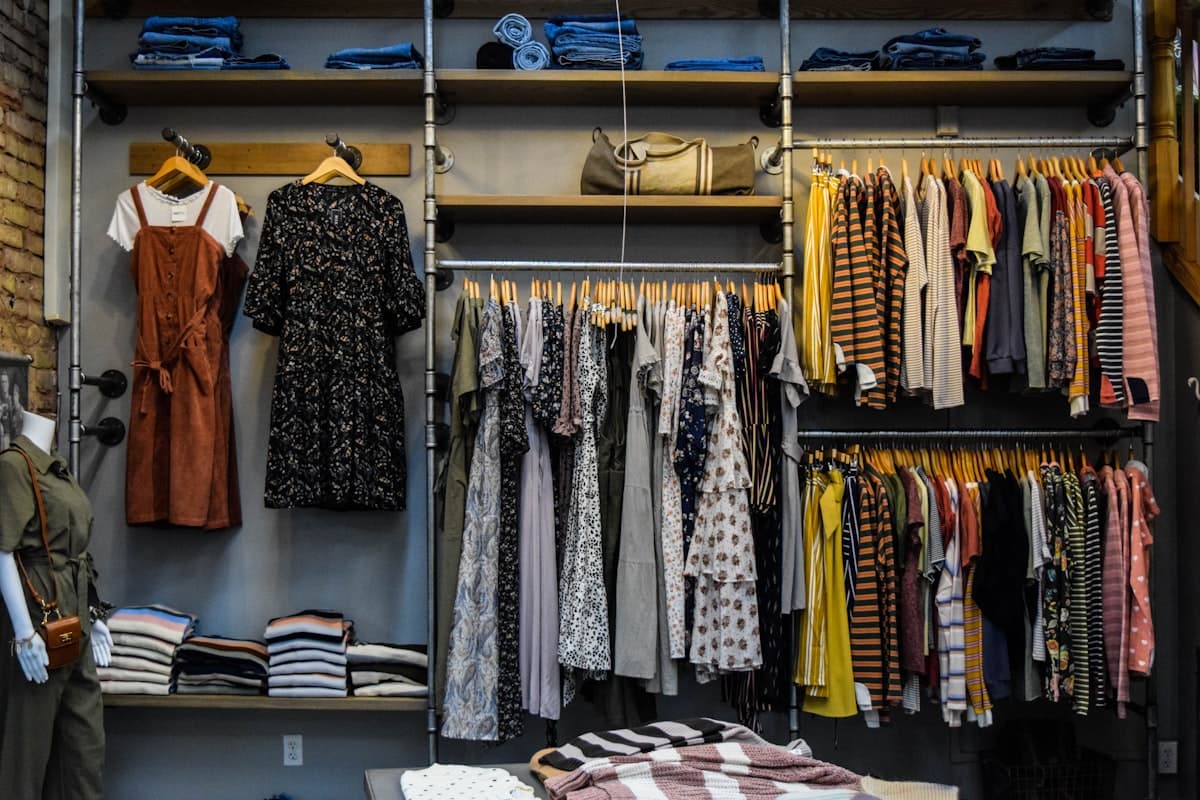

N'ime ihe karịrị afọ iri ise, barcode Universal Product Code (UPC) abụwo ntọala nke ire ahịa. Ọ mere ka azụmahịa bụrụ ọkọlọtọ, mee ka a gụọ ya mgbe a na-azụ n’ụlọ ndekọ, ma kwado ọgbọ mbụ nke njikwa ngwongwo echekwara kọmputa. Ma barcode nwere ntụpọ siri ike: ọ “nweghị ike ịhụ”. Ọ chọrọ ka e nwee ahịrị anya (line-of-sight), ọ chọrọ itinye aka n’aka mmadụ, ọ pụghịkwa ịmata ọdịiche dị n’etiti ihe abụọ yiri ibe ha. Mgbochi a meela nsogbu ụwa a kpọrọ “Inventory Distortion” — nsogbu nke ijeri dollar ebe ndị ahịa anaghị ama kpọmkwem ihe ha nwere.
N’oge omnichannel nke oge a, “nweghị ike ịhụ” a dị ka ihe dị oké egwu. Mgbe onye ahịa nyere iwu otu ihe n’ịntanetị ka e wepụta ya n’ụlọ ahịa (BOPIS), usoro ahụ na-ele anya na data nchekwa ngwongwo. Data ahụ kwuru “Quantity: 1”. Ma ọ dị ebe ahụ? Ọ nọ n’azụ ụlọ ahịa? Ọ nọ n’ime ụlọ ịnwale uwe? E zuru ya? Ma ọ bụ e rere ya n’ụbọchị ụnyaahụ ma data ahụ e nweghịzị mmelite?
Ihe si na ya pụta bụ usoro ọkọnọ na-adịghị ike nke “safety stock” na-ejide — ngwongwo karịrị akarị a zụtara naanị iji kpuchie ezighị ezi nke data. Ndị ahịa na-anwụsi ike n’ime ngwongwo ha enweghị ike ire, ma ha na-efunahụkwa ire n’ihi ihe ha “na-ekwu na ha nwere” ma ha chọọtaghị. Nchọpụta ngwongwo aka — ọgwụgwọ ọdịnala — dị nwayọọ, dị oke ọnụ, ma na-enwe ohere mmejọ. Ụlọ ọrụ chọrọ mgbanwe echiche site na “scanning” gaa “sensing”.
Data drift na-agụnye nkwụsị nke eziokwu anụ ahụ site na ndekọ dijitalụ. 'Phantom Inventory' na-eme mgbe sistemụ na-egosi ngwaahịa na-adịghị adị, na-eduga na 22% nke iwu BOPIS a kagburu ma na-ebibi iguzosi ike n'ihe nke ndị ahịa.
N'ụlọ ahịa na-abụghị RFID, ndị ọrụ na-etinye 20-30% nke oge ha na-achọ ngwaahịa ma ọ bụ na-eme ọnụ ọgụgụ ntuziaka. Nke a bụ ọrụ dị oke ọnụ sitere na isi ihe: ọrụ ndị ahịa na ire ere.
Na-enweghị njirimara serialized (EPC), ihe zuru ohi bụ naanị 'mwepu otu'. Ndị na-ere ahịa enweghị ike ịgbaso usoro mpụ ahịa (ORC) ma ọ bụ chọpụta ma ngwaahịa eweghachiri bụ n'ezie counterfeits zụrụ na ahịa ntụ ntụ.
Nextwaves na-emejuputa usoro “Source-to-Store” dabere na ụkpụrụ EPC Gen2 V2. Ọ naghị ebido n’ụlọ ahịa, kama ọ na-amalite n’ebe e si arụpụta ngwaahịa. Site n’ịtinye passive UHF RFID inlay n’akwụkwọ care label ma ọ bụ price ticket n’ụlọ ọrụ mmepụta, anyị na-enye ihe ọ bụla pụrụ iche “mmụọ dijitalụ” — serialized Electronic Product Code (EPC).
Ka ihe ndị a na-agafe n’ụzọ ọkọnọ, ha na-agafe “Read Points” — tunnel readers na ebe nkesa, overhead arrays na ebe a na-akwado, ruo mgbe ha ruru n’ụlọ ahịa ebe e ji handheld sweeps. N’adịghị ka barcode, ndị scanner a na-eji ebili mmiri redio mee ka tags nwee ike, nke na-enye ha ohere ịgụ ihe karịrị narị n’ime sekọnd ole na ole na-enweghị kọntaktị anya.
Nke a na-emepụta “Digital Twin” nke ngwongwo n’oge a. Mgbe e rutere njem n’ụlọ ahịa, a naghị agụ ya site n’aka; a na-enyocha ya ozugbo. Mgbe onye ahịa nwara uwe, smart fitting room na-achọpụta ya. Mgbe ihe si n’ụlọ ahịa pụọ, EAS gates na-emelite nchekwa ngwongwo n’oge ahụ. Anyị na-apụ site na “Inventory Estimation” gaa “Inventory Certainty”.

Nweta obi ike ndekọ zuru oke. Mee ka 'Available to Promise' (ATP) maka e-commerce nwee ngwaahịa buffer efu.
Data pilot na-egosi mmụba ahịa na-aga n'ihu nke 5-15%. Ọ bụrụ na ọ nọ n'ala, ọ na-ere. Ọ bụrụ na ọ nọ n'azụ, ọ dịghị.
Ekwela ka ị na-eti mkpu n'ọnụ ụzọ. Mara kpọmkwem IHE a zuru ohi, MGBA, ma mejupụta ya ozugbo.
Mee ka 'Magic Mirrors' tụọ aro ihe dakọtara dabere na ihe ndị ahịa wetara n'ime ụlọ mgbakwasa.
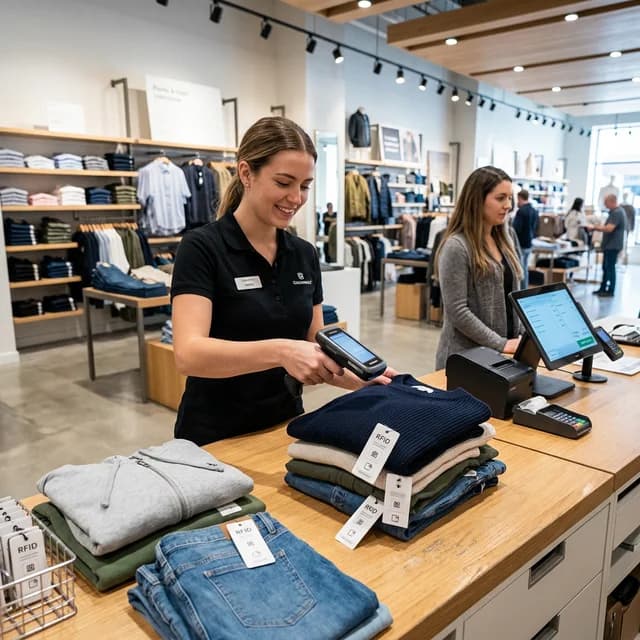
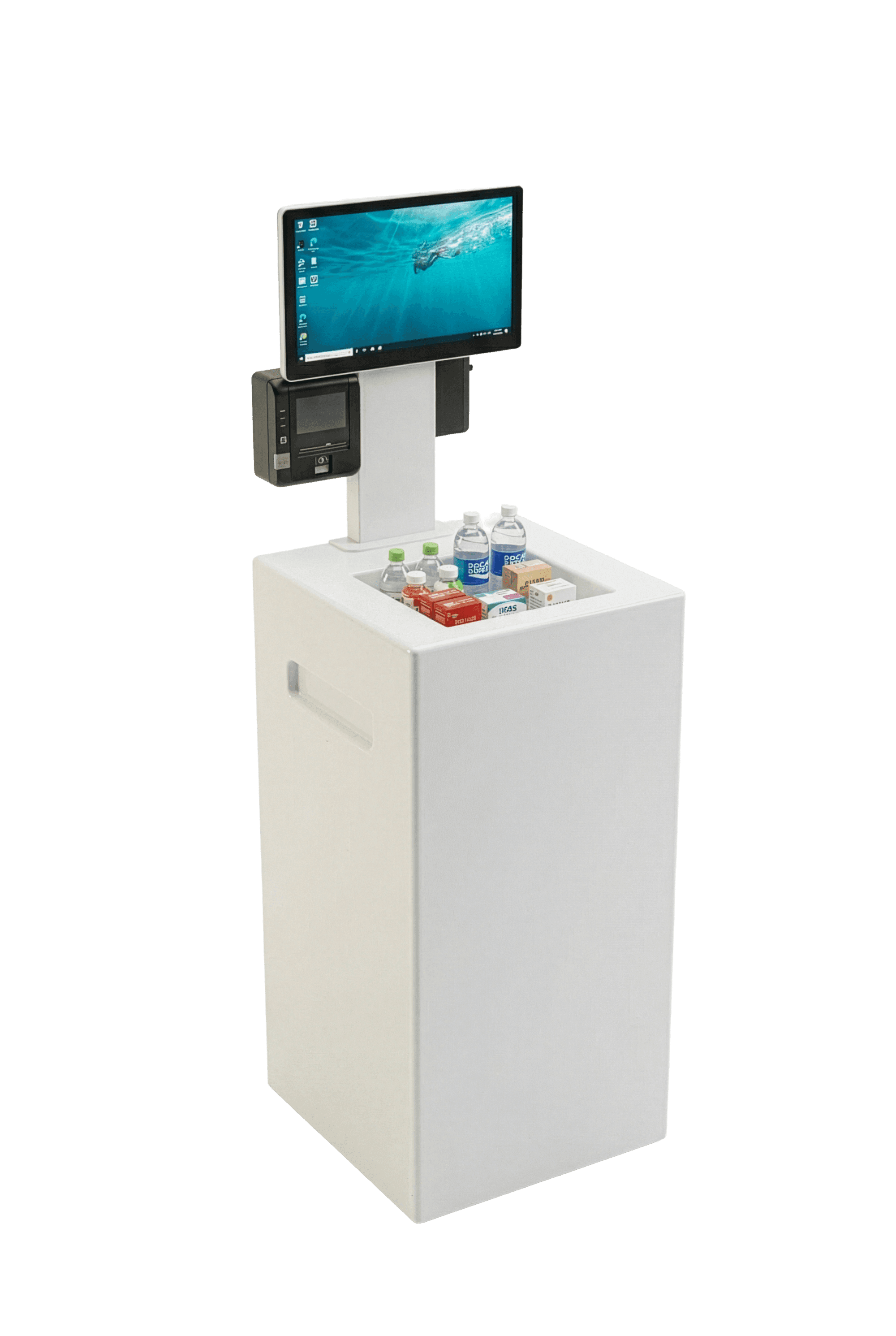
Site n'itinye akara RFID na ngwaahịa ọ bụla, Uniqlo nwetara izi ezi ndekọ ihe fọrọ nke nta ka ọ bụrụ 100%. Ma ezigbo anwansi na-eme na nlele: ndị ahịa na-atụnye ihe ha n'ime igwe mkpofu akpaaka nke na-agụ ozugbo akara RFID niile n'otu oge. Ahụmahụ a na-enweghị esemokwu belatara oge ichere nke ukwuu, wepụrụ ahịrị nlele, ma kwe ka ndị ọrụ ụlọ ahịa lekwasị anya na ọrụ ndị ahịa kama ịlele barcodes. Nchekwa data na-esi na ya pụta pụtakwara na ha maara kpọmkwem mgbe a chọrọ ịmegharị nha ma ọ bụ agba, na-ewepụ ihe na-apụ apụ ma na-akwalite ahịa n'ozuzu.
Ihe ọ bụla na-enweta njirimara dijitalụ pụrụ iche n’ebe e mepụtara ya. O nwere passive UHF RFID tag nke na-efu obere karịa akwụkwọ label, ma ọ na-ebu koodu serialized nke a gaghị enwe ike iṅomi. Mgbe handheld reader na-agafe n’elu ebe a na-etinye uwe 500, a na-agụ 500 niile n’ime ihe na-erughị sekọnd 3. Enweghị imepụ ya, enweghị iji otu otu kụọ ya.
Usoro ahụ na-eji standard GS1 EPC Gen2 V2 tags, nke gụnyere authentication mgbochi iṅomi. Nke a dị mkpa n’ime ihe dị oke ọnụ na ihe okomoko ebe counterfeit bụ ihe egwu n'ezie. Software dị n’akụkụ anyị na-edozi mkpọtụ (tags a gụrụ n’ebe na-ezighi ezi, partial reads site na metal fixtures), ka ihe ruru dashboard gị bụrụ data dị ọcha ma dị njikere ime ihe.
Ihe niile na-alaghachi ozugbo na WMS ma ọ bụ ERP gị. Chee ya dị ka inye ngwongwo gị “obi”. Usoro ahụ na-ama mgbe niile ihe mere, ebe ọ dị, na mgbe ọ rutere.
Ozugbo ngwongwo ziri ezi, mgbanwe ọzọ bụ iwepụ nsogbu friction kpamkpam. Anyị na-anwale ụdị ụlọ ahịa “Grab-and-Go” ebe ndị ahịa ga-apụ n’enweghị ịkwụ ụgwọ n’ụlọ ndekọ. Usoro ahụ na-agụ basket ha n’ebe ụzọ apụ ma kwụọ ha ego n’akụkọ ha ozugbo.
Otu akụrụngwa ahụ na-akwado smart fitting rooms na-enye ndụmọdụ uwe, alerts restocking na-agbanwe tupu shelf agwụọ, na loss prevention na-agwa gị kpọmkwem ihe e were na mgbe ọ mere. Ziri ezi bụ ntọala. Uru n'ezie bụ ihe ị na-ewu n’elu ya.
Mgbakwunye ọsọ n'ịkwụ ụgwọ ma mee ka ịgụ ahịa akpaghị aka maka ụlọ ahịa ejiji, ụlọ ahịa ịchọ mma, na netwọk ahịa.
Mee ka akụrụngwa nke ọdịnihu rụọ ọrụ. Kwụsị ịkọ nkọ, malite ịmara.