Nchekwa Akụrụngwa & Mmefu
N'ihi na ndị ọrụ enweghị ike ịchọta akụrụngwa, ha na-akpakọba ya n'ime kaboodu na taịlị ụlọ. Ụlọ ọgwụ na-azụta 130% nke ụgbọ mmiri ha dị mkpa, mana ojiji ya na-anọgide na-erughị 40%. Ọtụtụ nde dollar na-anọdụ ala.
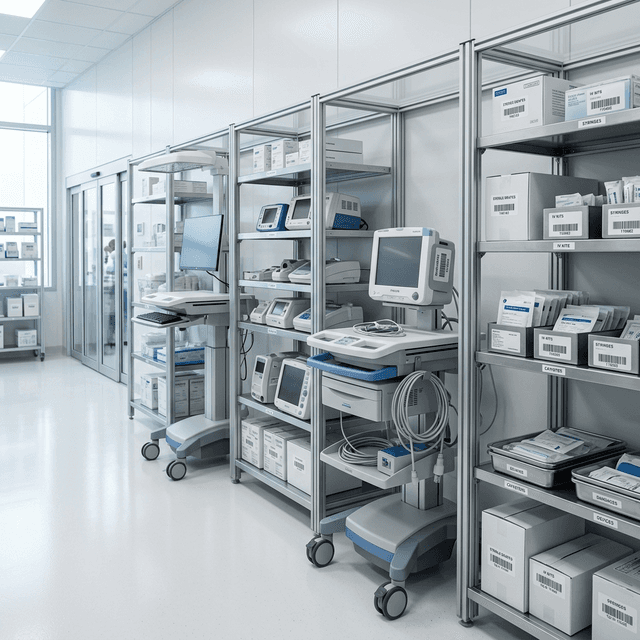



Ụlọ ọgwụ bụ ebe dị mgbagwoju anya, ebe ihe na-agbagharị, ma mkpebi dị ndụ ma ọ bụ ọnwụ na-adabere na logistics. Ma n’kezi, onye nọọsụ na-eji 1 hour kwa shift—12% nke oge ya—ịchọ ngwá ọrụ. Ha na-achọ IV pumps, wheelchairs, telemetry packs, na wound vacs. Nke a bụ “Hunt and Gather” nlekọta ahụike.
Ewezuga ngwá ọrụ, njikwa ọgwụ na-achọkwa nnukwu nlezianya n’ihi ihe egwu. Ịgbaso ọgwụ na crash carts n’aka (manual tracking) na-eduga n’ịgbanwụ ọgwụ ka ha ka na-agafe n’usoro. Nlekọta ezighi ezi otu ugboro nwere ike ịkpata Sentinel Event.
N'eziekwa na ụzọ ije ndị ọrịa adịghị doo anya. Ihe mgbochi n’ụlọ mberede (ER) ma ọ bụ n’Ụlọ Ọwa (OR) na-ebelata ngafe ọrụ na afọ ojuju ndị ọrịa. Enweghị data, ndị na-ahụ maka ụlọ ọgwụ enweghị ike ịhazi ọrụ (staffing) ma ọ bụ imegharịa akwa (bed turnover) nke ọma.
N'ihi na ndị ọrụ enweghị ike ịchọta akụrụngwa, ha na-akpakọba ya n'ime kaboodu na taịlị ụlọ. Ụlọ ọgwụ na-azụta 130% nke ụgbọ mmiri ha dị mkpa, mana ojiji ya na-anọgide na-erughị 40%. Ọtụtụ nde dollar na-anọdụ ala.
Ịkwanye ụgbọala mberede aka bụ njehie. A tụfuru vial epinephrine kwụrụ ụgwọ bụ ụgwọ. Izu ohi ọgwụ (izu ohi) bụkwa ihe na-akawanye njọ nke akwụkwọ ntuziaka enweghị ike igbochi.
Ịmara akụrụngwa nke na-emekọrịta ihe na onye ọrịa na-efe efe dị oke mkpa. Na-enweghị nchọpụta kọntaktị dijitalụ, ụlọ ọgwụ ga-ekpuchi akụ, na-akpaghasị ọrụ.
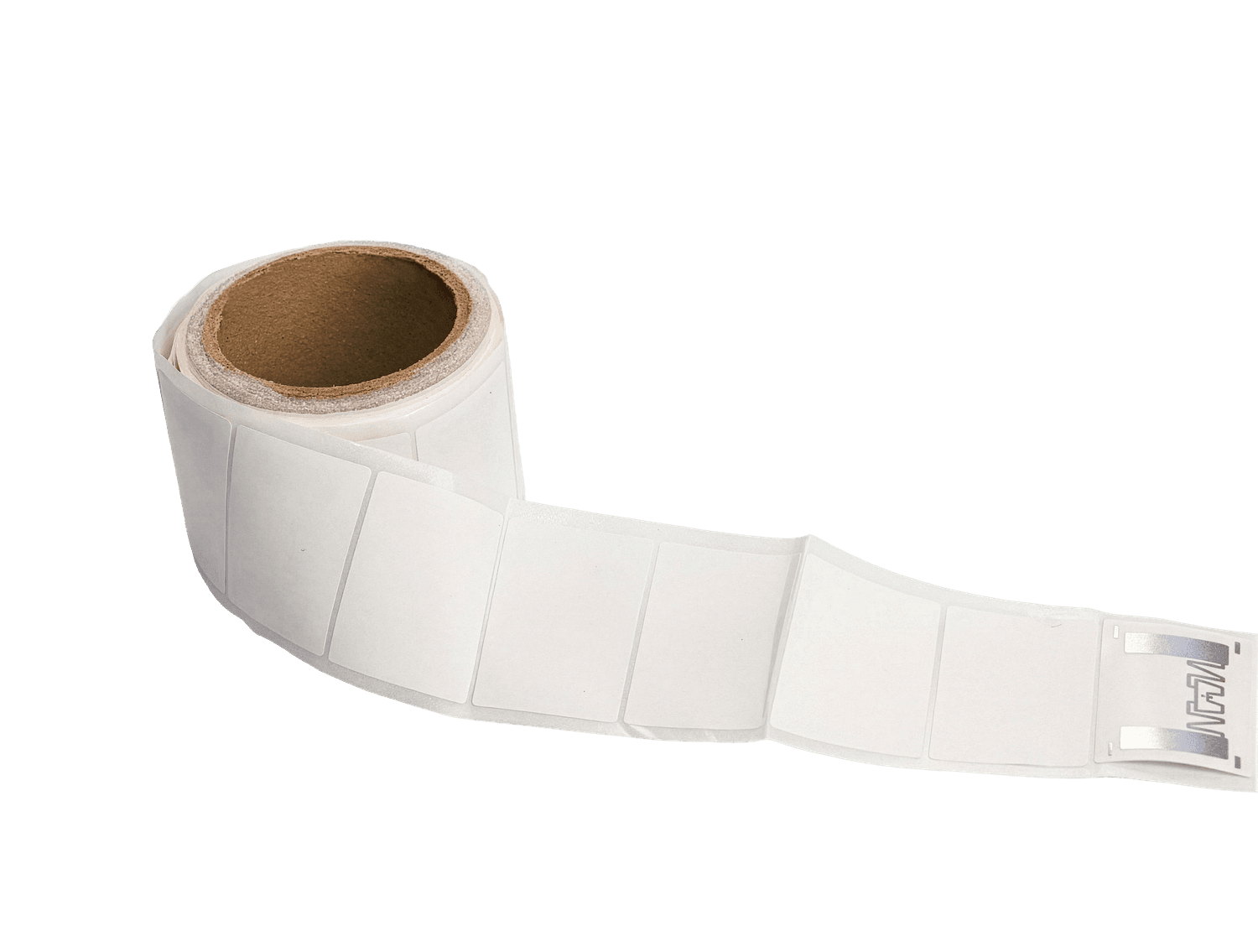
Nextwaves na-etinye sistemụ nchọta ọnọdụ ngwakọ (Hybrid Real-Time Location System - RTLS). Anyị na-eji Passive UHF RFID maka ihe oriri a na-eji n’ọnụ ọgụgụ dị elu na ihe bara ọnụ ala (linen, files, meds), yana tracking Active (BLE/Wi‑Fi) maka ngwá ọrụ mobile nwere nnukwu uru.
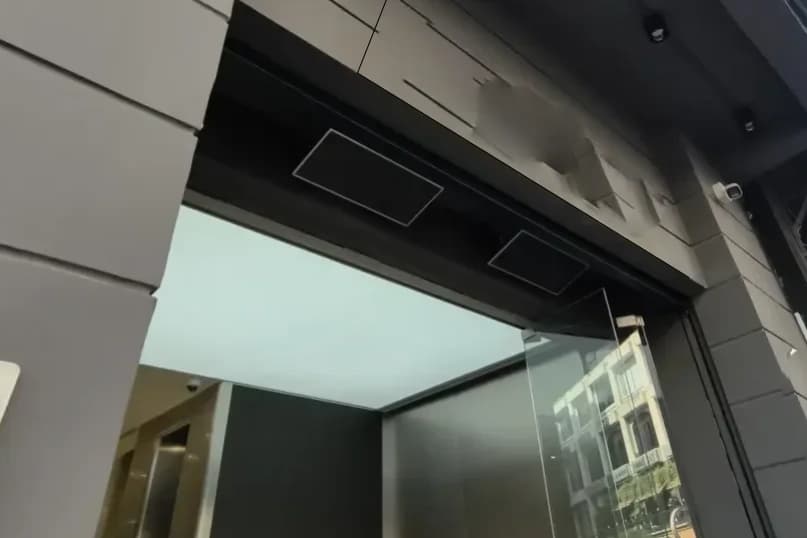
“Smart Cabinets” anyị na-achọpụta ozugbo karama ọgwụ (vial) ọ bụla e wepụrụ, na-emelite ndekọ onye ọrịa na inventory n’otu oge. Array ndị e tinyere n’elu ụlọ (ceiling-mounted) na-esote mmegharị nke akwa na pumps n’ofe ụlọ ọrụ ahụ dum, na-egosi ha na maapụ dijitalụ.
Sistemu a na-emepụta “Chain of Custody”. Anyị maara kpọmkwem onye were ọgwụ ahụ, maka onye ọrịa onye ahụ, na n’oge ole. Anyị makwa ebe infusion pump dị kpọmkwem, nakwa ma e sachara ya kemgbe ojiji ikpeazụ ya.
Gbochie 'Ihe omume mgbe ọ bụla'. Nlele akpaaka na-ahụ na ọgwụ kwesịrị ekwesị, dose kwesịrị ekwesị, onye ọrịa kwesịrị ekwesị.
Belata nha ụgbọ mmiri site na 20% mgbe ị na-abawanye nnweta. Kwụsị ịzụta mgbapụta ị chọghị.
Nye ndị nọọsụ oge ha azụ. Hapụ ha ka ha lekwasị anya na nlekọta, ọ bụghị logistics.
Akụkọ ndekọ akpaaka maka The Joint Commission (TJC). Gosi ịdị ọcha na nrubeisi mmezi ozugbo.
Ụlọ ọgwụ nwere akwa 500 na-agbasi mbọ ike na ER throughput na enweghị mgbapụta IV na-adịghị ala ala. Ndị nọọsụ na-akọ akụkọ banyere igbu oge na nlekọta n'ihi enweghị akụrụngwa.
RFID nlekọta ahụike chọrọ ogo dị elu karịa nke ahịa (retail). Ọ dịghị mgbe a na-ede aha onye ọrịa, nchọpụta (diagnosis), ma ọ bụ ozi nke na-enye amata onwe onye (PII) n’akara (tag). Tags na-eburu naanị token na-amaghị aha. Nọmba a apụtaghị ihe ọ bụla ma e wezụga mgbe enwere ohere (access) n’akụkụ backend dị nchebe nke na-ejikọta ya na ndekọ onye ọrịa.
Oyi akwa data ahụ echedoro site na encryption, nwere njikwa ohere (access-controlled), ma nwee nyocha (audited). Ndị dọkịta/ndị ọkachamara ahụike na-ahụ naanị data ọrụ ha nyere ikike ịhụ. Ndị na-ahụ maka ụlọ ọrụ na-ahụ akụkọ ojiji (utilization reports). Ọ dịghị onye ga-ahụ data onye ọrịa site na oyi akwa RFID n’onwe ya. Anyị nwere nkwado HIPAA site na nhazi (by design), ọ bụghị site n’ime workaround iwu.
Data ebe (location) bụ nanị mmalite. Mgbe ị nwere iyi data na-aga n’usoro banyere ebe ngwa (asset) na onye ọrịa ọ bụla nọ, omume na-apụta. Anyị na-arụ ọrụ na ụdị (models) ga-enwe ike ịkọwa ihe mgbochi ngwa tupu ha emee n’ime awa 4–6, na-enye ndị nọọsụ na-ahụ maka nnọkọ (charge nurses) oge iji kesaa ọrụ ọzọ tupu nlekọta emetụta.
N’oge dị n’ihu: akwa ndị ga-akọ akụkọ ozugbo banyere ịdị arọ onye ọrịa na mgbanwe nrụgide, smart cabinets nke na-ahazi ịzụta/usoro ọgwụ tupu ọgwụ agwụ (reorder) mgbe ọ na-erughị, yana ịhazi oge OR (OR scheduling) nke na-agbanwe ozugbo dabere na ebe ngwá ọrụ dị n’ezie, ọ bụghị n’echiche.
Chebe laptọọpụ na akụrụngwa IT site na RFID security gates, anti-metal tags, na nyocha akpaka.
Kwe ka teknụzụ na-elekọta nchọ. Ị na-elekọta ịchekwa.