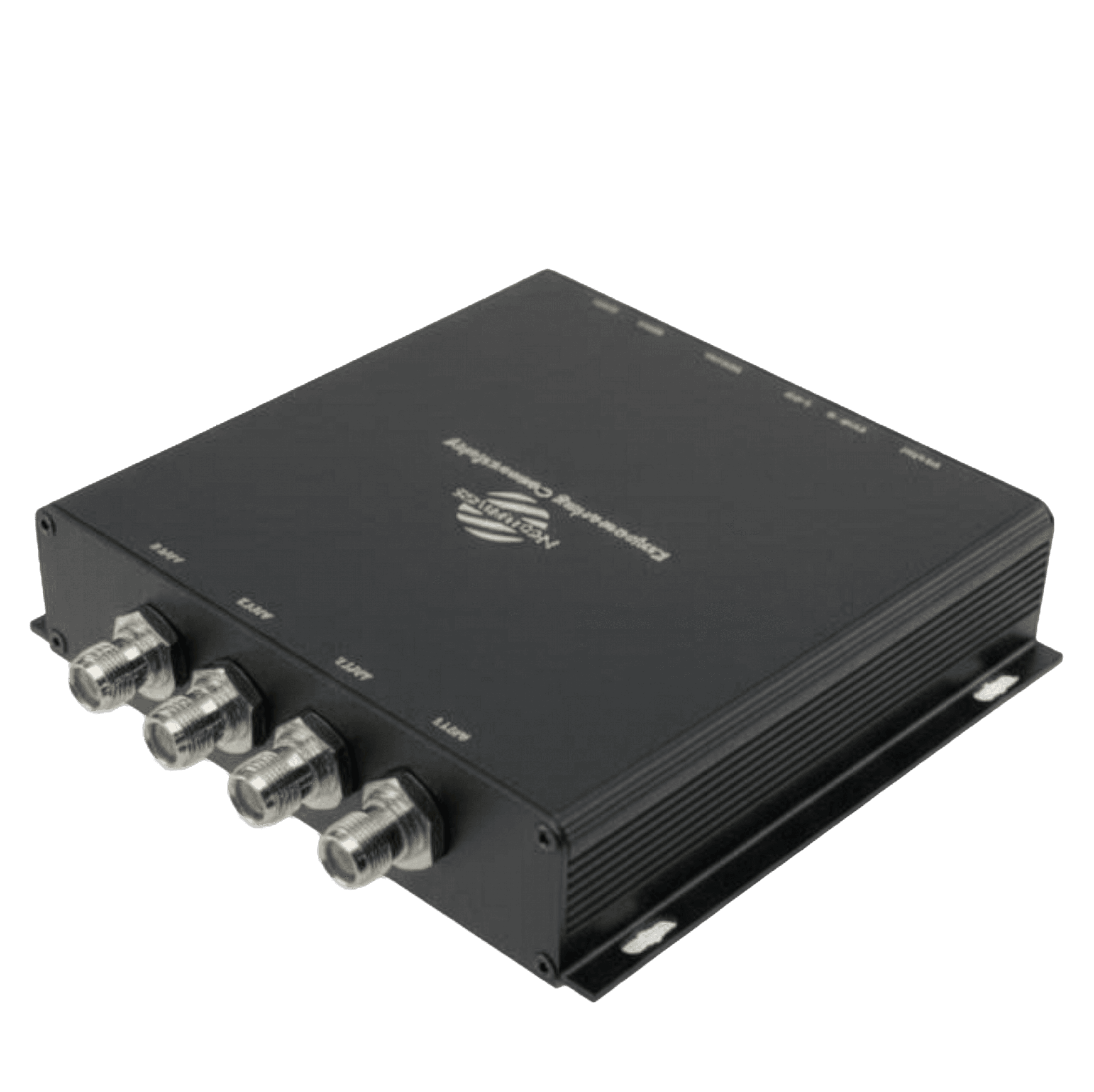
The Sargas 4-Port is a networked tracking device operating on UHF/RAIN. Priced over $1500, compare its legacy middleware requirements to Nextwaves.
Nkọwa Nkà na Ụzụ
Nkọwa Hardware
ThingMagic (JADAK) Sargas (4-Port) bụ ngwaọrụ RFID nke ụlọ ọrụ. Ọ na-arụ ọrụ n'ime oke UHF/RAIN (global) ma na-akwado ụkpụrụ EPC Gen2V2, ISO 18000-63, Gen2X, na-eme ka e jiri ya mee ihe n'ọtụtụ ngwa ngwa ngwa ngwa ụlọ ọrụ.
Site na IP rating nke IP52, ọ na-enye nchebe megide ọnọdụ gburugburu ebe obibi dị na ụlọ nkwakọba ihe ma ọ bụ ụlọ azụmaahịa. Onye na-agụ akwụkwọ na-eji PoE or 5V DC maka arụmọrụ na-aga n'ihu, ebe ọnụego ịgụ ya kachasị elu na 750.
Njikọ na Njikọ Netwọk
Na ntinye nke oge a, njikọ netwọk bụ ihe mgbochi kachasị mkpa. Ihe nlereanya a na-enye nhọrọ Ethernet, USB, Micro SD, 8 GPIO maka ịnyefe data azụ na sistemụ etiti.
Otú ọ dị, nnukwu ihe mgbochi na ngwaike ThingMagic (JADAK) nketa bụ nnukwu ntụkwasị obi na SDKs nwe (dị ka LLRP) ma ọ bụ dị oké ọnụ ahịa nke atọ IoT middleware iji hazie data tagi raw ka ọ bụrụ ọgụgụ isi azụmahịa bara uru.
Nextwaves Alternative
Ọ bụrụ na ndị otu injinia gị na-enyocha ThingMagic (JADAK) Sargas (4-Port), Nextwaves NR155 na-enye ihe owuwu igwe ojii dị elu. Usoro nketa na-akpata nnukwu mmefu isi obodo site na mkpọchi onye na-ere ahịa na sistemụ ngwanrọ nke onwe.
Nextwaves na-ewepụ ihe mgbochi a kpamkpam site n'inye ọkọlọtọ MQTT REST API ozugbo na ngwaọrụ ahụ. Ndị mmepe ngwanrọ gị nwere ike itinye ịgụ akara ozugbo n'ime azụ ERP ma ọ bụ WMS omenala gị n'ime ụbọchị kama ọnwa, na-agafe kpamkpam ụgwọ ikike middleware na-eme ugboro ugboro.
Ajụjụ A Na-ajụkarị
Gịnị bụ Sargas (4-Port)?
The ThingMagic (JADAK) Sargas 4-Port is a high-performance, networked RFID reader. Designed around the ThingMagic M6e Micro module, it supports EPC Gen2V2, ISO 18000-63, Gen2X over UHF/RAIN (global) frequencies for edge computing deployments.
Ego ole ka nhazi a na-efu na mbụ?
The base unit is commonly priced around $1500. A comprehensive bill of materials also requires budgeting for 4 external antennas, RF cabling, and establishing a stable PoE or 5V DC power environment.
Gịnị mere m ga-eji họrọ Nextwaves kama?
Nextwaves provides embedded REST API and MQTT endpoints directly in the hardware stack. Consequently, software engineering teams can bypass expensive custom IoT middleware and integrate RFID events directly to internal webhooks.
Ngwaike ahụ ọ siri ike zuru ezu maka ụlọ nkwakọba ihe?
The compact aluminum housing weighs approximately 0.3 kg and measures 87 x 80 x 23 mm. It features an IP52 rating, making it robust against dust and light drip exposure, but unsuitable for direct outdoor weathering.
Ọ na-akwado ọtụtụ ụdị netwọkụ?
Corporate network integration routes through its Ethernet, USB, Micro SD, 8 GPIO interfaces. The extensive 8-pin GPIO allows direct logic interactions with stack lights, programmable logic controllers, and motion sensors.
Ndị otu m nwere ike ịwụnye nke a n'ime ụlọ?
Physical cabinet mounting uses the integrated flange holes. Optimizing RF performance often requires utilizing the Mercury API to properly configure read/write parameters for the specific Gen2X subset tags in your facility.
Kedu ka njikwa dịpụrụ adịpụ si arụ ọrụ?
Under laboratory test conditions, the reader is capable of processing up to 750 tags per second. Extensive device configuration utilizes the proprietary JADAK Universal Reader Assistant (URA) utility.
Ọ dị m mkpa ngwanrọ nwe naanị iji mee ya?
Most enterprise deployments require custom C# or Java applications utilizing the Mercury API to interface effectively with the Ethernet, USB, Micro SD, 8 GPIO ports, adding significant software lifecycle maintenance.
Kedu akwụkwọ ikike na-abịa na ihe ọgụgụ?
The manufacturer typically provides a standard one-year hardware warranty. Complex factory deployments usually benefit from purchasing extended support SLAs and integration consultancy.
A na-ere antenna iche iche?
External RP-SMA connected antennas are strictly required. Careful calibration of these RF ports across the UHF/RAIN (global) frequency bands ensures maximum range without violating local ETSI/FCC regulations.