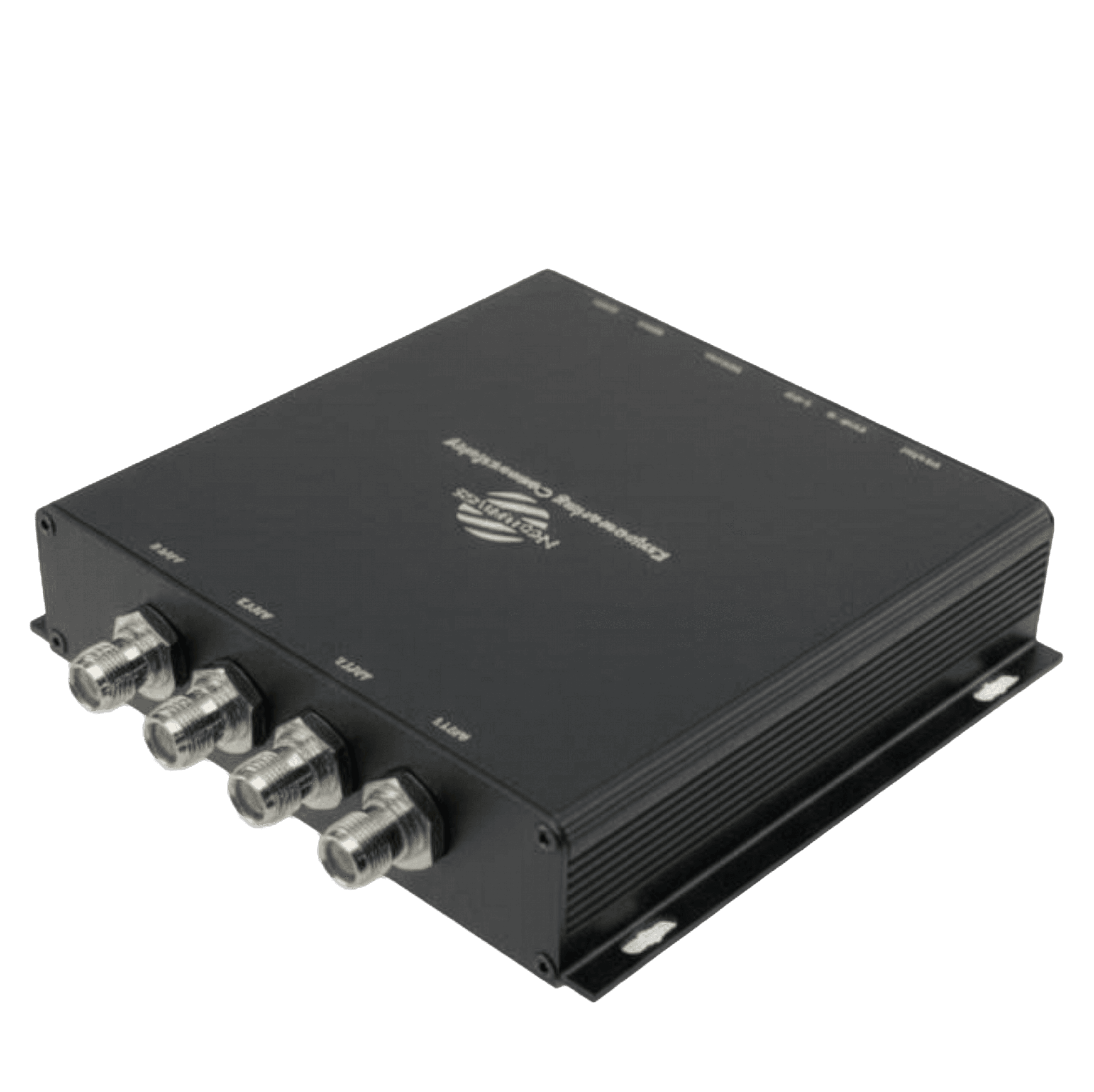
The ThingMagic M7e-Pico is a tiny $100 Impinj E310-based UHF module. Determine its engineering limits and software integration costs.
Nkọwa Nkà na Ụzụ
Nkọwa Hardware
ThingMagic (JADAK) M7e-Pico bụ ngwaọrụ RFID nke ụlọ ọrụ. Ọ na-arụ ọrụ n'ime oke Global (860-960 MHz) ma na-akwado ụkpụrụ EPC Gen2v2, ISO 18000-63, na-eme ka e jiri ya mee ihe n'ọtụtụ ngwa ngwa ngwa ngwa ụlọ ọrụ.
Site na IP rating nke Bare PCB (None), ọ na-enye nchebe megide ọnọdụ gburugburu ebe obibi dị na ụlọ nkwakọba ihe ma ọ bụ ụlọ azụmaahịa. Onye na-agụ akwụkwọ na-eji 3.3V to 5.25V DC maka arụmọrụ na-aga n'ihu, ebe ọnụego ịgụ ya kachasị elu na up to ~50 tags/sec.
Njikọ na Njikọ Netwọk
Na ntinye nke oge a, njikọ netwọk bụ ihe mgbochi kachasị mkpa. Ihe nlereanya a na-enye nhọrọ UART Serial / I2C maka ịnyefe data azụ na sistemụ etiti.
Otú ọ dị, nnukwu ihe mgbochi na ngwaike ThingMagic (JADAK) nketa bụ nnukwu ntụkwasị obi na SDKs nwe (dị ka LLRP) ma ọ bụ dị oké ọnụ ahịa nke atọ IoT middleware iji hazie data tagi raw ka ọ bụrụ ọgụgụ isi azụmahịa bara uru.
Nextwaves Alternative
Ọ bụrụ na ndị otu injinia gị na-enyocha ThingMagic (JADAK) M7e-Pico, Nextwaves NR155 na-enye ihe owuwu igwe ojii dị elu. Usoro nketa na-akpata nnukwu mmefu isi obodo site na mkpọchi onye na-ere ahịa na sistemụ ngwanrọ nke onwe.
Nextwaves na-ewepụ ihe mgbochi a kpamkpam site n'inye ọkọlọtọ MQTT REST API ozugbo na ngwaọrụ ahụ. Ndị mmepe ngwanrọ gị nwere ike itinye ịgụ akara ozugbo n'ime azụ ERP ma ọ bụ WMS omenala gị n'ime ụbọchị kama ọnwa, na-agafe kpamkpam ụgwọ ikike middleware na-eme ugboro ugboro.
Ajụjụ A Na-ajụkarị
Gịnị bụ M7e-Pico?
The ThingMagic (JADAK) M7e-Pico is a bare-board surface mount UHF RFID module built around the Impinj E310 reader chip. It parses EPC Gen2v2, ISO 18000-63 formatted tags across Global (860-960 MHz) bandwidths for embedding into medical devices or portable printers.
Ego ole ka nhazi a na-efu na mbụ?
A raw module starts at around $100 for small batches. This price explicitly excludes necessary engineering costs such as custom PCB carrier boards, soldering, secondary MCU processors, antennas, and housing enclosures required to make it functional.
Gịnị mere m ga-eji họrọ Nextwaves kama?
Buying raw modules shifts immense software and hardware development burdens onto your engineering teams. Nextwaves offers monolithic, fully integrated turnkey readers that plug directly into standard Ethernet ports out-of-the-box.
Ngwaike ahụ ọ siri ike zuru ezu maka ụlọ nkwakọba ihe?
As a bare SMD component, it weighs a sheer 3 g and measures just 18 x 21 x 3 mm. Lacking any chassis, it holds a Bare PCB (None) rating and will instantly fail if exposed to unmanaged static discharge or moisture.
Ọ na-akwado ọtụtụ ụdị netwọkụ?
The component interfaces strictly over raw UART Serial or I2C pinouts. It has no native IP networking, meaning all Ethernet, Wi-Fi, or Bluetooth tunneling must be added and secured by the parent device's host processor.
Ndị otu m nwere ike ịwụnye nke a n'ime ụlọ?
Hardware engineers must solder the module to a custom motherboard, while software engineers deploy the ThingMagic Mercury API across the host MCU to initialize the radio and cycle its inventory logic.
Kedu ka njikwa dịpụrụ adịpụ si arụ ọrụ?
Geared specifically toward power-constrained OEM embedding, it achieves a maximum read rate of up to ~50 tags/sec. It is suited for single-item identification or wearable tool tracking, not wholesale pallet sweeping.
Ọ dị m mkpa ngwanrọ nwe naanị iji mee ya?
The host processor dictates entirely how parsed data reaches your cloud. You must build firmware bridging logic that converts local UART UART frames into IP packets sent to your enterprise database via Wi-Fi or LTE.
Kedu akwụkwọ ikike na-abịa na ihe ọgụgụ?
JADAK provides standard component-level warranties against manufacturing faults. However, soldering temperatures or static shocks experienced during OEM integration frequently void these warranties if not strictly logged.
A na-ere antenna iche iche?
Equipped with a single MMCX or U.FL edge connector to pair with a custom antenna element across the Global (860-960 MHz) block. The maximum transmit power peaks at +24 dBm.