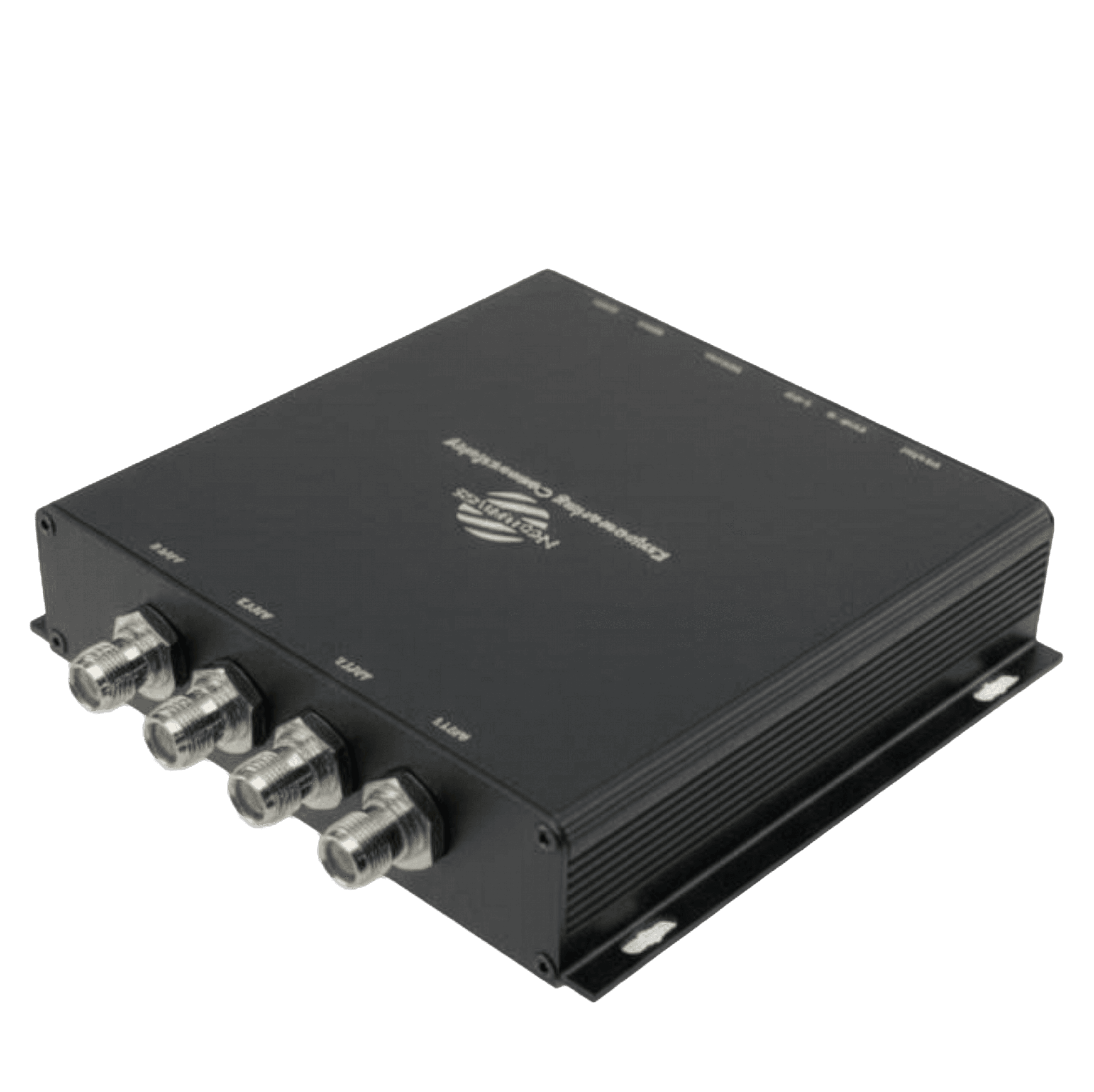
The ThingMagic Elara is a desktop USB EPC reader priced around $400. Review its keyboard emulation functions and compare against Nextwaves Webhook nodes.
Nkọwa Nkà na Ụzụ
Nkọwa Hardware
ThingMagic (JADAK) Elara bụ ngwaọrụ RFID nke ụlọ ọrụ. Ọ na-arụ ọrụ n'ime oke Global ma na-akwado ụkpụrụ EPC Gen2v2, ISO 18000-63, na-eme ka e jiri ya mee ihe n'ọtụtụ ngwa ngwa ngwa ngwa ụlọ ọrụ.
Site na IP rating nke indoor rating, ọ na-enye nchebe megide ọnọdụ gburugburu ebe obibi dị na ụlọ nkwakọba ihe ma ọ bụ ụlọ azụmaahịa. Onye na-agụ akwụkwọ na-eji USB Bus Power maka arụmọrụ na-aga n'ihu, ebe ọnụego ịgụ ya kachasị elu na ~50 tags/sec.
Njikọ na Njikọ Netwọk
Na ntinye nke oge a, njikọ netwọk bụ ihe mgbochi kachasị mkpa. Ihe nlereanya a na-enye nhọrọ USB Type A (keyboard emulation) maka ịnyefe data azụ na sistemụ etiti.
Otú ọ dị, nnukwu ihe mgbochi na ngwaike ThingMagic (JADAK) nketa bụ nnukwu ntụkwasị obi na SDKs nwe (dị ka LLRP) ma ọ bụ dị oké ọnụ ahịa nke atọ IoT middleware iji hazie data tagi raw ka ọ bụrụ ọgụgụ isi azụmahịa bara uru.
Nextwaves Alternative
Ọ bụrụ na ndị otu injinia gị na-enyocha ThingMagic (JADAK) Elara, Nextwaves NR155 na-enye ihe owuwu igwe ojii dị elu. Usoro nketa na-akpata nnukwu mmefu isi obodo site na mkpọchi onye na-ere ahịa na sistemụ ngwanrọ nke onwe.
Nextwaves na-ewepụ ihe mgbochi a kpamkpam site n'inye ọkọlọtọ MQTT REST API ozugbo na ngwaọrụ ahụ. Ndị mmepe ngwanrọ gị nwere ike itinye ịgụ akara ozugbo n'ime azụ ERP ma ọ bụ WMS omenala gị n'ime ụbọchị kama ọnwa, na-agafe kpamkpam ụgwọ ikike middleware na-eme ugboro ugboro.
Ajụjụ A Na-ajụkarị
Gịnị bụ Elara?
The ThingMagic (JADAK) Elara is a plug-and-play desktop RFID scanner. It decodes EPC Gen2v2, ISO 18000-63 formats across the Global spectrum, specifically engineered to act as an automated keyboard wedge for simple data entry tasks.
Ego ole ka nhazi a na-efu na mbụ?
Units are configured starting at $400. Due to its minimalist design, integration budgets are extremely low, drawing USB Bus Power natively and containing no external networking logic or wiring harnesses.
Gịnị mere m ga-eji họrọ Nextwaves kama?
Nextwaves hardware specializes in untethered operations. Instead of typing data directly into a focused spreadsheet cell like the Elara, our systems seamlessly broadcast massive inventory dumps securely over cloud webhooks.
Ngwaike ahụ ọ siri ike zuru ezu maka ụlọ nkwakọba ihe?
The lightweight plastic shell weighs just 0.19 kg with physical dimensions mapping 97 x 61 x 25 mm. Carrying a generic indoor rating, it is explicitly designed for POS counters, medical carts, or library checkout desks.
Ọ na-akwado ọtụtụ ụdị netwọkụ?
The device acts as a Human Interface Device (HID) over USB Type A (keyboard emulation). It possesses zero networking logic and inherently relies entirely on the host operating system's firewall.
Ndị otu m nwere ike ịwụnye nke a n'ime ụlọ?
Implementation is completely driverless. Setup simply involves plugging the reader into a host PC; any scanned EPC Gen2v2, ISO 18000-63 tags are instantly 'typed' into the active cursor window as raw text stings.
Kedu ka njikwa dịpụrụ adịpụ si arụ ọrụ?
Powered internally by an M6e-Nano embedded core, read counts are severely capped to roughly ~50 tags/sec. It serves strictly as a single-item point-of-friction terminal, incapable of running dense background audits.
Ọ dị m mkpa ngwanrọ nwe naanị iji mee ya?
Because data injection from its USB Type A (keyboard emulation) interface is handled identically to typing on a physical keyboard, complex autonomous background routing to external CRMs requires hacky OS script writing.
Kedu akwụkwọ ikike na-abịa na ihe ọgụgụ?
The base hardware unit is protected against factory defects for a single year. Standard enterprise support SLAs are rarely purchased for these low-friction utility scanners.
A na-ere antenna iche iche?
An internal antenna element spans the Global band footprint. The RF power limits are intentionally dialed downwards by the manufacturer to create a contained 12-inch sensing bubble to prevent duplicate reading.