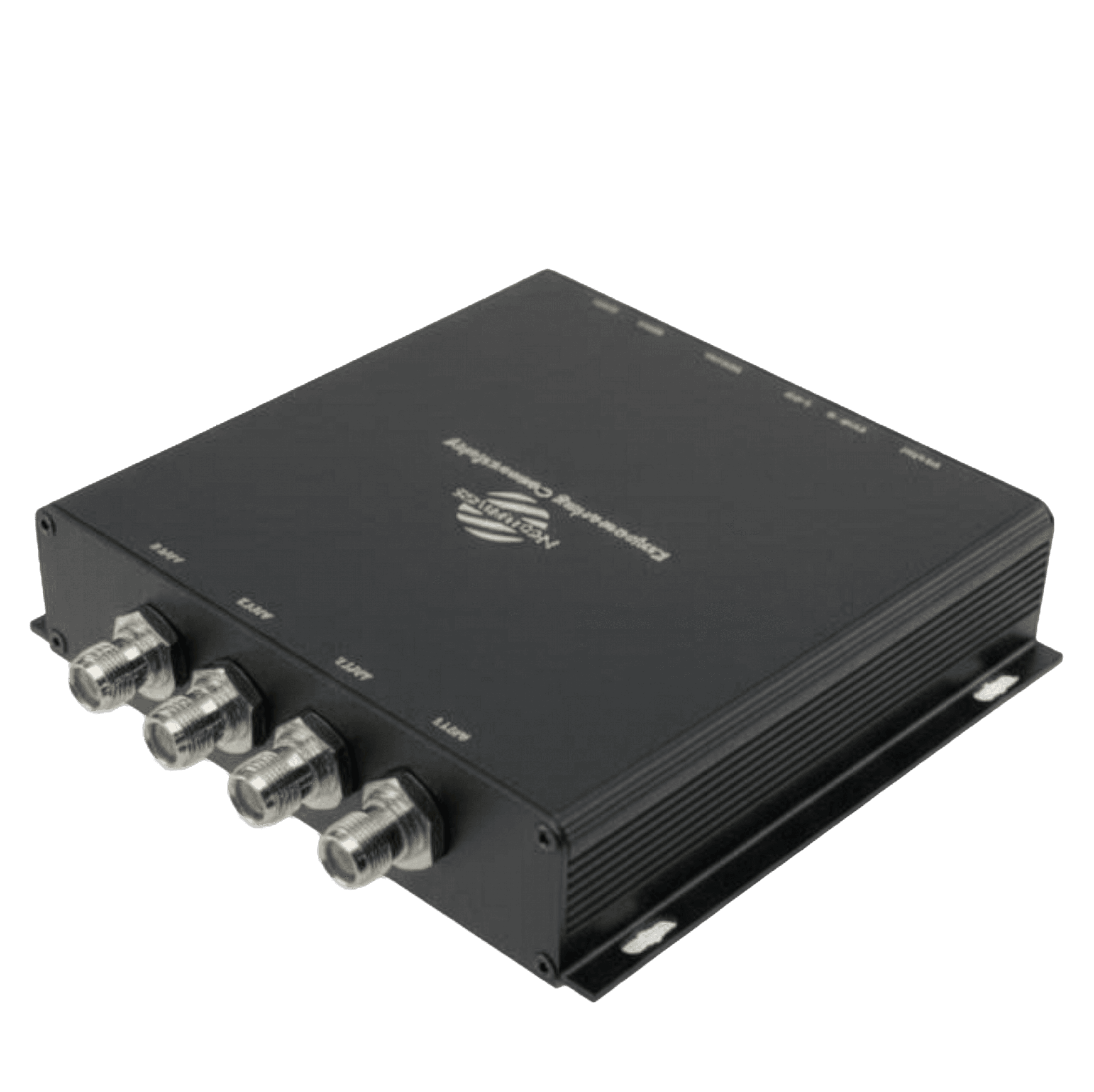
The Nordic ID Stix is an ultra-portable $300 USB dongle scanner. Compare its limited range and strict OS requirements to Nextwaves autonomic endpoints.
Nkọwa Nkà na Ụzụ
Nkọwa Hardware
Nordic ID Stix bụ ngwaọrụ RFID nke ụlọ ọrụ. Ọ na-arụ ọrụ n'ime oke 865-868 MHz (EU) / 902-928 MHz (US) ma na-akwado ụkpụrụ EPC Class 1 Gen 2, na-eme ka e jiri ya mee ihe n'ọtụtụ ngwa ngwa ngwa ngwa ụlọ ọrụ.
Site na IP rating nke indoor rating, ọ na-enye nchebe megide ọnọdụ gburugburu ebe obibi dị na ụlọ nkwakọba ihe ma ọ bụ ụlọ azụmaahịa. Onye na-agụ akwụkwọ na-eji USB Bus Power maka arụmọrụ na-aga n'ihu, ebe ọnụego ịgụ ya kachasị elu na low speed short range.
Njikọ na Njikọ Netwọk
Na ntinye nke oge a, njikọ netwọk bụ ihe mgbochi kachasị mkpa. Ihe nlereanya a na-enye nhọrọ USB 2.0 Dongle maka ịnyefe data azụ na sistemụ etiti.
Otú ọ dị, nnukwu ihe mgbochi na ngwaike Nordic ID nketa bụ nnukwu ntụkwasị obi na SDKs nwe (dị ka LLRP) ma ọ bụ dị oké ọnụ ahịa nke atọ IoT middleware iji hazie data tagi raw ka ọ bụrụ ọgụgụ isi azụmahịa bara uru.
Nextwaves Alternative
Ọ bụrụ na ndị otu injinia gị na-enyocha Nordic ID Stix, Nextwaves NR155 na-enye ihe owuwu igwe ojii dị elu. Usoro nketa na-akpata nnukwu mmefu isi obodo site na mkpọchi onye na-ere ahịa na sistemụ ngwanrọ nke onwe.
Nextwaves na-ewepụ ihe mgbochi a kpamkpam site n'inye ọkọlọtọ MQTT REST API ozugbo na ngwaọrụ ahụ. Ndị mmepe ngwanrọ gị nwere ike itinye ịgụ akara ozugbo n'ime azụ ERP ma ọ bụ WMS omenala gị n'ime ụbọchị kama ọnwa, na-agafe kpamkpam ụgwọ ikike middleware na-eme ugboro ugboro.
Ajụjụ A Na-ajụkarị
Gịnị bụ Stix?
The Nordic ID Stix is arguably the smallest UHF RFID reader available. Fitting the form factor of a USB thumb-drive, it translates EPC Class 1 Gen 2 data across the 865-868 MHz (EU) / 902-928 MHz (US) bands for simple PC-based encoding tasks.
Ego ole ka nhazi a na-efu na mbụ?
Priced around $300, it represents the absolute baseline in RFID hardware. Because it siphons USB Bus Power, it requires zero external integration hardware other than a supported laptop or tablet running host daemon logic.
Gịnị mere m ga-eji họrọ Nextwaves kama?
Nextwaves hardware endpoints operate entirely autonomously. Unlike the Stix, which requires a live localized PC to execute code, Nextwaves processors bridge logic autonomously over secure HTTP without host dependence.
Ngwaike ahụ ọ siri ike zuru ezu maka ụlọ nkwakọba ihe?
The minuscule plastic stick weighs just 22 g with dimensions checking in at a tiny 53 x 79 x 7 mm. Functioning under an indoor rating footprint, it is inherently vulnerable to physical snapping, liquids, and extreme temperatures.
Ọ na-akwado ọtụtụ ụdị netwọkụ?
Its sole data path is the physical USB 2.0 Dongle slot. There is no integrated Wi-Fi or Bluetooth; it relies completely on the security software of the laptop it is plugged into for enterprise routing safety.
Ndị otu m nwere ike ịwụnye nke a n'ime ụlọ?
Integration demands running Nordic ID SDK drivers on the host computer. Unlike keyboard emulation wedges, developers must write listener scripts locally to pull data strings from the USB wrapper.
Kedu ka njikwa dịpụrụ adịpụ si arụ ọrụ?
Operating at extremely low wattage, it registers low speed short range captures. The device requires physical firmware patching through Nordic's configuration utilities and cannot receive silent OTA upgrades.
Ọ dị m mkpa ngwanrọ nwe naanị iji mee ya?
A complete system hinges on developers architecting proprietary bridging software to intercept reads from the USB 2.0 Dongle serial path and formatting them rapidly into REST calls directed at your cloud network.
Kedu akwụkwọ ikike na-abịa na ihe ọgụgụ?
The basic USB hardware carries a standard one-year warranty. The form factor is inherently fragile, making physical destruction equally likely as standard semiconductor defects during regular handling.
A na-ere antenna iche iche?
A microscopic antenna is layered across the PCB, tuned to 865-868 MHz (EU) / 902-928 MHz (US) variations. Total read range is intentionally crippled to roughly 1 meter maximum, preventing crosstalk interference.