Laird S8658PL/PR Nyocha: Nkọwa na Nhọrọ

Nextwaves Engineering··Nyocha Ngwaike·3 min gụọ

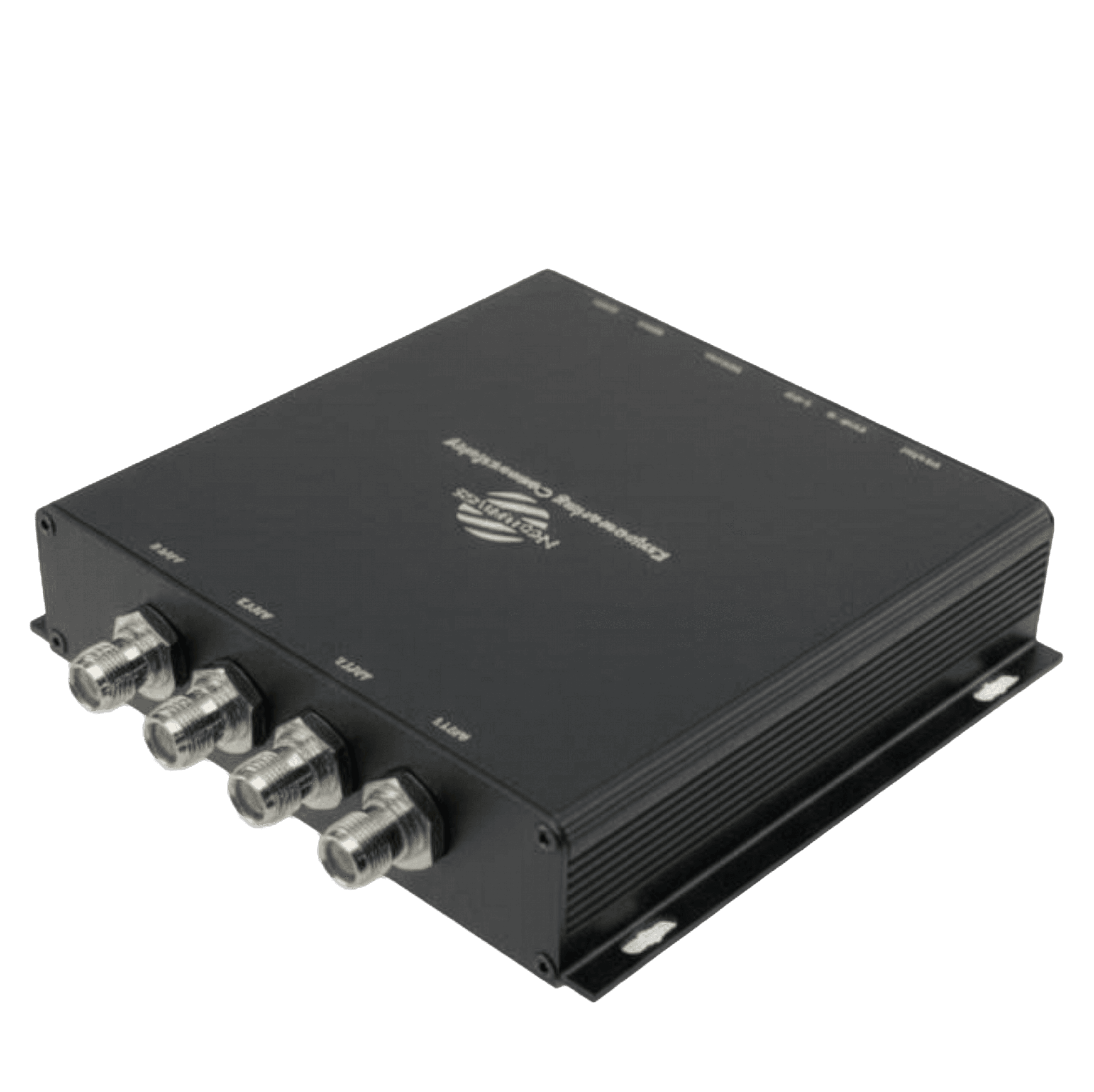
The Laird S8658PL/PR is an ETSI targeted passive array for $150. Analyze the complex deployment costs against standalone active arrays.

Nkọwa Nkà na Ụzụ

Ugboro865-868 MHz (ETSI)
UsoroN/A (Passive Antenna Element)
NjikoCoaxial Type N / SMA
Ntụle IPIP54
Akụkụ260 x 260 x 33 mm
Ibu1.04 kg
Ike ọkọnọN/A (Passive)
Ọnụego ỊgụN/A (Passive)
Ọnụahịa Atụmatụ$150

Nkọwa Hardware

Laird S8658PL/PR bụ ngwaọrụ RFID nke ụlọ ọrụ. Ọ na-arụ ọrụ n'ime oke 865-868 MHz (ETSI) ma na-akwado ụkpụrụ N/A (Passive Antenna Element), na-eme ka e jiri ya mee ihe n'ọtụtụ ngwa ngwa ngwa ngwa ụlọ ọrụ.

Site na IP rating nke IP54, ọ na-enye nchebe megide ọnọdụ gburugburu ebe obibi dị na ụlọ nkwakọba ihe ma ọ bụ ụlọ azụmaahịa. Onye na-agụ akwụkwọ na-eji N/A (Passive) maka arụmọrụ na-aga n'ihu, ebe ọnụego ịgụ ya kachasị elu na N/A (Passive).

Njikọ na Njikọ Netwọk

Na ntinye nke oge a, njikọ netwọk bụ ihe mgbochi kachasị mkpa. Ihe nlereanya a na-enye nhọrọ Coaxial Type N / SMA maka ịnyefe data azụ na sistemụ etiti.

Otú ọ dị, nnukwu ihe mgbochi na ngwaike Laird nketa bụ nnukwu ntụkwasị obi na SDKs nwe (dị ka LLRP) ma ọ bụ dị oké ọnụ ahịa nke atọ IoT middleware iji hazie data tagi raw ka ọ bụrụ ọgụgụ isi azụmahịa bara uru.

Nextwaves Alternative

Ọ bụrụ na ndị otu injinia gị na-enyocha Laird S8658PL/PR, Nextwaves NR155 na-enye ihe owuwu igwe ojii dị elu. Usoro nketa na-akpata nnukwu mmefu isi obodo site na mkpọchi onye na-ere ahịa na sistemụ ngwanrọ nke onwe.

Nextwaves na-ewepụ ihe mgbochi a kpamkpam site n'inye ọkọlọtọ MQTT REST API ozugbo na ngwaọrụ ahụ. Ndị mmepe ngwanrọ gị nwere ike itinye ịgụ akara ozugbo n'ime azụ ERP ma ọ bụ WMS omenala gị n'ime ụbọchị kama ọnwa, na-agafe kpamkpam ụgwọ ikike middleware na-eme ugboro ugboro.

Ajụjụ A Na-ajụkarị

Gịnị bụ S8658PL/PR?

The Laird S8658PL (Left-Hand) and PR (Right-Hand) operate as dedicated EU passive antenna fields. Confined locally to 865-868 MHz (ETSI) bands, they broadcast focused electromagnetic waves initiated by external centralized readers.

Ego ole ka nhazi a na-efu na mbụ?

Panels carry roughly a $150 price tag. This does not factor for high-end active processing blocks, coaxial lengths routing behind drywalls, or custom software routing required on the parent MCU.

Gịnị mere m ga-eji họrọ Nextwaves kama?

Traditional RFID involves bolting passive antennas to ceilings and dragging coax cables back to central IT closets. Nextwaves simply places a standalone active array directly onto the ceiling, hooked securely to straightforward PoE systems.

Ngwaike ahụ ọ siri ike zuru ezu maka ụlọ nkwakọba ihe?

Protected by standard IP54 seals, the 260 x 260 x 33 mm casing weighs 1.04 kg. It defends against factory dust perfectly, but risks catastrophic internal failure during localized high-pressure wash-down environments.

Ọ na-akwado ọtụtụ ụdị netwọkụ?

It completely lacks native Ethernet, Wi-Fi, or Bluetooth stacks. Transmitting voltage impulses occurs physically through Coaxial Type N / SMA connections tied intimately back to the active reader.

Ndị otu m nwere ike ịwụnye nke a n'ime ụlọ?

Mounting requires securely anchoring heavy-duty articulating joints. Successful logic implementation requires measuring VSWR tolerances to tune the active reader compensating for coaxial decibel attenuation.

Kedu ka njikwa dịpụrụ adịpụ si arụ ọrụ?

Governed by N/A (Passive) dynamics, the speed of tag collection correlates precisely to the processing rate of the interrogator board powering the matrix.

Ọ dị m mkpa ngwanrọ nwe naanị iji mee ya?

Middleware stacks are fully divorced from this hardware. Engineers execute tag reading logic and REST webhooks exclusively on the Linux systems baked into the core reader managing the voltage logic.

Kedu akwụkwọ ikike na-abịa na ihe ọgụgụ?

Protected by fundamental 1-year product fault protections. The static internal patch framework functions virtually indefinitely absent violent warehouse pallet crashes.

A na-ere antenna iche iche?

Delivering exactly 8.5 dBic localized gain, mixing Left and Right Circularly Polarized patterns over the 865-868 MHz (ETSI) block nullifies aggressive 'deep fade' interference inside cluttered warehouses.