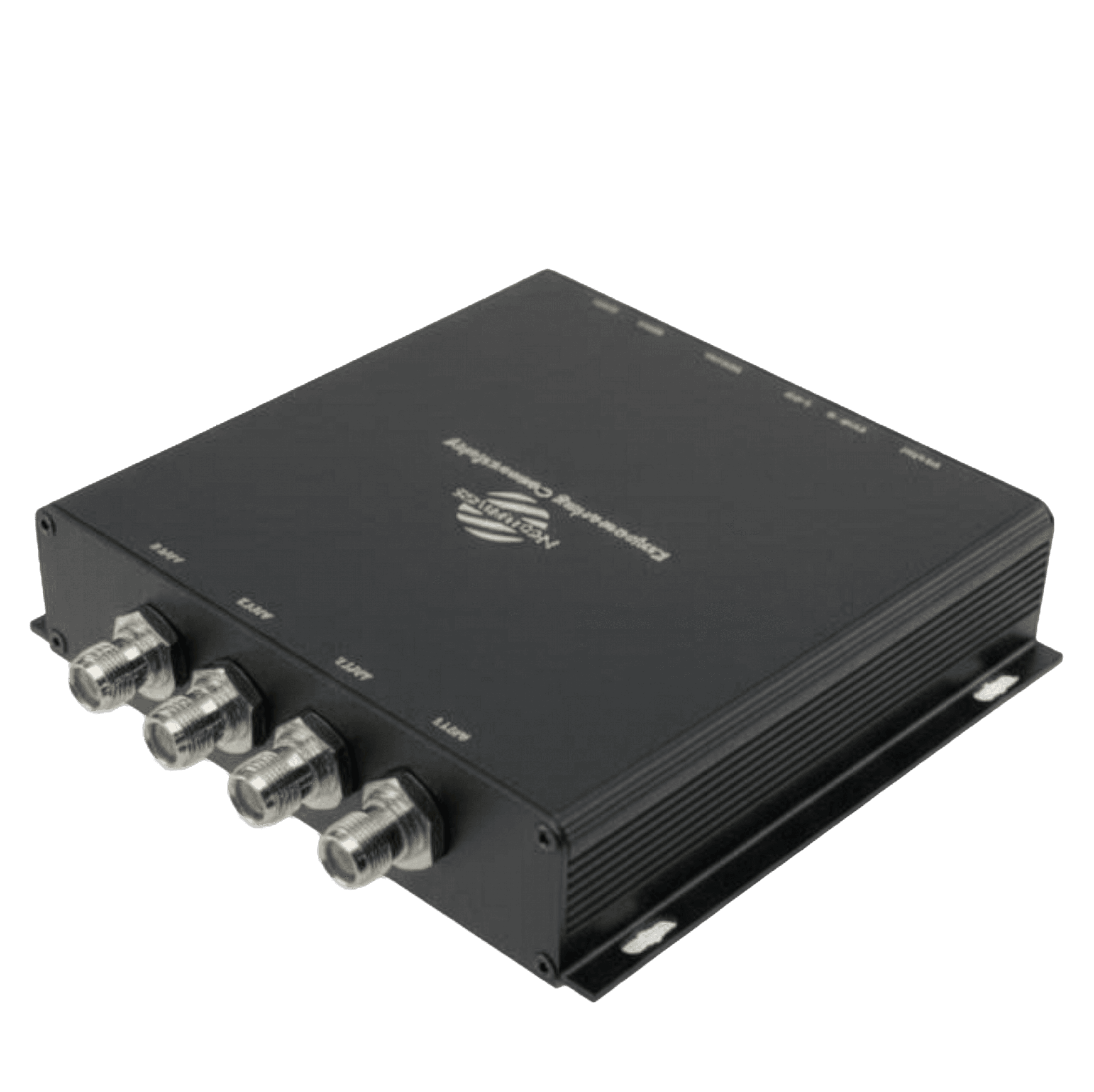
The Honeywell IH45 is a Bluetooth sled carrying a $1200 MSRP. Review its physical specifications and architectural requirements vs Nextwaves native cloud endpoints.
Nkọwa Nkà na Ụzụ
Nkọwa Hardware
Honeywell IH45 bụ ngwaọrụ RFID nke ụlọ ọrụ. Ọ na-arụ ọrụ n'ime oke 865-868 MHz / 902-928 MHz ma na-akwado ụkpụrụ EPC Gen2 V2, ISO 18000-63, na-eme ka e jiri ya mee ihe n'ọtụtụ ngwa ngwa ngwa ngwa ụlọ ọrụ.
Site na IP rating nke IP54, ọ na-enye nchebe megide ọnọdụ gburugburu ebe obibi dị na ụlọ nkwakọba ihe ma ọ bụ ụlọ azụmaahịa. Onye na-agụ akwụkwọ na-eji Li-Poly 3.8V 4000mAh maka arụmọrụ na-aga n'ihu, ebe ọnụego ịgụ ya kachasị elu na ~900 tags/sec.
Njikọ na Njikọ Netwọk
Na ntinye nke oge a, njikọ netwọk bụ ihe mgbochi kachasị mkpa. Ihe nlereanya a na-enye nhọrọ Bluetooth 5.0, BLE maka ịnyefe data azụ na sistemụ etiti.
Otú ọ dị, nnukwu ihe mgbochi na ngwaike Honeywell nketa bụ nnukwu ntụkwasị obi na SDKs nwe (dị ka LLRP) ma ọ bụ dị oké ọnụ ahịa nke atọ IoT middleware iji hazie data tagi raw ka ọ bụrụ ọgụgụ isi azụmahịa bara uru.
Nextwaves Alternative
Ọ bụrụ na ndị otu injinia gị na-enyocha Honeywell IH45, Nextwaves NR155 na-enye ihe owuwu igwe ojii dị elu. Usoro nketa na-akpata nnukwu mmefu isi obodo site na mkpọchi onye na-ere ahịa na sistemụ ngwanrọ nke onwe.
Nextwaves na-ewepụ ihe mgbochi a kpamkpam site n'inye ọkọlọtọ MQTT REST API ozugbo na ngwaọrụ ahụ. Ndị mmepe ngwanrọ gị nwere ike itinye ịgụ akara ozugbo n'ime azụ ERP ma ọ bụ WMS omenala gị n'ime ụbọchị kama ọnwa, na-agafe kpamkpam ụgwọ ikike middleware na-eme ugboro ugboro.
Ajụjụ A Na-ajụkarị
Gịnị bụ IH45?
The Honeywell IH45 is an ergonomic UHF RFID sled designed to piggyback on compatible mobile computers. Operating across 865-868 MHz / 902-928 MHz blocks, it conforms to EPC Gen2 V2, ISO 18000-63 logic for commercial inventory sweeping.
Ego ole ka nhazi a na-efu na mbụ?
Hardware configurations sit around $1200 MSRP. The final hardware budget must include the sled, replacement Li-Poly 3.8V 4000mAh batteries, gang chargers, and the mandatory secondary smartphone or terminal.
Gịnị mere m ga-eji họrọ Nextwaves kama?
Nextwaves hardware features integrated processors that run open REST/MQTT protocols natively. Developers achieve a direct web-to-cloud path without compiling separate Android Bluetooth bridging software.
Ngwaike ahụ ọ siri ike zuru ezu maka ụlọ nkwakọba ihe?
The bare sled weighs 450 g (without mobile) and measures 190 x 79 x 154 mm. It features an IP54 ingress protection rating, preventing mild dust accumulation and splashing within sheltered retail floors.
Ọ na-akwado ọtụtụ ụdị netwọkụ?
The core data link relies entirely on Bluetooth 5.0, BLE protocols. Consequently, the sled never talks directly to your IT networks; it communicates strictly via its host Android or iOS phone interface.
Ndị otu m nwere ike ịwụnye nke a n'ime ụlọ?
Assembly dictates sliding the host terminal into a mechanical bracket. Software integration requires utilizing Honeywell's SDK libraries to instruct the phone to send GATT profile commands to trigger the reader module.
Kedu ka njikwa dịpụrụ adịpụ si arụ ọrụ?
The internal interrogator can sustain roughly ~900 tags/sec sweeps. Firmware updates or specialized configuration changes must be deployed over-the-air (OTA) via the coupled mobile device.
Ọ dị m mkpa ngwanrọ nwe naanị iji mee ya?
In a traditional workflow, developers must build Android/iOS applications to act as middleware, wrapping Bluetooth 5.0, BLE reads into HTTPS packets before relaying them to an external CRM.
Kedu akwụkwọ ikike na-abịa na ihe ọgụgụ?
A base manufacturer warranty covers standard defects for 12 months. Maintenance contracts for sleds are complex because operators must individually manage the service life of both the sled and the coupled phone.
A na-ere antenna iche iche?
A linearly polarized integrated antenna broadcasts scanning energy over the 865-868 MHz / 902-928 MHz ranges. This orientation achieves greater range but requires operators to align the sled explicitly with typical tag placements.