Honeywell IH25 Nyocha: Nkọwa na Nhọrọ

Nextwaves Engineering··Nyocha Ngwaike·3 min gụọ

The Honeywell IH25 is a Bluetooth sled tracking device starting around $1000. Learn about its smartphone pairing requirements and comparison to Nextwaves.

Nkọwa Nkà na Ụzụ

Ugboro865-868 MHz / 902-928 MHz
UsoroEPC Gen2 V2
NjikoBluetooth 5.0, BLE
Ntụle IPIP54
Akụkụ185 x 77.8 x 147 mm
Ibu430 g (without mobile)
Ike ọkọnọLi-Poly 3.8V 4000mAh
Ọnụego Ịgụ~600 tags/sec
Ọnụahịa Atụmatụ$1000

Nkọwa Hardware

Honeywell IH25 bụ ngwaọrụ RFID nke ụlọ ọrụ. Ọ na-arụ ọrụ n'ime oke 865-868 MHz / 902-928 MHz ma na-akwado ụkpụrụ EPC Gen2 V2, na-eme ka e jiri ya mee ihe n'ọtụtụ ngwa ngwa ngwa ngwa ụlọ ọrụ.

Site na IP rating nke IP54, ọ na-enye nchebe megide ọnọdụ gburugburu ebe obibi dị na ụlọ nkwakọba ihe ma ọ bụ ụlọ azụmaahịa. Onye na-agụ akwụkwọ na-eji Li-Poly 3.8V 4000mAh maka arụmọrụ na-aga n'ihu, ebe ọnụego ịgụ ya kachasị elu na ~600 tags/sec.

Njikọ na Njikọ Netwọk

Na ntinye nke oge a, njikọ netwọk bụ ihe mgbochi kachasị mkpa. Ihe nlereanya a na-enye nhọrọ Bluetooth 5.0, BLE maka ịnyefe data azụ na sistemụ etiti.

Otú ọ dị, nnukwu ihe mgbochi na ngwaike Honeywell nketa bụ nnukwu ntụkwasị obi na SDKs nwe (dị ka LLRP) ma ọ bụ dị oké ọnụ ahịa nke atọ IoT middleware iji hazie data tagi raw ka ọ bụrụ ọgụgụ isi azụmahịa bara uru.

Nextwaves Alternative

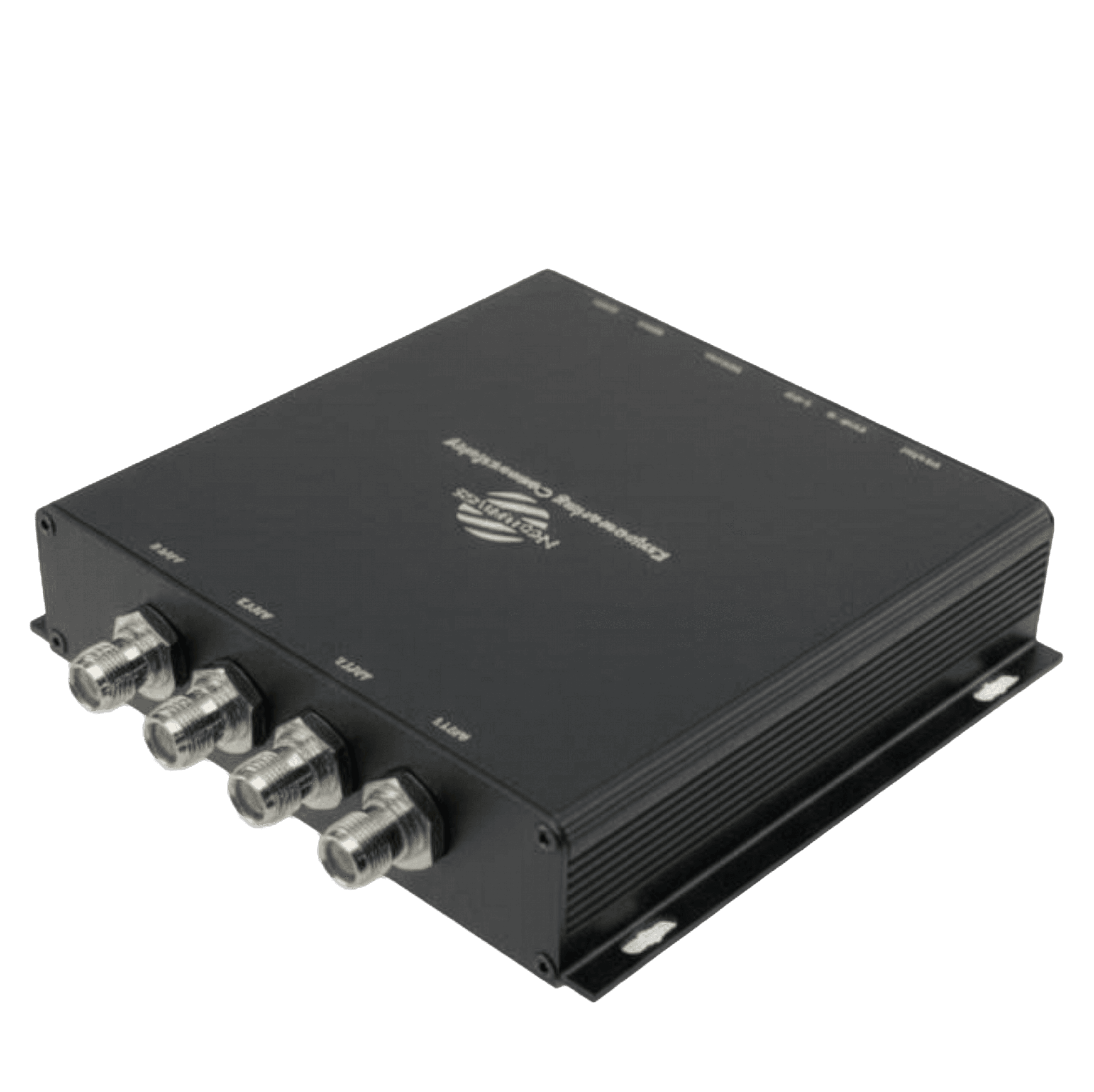
Ọ bụrụ na ndị otu injinia gị na-enyocha Honeywell IH25, Nextwaves NR155 na-enye ihe owuwu igwe ojii dị elu. Usoro nketa na-akpata nnukwu mmefu isi obodo site na mkpọchi onye na-ere ahịa na sistemụ ngwanrọ nke onwe.

Nextwaves na-ewepụ ihe mgbochi a kpamkpam site n'inye ọkọlọtọ MQTT REST API ozugbo na ngwaọrụ ahụ. Ndị mmepe ngwanrọ gị nwere ike itinye ịgụ akara ozugbo n'ime azụ ERP ma ọ bụ WMS omenala gị n'ime ụbọchị kama ọnwa, na-agafe kpamkpam ụgwọ ikike middleware na-eme ugboro ugboro.

Ajụjụ A Na-ajụkarị

Gịnị bụ IH25?

The Honeywell IH25 is a Bluetooth-enabled UHF RFID sled designed to pair with existing mobile computers. It supports EPC Gen2 V2 logic over the 865-868 MHz / 902-928 MHz blocks, enabling ad-hoc retail tagging and inventory scans.

Ego ole ka nhazi a na-efu na mbụ?

The sled attachment is generally priced at $1000. Facilities must calculate the combined cost: the sled itself, Li-Poly 3.8V 4000mAh replacement batteries, and the secondary smartphone/terminal required to drive the UI.

Gịnị mere m ga-eji họrọ Nextwaves kama?

Nextwaves hardware features embedded connectivity processors that eliminate the need to tether a smartphone via Bluetooth. Operators achieve direct web-to-cloud architectures devoid of messy local GATT profile synchronization.

Ngwaike ahụ ọ siri ike zuru ezu maka ụlọ nkwakọba ihe?

The sled unit weighs 430 g (without mobile) and measures 185 x 77.8 x 147 mm. Rated IP54, it prevents ingress against daily dust buildup and splashes, making it primarily suited to retail backrooms and clean logistics hubs.

Ọ na-akwado ọtụtụ ụdị netwọkụ?

Communications operate entirely via Bluetooth 5.0, BLE protocols. This connects the trigger assembly and RFID module strictly to a host smartphone rather than natively to enterprise Wi-Fi routers.

Ndị otu m nwere ike ịwụnye nke a n'ime ụlọ?

Physical assembly requires locking the host mobile device into the mounting adapter. Software developers must integrate Honeywell Android/iOS SDK libraries into a custom application to establish the BLE handshake and commence scanning.

Kedu ka njikwa dịpụrụ adịpụ si arụ ọrụ?

Under continuous trigger holds, the sled yields approx ~600 tags/sec. Sled firmware updates and administration require flashing via the host Android or iOS terminal utility.

Ọ dị m mkpa ngwanrọ nwe naanị iji mee ya?

A complete system dictates writing custom Android/iOS applications to act as an intermediary bridge, taking Bluetooth 5.0, BLE tag arrays and packaging them into HTTPS payloads for external CRMs.

Kedu akwụkwọ ikike na-abịa na ihe ọgụgụ?

Honeywell includes a one-year factory defect warranty on physical parts. Authorized integrators often attach comprehensive service tier contracts covering both the sled and the host mobile device pair.

A na-ere antenna iche iche?

A built-in polarized antenna sweeps the environment for tags across the 865-868 MHz / 902-928 MHz limits. Read stability depends on maintaining a short optical path between the sled face and the target asset.