Chainway UR4 Nyocha: Nkọwa na Nhọrọ

Nextwaves Engineering··Nyocha Ngwaike·3 min gụọ

Chainway UR4 is an industrial 4-port reader operating on 865-868 MHz / 920-925 MHz / 902-928 MHz. Starting at $600. Look closely at how Nextwaves can bypass middleware costs.

Nkọwa Nkà na Ụzụ

Ugboro865-868 MHz / 920-925 MHz / 902-928 MHz
UsoroEPC Global UHF C1 Gen 2, ISO 18000-6C
NjikoRS-232, RJ45, PoE (optional)
Ntụle IPIP53
Akụkụ164 x 164 x 39 mm
Ibu0.7 kg
Ike ọkọnọPoE (optional), DC
Ọnụego Ịgụ1,300+
Ọnụahịa Atụmatụ$600

Nkọwa Hardware

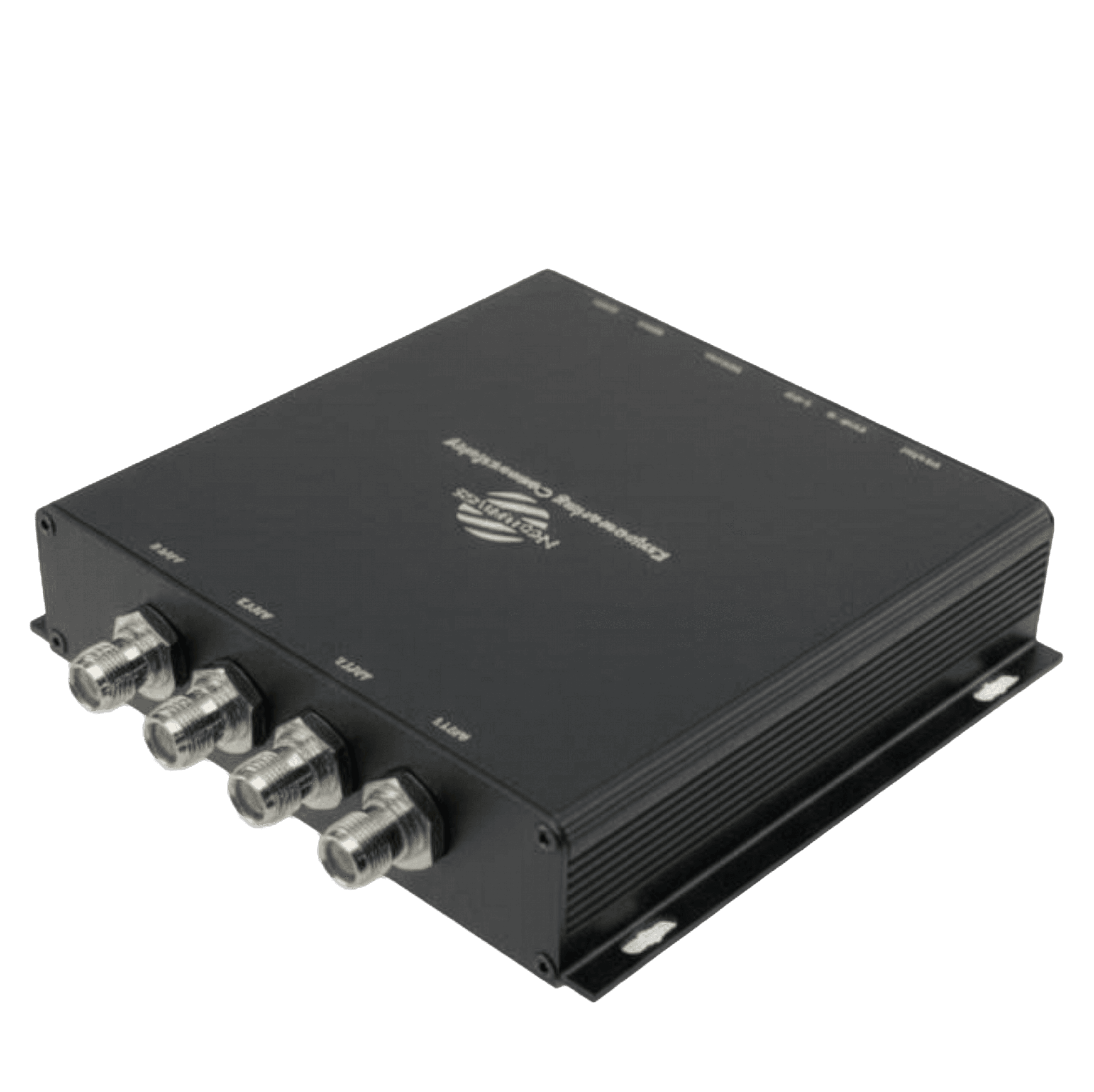
Chainway UR4 bụ ngwaọrụ RFID nke ụlọ ọrụ. Ọ na-arụ ọrụ n'ime oke 865-868 MHz / 920-925 MHz / 902-928 MHz ma na-akwado ụkpụrụ EPC Global UHF C1 Gen 2, ISO 18000-6C, na-eme ka e jiri ya mee ihe n'ọtụtụ ngwa ngwa ngwa ngwa ụlọ ọrụ.

Site na IP rating nke IP53, ọ na-enye nchebe megide ọnọdụ gburugburu ebe obibi dị na ụlọ nkwakọba ihe ma ọ bụ ụlọ azụmaahịa. Onye na-agụ akwụkwọ na-eji PoE (optional), DC maka arụmọrụ na-aga n'ihu, ebe ọnụego ịgụ ya kachasị elu na 1,300+.

Njikọ na Njikọ Netwọk

Na ntinye nke oge a, njikọ netwọk bụ ihe mgbochi kachasị mkpa. Ihe nlereanya a na-enye nhọrọ RS-232, RJ45, PoE (optional) maka ịnyefe data azụ na sistemụ etiti.

Otú ọ dị, nnukwu ihe mgbochi na ngwaike Chainway nketa bụ nnukwu ntụkwasị obi na SDKs nwe (dị ka LLRP) ma ọ bụ dị oké ọnụ ahịa nke atọ IoT middleware iji hazie data tagi raw ka ọ bụrụ ọgụgụ isi azụmahịa bara uru.

Nextwaves Alternative

Ọ bụrụ na ndị otu injinia gị na-enyocha Chainway UR4, Nextwaves NR155 na-enye ihe owuwu igwe ojii dị elu. Usoro nketa na-akpata nnukwu mmefu isi obodo site na mkpọchi onye na-ere ahịa na sistemụ ngwanrọ nke onwe.

Nextwaves na-ewepụ ihe mgbochi a kpamkpam site n'inye ọkọlọtọ MQTT REST API ozugbo na ngwaọrụ ahụ. Ndị mmepe ngwanrọ gị nwere ike itinye ịgụ akara ozugbo n'ime azụ ERP ma ọ bụ WMS omenala gị n'ime ụbọchị kama ọnwa, na-agafe kpamkpam ụgwọ ikike middleware na-eme ugboro ugboro.

Ajụjụ A Na-ajụkarị

Gịnị bụ UR4?

The Chainway UR4 is a 4-port, fixed RFID edge device. Based on Impinj E710 / R2000 chips, it supports EPC Global UHF C1 Gen 2, ISO 18000-6C over the 865-868 MHz / 920-925 MHz / 902-928 MHz frequency bands for high-speed tracking.

Ego ole ka nhazi a na-efu na mbụ?

Hardware costs begin around $600. Keep in mind that a full deployment budget must account for up to 4 antennas, low-loss cables, integration middleware, and setting up the PoE (optional), DC infrastructure.

Gịnị mere m ga-eji họrọ Nextwaves kama?

Nextwaves provides embedded REST API and MQTT endpoints natively on the device. This allows web and software developers to map tag reads directly to REST payloads, bypassing complex legacy C# or Java middleware servers.

Ngwaike ahụ ọ siri ike zuru ezu maka ụlọ nkwakọba ihe?

The unit weighs approximately 0.7 kg and measures 164 x 164 x 39 mm. An IP53 structural rating provides reasonable protection against dust and water spray, suitable for loading docks and covered warehouses.

Ọ na-akwado ọtụtụ ụdị netwọkụ?

Network integration relies on RS-232, RJ45, PoE (optional) ports. RS-232 serial is maintained for legacy programmable logic controller (PLC) connections, while RJ45 manages modern IP traffic.

Ndị otu m nwere ike ịwụnye nke a n'ime ụlọ?

Hardware installation uses standard mounting hole layouts. However, optimizing RF performance requires trained engineers to correctly map the 4 distinct antenna channels to prevent signal overlap and optimize tag orientation capture.

Kedu ka njikwa dịpụrụ adịpụ si arụ ọrụ?

Under optimal test conditions, the internally integrated chip logic is rated to process up to 1,300+ tag reads per second. Real-world speeds vary significantly based on Gen2 memory mapping.

Ọ dị m mkpa ngwanrọ nwe naanị iji mee ya?

In a traditional setup, the RS-232, RJ45, PoE (optional) interfaces transmit binary or low-level hex data. This requires an external application to filter out duplicate tag events before sending the data to cloud storage.

Kedu akwụkwọ ikike na-abịa na ihe ọgụgụ?

The standard warranty covers physical malfunctions for one year. Extended engineering support is recommended for teams unfamiliar with low-level UHF Gen2 memory protocols.

A na-ere antenna iche iche?

You are required to supply external antennas (circular or linear). Selecting the exact gain and polarization over the 865-868 MHz / 920-925 MHz / 902-928 MHz band determines the actual width of your read portal.