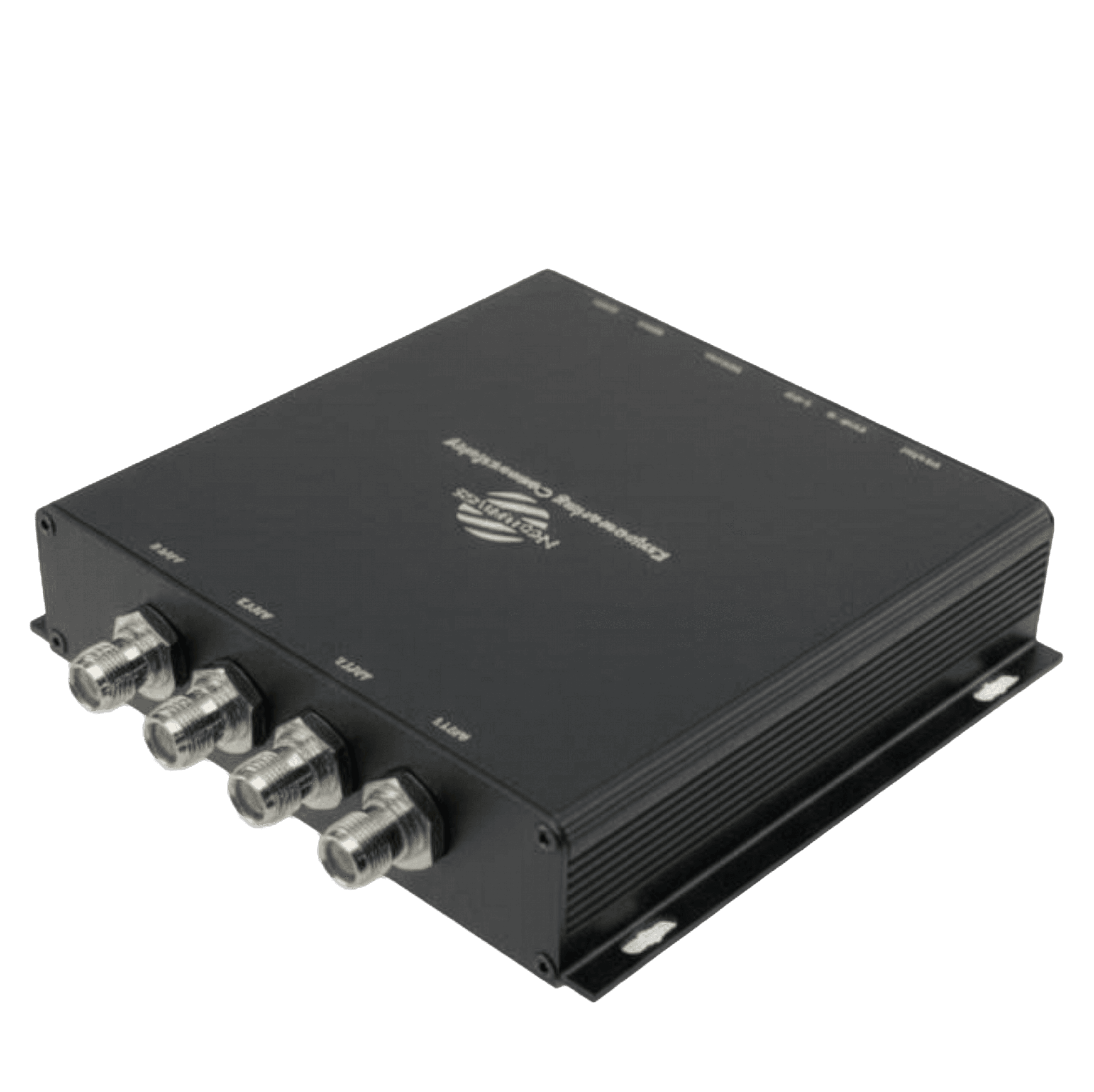
The Chainway Ant-RC12 is an IP66 heavy-duty passive antenna array. Learn how running external coaxial compares to Nextwaves integrated routing solutions.
Nkọwa Nkà na Ụzụ
Nkọwa Hardware
Chainway Ant-RC12 bụ ngwaọrụ RFID nke ụlọ ọrụ. Ọ na-arụ ọrụ n'ime oke 860-960 MHz ma na-akwado ụkpụrụ N/A (Passive Antenna Element), na-eme ka e jiri ya mee ihe n'ọtụtụ ngwa ngwa ngwa ngwa ụlọ ọrụ.
Site na IP rating nke IP66, ọ na-enye nchebe megide ọnọdụ gburugburu ebe obibi dị na ụlọ nkwakọba ihe ma ọ bụ ụlọ azụmaahịa. Onye na-agụ akwụkwọ na-eji N/A (Passive) maka arụmọrụ na-aga n'ihu, ebe ọnụego ịgụ ya kachasị elu na N/A (Passive).
Njikọ na Njikọ Netwọk
Na ntinye nke oge a, njikọ netwọk bụ ihe mgbochi kachasị mkpa. Ihe nlereanya a na-enye nhọrọ N-Type Female maka ịnyefe data azụ na sistemụ etiti.
Otú ọ dị, nnukwu ihe mgbochi na ngwaike Chainway nketa bụ nnukwu ntụkwasị obi na SDKs nwe (dị ka LLRP) ma ọ bụ dị oké ọnụ ahịa nke atọ IoT middleware iji hazie data tagi raw ka ọ bụrụ ọgụgụ isi azụmahịa bara uru.
Nextwaves Alternative
Ọ bụrụ na ndị otu injinia gị na-enyocha Chainway Ant-RC12, Nextwaves NR155 na-enye ihe owuwu igwe ojii dị elu. Usoro nketa na-akpata nnukwu mmefu isi obodo site na mkpọchi onye na-ere ahịa na sistemụ ngwanrọ nke onwe.
Nextwaves na-ewepụ ihe mgbochi a kpamkpam site n'inye ọkọlọtọ MQTT REST API ozugbo na ngwaọrụ ahụ. Ndị mmepe ngwanrọ gị nwere ike itinye ịgụ akara ozugbo n'ime azụ ERP ma ọ bụ WMS omenala gị n'ime ụbọchị kama ọnwa, na-agafe kpamkpam ụgwọ ikike middleware na-eme ugboro ugboro.
Ajụjụ A Na-ajụkarị
Gịnị bụ Ant-RC12?
The Chainway Ant-RC12 is a heavy-duty, circularly polarized passive array. Operable universally across the 860-960 MHz frequency width, it is intended to pair with robust active readers (like the UR4 series) to cover massive parking lot or warehouse distances.
Ego ole ka nhazi a na-efu na mbụ?
Priced near $300, it represents only the broadcast component. Total capital expenditure scales hugely when securing the high-output master interrogators required to drive it, alongside specialized low-attenuation N-Type cabling frameworks.
Gịnị mere m ga-eji họrọ Nextwaves kama?
Constructing expansive long-range gates via passive plates strictly mandates precise external RF balancing across thick rigid cables. Nextwaves mitigates this entirely by consolidating the high-gain beam array into the active gateway processor, allowing simple Ethernet routing.
Ngwaike ahụ ọ siri ike zuru ezu maka ụlọ nkwakọba ihe?
Weighing a massive 3.5 kg and spanning 450 x 450 x 30 mm, its heavy gauge framing easily achieves IP66 sealing. It comfortably absorbs extreme outdoor environments, driving rain, and intense industrial impacts without degradation.
Ọ na-akwado ọtụtụ ụdị netwọkụ?
It completely lacks native Bluetooth or IP processing routing. Energy flow dictates screwing thick shielded Coaxial cables into its N-Type Female port terminating at an active network reader.
Ndị otu m nwere ike ịwụnye nke a n'ime ụlọ?
Due to its 3.5 kg bulk, structural pole-mounting utilizing heavy U-bolts is mandatory. IT infrastructure engineers must employ Vector Network Analyzers to fine-tune active master outputs against the line-loss dropping across the N-Type coaxial runs.
Kedu ka njikwa dịpụrụ adịpụ si arụ ọrụ?
Lacking localized data state handling, it is scored N/A (Passive). The volume of tags processed strictly anchors to the silicon processing capabilities of the upstream reader box sweeping the signal array.
Ọ dị m mkpa ngwanrọ nwe naanị iji mee ya?
There are zero internal IP stacks to program towards. Network engineers push JSON/MQTT endpoints exclusively on the external UR4 (or equivalent) node directing the electrical pulse sequence.
Kedu akwụkwọ ikike na-abịa na ihe ọgụgụ?
As a sealed passive radome, manufacturing defect warranties extend typically for a year. With no delicate microprocessors inside, the massive metal patch ensures multi-decade survival against intense outdoor elements.
A na-ere antenna iche iche?
Projecting an overwhelmingly powerful 12 dBi output, this circular beam successfully blasts through dense metallic reflections across the 860-960 MHz band, securing long-range vehicular and deep pallet reads.