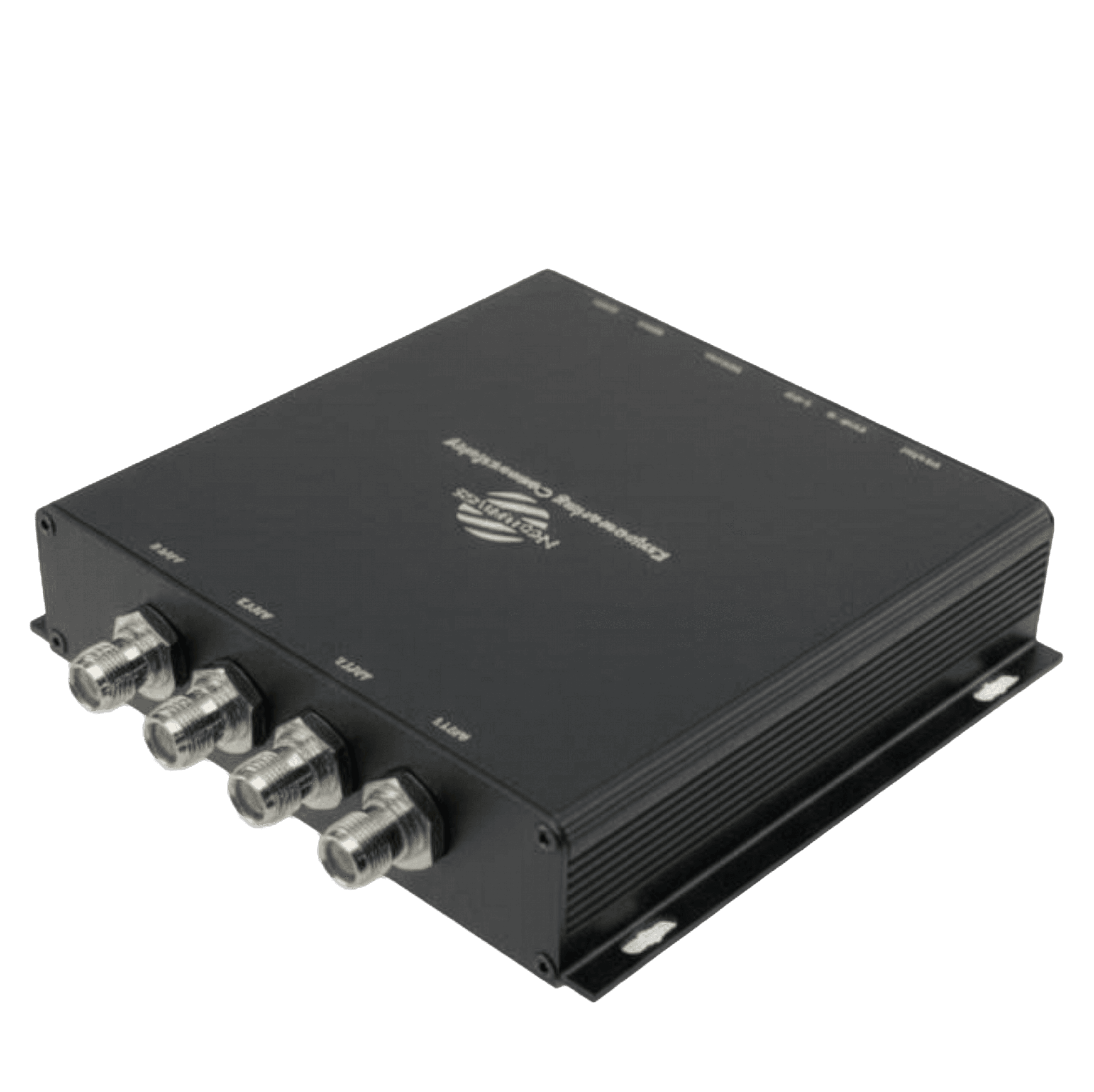
The CAEN Slate3 is an ultra-flat $400 checkout pad for retail environments. Analyze its USB-C constraints compared to Nextwaves wireless IoT designs.
Nkọwa Nkà na Ụzụ
Nkọwa Hardware
CAEN RFID Slate3 (R1353I) bụ ngwaọrụ RFID nke ụlọ ọrụ. Ọ na-arụ ọrụ n'ime oke 865-868 MHz (ETSI) / 902-928 MHz (FCC) ma na-akwado ụkpụrụ EPC C1 G2, ISO 18000-63, na-eme ka e jiri ya mee ihe n'ọtụtụ ngwa ngwa ngwa ngwa ụlọ ọrụ.
Site na IP rating nke IP30 indoor rating, ọ na-enye nchebe megide ọnọdụ gburugburu ebe obibi dị na ụlọ nkwakọba ihe ma ọ bụ ụlọ azụmaahịa. Onye na-agụ akwụkwọ na-eji USB Bus Power maka arụmọrụ na-aga n'ihu, ebe ọnụego ịgụ ya kachasị elu na standard read rates.
Njikọ na Njikọ Netwọk
Na ntinye nke oge a, njikọ netwọk bụ ihe mgbochi kachasị mkpa. Ihe nlereanya a na-enye nhọrọ USB Type-C maka ịnyefe data azụ na sistemụ etiti.
Otú ọ dị, nnukwu ihe mgbochi na ngwaike CAEN RFID nketa bụ nnukwu ntụkwasị obi na SDKs nwe (dị ka LLRP) ma ọ bụ dị oké ọnụ ahịa nke atọ IoT middleware iji hazie data tagi raw ka ọ bụrụ ọgụgụ isi azụmahịa bara uru.
Nextwaves Alternative
Ọ bụrụ na ndị otu injinia gị na-enyocha CAEN RFID Slate3 (R1353I), Nextwaves NR155 na-enye ihe owuwu igwe ojii dị elu. Usoro nketa na-akpata nnukwu mmefu isi obodo site na mkpọchi onye na-ere ahịa na sistemụ ngwanrọ nke onwe.
Nextwaves na-ewepụ ihe mgbochi a kpamkpam site n'inye ọkọlọtọ MQTT REST API ozugbo na ngwaọrụ ahụ. Ndị mmepe ngwanrọ gị nwere ike itinye ịgụ akara ozugbo n'ime azụ ERP ma ọ bụ WMS omenala gị n'ime ụbọchị kama ọnwa, na-agafe kpamkpam ụgwọ ikike middleware na-eme ugboro ugboro.
Ajụjụ A Na-ajụkarị
Gịnị bụ Slate3 (R1353I)?
The CAEN RFID Slate3 (R1353I) is a low-profile desktop UHF RFID scanning mat. Engineered to decode EPC C1 G2, ISO 18000-63 labels across 865-868 MHz (ETSI) / 902-928 MHz (FCC) bandwidths, it is primarily used at retail cash registers to tag apparel.
Ego ole ka nhazi a na-efu na mbụ?
Typical pricing sits around $400. Due to its desktop POS orientation, integrators do not need separate external antennas. Power is drawn exclusively through its USB Bus Power connection to a standard PC.
Gịnị mere m ga-eji họrọ Nextwaves kama?
Nextwaves hardware features localized wireless nodes running native MQTT protocols. Nextwaves processors seamlessly route event data directly to your ERP, cutting out the requirement to install intermediate polling software on your POS tills.
Ngwaike ahụ ọ siri ike zuru ezu maka ụlọ nkwakọba ihe?
The slimline pad weighs 275 g and boasts dimensions of 220 x 140 x 17 mm. Rated strictly to an IP30 indoor rating, the reader is built for clean retail checkout desks and offers zero protection against heavy factory environments.
Ọ na-akwado ọtụtụ ụdị netwọkụ?
Networking operates strictly over a wired USB Type-C connection. The hardware contains zero routing logic; all enterprise security firewalls and traffic monitoring occur within the OS of the attached checkout computer.
Ndị otu m nwere ike ịwụnye nke a n'ime ụlọ?
Integration paths require utilizing the CAEN API SDKs on your host Windows/Linux POS system. Programming teams must write localized software routines to instruct the pad to burst RF power and read returned identifier arrays.
Kedu ka njikwa dịpụrụ adịpụ si arụ ọrụ?
The embedded read logic operates at standard read rates suited for capturing piles of folded apparel resting directly on the scanner surface. Management settings are localized entirely to the connected physical PC.
Ọ dị m mkpa ngwanrọ nwe naanị iji mee ya?
Since data pushes through a USB Type-C interface, software engineers are responsible for building applications that translate the incoming UART serial stream into logical formats sent into central cloud databases.
Kedu akwụkwọ ikike na-abịa na ihe ọgụgụ?
The product usually ships with an industry-standard 12-month defect warranty. Given the fragile nature of low-profile plastics on retail desks, specialized accidental protection coverage is frequently recommended.
A na-ere antenna iche iche?
Its chassis integrates an ultra-flat antenna engineered for 865-868 MHz (ETSI) / 902-928 MHz (FCC) bands. The near-field focus ensures the RF cloud remains within a strict 6-inch vertical bubble above the pad.