Alien Technology ALR-9680 Nyocha: Nkọwa na Nhọrọ

Nextwaves Engineering··Nyocha Ngwaike·3 min gụọ

The ALR-9680 is a 4-port commercial EPC Gen 2 reader priced around $800. Review its specifications, LAN interfaces, and Nextwaves alternatives.

Nkọwa Nkà na Ụzụ

Ugboro902.75-927.25 MHz (FCC) / 865.7-867.5 MHz (ETSI)
UsoroEPC Gen 2, ISO 18000-6C
NjikoLAN TCP/IP, RS-232
Ntụle IPN/A
Akụkụ18.41 x 24.13 x 3.17 cm
Ibu0.91 kg
Ike ọkọnọ24 VDC or PoE (802.3af)
Ọnụego ỊgụN/A
Ọnụahịa Atụmatụ$800

Nkọwa Hardware

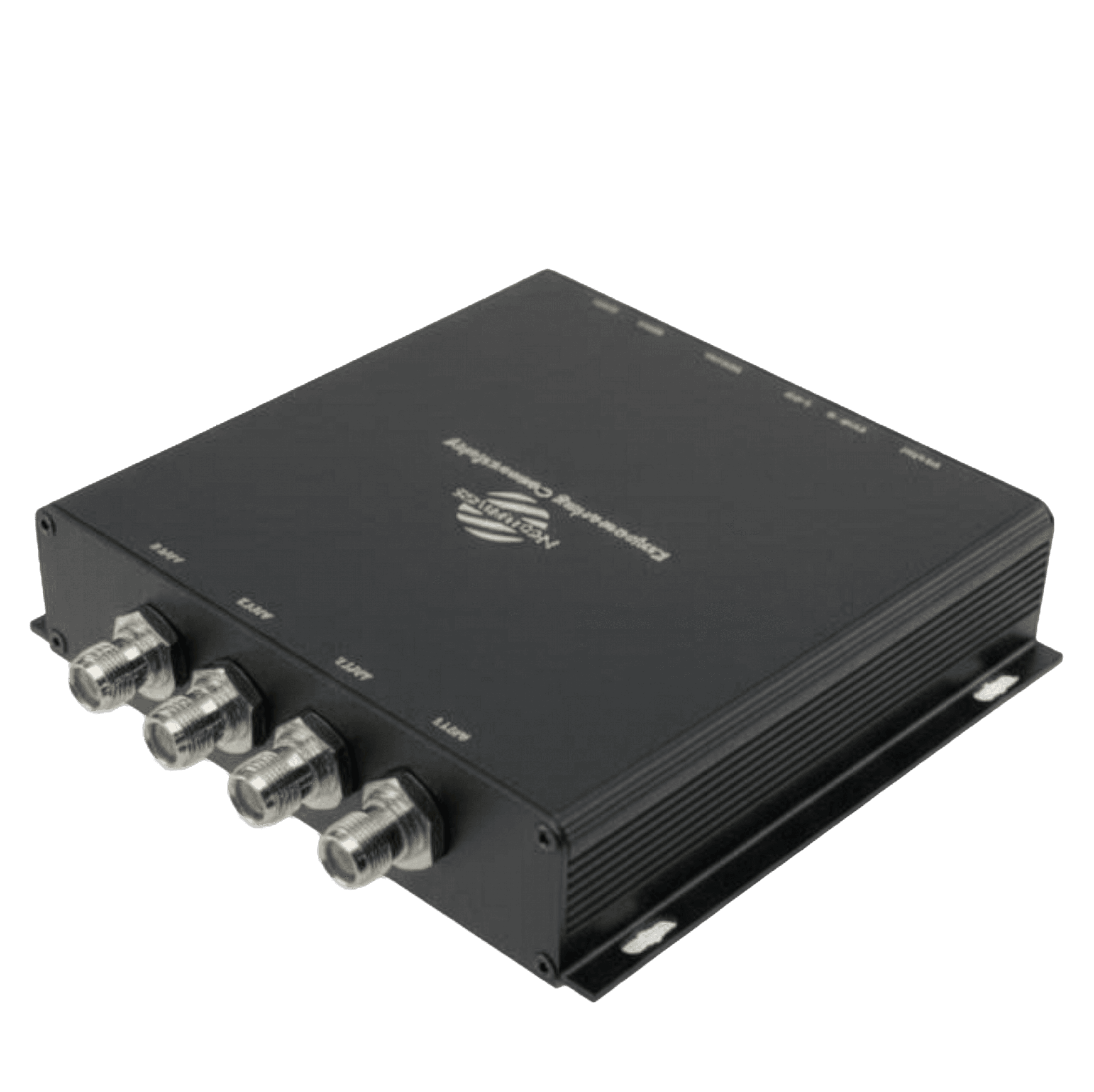
Alien Technology ALR-9680 bụ ngwaọrụ RFID nke ụlọ ọrụ. Ọ na-arụ ọrụ n'ime oke 902.75-927.25 MHz (FCC) / 865.7-867.5 MHz (ETSI) ma na-akwado ụkpụrụ EPC Gen 2, ISO 18000-6C, na-eme ka e jiri ya mee ihe n'ọtụtụ ngwa ngwa ngwa ngwa ụlọ ọrụ.

Site na IP rating nke N/A, ọ na-enye nchebe megide ọnọdụ gburugburu ebe obibi dị na ụlọ nkwakọba ihe ma ọ bụ ụlọ azụmaahịa. Onye na-agụ akwụkwọ na-eji 24 VDC or PoE (802.3af) maka arụmọrụ na-aga n'ihu, ebe ọnụego ịgụ ya kachasị elu na N/A.

Njikọ na Njikọ Netwọk

Na ntinye nke oge a, njikọ netwọk bụ ihe mgbochi kachasị mkpa. Ihe nlereanya a na-enye nhọrọ LAN TCP/IP, RS-232 maka ịnyefe data azụ na sistemụ etiti.

Otú ọ dị, nnukwu ihe mgbochi na ngwaike Alien Technology nketa bụ nnukwu ntụkwasị obi na SDKs nwe (dị ka LLRP) ma ọ bụ dị oké ọnụ ahịa nke atọ IoT middleware iji hazie data tagi raw ka ọ bụrụ ọgụgụ isi azụmahịa bara uru.

Nextwaves Alternative

Ọ bụrụ na ndị otu injinia gị na-enyocha Alien Technology ALR-9680, Nextwaves NR155 na-enye ihe owuwu igwe ojii dị elu. Usoro nketa na-akpata nnukwu mmefu isi obodo site na mkpọchi onye na-ere ahịa na sistemụ ngwanrọ nke onwe.

Nextwaves na-ewepụ ihe mgbochi a kpamkpam site n'inye ọkọlọtọ MQTT REST API ozugbo na ngwaọrụ ahụ. Ndị mmepe ngwanrọ gị nwere ike itinye ịgụ akara ozugbo n'ime azụ ERP ma ọ bụ WMS omenala gị n'ime ụbọchị kama ọnwa, na-agafe kpamkpam ụgwọ ikike middleware na-eme ugboro ugboro.

Ajụjụ A Na-ajụkarị

Gịnị bụ ALR-9680?

The Alien Technology ALR-9680 is a straightforward commercial-grade RFID reader possessing 4 antenna ports. Operating on the 902.75-927.25 MHz (FCC) / 865.7-867.5 MHz (ETSI) frequency band, it conforms to the EPC Gen 2, ISO 18000-6C standard.

Ego ole ka nhazi a na-efu na mbụ?

The base reader is typically priced around $800. Deployment budgets must factor in the cost of up to 4 external antennas, RF cabling, and the required 24 VDC or PoE (802.3af) networking equipment.

Gịnị mere m ga-eji họrọ Nextwaves kama?

Nextwaves provides embedded REST API and MQTT endpoints natively on the device. This allows software engineering teams to bypass expensive third-party IoT middleware and integrate RFID data directly into modern ERPs or custom web backends.

Ngwaike ahụ ọ siri ike zuru ezu maka ụlọ nkwakọba ihe?

The device weighs approximately 0.91 kg and measures 18.41 x 24.13 x 3.17 cm. Its rating (N/A) indicates it is primarily designed for standard temperature-controlled warehouses or retail backrooms.

Ọ na-akwado ọtụtụ ụdị netwọkụ?

Network integration is handled via standard LAN TCP/IP, RS-232 interfaces, allowing it to drop into existing corporate networks. Dedicated IoT VLANs are often recommended for hardware endpoints.

Ndị otu m nwere ike ịwụnye nke a n'ime ụlọ?

Physical mounting utilizes standard wall-mount patterns. However, optimizing RF performance requires trained technicians to properly tune the reader's transmission output according to your specific environment and tag orientation.

Kedu ka njikwa dịpụrụ adịpụ si arụ ọrụ?

Remote management is generally handled through the standard EPCglobal LLRP interface or Alien's proprietary Windows utilities.

Ọ dị m mkpa ngwanrọ nwe naanị iji mee ya?

Most legacy deployments require an intermediate middleware server to feed raw data from the LAN TCP/IP, RS-232 ports into modern web applications via HTTP or websockets. This adds system complexity.

Kedu akwụkwọ ikike na-abịa na ihe ọgụgụ?

The manufacturer typically provides a standard one-year hardware warranty. Extended support contracts are generally available for purchase through your hardware VAD (Value Added Distributor).

A na-ere antenna iche iche?

The ALR-9680 requires external antennas. Tuning antenna placement across the 902.75-927.25 MHz (FCC) / 865.7-867.5 MHz (ETSI) spectrum is critical to achieving a reliable read field.