
ब्लॉग
नवीनतम समाचार और अंतर्दृष्टि।

RFID RTLS बनाम Bluetooth Beacons: सही ट्रैकिंग टेक्नोलॉजी का चुनावजैसे-जैसे संस्थाएं 2025 की ओर देख रही हैं, एक सही एसेट ट्रैकिंग सोल्यूशन चुनने के लिए कीमत और परफॉरमेंस दोनों के मामले में RFID RTLS और Bluetooth beacons के बीच के अंतर का रणनीतिक मूल्यांकन करना ज़रूरी है। हालांकि UWB जैसी उभरती तकनीकें हाई-प्रिसिजन विकल्प देती हैं, लेकिन अपनी फैसिलिटी की ऑपरेशनल विजिबिलिटी और लॉन्ग-टर्म ROI को बेहतर बनाने के लिए ट्रेडिशनल RFID RTLS और bluetooth कनेक्टिविटी के बीच के बुनियादी कार्यात्मक अंतर को समझना आवश्यक है।और पढ़ें
UHF RFID IC तुलना: Performance, Pricing, और Sourcing गाइडसही UHF RFID Integrated Circuit चुनना आपके सिस्टम की एफिशिएंसी तय करता है। आपको अपनी खास जरूरतों के हिसाब से Impinj M800, NXP UCODE 9 और Alien Higgs-9 को इवैल्यूएट करना होगा। 2025 के मार्केट में इन्हीं चिप्स का दबदबा है।और पढ़ें
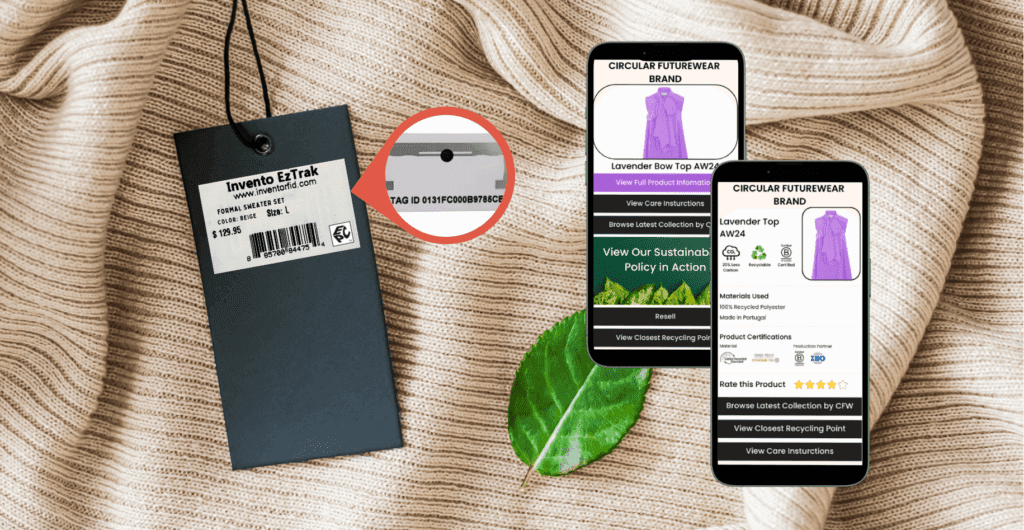
2027 EU Digital Product Passport में महारत: एक्सपोर्टर्स के लिए कंप्लायंस के लिए RAIN RFID क्यों एक ज़रूरी टूल हैयूरोपीय संघ (European Union) ने 2027 तक Digital Product Passport का पालन करना अनिवार्य कर दिया है। आपको मटेरियल कंपोजिशन और प्रोडक्ट सर्कुलरिटी का डेटा देना होगा। RAIN RFID टेक्नोलॉजी आपकी सप्लाई चेन में डेटा कलेक्शन को ऑटोमेट करती है।और पढ़ें
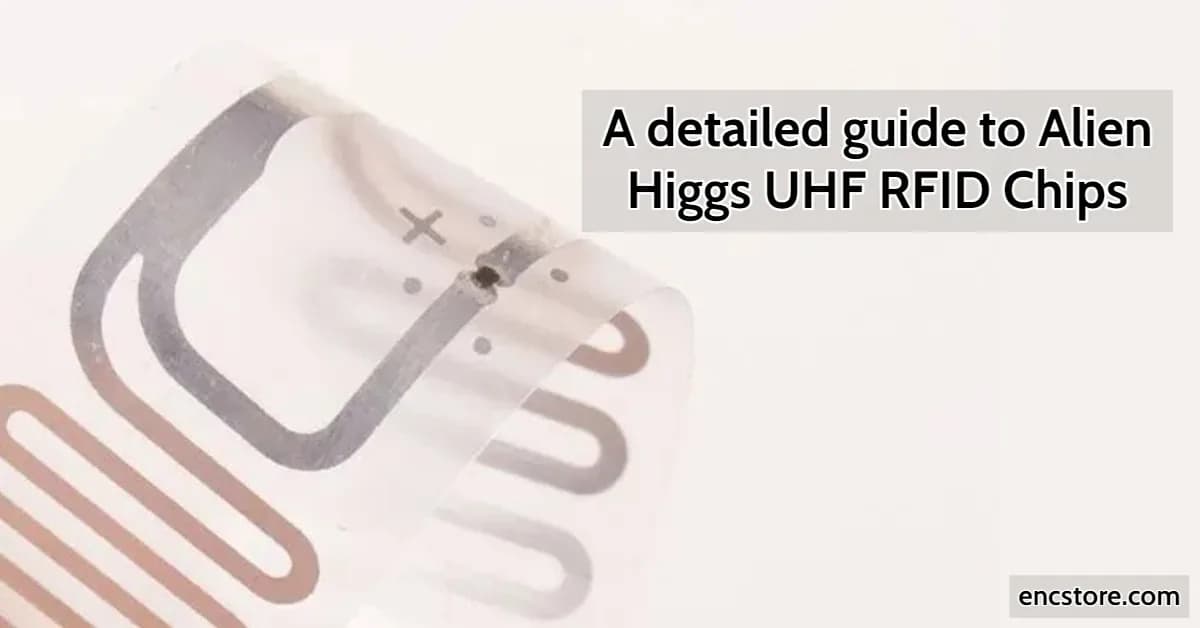
Alien Higgs 10 (H10) Review: UHF RFID का नया Value King?Alien Technology हाई-वॉल्यूम RFID लेबल्स के लिए Higgs 10 चिप ऑफर करता है। यह चिप -23.5 dBm की read sensitivity देती है। इसकी परफॉरमेंस Impinj M700 और NXP UCODE 9 सीरीज के बराबर है। इसमें आपको EPC और यूजर डेटा के लिए 448 bits की मेमोरी मिलती है। H10 मैन्युफैक्चरिंग कॉस्ट को पंद्रह परसेंट तक कम कर देता है।और पढ़ें
Quanray Qstar 7U vs. NXP Ucode 9 और Impinj M800: RFID चिप की सबसे बेहतरीन तुलनासही RFID chip चुनना आपके सिस्टम की read range, accuracy और ओवरऑल performance तय करता है। मार्केट में तीन मुख्य ऑप्शंस सबसे ज्यादा चलते हैं: Quanray Qstar 7U, NXP UCODE 9 और Impinj M800। ये तीनों logistics और retail के कामों के लिए अपने-अपने खास फायदे देते हैं।और पढ़ें

बारकोड से आगे: हॉस्पिटल एसेट ट्रैकिंग और पेशेंट सेफ्टी के लिए RFID लागू करने की एक गाइडअस्पतालों से रोज़ाना ज़रूरी उपकरण खो जाते हैं। Infusion pumps, wheelchairs और diagnostic tools अक्सर स्टोरेज रूम, गलियारों या दूसरे विभागों में गायब हो जाते हैं। स्टाफ मरीज़ों का इलाज करने के बजाय घंटों उन्हें ढूंढने में बिता देता है। पुराने barcode systems में मैन्युअल स्कैनिंग और सामने से दिखने की ज़रूरत होती है, जिससे एसेट की लोकेशन का सही डेटा नहीं मिल पाता। [rfidlabel.com](https://www.rfidlabel.com/the-end-of-lost-equipment-latest-news-on-rfid-for-real-time-hospital-asset-visibility/) के अनुसार, इन्वेंट्री की सटीकता अक्सर केवल 65% के आसपास ही रहती है।और पढ़ें