
Blog
Engineering notes, deployment guides, and field stories on RFID, antennas, inlays, and inventory systems for manufacturing, logistics, and retail.

RFID in Fashion: Uses, Where to Put the Tag, Costs and RolloutRFID lets a fashion shop count 3,000 items in about 15 minutes. Uses in stores, online stockrooms and fabric warehouses, tag placement, costs and rollout.Read more
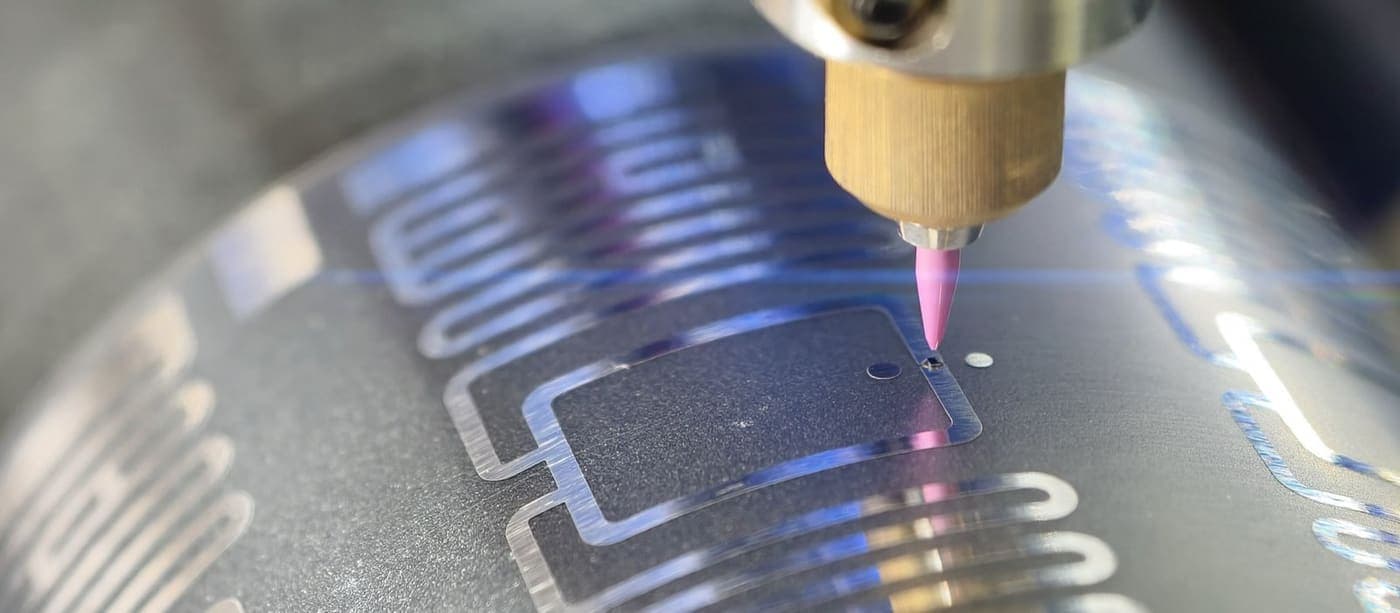
What Is RFID? How It Works, Frequencies, EPC and Choosing a Kit by IndustryRFID identifies objects by radio, reading a chip without line of sight. How passive tags work, LF vs HF vs UHF, the EPC standard and how to pick a kit.Read more
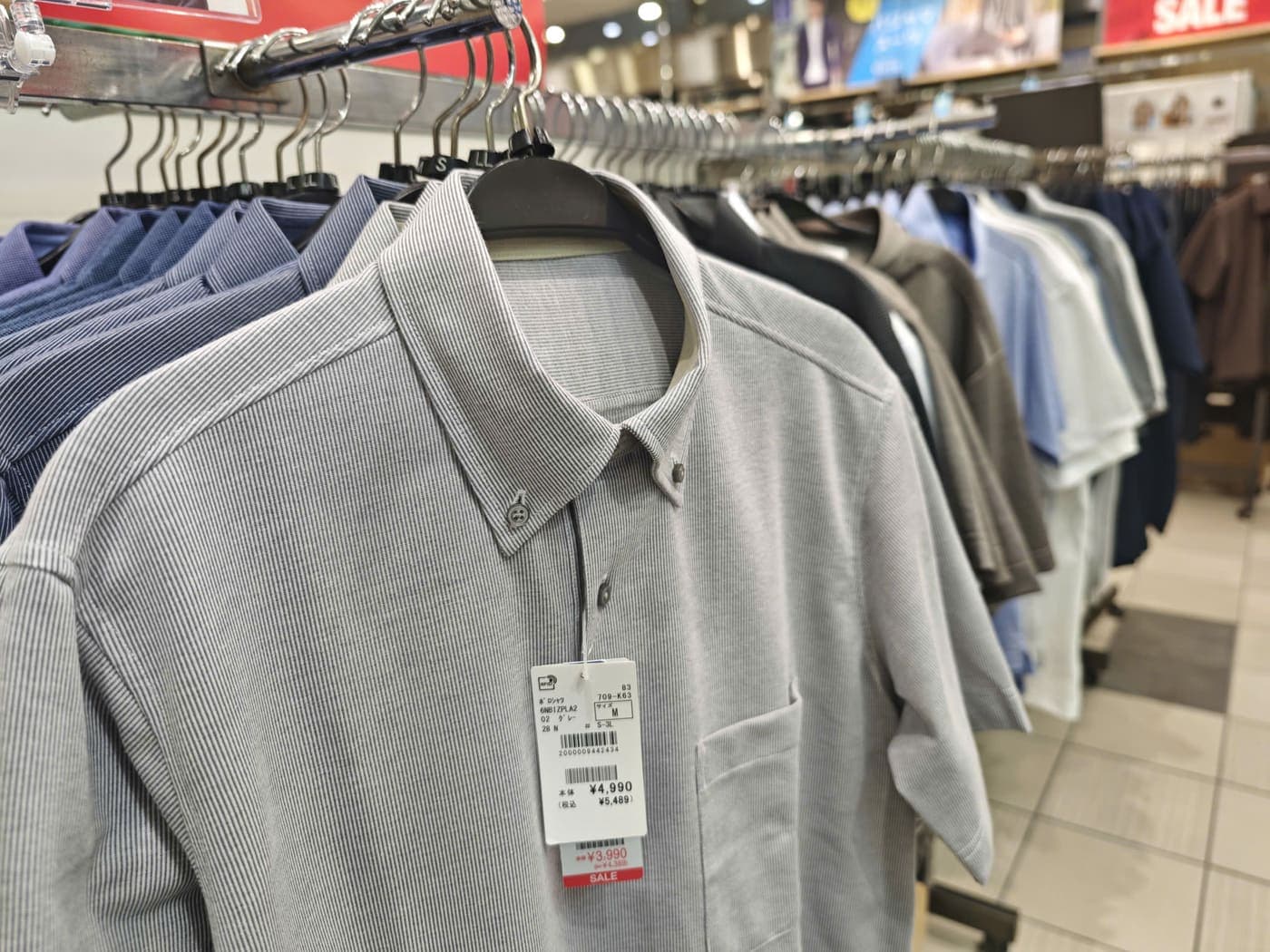
Deploy RFID end-to-end: A 5-step process, real-world costs, and Nextwaves' Starter KitMost businesses do not fail with RFID because of the technology. They fail because of how it is implemented: buying equipment before understanding the problem, skipping the pilot testing phase, or choosing the wrong type of tag for the product materials. And there is another barrier that makes many businesses hesitate: no one states clearly what the cost will be.Read more
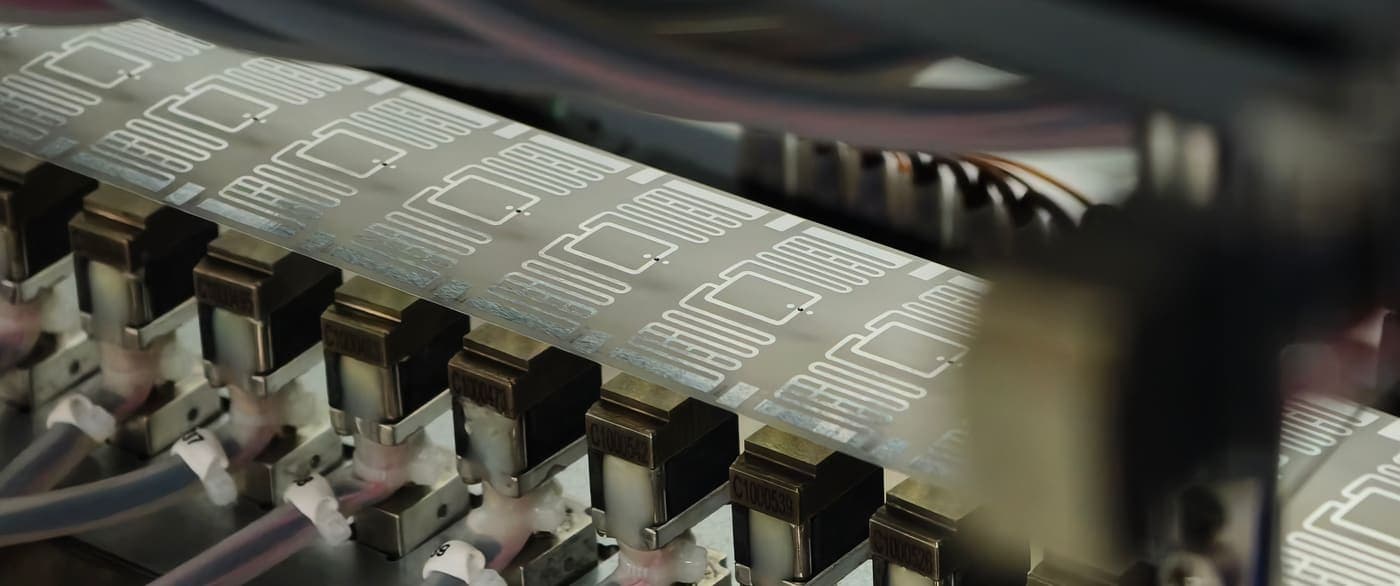
UHF RFID price from 700 VND, manufactured in VietnamNextwaves manufactures UHF RFID tags in Ho Chi Minh City, with prices starting from 700 VND per tag. EPC Gen2 standard tags, RAIN RFID, for warehouses, retail, asset management, and loss prevention.Read more
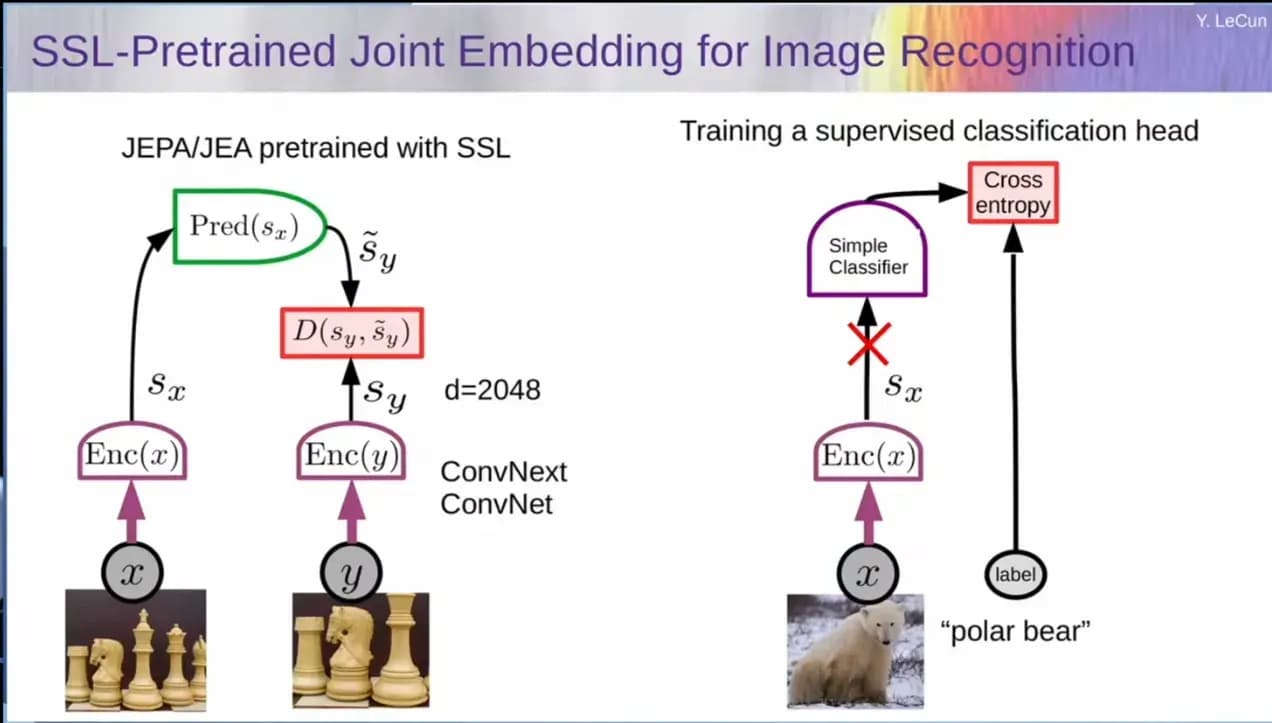
Joint Embedding Predictive Architecture (JEPA): A Complete, In-Depth GuideA Joint Embedding Predictive Architecture (JEPA) is a self-supervised learning method that predicts the abstract representation of part of an input from the representation of another part, instead of reconstructing the raw data. By predicting meaning rather than pixels, it can ignore unpredictable detail and focus on the structure that matters. Yann LeCun proposed it in 2022 as a step toward AI that builds an internal model of the world.Read more

RFID vs Barcode: You Are Probably Asking the Wrong QuestionWalk into most conversations about inventory technology and the question gets framed the same way: "Should we upgrade from barcodes to RFID?" It sounds reasonable, and it is the wrong question. The word "upgrade" assumes the two sit on a single ladder, where one is older and worse and the other is newer and better. They do not. A barcode is built for line-of-sight identification, where you point a scanner at one label and read it. RFID is built for bulk counting without line of sight, where you wave a reader near a pile of tagged items and read all of them at once. Asking which one to upgrade to is a little like asking whether you should replace your hammer with a screwdriver. The better question is simpler: which problem are you trying to solve, and where?Read more

Agentic Engineering vs Vibe CodingThere is a quiet argument running through every team that builds with AI right now, and it usually shows up as a feeling rather than a debate. One person ships a working app in an afternoon by describing what they want and accepting whatever the model produces.Read more

Agentic Engineering: Building AI Systems That ActFor the past few years, most of us have related to language models the way we relate to a very well read colleague. You ask a question, you get an answer, and what happens next is up to you. That way of working is quietly being replaced. Read more

Nextwaves Brings the Retail Kit RFID to Tokyo for the Vietnam - Japan Incubation Program 2026
On June 30, 2026, Nextwaves will take the stage in Tokyo as one of twelve promising Vietnamese startups selected for the Vietnam - Japan Incubation Program 2026. The session runs from 1:00 PM to 5:00 PM at Tokyo Innovation Base (TIB), with free admission, and is organized together with innolab and 0→1Booster.Read more
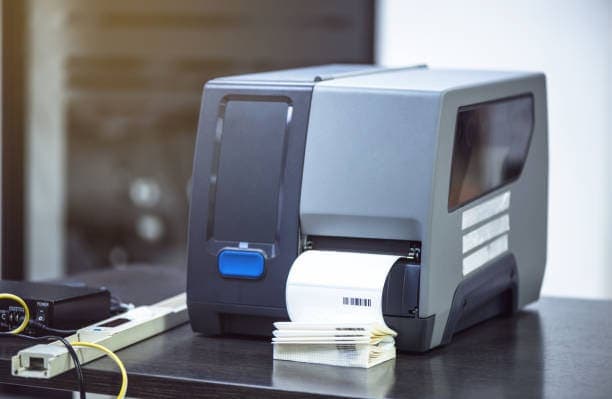
Do I need to buy an RFID printer to use RFID?To deploy it, is it mandatory to invest in an RFID printer? RFID printers are often far from cheap, so this concern is entirely reasonable, especially for organizations that are new to the technology.Read more
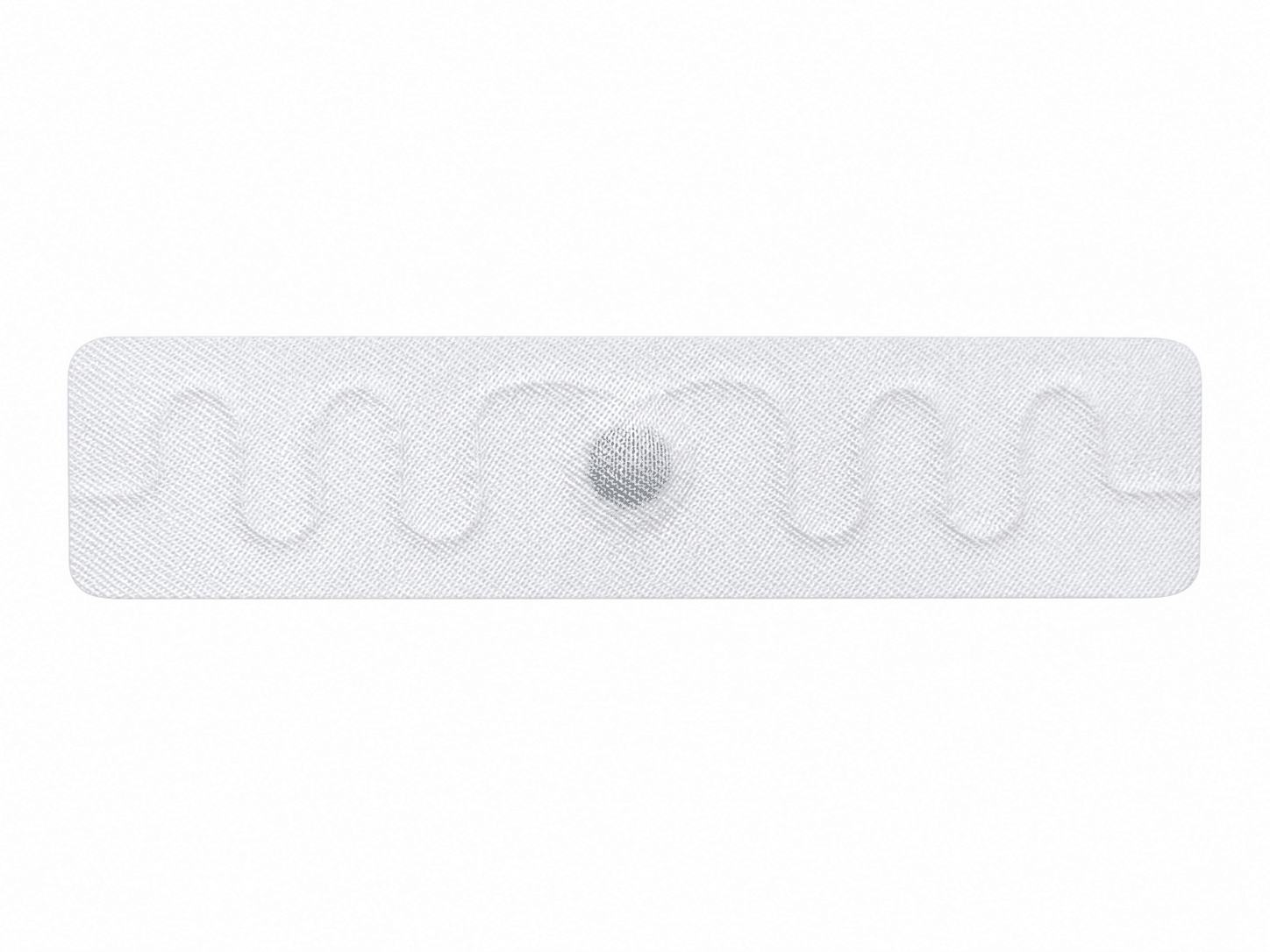
Why a Laundry Tag Is the Smallest Piece of Your Biggest Operational Problem
Every hotel, hospital, and industrial laundry runs on linen it cannot fully see. Sheets, towels, gowns, uniforms, and tablecloths move through wash, dry, press, sort, and delivery cycles every single day, often across multiple sites.Read more
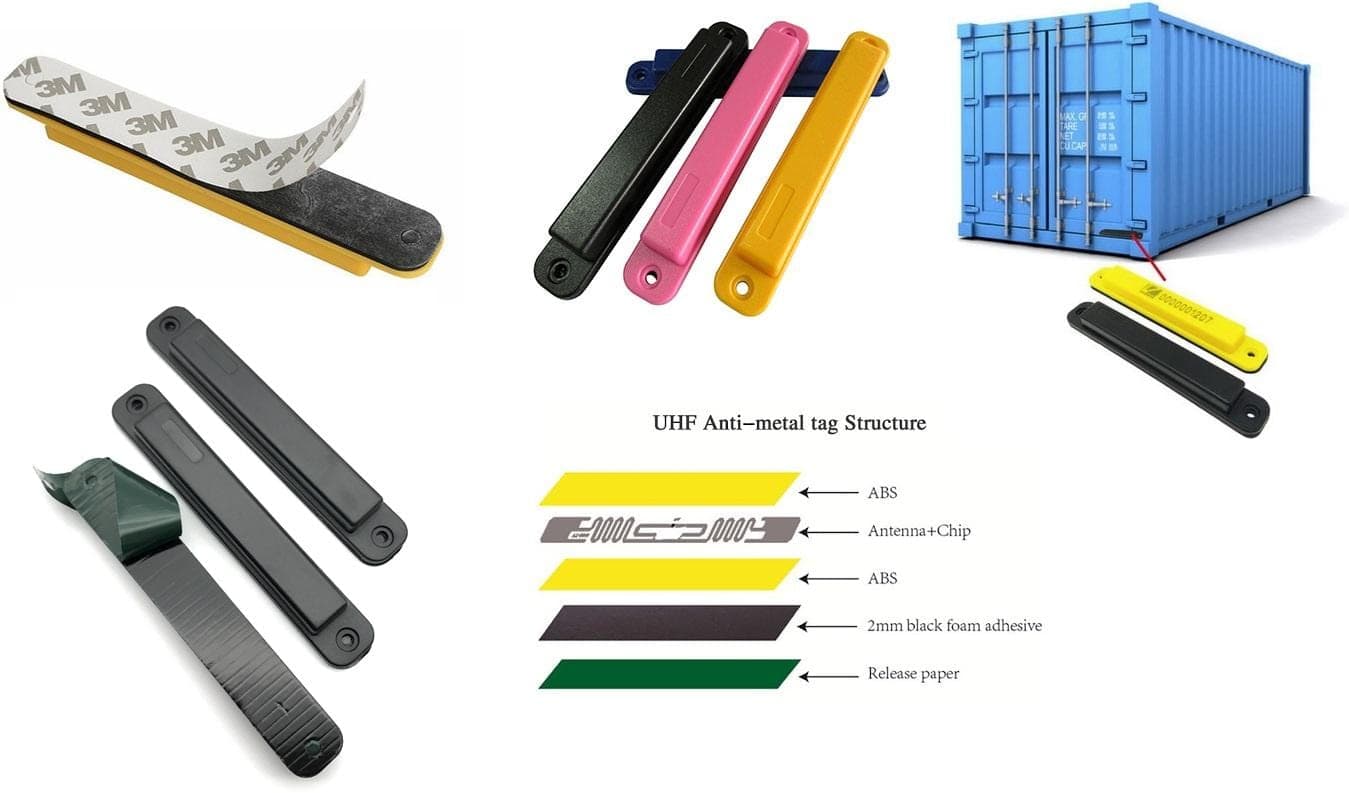
Maximizing Asset Visibility: The Ultimate Guide to Anti-Metal UHF RFID TagsFor modern industrial operations, achieving complete tracking accuracy is often hindered by the signal-reflecting nature of metallic equipment and infrastructure. Fortunately, deploying specialized anti-metal UHF RFID tags allows businesses to overcome these harsh environmental challenges and maintain continuous, reliable data streams. Dive into this ultimate guide from Nextwaves Industries to discover how you can implement these robust solutions and begin maximizing asset visibility across your most demanding workspaces.Read more