Ukubonakala Kwezinto Ezisohlwini Lwezitolo
Inkathi Yokubonakala Okuphelele

Yeka ukulahlekelwa ukuthengisa ku-phantom inventory. Yazi kahle ukuthi unani, ukuthi kuphi, njalo ngehora ngalinye losuku.

100%
Ukunemba Kwempahla Okufinyelelwe
Ukuzihlola wena uqobo
Izindawo zokulahla ezenziwe ngomshini ezingenkinga
Kuqedwe
Ukungabi khona kwempahla ezitolo
Inkinga

Inkinga Yokuhlanekezelwa Kwezinto

For over fifty years, the Universal Product Code (UPC) barcode has been the backbone of retail. It standardized commerce, allowed for scanning at the register, and enabled the first generation of computerized inventory management. But the barcode has a fatal flaw: it is blind. It requires line-of-sight, it requires manual intervention, and it cannot distinguish between two identical items. This limitation has led to a global crisis known as 'Inventory Distortion' - a trillion-dollar problem where retailers simply do not know what they have.

In the modern omnichannel era, this blindness is existential. When a customer orders an item online for pickup in-store (BOPIS), the system checks the inventory database. The database says 'Quantity: 1'. But is it there? Is it in the backroom? Is it in a fitting room? Has it been stolen? Or was it sold yesterday and the database didn't update?

The result is a fragile supply chain buffered by 'safety stock' - excess inventory bought just to cover up the inaccuracies of the data. Retailers are drowning in inventory they can't sell, while losing sales on items they strictly 'have' but cannot find. The manual cycle count - the traditional remedy - is too slow, too expensive, and too error-prone to solve this. The industry needs a paradigm shift from 'scanning' to 'sensing'.

Amaphuzu Obuhlungu Abalulekile

I-Phantom Inventory

Ukuchezuka kwedatha kuhilela ukuhlukaniswa kancane kancane kweqiniso elibonakalayo kumarekhodi edijithali. 'I-Phantom Inventory' yenzeka lapho amasistimu ekhombisa isitoko esingekho, okuholela ekukhanselweni kwama-oda e-BOPIS angama-22% futhi kubhubhise ukwethembeka kwamakhasimende.

Ukusetshenziswa Kwabasebenzi

Esitolo esingena-RFID, abasebenzi bachitha ama-20-30% esikhathi sabo befuna imikhiqizo noma benza ukubalwa ngesandla. Lokhu kuyizindleko eziphezulu zabasebenzi eziqondiswe kwenye into eyinhloko: ukunakekelwa kwamakhasimende nokuthengisa.

Ukuncipha Nezimakethe Ezimpunga

Ngaphandle kobunikazi obulandelanayo (EPC), into ebiwe 'imane iyisishiyagalolunye'. Abadayisi abakwazi ukulandelela amaphethini obugebengu obuhleliwe bokudayisa (ORC) noma ukukhomba ukuthi ngabe izimpahla ezibuyisiwe ziyizimpahla eziqanjiwe ezithengwe ezimakethe ezingahlelekile.


Indlela Yethu

I-Digital Twin Architecture

I-Digital Twin Architecture

Nextwaves implements a 'Source-to-Store' architecture based on the EPC Gen2 V2 standard. It begins not at the store, but at the point of manufacture. By embedding a passive UHF RFID inlay into the care label or price ticket at the factory, we give every unique item a digital soul - a serialized Electronic Product Code (EPC).

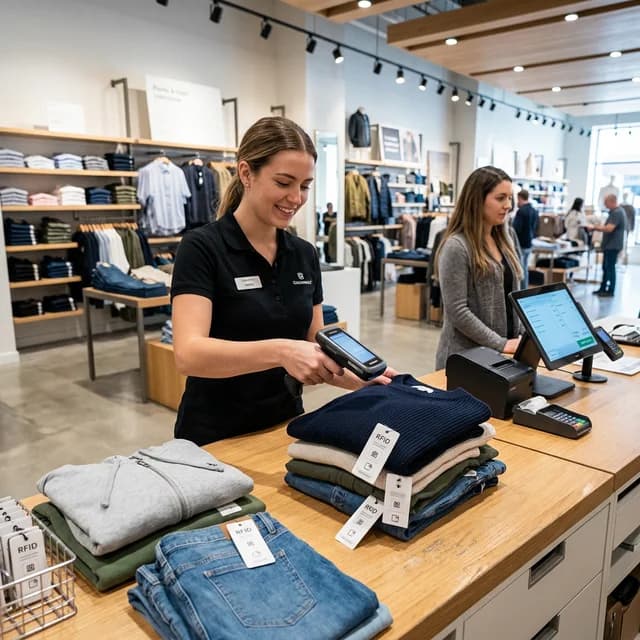
As these items travel through the supply chain, they pass through 'Read Points' - tunnel readers at distribution centers, overhead arrays in staging areas, and eventually, handheld sweeps in the retail store. Unlike barcodes, these scanners use radio waves to energize the tags, allowing them to read hundreds of items per second without visual contact.

This creates a real-time 'Digital Twin' of the inventory. When a shipment arrives at the store, it isn't manually counted; it is verified instantly. When a customer tries on a shirt, a smart fitting room detects it. When an item leaves the store, the EAS gates update the inventory instantly. We move from 'Inventory Estimation' to 'Inventory Certainty'.

Okutholayo

I-ROI Eyingqayizivele Nomthelela

01

Ukunemba okungu-99.9%

Finyelela ukuzethemba okuphelele kwempahla. Nika amandla 'Atholakala Ukuze Uthenjiswe' (ATP) nge-e-commerce ngaphandle kwesitoko se-buffer.

02

Ukwenyuka Kokuguqulwa

Idatha yezindiza ikhombisa ukwanda okungaguquki kokuthengisa okungu-5-15%. Uma kusephansi, kuyathengisa. Uma kungemuva, akunjalo.

03

Ukuqonda Ukulahlekelwa

Ungavele ukhale emnyango. Yazi kahle ukuthi YINI ebiwe, NINI, futhi uyibuyisele ngokushesha.

04

Okuhlangenwe nakho Okuhlakaniphile

Nika amandla 'Izibuko Zomlingo' ezincoma izinto ezihambisanayo ngokuya ngalokho okulethwe yikhasimende ekamelweni lokulinganisa.

Ucwaningo Lwecala
Ucwaningo Lwamacala: Ukuguqulwa kwe-RFID kwa-Uniqlo

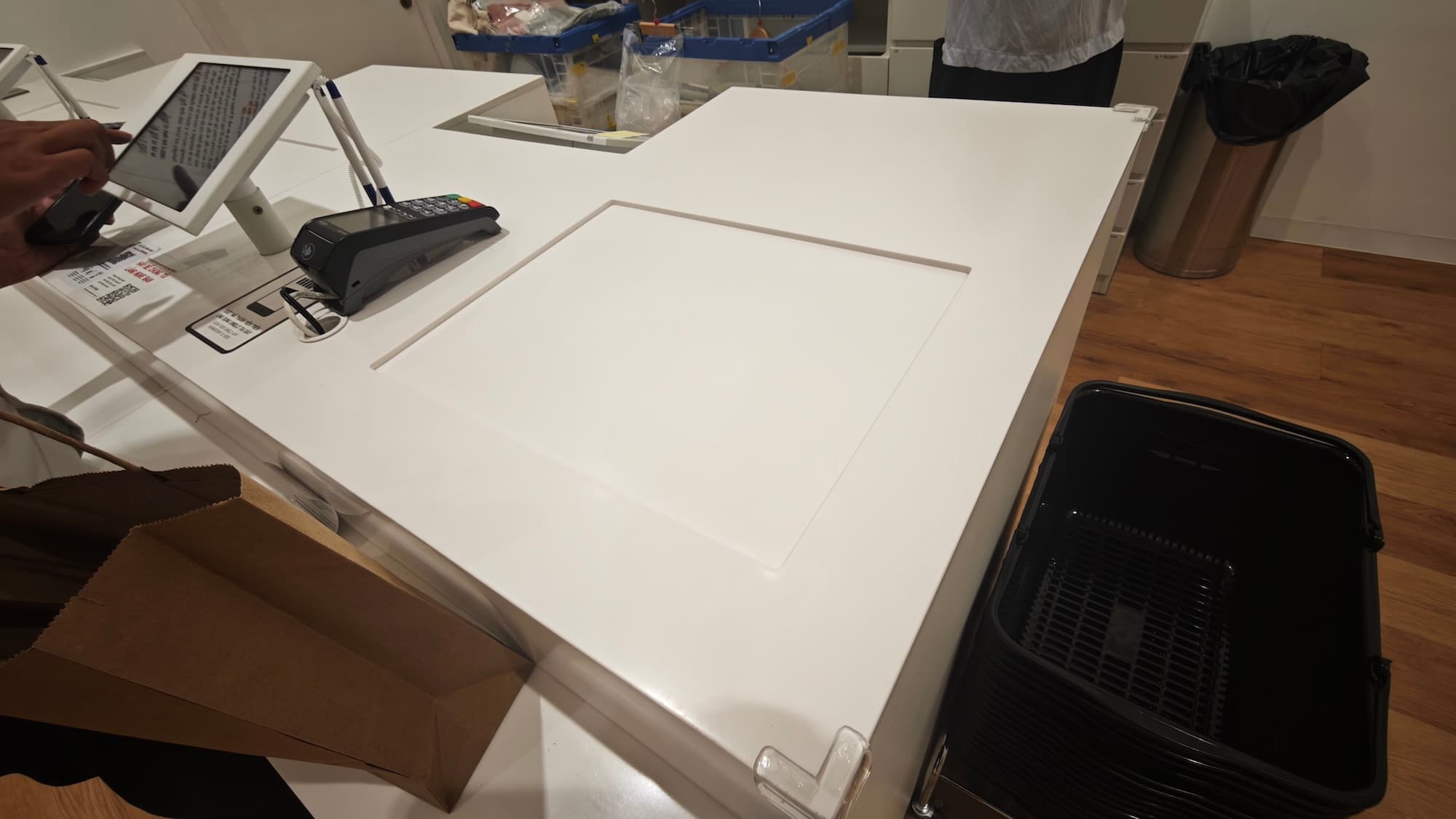
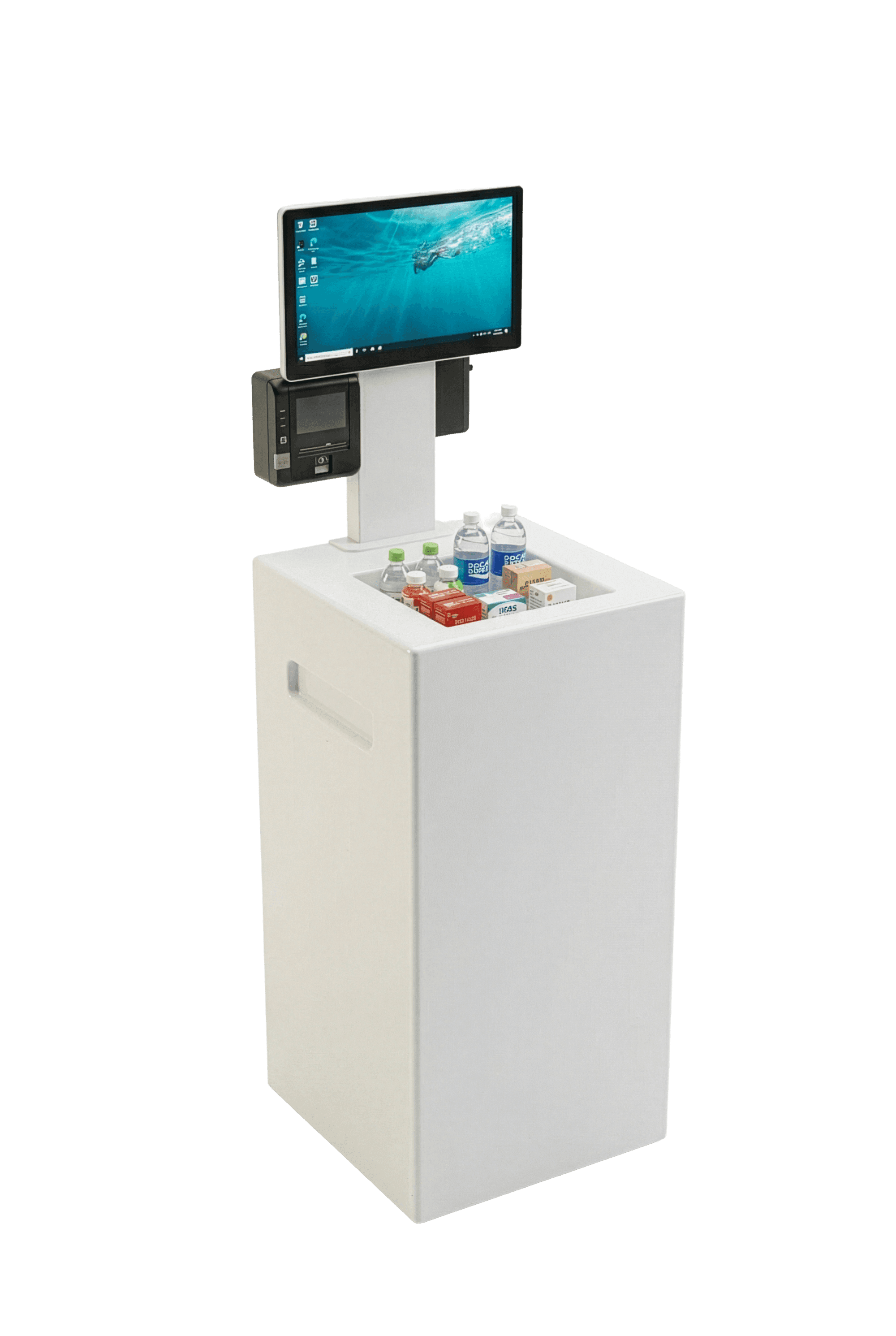
Ngokushumeka amatagi e-RFID kuwo wonke umkhiqizo owodwa, i-Uniqlo ifinyelele ukunemba kwempahla ecishe ibe ngu-100%. Kodwa umlingo wangempela wenzeka ekuhloleni: amakhasimende amane alahla izinto zawo emgqonyeni ozenzakalelayo ofunda ngokushesha wonke amatagi e-RFID ngasikhathi sinye. Lokhu okuhlangenwe nakho okungenamfucuza kunciphise kakhulu izikhathi zokulinda, kwaqeda imigqa yokuhlola, futhi kwavumela abasebenzi besitolo ukuthi bagxile ekusebenzeleni amakhasimende esikhundleni sokuskena amabhakhodi. Ukuqonda idatha okwalandela futhi kusho ukuthi bazi kahle ukuthi ngasiphi isikhathi usayizi noma umbala othile udinga ukugcwaliswa, cishe kuqeda ukungabi khona kwamasheya futhi kukhulisa ukuthengisa okuphelele.

100%
Ukunemba Kwempahla Okufinyelelwe
Ukuzihlola wena uqobo
Izindawo zokulahla ezenziwe ngomshini ezingenkinga
Kuqedwe
Ukungabi khona kwempahla ezitolo
Uniqlo Store Interior 1
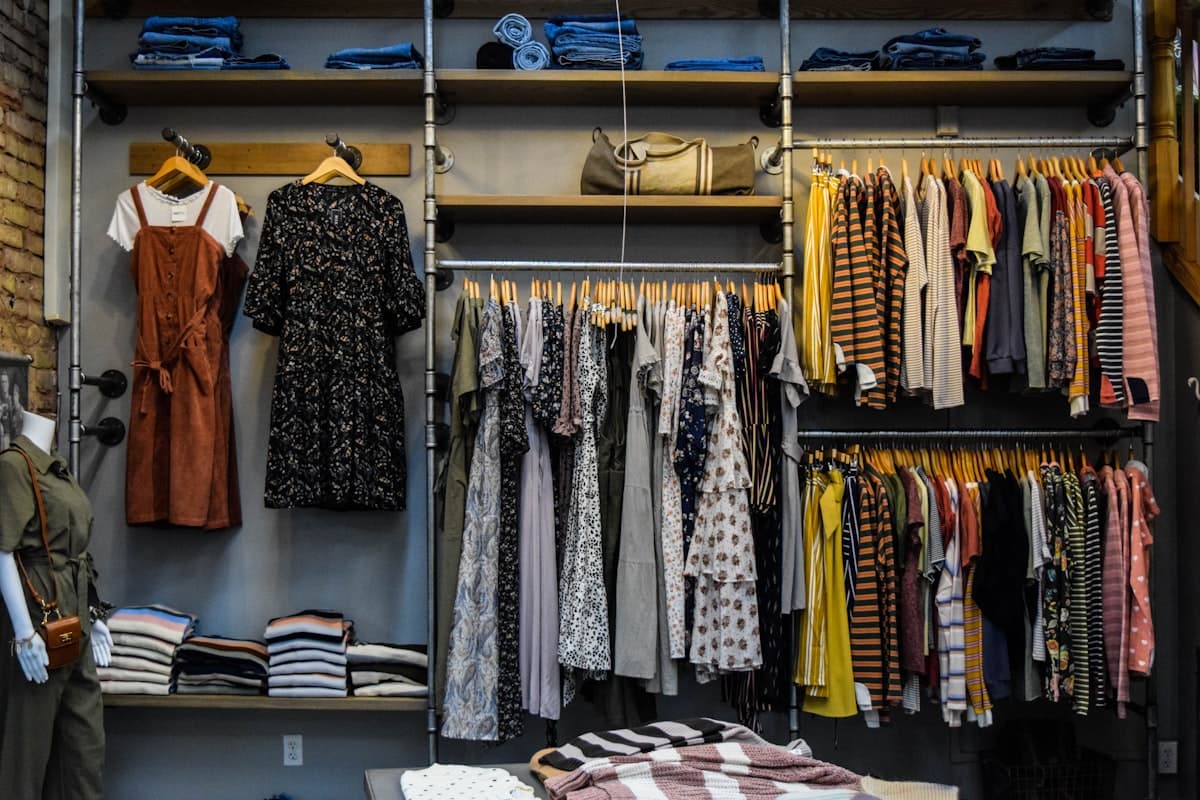
Uniqlo Store Interior 2
Isebenza Kanjani

Isebenza Kanjani Ngempela

01

Every item gets a unique digital identity at the point of manufacture. a passive UHF RFID tag that costs less than a paper label but carries a serialized code that can never be duplicated. When a handheld reader sweeps across a rack of 500 shirts, all 500 are counted in under 3 seconds. No unloading, no scanning one-by-one.

02

The system uses standard GS1 EPC Gen2 V2 tags, which include anti-cloning authentication. important for high-value and luxury items where counterfeits are a real risk. Our edge software filters out noise (tags read from the wrong zone, partial reads from metal fixtures) so what reaches your dashboard is clean, actionable data.

03

Everything connects back to your existing WMS or ERP in real time. Think of it as giving your inventory a heartbeat. the system always knows what moved, where it is, and when it arrived.

What's Next

Okuzayo Ngemuva Kokunemba

Once inventory is accurate, the next transformation is removing friction entirely. We are piloting 'Grab-and-Go' store formats where customers walk out without stopping at a register. the system reads their basket at the exit and charges their account automatically.

The same infrastructure powers smart fitting rooms that surface outfit recommendations, dynamic restocking alerts that trigger before a shelf goes empty, and loss prevention that tells you exactly what was taken and when. Accuracy was the foundation. The real value is what you build on top of it.

Ngabe usukulungele ukunemba okungama-99%?

Sebenzisa ingqalasizinda yekusasa. Yeka ukuqagela, qala ukwazi.