
สินค้าคงคลังล่องหน
Data drift เกี่ยวข้องกับการแยกตัวออกจากความเป็นจริงทางกายภาพออกจากบันทึกดิจิทัล 'Phantom Inventory' เกิดขึ้นเมื่อระบบแสดงสต็อกที่ไม่มีอยู่จริง ซึ่งนำไปสู่การยกเลิกคำสั่งซื้อ BOPIS 22% และทำลายความภักดีของลูกค้า

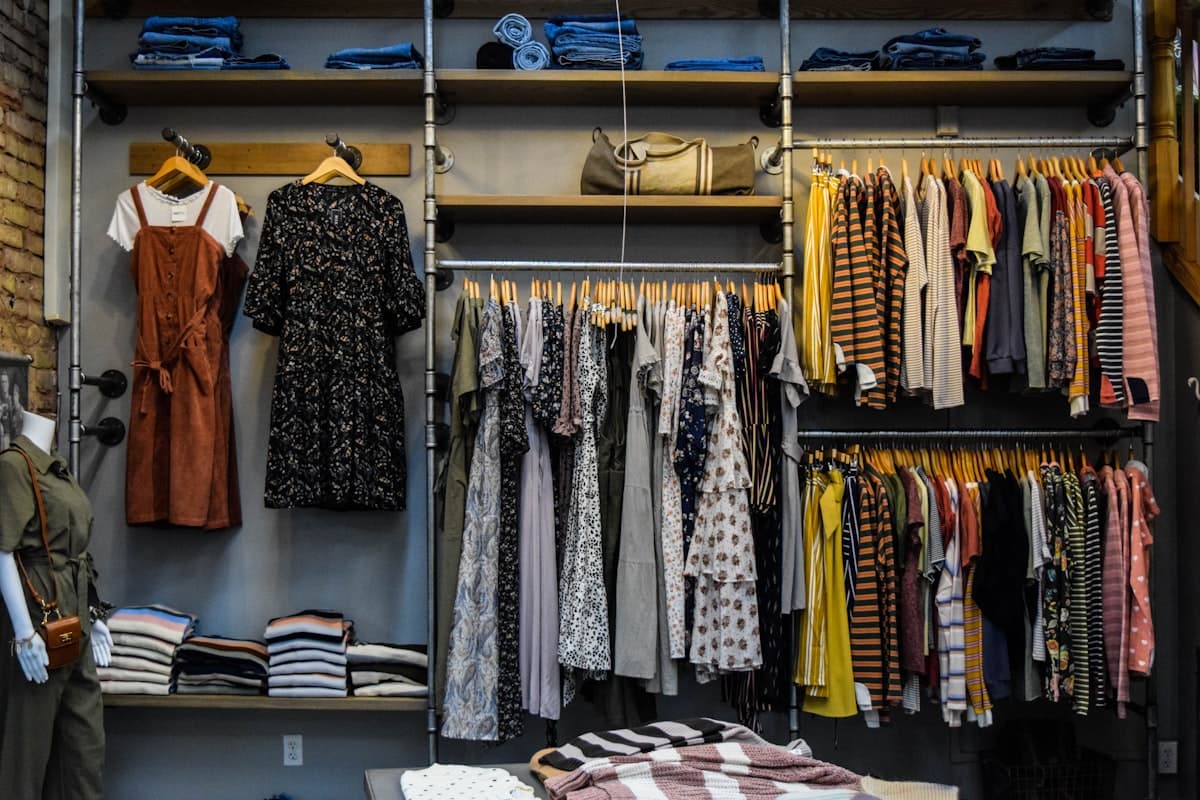

มากกว่าห้าสิบปีที่ผ่านมา Universal Product Code (UPC) บาร์โค้ด คือแกนหลักของอุตสาหกรรมค้าปลีก บาร์โค้ดทำให้การค้าทำงานเป็นมาตรฐาน สแกนได้ที่จุดชำระเงิน และช่วยให้เกิดการจัดการสินค้าคงคลังแบบคอมพิวเตอร์รุ่นแรก แต่บาร์โค้ดมีข้อบกพร่องร้ายแรง: มัน “มองไม่เห็น” ระบบต้องใช้เส้นทางตรง (line-of-sight) ต้องมีคนช่วยสแกน และไม่สามารถแยกแยะสินค้า 2 ชิ้นที่เหมือนกันได้ ข้อจำกัดนี้นำไปสู่ภาวะวิกฤตระดับโลกที่เรียกว่า “Inventory Distortion” ปัญหามูลค่าล้านล้านที่ทำให้ผู้ค้าปลีกไม่รู้ว่ามีสินค้าอะไรอยู่ในมือจริงๆ
ในยุคค้าปลีกแบบหลายช่องทาง ความบอดนี้เป็นเรื่องที่เสี่ยงถึงชีวิต เมื่อมีลูกค้าสั่งสินค้าทางออนไลน์เพื่อมารับที่หน้าร้าน (BOPIS) ระบบจะตรวจสอบฐานข้อมูลสินค้าคงคลัง ฐานข้อมูลบอกว่า “Quantity: 1” แต่สินค้าจะอยู่ที่ไหน? อยู่หลังร้าน? อยู่ในห้องลอง? ถูกขโมยไปแล้วหรือยัง? หรือถูกขายไปเมื่อวานแต่ฐานข้อมูลยังไม่อัปเดต?
ผลลัพธ์คือห่วงโซ่อุปทานที่เปราะบาง ต้องพึ่งพา “สต็อกกันชน” (inventory ส่วนเกินที่ซื้อมาเพื่อชดเชยความไม่แม่นยำของข้อมูล) ผู้ค้าปลีกจมน้ำอยู่กับสต็อกที่ขายไม่ได้ ขณะเดียวกันก็เสียยอดขายจากสินค้าที่ “ควรจะมี” แต่หาไม่เจอ การนับสต็อกแบบแมนนวล (วิธีดั้งเดิม) ช้าเกินไป แพงเกินไป และเสี่ยงต่อความผิดพลาดเกินไปที่จะเป็นคำตอบ อุตสาหกรรมจึงต้องเปลี่ยนกระบวนทัศน์จาก “scanning” ไปสู่ “sensing”
Data drift เกี่ยวข้องกับการแยกตัวออกจากความเป็นจริงทางกายภาพออกจากบันทึกดิจิทัล 'Phantom Inventory' เกิดขึ้นเมื่อระบบแสดงสต็อกที่ไม่มีอยู่จริง ซึ่งนำไปสู่การยกเลิกคำสั่งซื้อ BOPIS 22% และทำลายความภักดีของลูกค้า
ในร้านค้าที่ไม่ใช่ RFID พนักงานใช้เวลา 20-30% ในการค้นหาสินค้าหรือทำการนับด้วยตนเอง นี่คือค่าแรงที่สูงซึ่งเปลี่ยนจากการให้บริการลูกค้าและการขายซึ่งเป็นเป้าหมายหลัก
หากไม่มี serialized identity (EPC) สินค้าที่ถูกขโมยจะเป็นเพียง 'ลบหนึ่ง' ผู้ค้าปลีกไม่สามารถติดตามรูปแบบอาชญากรรมค้าปลีกที่เป็นระบบ (ORC) หรือระบุได้ว่าสินค้าที่ส่งคืนเป็นของปลอมที่ซื้อจากตลาดสีเทาหรือไม่
Nextwaves ใช้สถาปัตยกรรม “Source-to-Store” บนมาตรฐาน EPC Gen2 V2 เริ่มต้นไม่ใช่ที่หน้าร้าน แต่เริ่มตั้งแต่ขั้นตอนการผลิต โดยการฝัง passive UHF RFID inlay ลงใน care label หรือ price ticket ที่โรงงาน เราจะมอบ “ตัวตนดิจิทัล” ให้กับสินค้าทุกรายการด้วยรหัส Electronic Product Code (EPC) แบบระบุหมายเลขเฉพาะ (serialized)
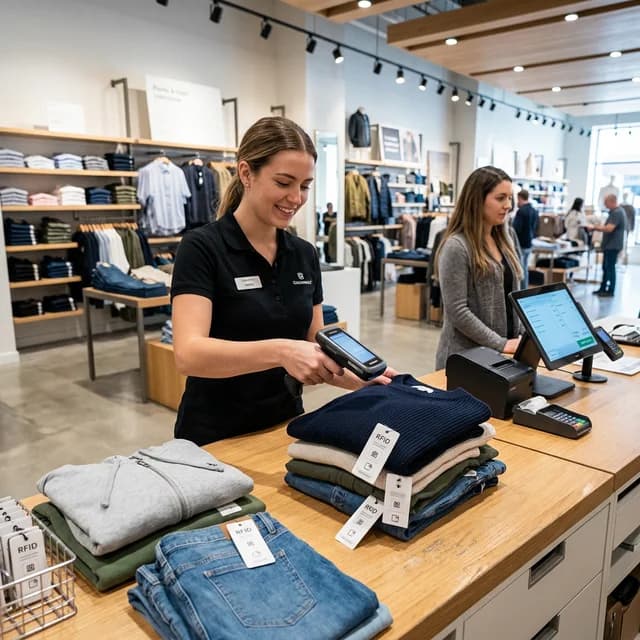
เมื่อสินค้าผ่านห่วงโซ่อุปทาน จะผ่าน “Read Points” ซึ่งเป็นจุดอ่าน เช่น เครื่องอ่านแบบอุโมงค์ที่ศูนย์กระจายสินค้า อาร์เรย์แบบเหนือศีรษะในพื้นที่สตaging และสุดท้ายคือการสแกนแบบมือถือในร้านค้าปลีก ต่างจากบาร์โค้ด เครื่องอ่านเหล่านี้ใช้คลื่นวิทยุเพื่อจ่ายพลังงานให้แท็ก ทำให้สามารถอ่านสินค้าได้หลายร้อยชิ้นต่อวินาทีโดยไม่ต้องสัมผัสหรืออยู่ในแนวสายตา
สิ่งนี้สร้าง “Digital Twin” ของสินค้าคงคลังแบบเรียลไทม์ เมื่อจัดส่งมาถึงหน้าร้าน ไม่ต้องนับด้วยมือ แต่ยืนยันได้ทันที เมื่อมีลูกค้าลองเสื้อ ห้องลองอัจฉริยะจะตรวจจับได้ เมื่อสินค้าออกจากร้าน ระบบ EAS จะอัปเดตสินค้าคงคลังทันที เราจาก “Inventory Estimation” ไปสู่ “Inventory Certainty”

สร้างความมั่นใจในสินค้าคงคลังอย่างแท้จริง เปิดใช้งาน 'Available to Promise' (ATP) สำหรับอีคอมเมิร์ซโดยไม่มีสต็อกบัฟเฟอร์
ข้อมูลนำร่องแสดงให้เห็นถึงยอดขายที่เพิ่มขึ้นอย่างต่อเนื่อง 5-15% หากอยู่ในร้านค้า ก็ขายได้ หากอยู่ในสต็อก ก็ขายไม่ได้
อย่าเพียงแค่ส่งเสียงบี๊บที่ประตู ทราบแน่ชัดว่าอะไรถูกขโมย เมื่อไหร่ และเติมสินค้าทันที
เปิดใช้งาน 'Magic Mirrors' ที่แนะนำรายการที่เข้าชุดกันตามสิ่งที่ลูกค้าเข้ามาในห้องลองเสื้อผ้า
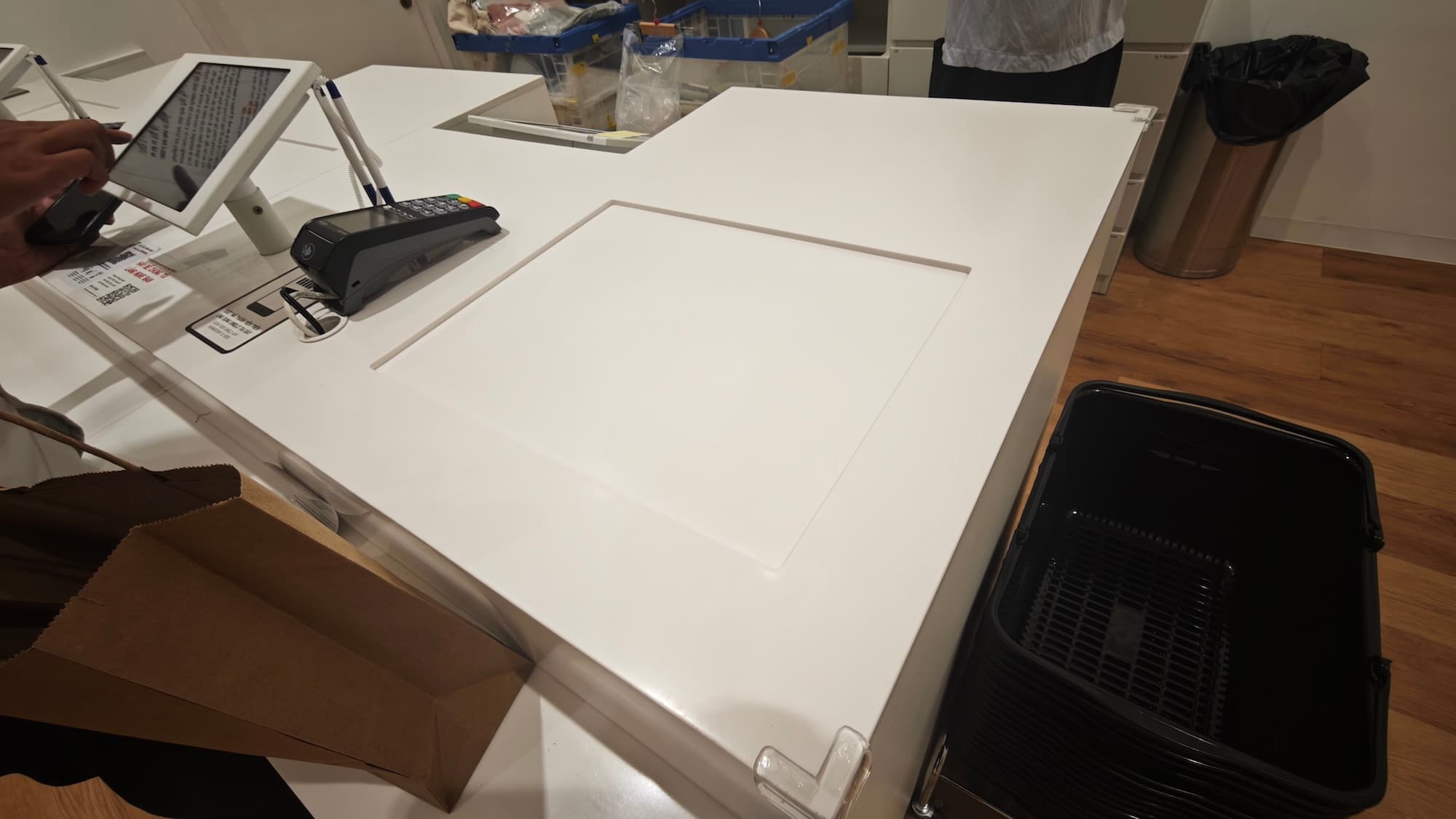
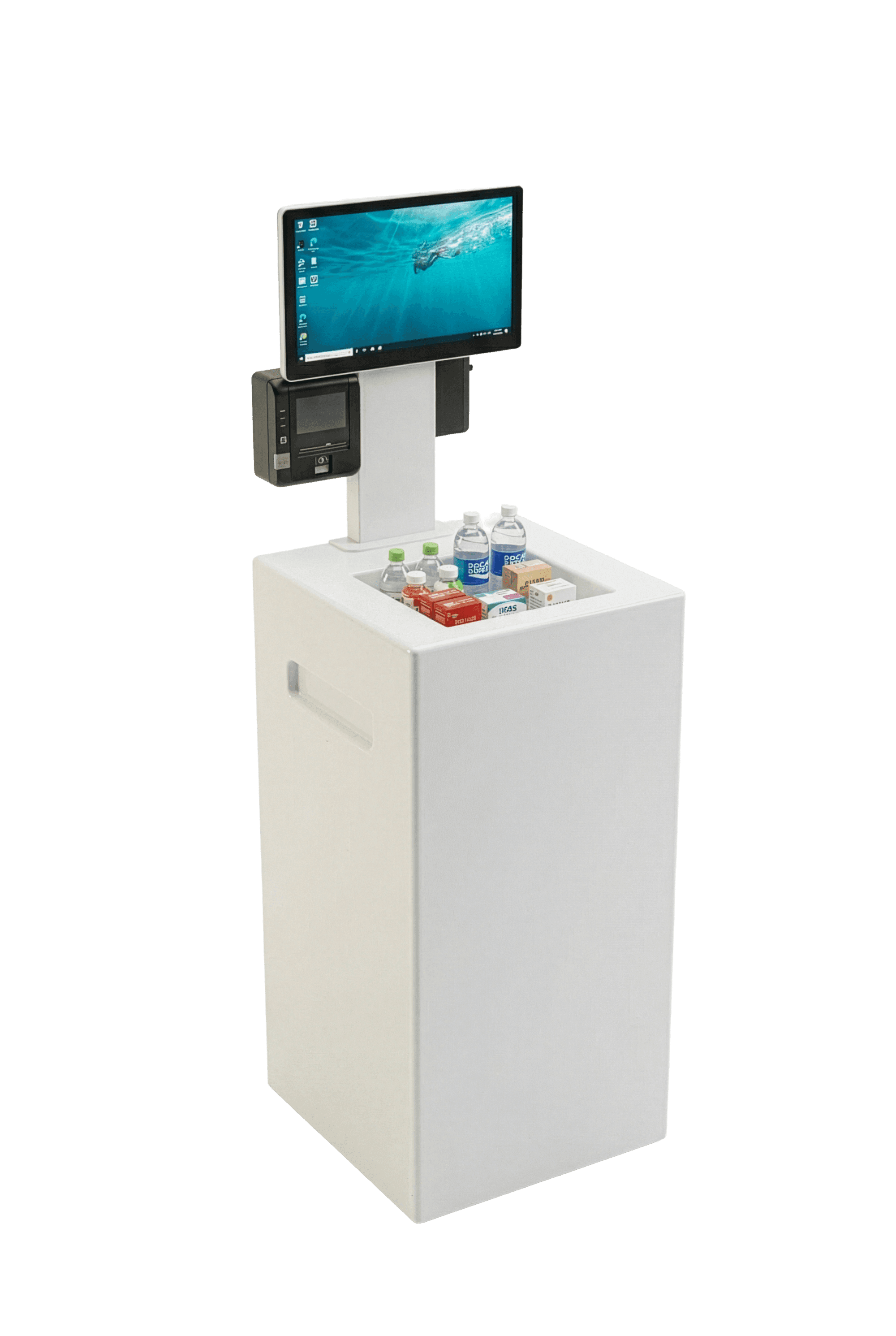
โดยการฝังแท็ก RFID ไว้ในทุกชิ้นสินค้า Uniqlo สามารถบรรลุความแม่นยำของสินค้าคงคลังเกือบ 100% อย่างไรก็ตาม ความมหัศจรรย์ที่แท้จริงเกิดขึ้นที่จุดชำระเงิน: ลูกค้าสามารถวางสินค้าลงในถังอัตโนมัติที่อ่านแท็ก RFID ทั้งหมดพร้อมกันได้ทันที ประสบการณ์ไร้ความตึงเครียดนี้ช่วยลดเวลารอคอยอย่างมาก กำจัดคิวชำระเงิน และทำให้พนักงานร้านมุ่งเน้นการให้บริการลูกค้าแทนการสแกนบาร์โค้ด ข้อมูลเชิงวิเคราะห์ที่ได้ยังทำให้พวกเขารู้ได้อย่างแม่นยำว่าเมื่อใดที่ขนาดหรือสีเฉพาะต้องการการเติมสินค้า ซึ่งช่วยขจัดการขาดสต็อกอย่างแทบไม่มีและเพิ่มยอดขายโดยรวม
สินค้าทุกรายการจะได้รับตัวตนดิจิทัลเฉพาะที่จุดผลิต นั่นคือ passive UHF RFID tag ที่มีราคาต่ำกว่าป้ายกระดาษ แต่บรรจุรหัสแบบ serialized ที่ไม่สามารถทำซ้ำได้ เมื่อหัวอ่านแบบมือถือกวาดผ่านชั้นที่มีเสื้อ 500 ตัว ระบบสามารถนับได้ครบทั้ง 500 ตัวภายในไม่ถึง 3 วินาที ไม่ต้องขนออก ไม่ต้องสแกนทีละชิ้น
ระบบใช้แท็กมาตรฐาน GS1 EPC Gen2 V2 ซึ่งมีการยืนยันตัวตนเพื่อป้องกันการโคลน (anti-cloning authentication) ซึ่งสำคัญมากสำหรับสินค้ามูลค่าสูงและสินค้าหรูหรา ที่ปลอมแปลงเป็นความเสี่ยงจริง ซอฟต์แวร์ที่ทำงานที่ขอบระบบของเรา (edge) จะกรองสัญญาณรบกวนออก (แท็กที่อ่านจากโซนผิด การอ่านไม่ครบเมื่ออยู่บนอุปกรณ์โลหะ) เพื่อให้ข้อมูลที่แสดงในแดชบอร์ดของคุณสะอาด ใช้งานได้จริง และนำไปตัดสินใจได้
ทุกอย่างเชื่อมกลับไปยัง WMS หรือ ERP ของคุณแบบเรียลไทม์ มองง่ายๆ คือการมอบ “การเต้นของหัวใจ” ให้กับสินค้าคงคลัง ระบบจะรู้เสมอว่าสิ่งใดเคลื่อนย้าย ไปอยู่ที่ไหน และมาถึงเมื่อใด
เมื่อสินค้าคงคลังแม่นยำแล้ว การเปลี่ยนแปลงครั้งถัดไปคือการขจัดความฝืดที่ทำให้เสียเวลาโดยสิ้นเชิง เรากำลังทดลองรูปแบบร้าน “Grab-and-Go” ที่ลูกค้าเดินออกโดยไม่ต้องหยุดที่เคาน์เตอร์ ระบบจะอ่านตะกร้าของลูกค้าที่ทางออก และเรียกเก็บเงินเข้าบัญชีของลูกค้าโดยอัตโนมัติ
โครงสร้างพื้นฐานชุดเดียวกันนี้ยังขับเคลื่อนห้องลองเสื้ออัจฉริยะที่แสดงคำแนะนำการแต่งตัว การแจ้งเตือนเติมของแบบไดนามิกที่ทำงานก่อนชั้นว่าง และระบบป้องกันการสูญหายที่บอกได้ชัดเจนว่าอะไรถูกหยิบไปและเมื่อไหร่ ความแม่นยำคือพื้นฐาน ความคุ้มค่าเชิงจริงอยู่ที่สิ่งที่คุณต่อยอดขึ้นไปบนพื้นฐานนั้น
เร่งความเร็วในการชำระเงินและตรวจนับสต็อกอัตโนมัติสำหรับร้านแฟชั่น ร้านเครื่องสำอาง และเครือข่ายร้านค้าปลีก
ปรับใช้โครงสร้างพื้นฐานแห่งอนาคต หยุดการคาดเดา เริ่มต้นการรับรู้