Накопление и потеря активов
Поскольку персонал не может найти оборудование, он прячет его в шкафах и под потолком. Больницы в конечном итоге покупают 130% от необходимого парка, но использование остается ниже 40%. Миллионы долларов простаивают.
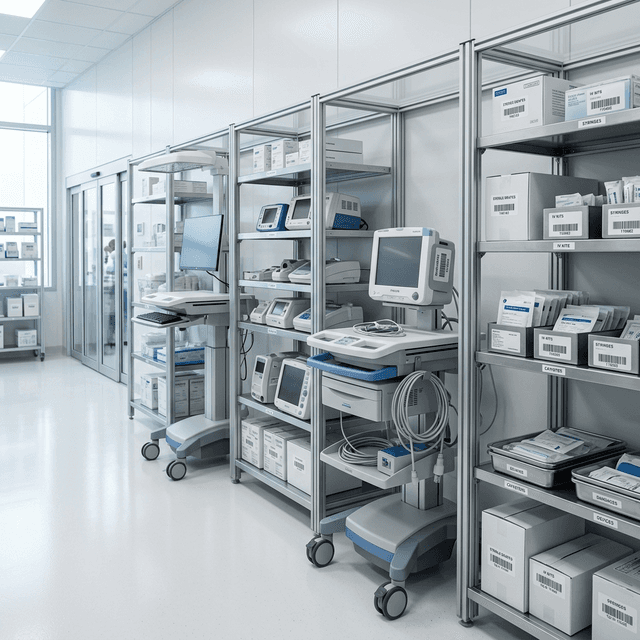


Больницы — сложные и хаотичные среды, где решения о жизни и смерти зависят от логистики. При этом в среднем медсестра тратит 1 час за смену — 12% своего времени — на поиск оборудования. Ей нужны инфузионные насосы, каталка/кресло-каталка, наборы телеметрии и вакуумные системы для ран. Это «охота и сбор» (Hunt and Gather) в медицине.
Помимо активов, управление лекарственными препаратами связано с дополнительными рисками. Ручное отслеживание тележек для неотложной помощи и лотков с медикаментами приводит к тому, что просроченные препараты продолжают циркулировать. Одной ошибки может быть достаточно, чтобы произошёл инцидент уровня Sentinel Event.
Кроме того, движение пациентов непрозрачно. Узкие места в приёмном отделении или операционной снижают пропускную способность и удовлетворённость пациентов. Без данных администраторы не могут оптимизировать укомплектование персоналом или оборот коек.
Поскольку персонал не может найти оборудование, он прячет его в шкафах и под потолком. Больницы в конечном итоге покупают 130% от необходимого парка, но использование остается ниже 40%. Миллионы долларов простаивают.
Пополнение реанимационных тележек вручную подвержено ошибкам. Пропущенный просроченный флакон с адреналином является проблемой. Отклонение от приема лекарств (кража) также вызывает растущую озабоченность, которую журналы ручного учета не могут предотвратить.
Критически важно знать, какое оборудование взаимодействовало с инфицированным пациентом. Без цифрового отслеживания контактов больницы должны подвергать активы общему карантину, нарушая работу.
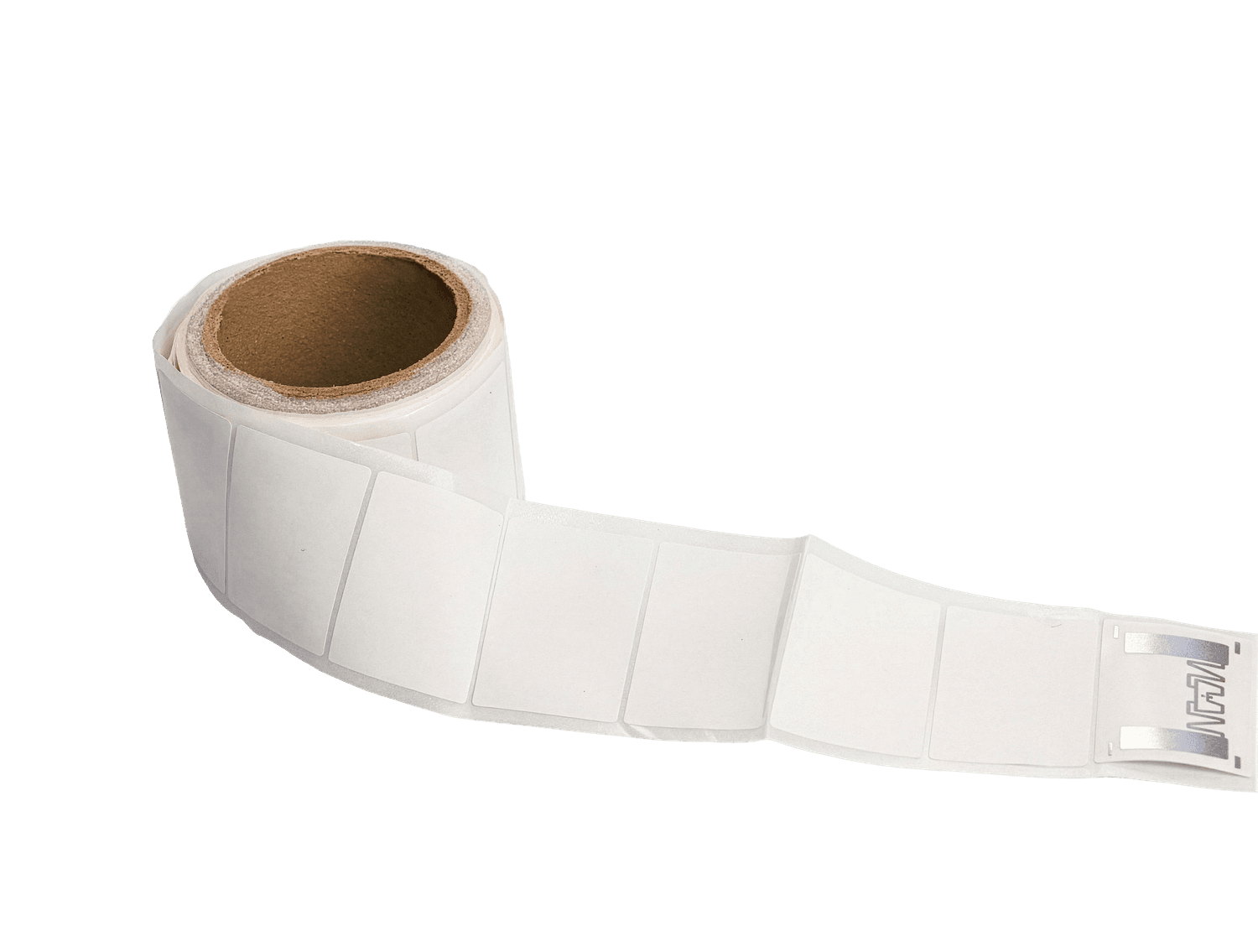
Nextwaves внедряет гибридную Real-Time Location System (RTLS). Для высокопоточных расходных материалов и недорогих активов (бельё, документы, лекарства) мы используем пассивный UHF RFID, а для высокоценных мобильных устройств — активное отслеживание (BLE/Wi‑Fi).
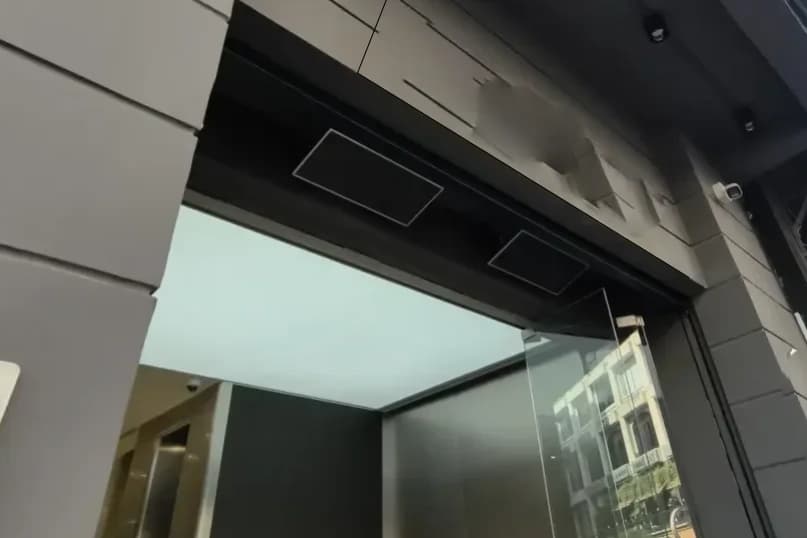
Наши «Smart Cabinets» автоматически отслеживают каждую ампулу/флакон с лекарством, извлечённую из шкафа, мгновенно обновляя медицинскую запись пациента и складские остатки. Массивы, установленные на потолке, отслеживают перемещение кроватей и насосов по всей территории, визуализируя их на цифровой карте.
Эта система создаёт «цепочку ответственности» (Chain of Custody). Мы точно знаем, кто взял препарат, для какого пациента и когда. Мы также точно знаем, где находится инфузионный насос, и был ли он очищен после последнего использования.
Предотвратите «никогда не произошедшие события». Автоматизированные проверки обеспечивают правильное лекарство, правильную дозу, правильного пациента.
Сократите размер автопарка на 20%, увеличив при этом доступность. Прекратите покупать насосы, которые вам не нужны.
Верните медсестрам их время. Позвольте им сосредоточиться на уходе, а не на логистике.
Автоматизированные журналы для The Joint Commission (TJC). Мгновенно докажите стерильность и соответствие требованиям технического обслуживания.
Травматологический центр на 500 коек испытывал трудности с пропускной способностью отделения неотложной помощи и хронической нехваткой инфузионных насосов. Медсестры сообщали о задержках в оказании помощи из-за отсутствия оборудования.
Медицинский RFID требует более жёсткого подхода, чем розничный. Никогда не записываются на метку имя пациента, диагноз или персональные идентификационные данные (PII). Метки несут только анонимный токен — число, которое ничего не значит без доступа к защищённому серверному бэкенду, связывающему его с записью пациента.
Слой базы данных зашифрован, с контролем доступа и аудитом. Медицинские специалисты видят только те данные, к которым их роль дает доступ. Администраторы — отчеты об использовании. Никто не может увидеть данные пациента через сам RFID-слой. Мы полностью соответствуем HIPAA по дизайну, а не через обходы политик.
Данные о местоположении — это только начало. Когда у вас есть непрерывный поток сведений о том, где находятся каждое средство и каждый пациент, проявляются закономерности. Мы разрабатываем модели, которые могут предсказывать узкие места в оборудовании за 4–6 часов до их появления, давая старшим медсестрам время перераспределить ресурсы до того, как уход будет затронут.
На горизонте: кровати, которые автоматически передают изменения веса пациента и давления, интеллектуальные шкафы, которые заказывают лекарства до того, как они закончатся, и планирование работы операционных, которое в реальном времени корректируется по фактическому местоположению оборудования, а не по предположениям.
Защитите ноутбуки и ИТ-оборудование с помощью RFID-ворот безопасности, антиметаллических меток и автоматизированных проверок.
Позвольте технологиям заниматься поиском. Вы занимайтесь экономией.
If the kit doesn't fit your operation, return it within 30 days for a full refund.
The package price covers installation support, system configuration, and staff training — with no additional fees.