ການເກັບຮັກສາ ແລະການສູນເສຍຊັບສິນ
ເນື່ອງຈາກພະນັກງານບໍ່ສາມາດຊອກຫາອຸປະກອນໄດ້, ພວກເຂົາເກັບຮັກສາມັນໄວ້ໃນຕູ້ເສື້ອຜ້າ ແລະກະເບື້ອງເພດານ. ໂຮງໝໍຈົບລົງດ້ວຍການຊື້ 130% ຂອງກອງເຮືອທີ່ຈໍາເປັນຂອງພວກເຂົາ, ແຕ່ການນໍາໃຊ້ຍັງຕໍ່າກວ່າ 40%. ຫຼາຍລ້ານໂດລາບໍ່ໄດ້ໃຊ້.
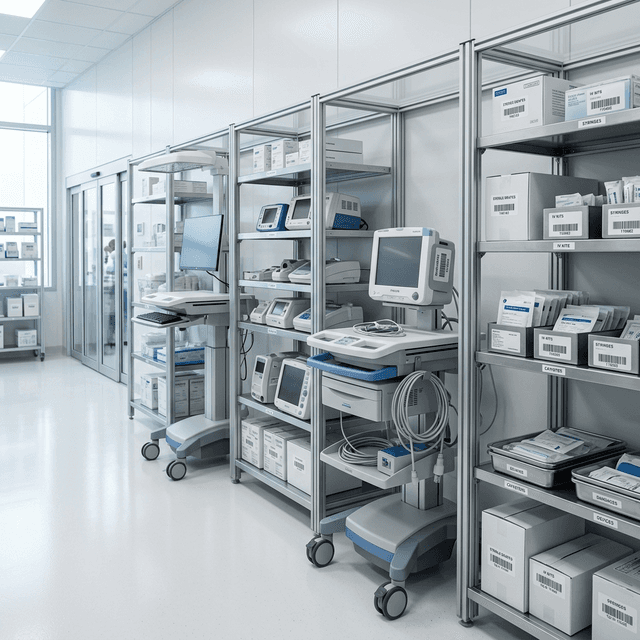

ໂຮງໝໍແມ່ນສະພາບທີ່ຊັບຊ້ອນ ແລະວຸ່ນວາຍ ທີ່ການຕັດສິນໃຈທີ່ສຳຄັນຕໍ່ຊີວິດ-ຄວາມຕາຍຂຶ້ນກັບ logistics. ແຕ່ພະຍາບານໂດຍສະເລ່ຍໃຊ້ເວລາ 1 ຊົ່ວໂມງຕໍ່ກະລະວຽກ - 12% ຂອງເວລາ - ເພື່ອຕາມຫາອຸປະກອນ. ພວກເຂົາຊອກຫາ IV pumps, wheelchairs, telemetry packs ແລະ wound vacs. ນີ້ແມ່ນ “Hunt and Gather” ສຳລັບການຢາ.
ນອກເຫຼືອຈາກການຈັດການອຸປະກອນ, ການຄຸ້ມຄອງຢາກໍມີຄວາມສ່ຽງສູງ. ການຕິດຕາມແບບຄົນດ້ວຍມືຂອງ crash carts ແລະ medication trays ນຳໄປສູ່ການທີ່ຢາໝົດອາຍຸຍັງຖືກເອົາໃຊ້ໃນວົງຈອນ. ຄວາມພາດຜິດພຽງແບບດຽວສາມາດນຳໄປສູ່ Sentinel Event.
ພ້ອມທັງການໄຫຼຂອງຄົນເຈັບກໍບໍ່ຊັດເຈນ. ຄໍຂອດໃນ ER ຫຼື OR ຈຳກັດ throughput ແລະຄວາມພໍໃຈຂອງຄົນເຈັບ. ຖ້າບໍ່ມີຂໍ້ມູນ, ຜູ້ບໍລິຫານບໍ່ສາມາດປັບປຸງກຳລັງຄົນ ຫຼືການຫັນຖ່າຍຕຽງໄດ້.
ເນື່ອງຈາກພະນັກງານບໍ່ສາມາດຊອກຫາອຸປະກອນໄດ້, ພວກເຂົາເກັບຮັກສາມັນໄວ້ໃນຕູ້ເສື້ອຜ້າ ແລະກະເບື້ອງເພດານ. ໂຮງໝໍຈົບລົງດ້ວຍການຊື້ 130% ຂອງກອງເຮືອທີ່ຈໍາເປັນຂອງພວກເຂົາ, ແຕ່ການນໍາໃຊ້ຍັງຕໍ່າກວ່າ 40%. ຫຼາຍລ້ານໂດລາບໍ່ໄດ້ໃຊ້.
ການຕື່ມລົດເຂັນອຸປະຕິເຫດດ້ວຍຕົນເອງແມ່ນຜິດພາດ. ຢາ epinephrine ໝົດອາຍຸທີ່ພາດໄປແມ່ນຄວາມຮັບຜິດຊອບ. ການປ່ຽນເສັ້ນທາງຢາ (ການລັກ) ຍັງເປັນຄວາມກັງວົນທີ່ເພີ່ມຂຶ້ນທີ່ບັນທຶກດ້ວຍຕົນເອງບໍ່ສາມາດປ້ອງກັນໄດ້.
ການຮູ້ວ່າອຸປະກອນໃດທີ່ພົວພັນກັບຄົນເຈັບທີ່ຕິດເຊື້ອແມ່ນສໍາຄັນ. ໂດຍບໍ່ມີການຕິດຕາມການຕິດຕໍ່ແບບດິຈິຕອລ, ໂຮງໝໍຕ້ອງກັກກັນຊັບສິນ, ລົບກວນການດໍາເນີນງານ.
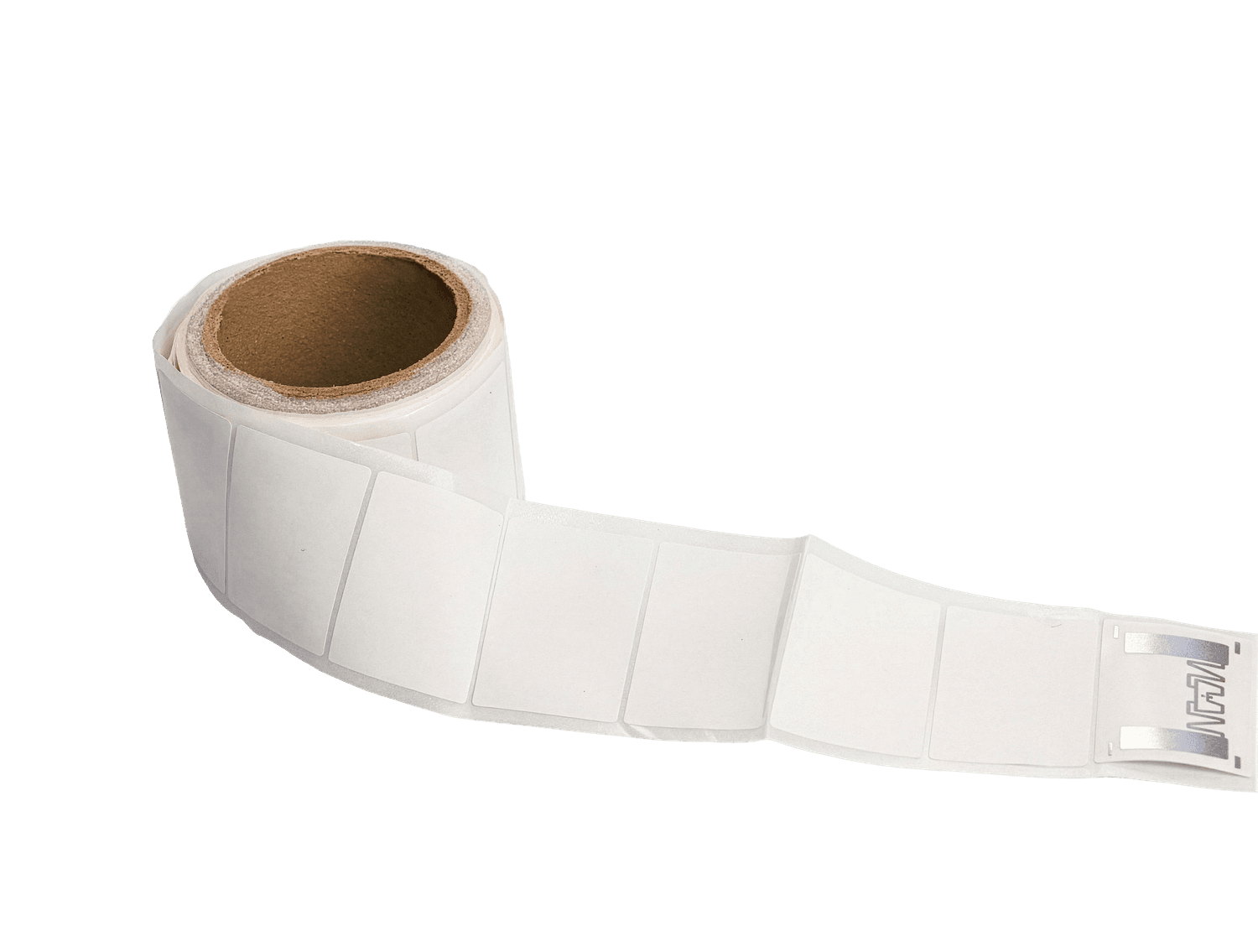
Nextwaves ນຳໃຊ້ແບບ hybrid Real-Time Location System (RTLS). ພວກເຮົາໃຊ້ Passive UHF RFID ສຳລັບສິ່ງຂອງ consumables ປະລິມານສູງ ແລະຊັບສິນທີ່ມີລາຄາບໍ່ສູງ (linen, files, meds) ແລະ Active (BLE/Wi-Fi) tracking ສຳລັບອຸປະກອນມືຖືມູນຄ່າສູງ.
ຕູ້ “Smart Cabinets” ຂອງພວກເຮົາຈະຕິດຕາມແຕ່ລະ vial ຂອງຢາທີ່ຖືກນຳອອກໃຊ້ ອັບເດດບັນທຶກຄົນເຈັບ ແລະ inventory ທັນທີ. ອາເຣ່ຍທີ່ຕິດຢູ່ເພດານຈະຕິດຕາມການເຄື່ອນຂອງ beds ແລະ pumps ຕະຫຼອດສະຖານທີ່ ແລະແສດງໃສ່ໃນແຜນທີ່ດິຈິຕອນ.
ລະບົບນີ້ສ້າງ “Chain of Custody”. ພວກເຮົາຮູ້ແນ່ນອນວ່າໃຜເອົາຢາໄປໃຊ້, ໃຫ້ກັບຄົນເຈັບຄົນໃດ ແລະເວລາໃດ. ພວກເຮົາຮູ້ແນ່ນອນວ່າ infusion pump ຢູ່ໃສ ແລະຖືກທຳຄວາມສະອາດແລ້ວບໍ່ນັບຈາກການໃຊ້ຄັ້ງກ່ອນໜ້າ.
ປ້ອງກັນ 'ເຫດການທີ່ບໍ່ເຄີຍເກີດຂຶ້ນ'. ການກວດສອບອັດຕະໂນມັດຮັບປະກັນຢາທີ່ຖືກຕ້ອງ, ປະລິມານທີ່ຖືກຕ້ອງ, ຄົນເຈັບທີ່ຖືກຕ້ອງ.
ຫຼຸດຜ່ອນຂະໜາດຂອງກອງເຮືອ 20% ໃນຂະນະທີ່ເພີ່ມຄວາມພ້ອມ. ຢຸດການຊື້ປັ໊ມທີ່ທ່ານບໍ່ຕ້ອງການ.
ໃຫ້ພະຍາບານມີເວລາຄືນ. ໃຫ້ພວກເຂົາສຸມໃສ່ການດູແລ, ບໍ່ແມ່ນການຂົນສົ່ງ.
ບັນທຶກອັດຕະໂນມັດສໍາລັບ The Joint Commission (TJC). ພິສູດຄວາມເປັນຫມັນ ແລະການປະຕິບັດຕາມການບໍາລຸງຮັກສາໃນທັນທີ.
ສູນບາດເຈັບ 500 ຕຽງໄດ້ຕໍ່ສູ້ກັບການຜ່ານ ER ແລະການຂາດປັ໊ມ IV ຊໍາເຮື້ອ. ພະຍາບານໄດ້ລາຍງານຄວາມລ່າຊ້າໃນການດູແລເນື່ອງຈາກອຸປະກອນທີ່ຂາດຫາຍໄປ.
RFID ດ້ານສຸຂະພາບຕ້ອງມີມາດຖານສູງກວ່າການຂາຍປີກ. ຈະບໍ່ມີການຂຽນຊື່ຄົນເຈັບ, diagnosis, ຫຼື personally identifiable information (PII) ໃສ່ແທັກເດັດຂາດ. ແທັກມີແຕ່ anonymous token - ຕົວເລກທີ່ບໍ່ມີຄວາມໝາຍຫາກບໍ່ມີການເຂົ້າເຖິງ secure backend ທີ່ເຊື່ອມມັນໄປຫາບັນທຶກຄົນເຈັບ.
ຊັ້ນຖານຂໍ້ມູນນັ້ນຖືກເຂົ້າລະຫັດ, ຄວບຄຸມການເຂົ້າເຖິງ, ແລະ ກວດສອບການໃຊ້ງານ. ບຸກຄະລາກອນທາງການແພດເຫັນພຽງຂໍ້ມູນທີ່ບົດບາດຂອງຕົນອະນຸຍາດ. ຜູ້ບໍລິຫານເຫັນລາຍງານການໃຊ້ງານ. ບໍ່ມີໃຜເຫັນຂໍ້ມູນຄົນໄຂ້ຜ່ານຊັ້ນ RFID ໂດຍກົງ. ພວກເຮົາປະຕິບັດຕາມ HIPAA ຢ່າງຄົບຖ້ວນຕາມການອອກແບບ ບໍ່ແມ່ນດ້ວຍຊ່ອງທາງນະໂຍບາຍ.
ຂໍ້ມູນຕຳແໜ່ງເປັນພຽງຈຸດເລີ່ມ. ເມື່ອມີກະແສຂໍ້ມູນຕໍ່ເນື່ອງວ່າທຸກຊັບສິນ ແລະ ຄົນໄຂ້ຢູ່ໃສ, ຮູບແບບຕ່າງໆຈະປາກົດຂຶ້ນ. ພວກເຮົາກຳລັງພັດທະນາແບບຈຳລອງທີ່ຄາດຄະເນຄໍຂວດຂອງອຸປະກອນໄດ້ລ່ວງໜ້າ 4–6 ຊົ່ວໂມງ ເພື່ອໃຫ້ພະຍາບານຫົວໜ້າປັບຈັດກຳລັງຄົນກ່ອນທີ່ການດູແລຈະຖືກກະທົບ.
ໃນອະນາຄົດ: ຕຽງນອນທີ່ລາຍງານນ້ຳໜັກຄົນໄຂ້ ແລະ ການປ່ຽນແປງແຮງກົດທັນທີ, ຕູ້ອັດສະລິຍະທີ່ສັ່ງຊື້ຢາເພີ່ມກ່ອນຈະໝົດ, ແລະ ຕາຕະລາງຫ້ອງຜ່າຕັດທີ່ປັບແບບຮຽວເວລາຕາມຕຳແໜ່ງອຸປະກອນຈິງ ບໍ່ແມ່ນຕາມການຄາດເດົາ.
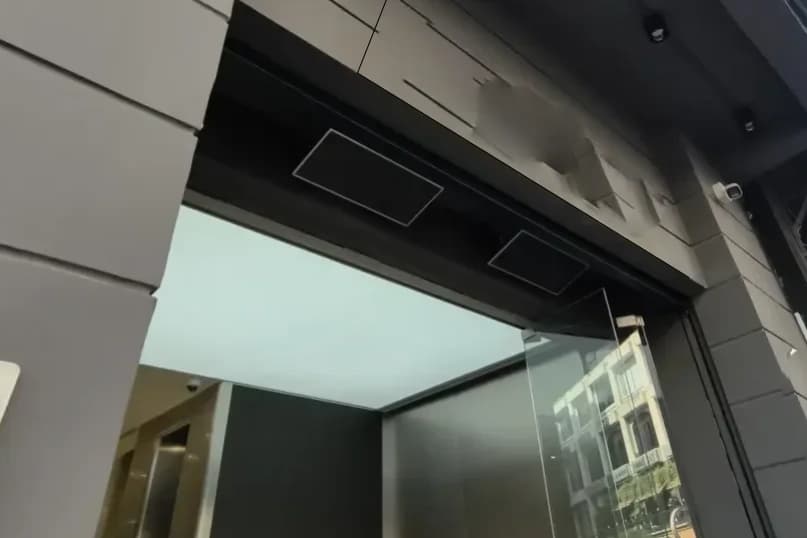
ປົກປ້ອງແລັບທັອບ ແລະອຸປະກອນໄອທີດ້ວຍປະຕູຄວາມປອດໄພ RFID, ປ້າຍຕ້ານໂລຫະ, ແລະການກວດສອບອັດຕະໂນມັດ.
ໃຫ້ເຕັກໂນໂລຊີຈັດການການຊອກຫາ. ທ່ານຈັດການການປະຢັດ.