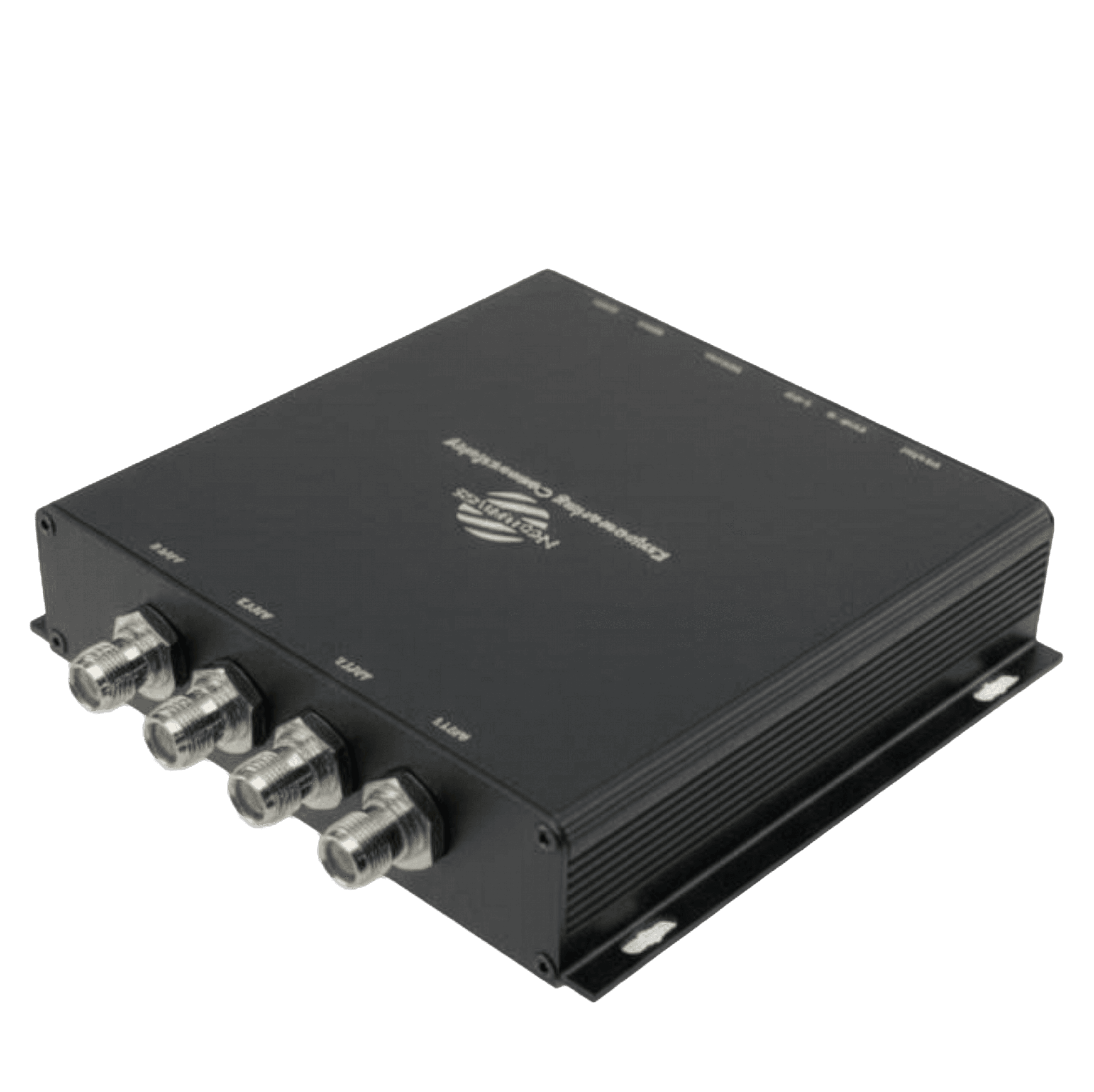
The ThingMagic M7e-Tera leverages the extreme Impinj E910 IC for $250. Analyze its integration requirements versus zero-code Nextwaves edge infrastructure.
ຂໍ້ມູນທາງວິຊາການ
ພາບລວມຮາດແວ້
ອຸປະກອນ ThingMagic (JADAK) M7e-Tera ແມ່ນອຸປະກອນ RFID ຊັ້ນອຸດສາຫະກຳ. ມັນດໍາເນີນການໃນຊ່ວງຄວາມແລກ Global (860-960 MHz) ແລະສະໜັບສະໜູນມາດຕະການ EPC Gen2v2, ISO 18000-63, ຊ່ວຍໃຫ້ມັນຖືກຕິດຕັ້ງຢ່າງກວ້າງຂວາງໃນແອັບພລິເຄຊັ່ນການຂົນສົ່ງຂອງອົງກອນ.
ດ້ວຍການຈັດອັນສະຖານ IP Bare PCB (None), ມັນມີການປົກປ້ອງຕໍ່ສະພາບອາກາດທີ່ຈຳເປັນໃນສາງຫຼືພາຍຫຼັງຮ້ານຂາຍ. ຕົວອ່ານນີ້ໃຊ້ 3.3V to 5.25V DC ສໍາລັບການດໍາເນີນງານຕໍ່ເນື່ອງ, ໃນຂະນະທີ່ອັດຕາການອ່ານສູງສຸດທີ່ລາຍງານແມ່ນ up to ~1300 tags/sec.
ການເຊື່ອມຕໍ່ແລະການປະສົມຂ່າວສານເຄືອຂ່າຍ
ໃນການນຳໃຊ້ສະໄໝສະໝັກ, ການປະສົມເຄືອຂ່າຍແມ່ນອຸປະສັກທີ່ສໍາຄັນທີ່ສຸດ. ຮູບແບບນີ້ໃຫ້ຕົວເລືອກ UART Serial / USB ສໍາລັບການສົ່ງຂໍ້ມູນກັບລະບົບສູງສຸດ.
ຢ່າງໃດກໍຕາມ, ຈຸດຂັດຂ້ອງທີ່ສ່ວນຫຼາຍຂອງຮາດແວ້ລເກົ່າ ThingMagic (JADAK) ແມ່ນການພັງພັນຢ່າງໜັກໃນ SDK ສ່ວນຕົວ (ເຊັ່ນ LLRP) ຫຼື ການຊ່ວຍດ້ານ IoT ທີ່ມີຄ່າແພງສູງເພື່ອປະມວນຜົນຂໍ້ມູນປ້າຍແທັກເປັນຂໍ້ມູນທາງທຸລະກິດທີ່ມີຄວາມຫຼາຍ.
ທາງເລືອກ Nextwaves
ຖ້າທີມວິຊາການຂອງທ່ານກຳລັງປະເມີນ ThingMagic (JADAK) M7e-Tera, Nextwaves NR155 ນຳເສີຍສ່ວນປະສົບການສ້າງສັງຄົມ cloud‑native ທີ່ດີກວ່າຫຼາຍ. ລະບົບເກົ່າມີການກະຕຸ້ນການໃຊ້ຈ່າຍທຶນສູງຜ່ານການລັອກກັບຜູ້ຂາຍແລະລະບົບຊອບແວສ່ວນຕົວ.
Nextwaves ລຶບລ້າງອຸປະສັກນີ້ອອກຈາກການສະໜອງ API MQTT REST ມາດຕະຖານໂດຍກົງຢູ່ໃນອຸປະກອນ. ນັກພັດທະນາຊອບແວຂອງທ່ານສາມາດປະສົມການອ່ານແທັກໂດຍກົງເຂົ້າໃນ ERP ຫຼື WMS ການບໍລິການຂອງທ່ານໃນສອງສາມວັນ ແທນທີ່ຈະໃຊ້ເດືອນ, ລະບໍ່ຈ່າຍຄ່າສິດທິຊ່ວຍດ້ານທີ່ຕໍ່ເນື່ອງ.
ຄຳຖາມທີ່ຖືກຖາມບ່ອຍໆ
M7e-Tera ແມ່ນຫຍັງ?
The ThingMagic (JADAK) M7e-Tera is an OEM embedded scanning logic board powered by the flagship Impinj E910 IC. Tuned to process dense EPC Gen2v2, ISO 18000-63 tag populations across Global (860-960 MHz) spans, it serves as the core logic block for bespoke industrial dock portal readers.
ການຕິດຕັ້ງນີ້ມີຄ່າໃຊ້ຈ່າຍເບື້ອງຕົ້ນເທົ່າໃດ?
Priced near $250 per bare module. Heavy engineering capital must be allocated for fabricating multi-layer PCB housing units, powerful embedded host processors, physical network stacks, and active convection cooling hardware.
ເປັນຫຍັງຂ້ອຍຄວນເລືອກ Nextwaves ແທນ?
OEM module embedding creates steep hardware maintenance overheads. Nextwaves eliminates PCB-level engineering entirely by providing fully realized intelligent arrays featuring native HTTPS/MQTT endpoints that skip legacy serial bindings.
ຮາດແວມີຄວາມທົນທານພຽງພໍສໍາລັບສາງສິນຄ້າບໍ?
Being an embedded component weighing only 3 g within a 46 x 26 x 4 mm footprint, it inherently maintains a Bare PCB (None) rating. Deploying this logic into real environments hinges solely upon the IP rating of the OEM-built exterior case.
ມັນຮອງຮັບຫຼາຍປະເພດເຄືອຂ່າຍບໍ?
Data routing relies strictly on localized UART Serial / USB solder pins. All TCP/IP networking, IoT security protocol management, and connection fallbacks are the direct responsibility of the auxiliary host Microcontroller.
ທີມງານຂອງຂ້ອຍສາມາດຕິດຕັ້ງສິ່ງນີ້ພາຍໃນໄດ້ບໍ?
Developers integrate the core by soldering it to a logic board and polling its operation directly via the ThingMagic Mercury API. Proper buffer processing is required to handle the massive asynchronous data streams.
ການຈັດການທາງໄກເຮັດວຽກແນວໃດ?
Utilizing the highest-end E910 core, throughput scales up to ~1300 tags/sec in optimized environments. Managing firmware lifecycles requires specialized UART flashes pushed from the master OEM processor.
ຂ້ອຍຕ້ອງການຊອບແວທີ່ເປັນເຈົ້າຂອງເພື່ອດໍາເນີນການບໍ?
Connecting localized reads directly into enterprise clouds requires writing host bridges. The parent Linux or RTOS MCU must translate the high-volume UART hexadecimal dumps into sanitized JSON bundles before firing standard webhooks.
ເຄື່ອງອ່ານມີການຮັບປະກັນຫຍັງແດ່?
The component warranties only reflect direct factory IC defects. OEM integration pipelines that fail to safely restrict power output loads or inadequately dissipate heat can quickly permanently degrade transceiver lifespan.
ເສົາອາກາດຂາຍແຍກຕ່າງຫາກບໍ?
Its embedded U.FL multiplex logic ports handle up to four external antennas across the Global (860-960 MHz) spectrums. Peak power hits +31.5 dBm, capable of penetrating highly dense, interference-heavy factory palettes.