RFID replacement dossierUpdated: May 25, 2026

ThingMagic (JADAK) Sargas (4-Port)Vélemény: Műszaki adatok és alternatívák

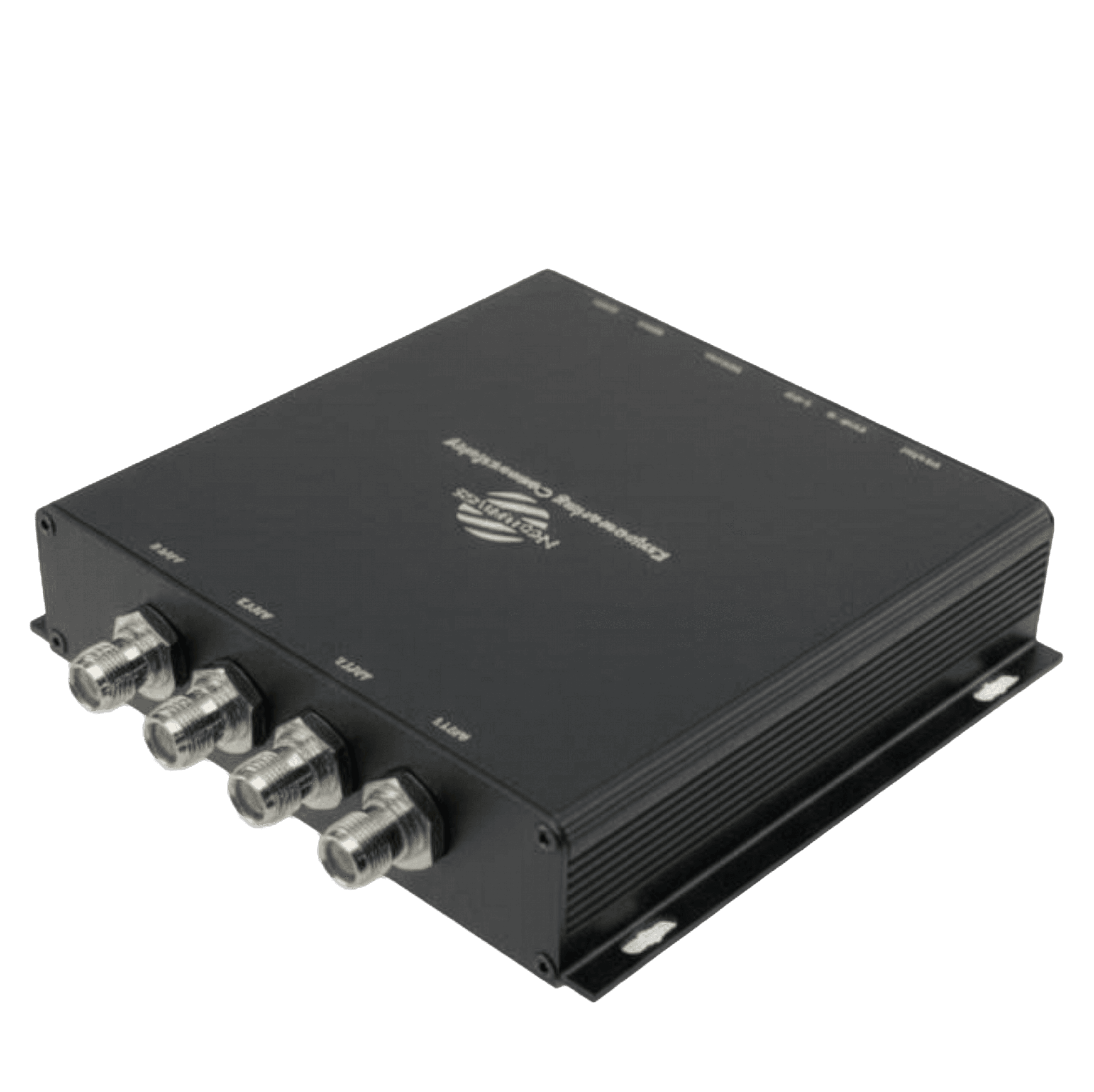
The Sargas 4-Port is a networked tracking device operating on UHF/RAIN. Priced over $1500, compare its legacy middleware requirements to Nextwaves.

Nextwaves mérnöki csapatHardver áttekintés5 perc olvasás

Technical verdict

ThingMagic (JADAK) Sargas (4-Port) is a mainstream hardware purchase, but it is not always the best architecture for direct RFID data integration.

Do not evaluate Sargas (4-Port) by list price alone. Its strongest fit is a project that already uses Ethernet, USB, Micro SD, 8 GPIO, has time for RF tuning, and accepts extra middleware work. If the engineering team needs open APIs, realtime data, and faster edge-to-cloud deployment, Nextwaves NR155 is the stronger replacement path to evaluate.

Initial cost

$1500 before deployment accessories

Published throughput

750 tags/second

Integration surface

Ethernet, USB, Micro SD, 8 GPIO

Physical data

87 x 80 x 23 mm; 0.3 kg; IP: IP52

Published specs

Specifications to validate before replacing

Frekvencia

UHF/RAIN (global)

Protokoll

EPC Gen2V2, ISO 18000-63, Gen2X

Kapcsolat

Ethernet, USB, Micro SD, 8 GPIO

IP besorolás

IP52

Méretek

87 x 80 x 23 mm

Súly

0.3 kg

Tápellátás

PoE or 5V DC

Olvasási sebesség

750

Becsült ár

$1500

Deployment review

Operational strengths and risks

This summary is based on public specifications and does not replace an on-site RF survey.

Fit score

4.0/5

Strengths

  • Ethernet, USB, Micro SD, 8 GPIO gives network teams a familiar integration surface instead of local-only collection.
  • PoE or 5V DC can reduce separate power drops when switch PoE budget is available.
  • The $1500 hardware baseline is easier to budget than premium fixed-reader configurations.
  • 750 tags/second can fit faster inventory lanes when the read zone is tuned correctly.

Validate

  • Quoted hardware price is not installed system cost; include antennas, cables, mounts, power, software, and configuration work.
  • RF performance depends on tag material, antenna position, transmit power, reader orientation, and site interference.
  • IP52 must be checked against dust, humidity, temperature, and cleaning requirements.
  • Raw RFID reads still need duplicate filtering, business-event mapping, and ERP/WMS integration before operations can use them.

Deployment review

Buying decision matrix

Best fit

Fixed UHF RFID projects that already use Ethernet, USB, Micro SD, 8 GPIO and have time for RF tuning.

Weak fit

Do not compare device price only; total cost depends on accessories, software, and integration.

Deployment risk

IP52, PoE or 5V DC, 87 x 80 x 23 mm, and 0.3 kg must match the site layout.

Software risk

Plan for middleware, SDK work, duplicate filtering, and business-event mapping.

Alternative architecture

ThingMagic (JADAK) Sargas (4-Port) vs Nextwaves

01

Hardver áttekintés

A ThingMagic (JADAK) Sargas (4-Port) egy ipari minőségű RFID eszköz. A UHF/RAIN (global) tartományban működik, és támogatja a EPC Gen2V2, ISO 18000-63, Gen2X szabványt, így széles körben alkalmazzák a vállalati logisztikai alkalmazásokban.

IP52 IP besorolásával védelmet nyújt a raktárakban vagy a kiskereskedelmi raktárhelyiségekben jellemző környezeti feltételekkel szemben. Az olvasó a PoE or 5V DC tápellátást használja a folyamatos teljesítményhez, míg a megadott maximális olvasási sebessége 750.

02

Kapcsolat és hálózati integráció

A modern telepítésekben a hálózati integráció a legjelentősebb akadály. Ez a modell Ethernet, USB, Micro SD, 8 GPIO opciót kínál az adatok központi rendszerekbe történő továbbításához.

Azonban a régi ThingMagic (JADAK) hardverek egyik fő szűk keresztmetszete a nagymértékű támaszkodás a szabadalmaztatott SDK-kra (például LLRP) vagy a drága harmadik féltől származó IoT middleware-ekre a nyers címkeadatok értelmes üzleti információkká történő feldolgozásához.

03

When to choose Nextwaves instead of another closed reader

Ha a mérnöki csapata a ThingMagic (JADAK) Sargas (4-Port) értékelését végzi, a Nextwaves NR155 nagymértékben felülmúló, felhőalapú architektúrát kínál. Az örökölt rendszerek a szállítófüggőség és a szabadalmaztatott szoftverökoszisztémák révén magas tőkebefektetést eredményeznek.

A Nextwaves teljes mértékben kiküszöböli ezt az akadályt azáltal, hogy szabványos MQTT REST API-t biztosít közvetlenül az eszközön. A szoftverfejlesztők napok alatt integrálhatják a címkeolvasást az egyéni ERP- vagy WMS-háttérbe, a havi middleware licencelési díjak teljes mellőzésével.

Alternative architecture

NR155 Fix IoT UHF RFID olvasó

Beépített, felhőalapú MQTT/REST API-k. Nincsenek szabadalmaztatott SDK-k, nincs middleware licencelés. Napok alatt integrálhatja ERP-jével vagy WMS-ével.

View Nextwaves NR155
Nextwaves NR155 Fixed IoT UHF RFID Reader

Antenna portok

4 x RP-TNC port

Olvasási sebesség

Akár 400 címke/másodperc

Kimeneti teljesítmény

0–33 dBm (1dB lépések)

Hálózati protokoll

MQTT / MQTTS

FAQ

Gyakran Ismételt Kérdések

These answers help purchasing and engineering teams review cost, integration, and deployment risk.

01

Mi az a Sargas (4-Port)?

The ThingMagic (JADAK) Sargas 4-Port is a high-performance, networked RFID reader. Designed around the ThingMagic M6e Micro module, it supports EPC Gen2V2, ISO 18000-63, Gen2X over UHF/RAIN (global) frequencies for edge computing deployments.

02

Mennyibe kerül kezdetben ez a beállítás?

The base unit is commonly priced around $1500. A comprehensive bill of materials also requires budgeting for 4 external antennas, RF cabling, and establishing a stable PoE or 5V DC power environment.

03

Miért a Nextwaves-t válasszam?

Nextwaves provides embedded REST API and MQTT endpoints directly in the hardware stack. Consequently, software engineering teams can bypass expensive custom IoT middleware and integrate RFID events directly to internal webhooks.

04

Elég tartós a hardver raktárakba?

The compact aluminum housing weighs approximately 0.3 kg and measures 87 x 80 x 23 mm. It features an IP52 rating, making it robust against dust and light drip exposure, but unsuitable for direct outdoor weathering.

05

Támogat több hálózati típust?

Corporate network integration routes through its Ethernet, USB, Micro SD, 8 GPIO interfaces. The extensive 8-pin GPIO allows direct logic interactions with stack lights, programmable logic controllers, and motion sensors.

06

A csapatom be tudja ezt szerelni házon belül?

Physical cabinet mounting uses the integrated flange holes. Optimizing RF performance often requires utilizing the Mercury API to properly configure read/write parameters for the specific Gen2X subset tags in your facility.

07

Hogyan működik a távoli menedzsment?

Under laboratory test conditions, the reader is capable of processing up to 750 tags per second. Extensive device configuration utilizes the proprietary JADAK Universal Reader Assistant (URA) utility.

08

Szükségem van saját szoftverre a futtatásához?

Most enterprise deployments require custom C# or Java applications utilizing the Mercury API to interface effectively with the Ethernet, USB, Micro SD, 8 GPIO ports, adding significant software lifecycle maintenance.

09

Milyen garancia jár az olvasóhoz?

The manufacturer typically provides a standard one-year hardware warranty. Complex factory deployments usually benefit from purchasing extended support SLAs and integration consultancy.

10

Az antennák külön kaphatók?

External RP-SMA connected antennas are strictly required. Careful calibration of these RF ports across the UHF/RAIN (global) frequency bands ensures maximum range without violating local ETSI/FCC regulations.