Ba wa ma'aikatan jinya lokacinsu. Wurin ainihin lokaci ga kowane kadara, kowane magani, kowane lokaci.
Matsalar Dabaru na Kula da Lafiya
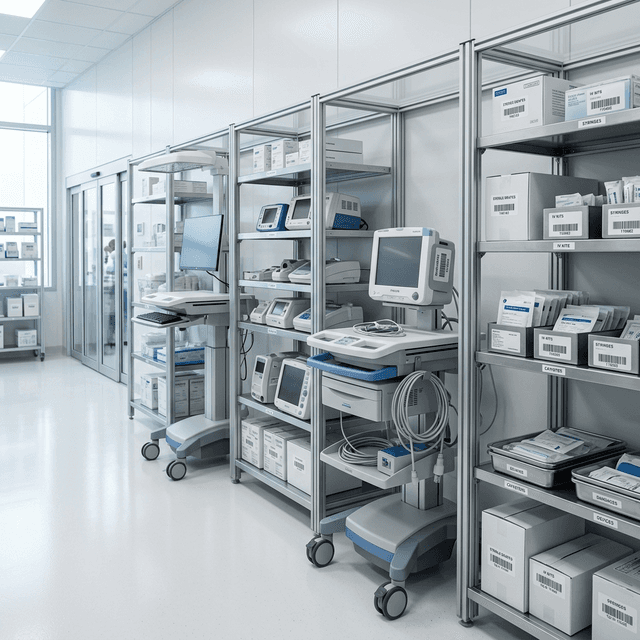
Hospitals are complex, chaotic environments where life-and-death decisions depend on logistics. Yet, the average nurse spends 1 hour per shift - 12% of their time - hunting for equipment. They look for IV pumps, wheelchairs, telemetry packs, and wound vacs. This is 'Hunt and Gather' medicine.
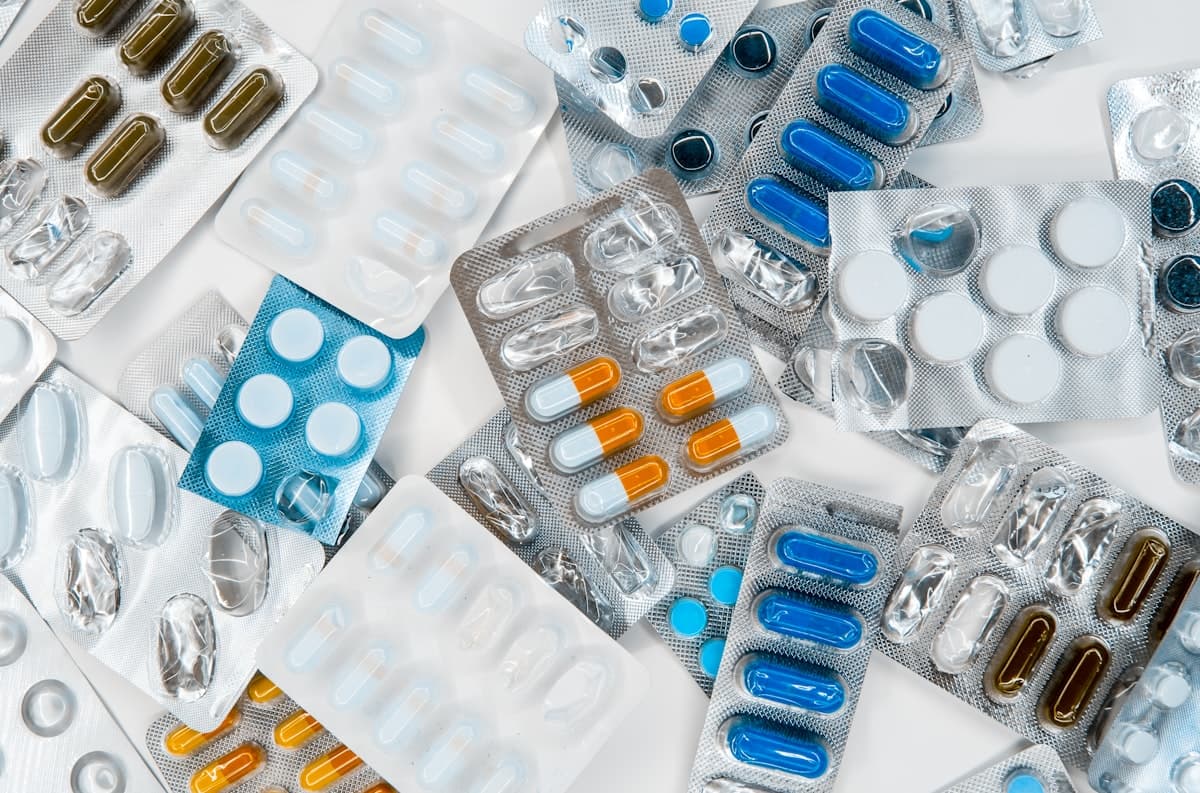
Beyond assets, the management of pharmaceuticals is fraught with risk. Manual tracking of crash carts and medication trays leads to expired drugs remaining in circulation. A single oversight can lead to a Sentinel Event.
Furthermore, patient flow is opaque. Bottlenecks in the ER or OR reduce throughput and patient satisfaction. Without data, administrators cannot optimize staffing or bed turnover.
Tara Kayan Aiki & Rashin su
Saboda ma'aikata ba za su iya samun kayan aiki ba, suna tara su a cikin kabad da tayal rufi. Asibitoci suna ƙarewa da siyan kashi 130% na jiragen ruwa da suke bukata, amma amfani ya kasance ƙasa da 40%. Miliyan daloli suna zaune ba su da amfani.
Tsaron Magani
Sake cika kwandon gaggawa da hannu yana da kuskure. Rashin allurar epinephrine da ta ƙare wata alhaki ne. Ɓarar miyagun ƙwayoyi (sata) kuma wata damuwa ce da ke ƙaruwa wacce log na hannu ba za su iya hana ta ba.
Kula da Cututtuka
Sanin wane kayan aiki ne ya yi hulɗa da mai cutarwa yana da mahimmanci. Ba tare da bin diddigin lamba na dijital ba, asibitoci dole ne su killace kadarori, suna kawo cikas ga ayyuka.
RTLS Mai Aiki & Maras Aiki
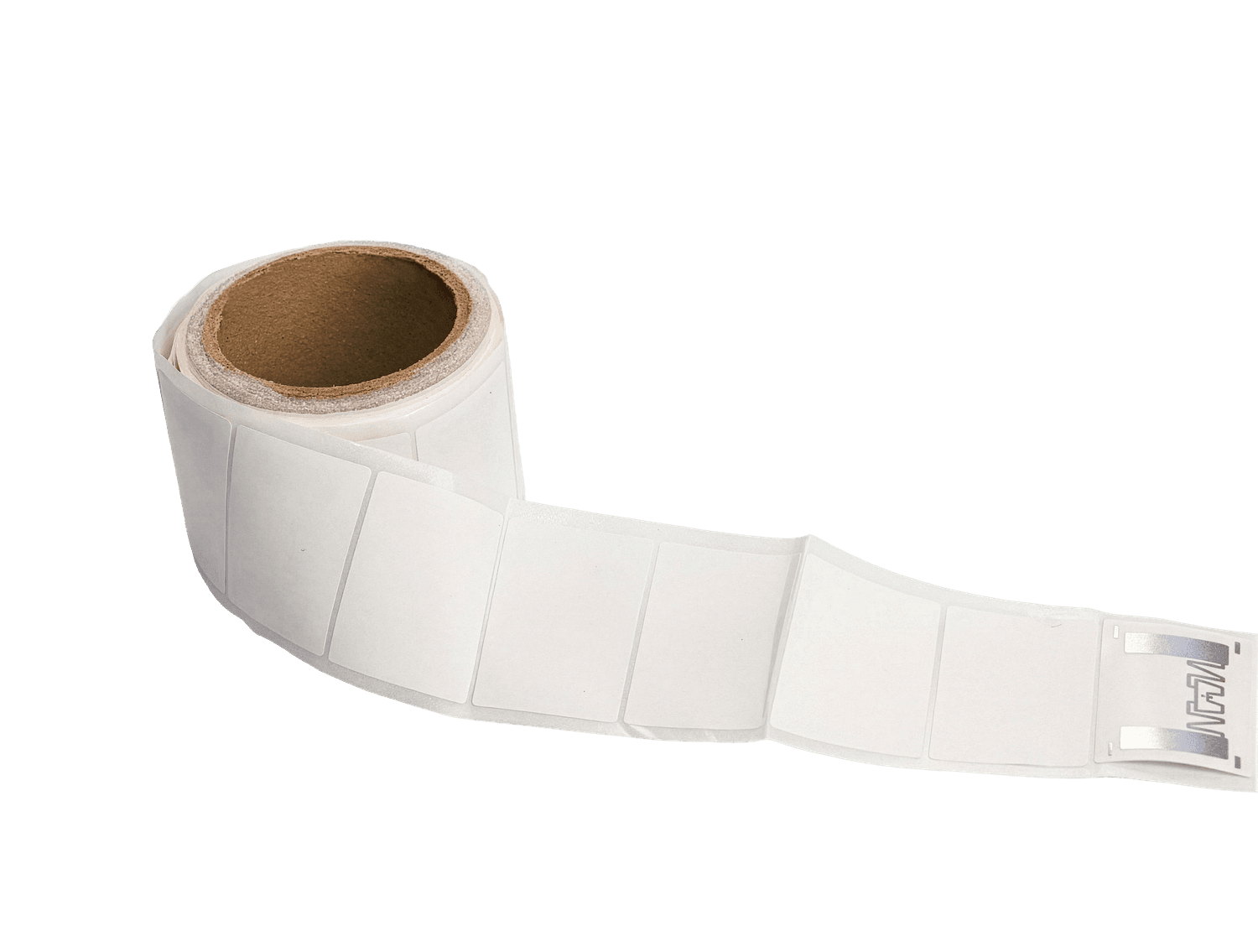
Nextwaves implements a hybrid Real-Time Location System (RTLS). We use Passive UHF RFID for high-volume consumables and low-cost assets (linen, files, meds), and Active (BLE/Wi-Fi) tracking for high-value mobile equipment.
Our 'Smart Cabinets' automatically track every vial of medication taken, updating the patient record and inventory instantly. Our ceiling-mounted arrays track the movement of beds and pumps throughout the facility, visualizing them on a digital map.
This system creates a 'Chain of Custody'. We know exactly who took the drug, for which patient, and when. We know exactly where the infusion pump is, and if it has been cleaned since its last use.
ROI na Kiwon Lafiya & Kudi
Lafiyar Mai haƙuri
Tsaida 'Ba Abubuwan da suka faru ba'. Binciken atomatik yana tabbatar da magani daidai, daidai sashi, daidai mai haƙuri.
Amfani da Kadara
Rage girman jirgin ruwa da 20% yayin ƙara samuwa. Dakatar da siyan famfunan da ba ku buƙata ba.
Gamsuwa ga Ma'aikata
Ba wa ma'aikatan jinya lokacinsu. Bari su mai da hankali kan kulawa, ba dabaru ba.
Bin Dokoki
Log na atomatik don Hukumar Haɗin Gwiwa (TJC). Nuna rashin haihuwa da bin ka'idojin kulawa nan take.
Wani cibiyar kula da raunuka mai gadaje 500 ta yi fama da fitar da ER da kuma karancin famfunan IV na yau da kullun. Ma'aikatan jinya sun ba da rahoton jinkiri wajen kula da rashin kayan aiki.
An tsara don Sirrin Marasa lafiya
Healthcare RFID has a higher bar than retail. No patient name, diagnosis, or personally identifiable information (PII) is ever written to a tag. Tags carry only an anonymous token. a number that means nothing without access to the secure backend that links it to a patient record.
That database layer is encrypted, access-controlled, and audited. Clinicians see only the data their role permits. Administrators see utilization reports. No one sees patient data through the RFID layer itself. We are fully HIPAA-compliant by design, not by policy workaround.
Daga Bibiya zuwa Hasashen
Location data is just the start. When you have a continuous stream of where every asset and patient is, patterns emerge. We are working on models that can predict equipment bottlenecks 4–6 hours before they happen, giving charge nurses time to reassign before care is impacted.
On the horizon: beds that automatically report patient weight and pressure changes, smart cabinets that reorder medications before they run out, and OR scheduling that adjusts in real time based on actual equipment location, not assumptions.