RFID replacement dossierUpdated: May 25, 2026

Impinj R700Bita: Siffofi da Madadin

R700 serves as a reliable tracking device operating on 860-960 MHz. Starting at $1800. Nextwaves is the top alternative for your deployments.

Tawagar Injiniyoyin NextwavesBita na Kayan Aiki6 min karatu

Technical verdict

Impinj R700 is a mainstream hardware purchase, but it is not always the best architecture for direct RFID data integration.

Do not evaluate R700 by list price alone. Its strongest fit is a project that already uses Gigabit Ethernet, USB, has time for RF tuning, and accepts extra middleware work. If the engineering team needs open APIs, realtime data, and faster edge-to-cloud deployment, Nextwaves NR155 is the stronger replacement path to evaluate.

Initial cost

$1800 before deployment accessories

Published throughput

1,100 tags/second

Integration surface

Gigabit Ethernet, USB

Physical data

21.4 x 14.9 x 3.0 cm; 0.96 kg; IP: N/A

Published specs

Specifications to validate before replacing

Frekwensi

860-960 MHz

Tsarin

RAIN RFID / ISO 18000-63, Gen2v2

Haɗin kai

Gigabit Ethernet, USB

Darajar IP

N/A

Ma'auni

21.4 x 14.9 x 3.0 cm

Nauyi

0.96 kg

Kayayyakin Wuta

PoE/PoE+

Saurin Karatu

1,100

Kimanin Farashi

$1800

Deployment review

Operational strengths and risks

This summary is based on public specifications and does not replace an on-site RF survey.

Fit score

3.5/5

Strengths

  • Gigabit Ethernet, USB gives network teams a familiar integration surface instead of local-only collection.
  • PoE/PoE+ can reduce separate power drops when switch PoE budget is available.
  • The $1800 hardware baseline is easier to budget than premium fixed-reader configurations.
  • 1,100 tags/second can fit faster inventory lanes when the read zone is tuned correctly.

Validate

  • Quoted hardware price is not installed system cost; include antennas, cables, mounts, power, software, and configuration work.
  • RF performance depends on tag material, antenna position, transmit power, reader orientation, and site interference.
  • N/A must be checked against dust, humidity, temperature, and cleaning requirements.
  • Raw RFID reads still need duplicate filtering, business-event mapping, and ERP/WMS integration before operations can use them.

Deployment review

Buying decision matrix

Best fit

Fixed UHF RFID projects that already use Gigabit Ethernet, USB and have time for RF tuning.

Weak fit

Do not compare device price only; total cost depends on accessories, software, and integration.

Deployment risk

N/A, PoE/PoE+, 21.4 x 14.9 x 3.0 cm, and 0.96 kg must match the site layout.

Software risk

Plan for middleware, SDK work, duplicate filtering, and business-event mapping.

Alternative architecture

Impinj R700 vs Nextwaves

01

Bayanin Kayan Aiki

Na'urar Impinj R700 ita ce na'urar RFID mai ƙarfi a masana'antu. Tana aiki a cikin kewayon 860-960 MHz kuma tana tallafawa ma'aunin RAIN RFID / ISO 18000-63, Gen2v2, wanda ke sa a yi amfani da ita sosai a cikin aikace-aikacen dabarun sufuri na kamfanoni.

Tare da darajar IP N/A, tana ba da kariya daga yanayin muhalli na musamman da ake samu a manyan wuraren ajiya ko ɗakunan kasuwanci. Mai karatun yana amfani da PoE/PoE+ don ci gaba da aiki, yayin da ƙimar saurin karatu mafi girma da aka bayyana ita ce 1,100.

02

Haɗin Kai da Haɗa Cibiyar Sadarwa

A cikin aikace-aikacen zamani, haɗa cibiyar sadarwa shine babban ƙalubale. Wannan samfurin yana ba da zaɓuɓɓukan Gigabit Ethernet, USB don canja wurin bayanai zuwa tsarin tsakiya.

Duk da haka, babban cikas tare da kayan Impinj na tsohuwar fasaha shine dogaro sosai da SDKs masu mallaka (kamar LLRP) ko kuma kayan aikin IoT na ɓangare na uku masu tsada don sarrafa bayanan alamar da ba a sarrafa ba zuwa fahimtar kasuwanci mai ma'ana.

03

When to choose Nextwaves instead of another closed reader

Idan ƙungiyar injiniyarku tana tantance Impinj R700, Nextwaves NR155 na gabatar da tsarin gajimare mai ƙarfi sosai. Tsarin tsofaffi na haifar da babban kashe kuɗi ta hanyar kulle masu sayarwa da tsarin software na mallaka.

Nextwaves gaba ɗaya yana kawar da wannan ƙalubale ta hanyar samar da API na MQTT REST na al'ada kai tsaye a kan na'urar. Masu haɓaka software ɗinku za su iya haɗa karatun alama kai tsaye cikin tsarin ERP ko WMS na al'ada a cikin kwanaki maimakon watanni, tare da kaucewa kuɗaɗen lasisin middleware na yau da kullum.

Alternative architecture

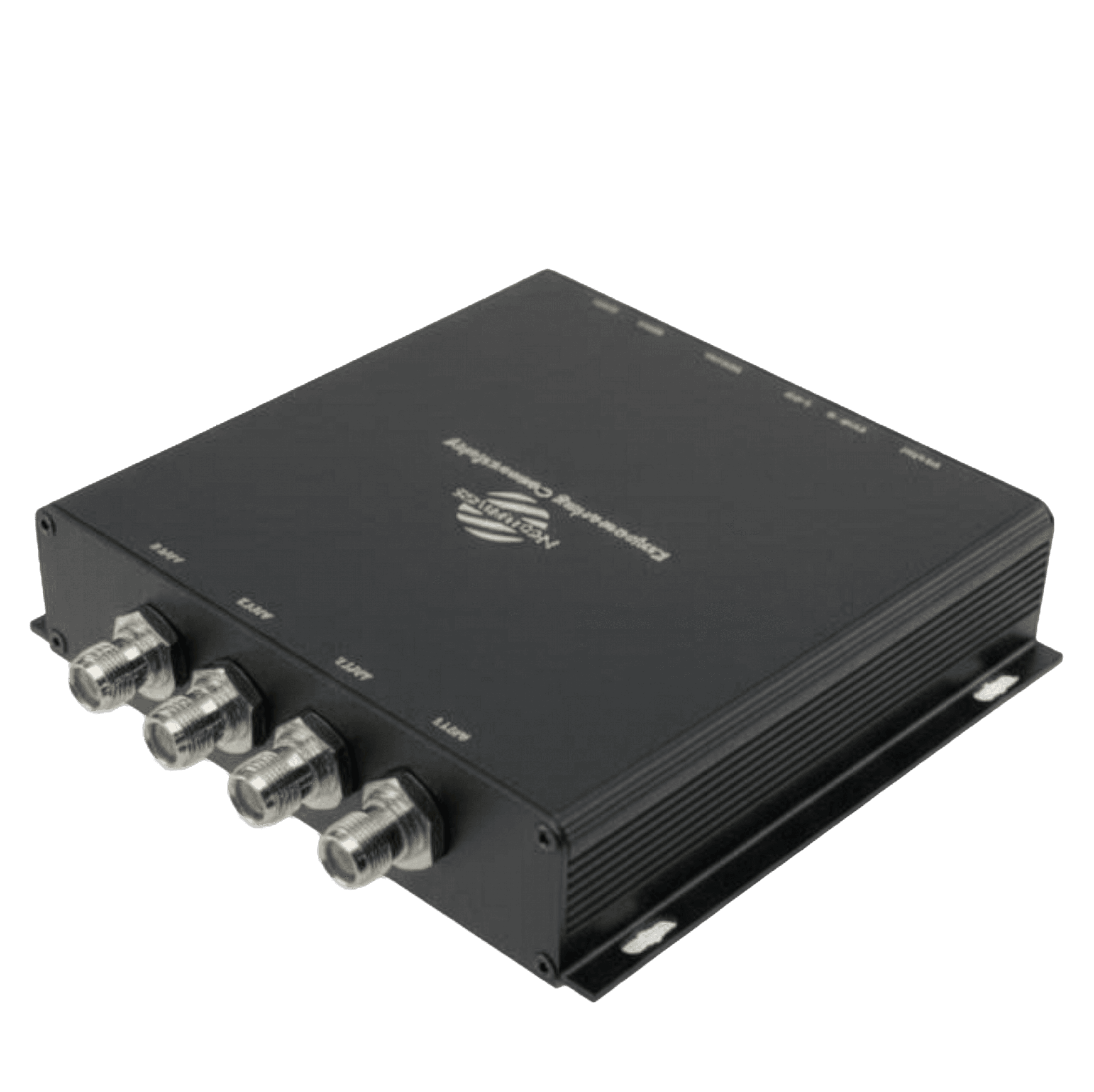
NR155 Mai Karanta Tsayayyen IoT UHF RFID

API na MQTT/REST na girgije da aka gina a ciki. Babu SDKs masu mallaka, babu lasisin middleware. Haɗa kai tsaye da ERP ko WMS ɗinku cikin 'yan kwanaki.

View Nextwaves NR155
Nextwaves NR155 Fixed IoT UHF RFID Reader

Ƙofofin Antena

Tashoshin RP-TNC 4

Saurin Karatu

Har zuwa alamu 400 a dakika

Ƙarfin Fitarwa

0–33 dBm (matakai 1dB)

Tsarin Cibiyar Sadarwa

MQTT / MQTTS

FAQ

Tambayoyi da Aka Fi Tambaya

These answers help purchasing and engineering teams review cost, integration, and deployment risk.

01

Menene R700?

The R700 is a specialized device built by Impinj for identifying tagged assets. It supports RAIN RFID / ISO 18000-63, Gen2v2 over 860-960 MHz. You can achieve better inventory accuracy quickly. Your business saves countless hours previously lost to manual counting tasks.

02

Nawa ne wannan saitin yake kashewa da farko?

You can expect to pay around $1800 for the base hardware setup. You must also budget for antennas (if required), writing, and software, as it uses PoE/PoE+ for power. Your total yearly cost increases directly alongside any enterprise connectivity setups using Gigabit Ethernet, USB.

03

Me yasa zan zaɓi Nextwaves maimakon?

Nextwaves gives you incredible value and native cloud integration capabilities immediately. You completely avoid the expensive high licensing fees of competing legacy brands. Your deployments scale effortlessly using standard MQTT REST API tools designed explicitly for ultimate software developer convenience.

04

Shin kayan aikin suna da ƙarfi sosai don shagunan ajiya?

Yes, This robust device is built beautifully, making it suited for its intended environments. It weighs 0.96 kg and has dimensions of 21.4 x 14.9 x 3.0 cm. Your daily operations continue running smoothly despite physical shocks effortlessly. You will absolutely love how easily you can boost productivity.

05

Shin yana goyan bayan nau'ikan hanyar sadarwa da yawa?

You can connect this hardware using Gigabit Ethernet, USB very easily. Your network administrators perfectly control all the traffic applying custom built-in enterprise security firewall features. You securely process your data. You will absolutely love how easily you can boost productivity.

06

Shin ƙungiyata za ta iya shigar da wannan a ciki?

Your internal IT team can handle the initial physical mounting perfectly. You may need specialized technicians to properly configure its RAIN RFID / ISO 18000-63, Gen2v2 tag reading setup. Proper physical tuning guarantees maximum read accuracy and stops annoying radio signal interference from halting production completely.

07

Ta yaya aikin gudanarwa na nesa yake aiki?

You securely access the unified control panel through any standard web browser or its included SDK. It supports read rates up to 1,100. You deploy new firmware updates easily. Your corporate maintenance costs drop dramatically because costly physical site visits become extremely rare events.

08

Ina bukatan software na mallaka don gudanar da shi?

You generally require proprietary middleware to parse all the incoming data from its Gigabit Ethernet, USB interfaces. Nextwaves provides standard open protocols to completely eliminate this unnecessary costly requirement. You seamlessly process millions of tag reads directly inside your custom backend.

09

Wace garanti ce ke zuwa tare da reader?

You typically get a very standard one-year warranty on all physical parts. You can purchase helpful extended warranties paying an additional monthly service fee. Nextwaves includes excellent local technical support to ensure your crucial system tracking never fails unexpectedly. You will absolutely love how easily you can boost productivity.

10

Ana sayar da antennas daban?

Many fixed readers require external antennas, while handhelds and modules vary. Your final choice heavily influences your total system read range over the 860-960 MHz frequency band. You should consult a trained technical specialist to properly select the exact perfect setup.