Esforzo repetitivo
A dixitalización manual de miles de libros causa lesións por esforzo repetitivo (RSI) para o persoal.


As bibliotecas son centros comunitarios, pero moitas veces os bibliotecarios senten como traballadores de almacén. As horas pásanse comprobando libros de forma manual cando entran e cando se devolven, ordenando as devolucións e buscando exemplares mal colocados mediante escáneres de código de barras con liña de visión.
Os usuarios buscan comodidade. Queren coller un libro e ir, ou devolvelo 24/7 sen esperar en colas. As tiras de seguridade EM tradicionais protexen contra o roubo, pero non ofrecen intelixencia de inventario.
O resultado é unha experiencia chea de fricción, na que o persoal queda enterrado en tarefas administrativas en vez de conectar coa comunidade.
A dixitalización manual de miles de libros causa lesións por esforzo repetitivo (RSI) para o persoal.
Un libro mal colocado é un libro perdido. Sen RFID, atopar un libro colocado na estantería incorrecta é unha busca de agulla nun palleiro.
As horas punta crean longas colas na mesa de circulación, o que frustra aos usuarios.
Nextwaves trae a biblioteca á era moderna con solucións de RFID HF/NFC e UHF. Inserimos unha etiqueta RFID fina e invisible no lombo ou na cuberta de cada libro.
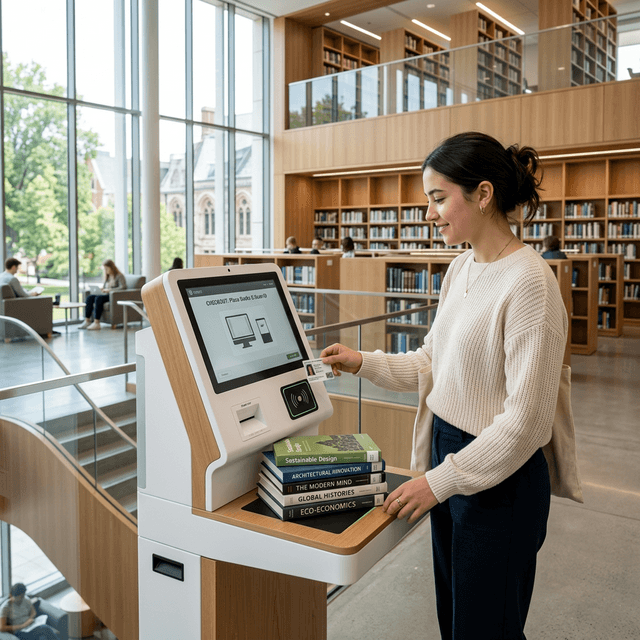
Os Quioscos de Autocheckout permiten que os usuarios apilen 5-10 libros á vez na zona de lectura. O sistema le todos instantaneamente, desactiva o bit de seguridade e imprime un recibo en cuestión de segundos.
Os Vertedoiros de devolucións intelixentes (AMH) aceptan libros 24/7. A medida que o libro se desliza polo canle, escanéase, rexístrase e incluso se ordena automaticamente en colectores para re-colocación nas estanterías. O persoal pode usar varas manuais para varrer estanterías, atopando de inmediato libros perdidos e verificando a colocación.
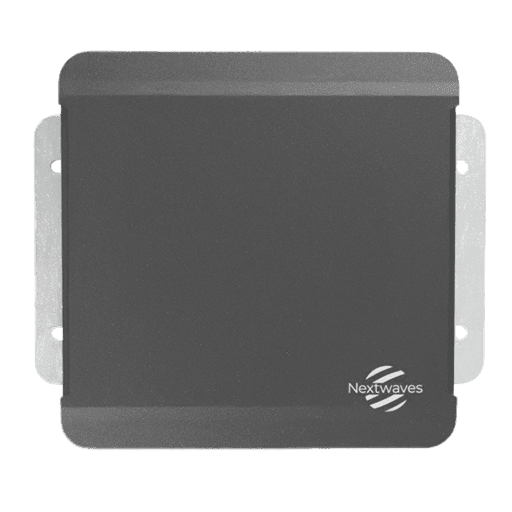
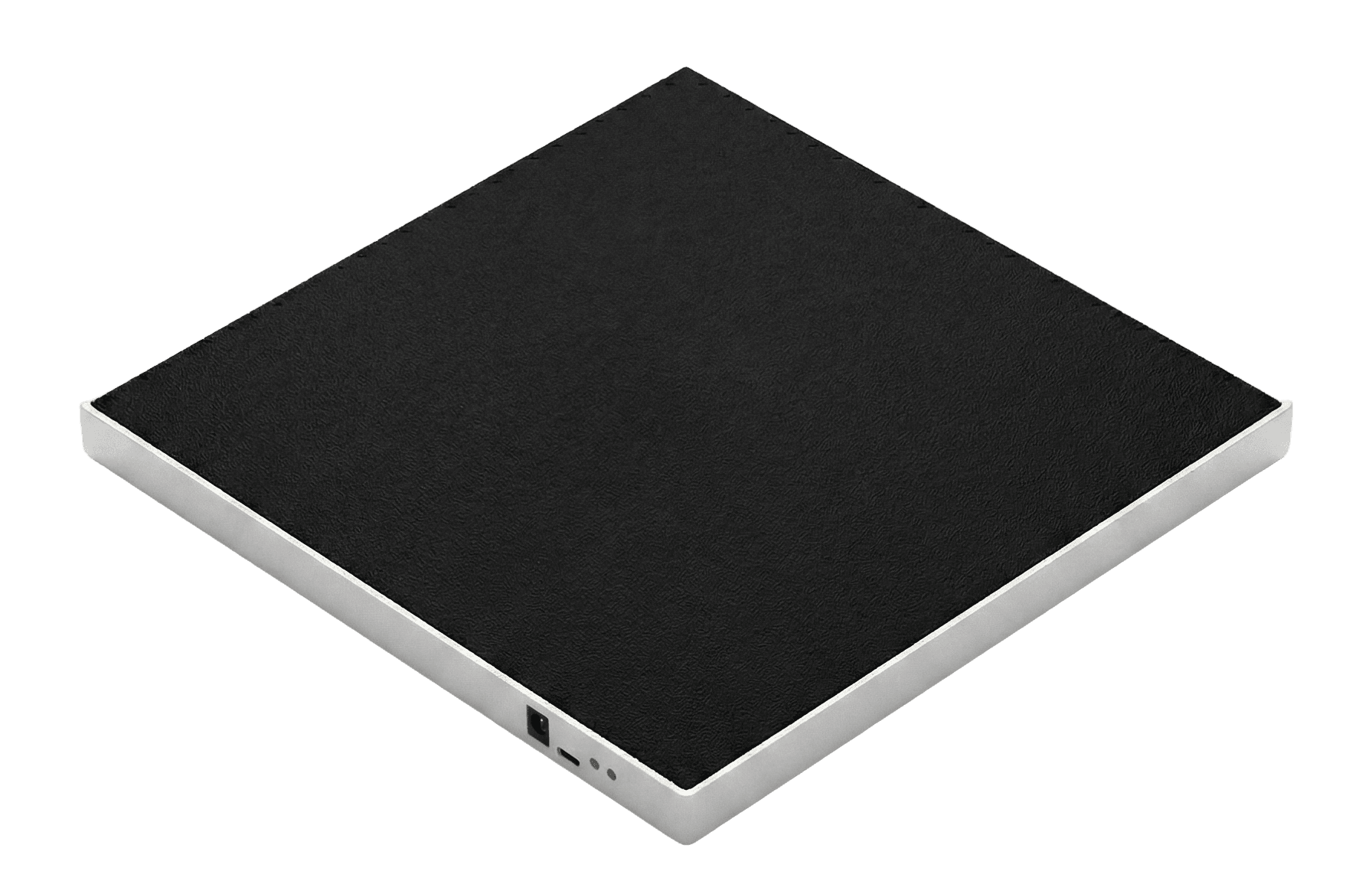
Permita aos usuarios sacar e devolver elementos ao instante, reducindo as colas.
Atopa un libro mal colocado en segundos simplemente camiñando polo corredor cunha vara.
As devolucións automatizadas de libros actualizan a conta do usuario inmediatamente.
Os bibliotecarios pasan de 'manexadores de libros' a 'especialistas en información'.
Unha nova biblioteca central quería abrir cun modelo de circulación 'sen persoal' para maximizar o orzamento para os programas comunitarios.
Migrar toda a colección dunha biblioteca é unha tarefa importante, por iso deseñamos para a coexistencia. As nosas etiquetas híbridas inclúen tanto o código de barras anterior como un novo chip RFID na mesma etiqueta. Así, o teu ILS existente segue funcionando mentres o persoal migra gradualmente a fluxos de traballo con RFID ao seu ritmo.
Para a maioría de bibliotecas públicas recomendamos HF (13,56 MHz). A mesma frecuencia usada polas tarxetas de pagamento e os teléfonos NFC, que ofrece unha precisión excelente e privacidade para os usuarios. As grandes coleccións académicas que xestionan inventario masivo de decenas de miles de exemplares benefícianse da rapidez do UHF. Avaliamos a túa colección e recomendámosche a frecuencia correcta, non unha solución única para todo.
O RFID fai viable o modelo de “horas sen persoal”. Os usuarios rexistrados poden acceder ao edificio coa súa tarxeta de socio, consultar e retirar libros de forma independente, e devolver os exemplares a través de opcións automatizadas. Ás 10 da noite un martes, ou ás 6 da mañá un domingo.
A mesma infraestrutura desbloquea intelixencia de inventario para o persoal: en poucos minutos, unha varilla manual percorre toda unha sección e saca á luz cada exemplar mal colocado. O que antes lle levaba a un bibliotecario un turno enteiro agora leva só uns minutos ao comezo do día.
Protexe portátiles e equipos informáticos con portas de seguridade RFID, etiquetas anti-metal e auditorías automatizadas.
Crea unha experiencia moderna e fluída para os teus usuarios.