Devólvalle o tempo ás enfermeiras. Localización en tempo real para cada activo, cada medicamento, cada momento.
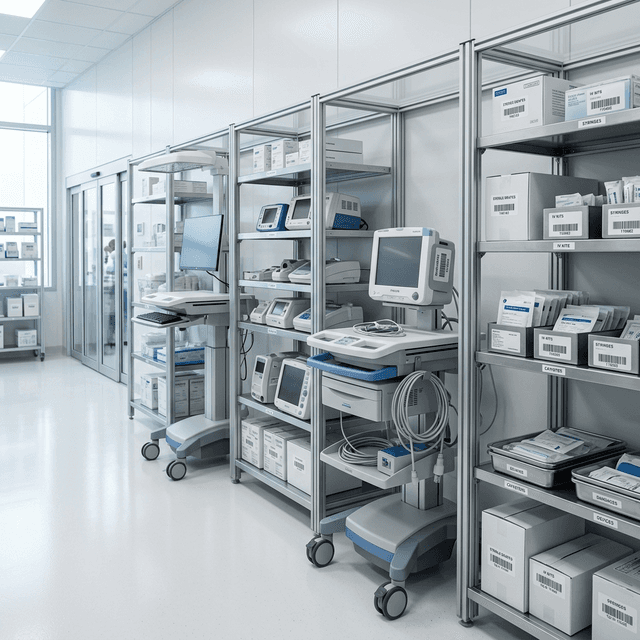
Os hospitais son ambientes complexos e caóticos onde as decisións de vida ou morte dependen da loxística. E aínda así, a enfermeira media pasa 1 hora por quenda —o 12% do seu tempo— buscando equipos. Busca bombas de IV, cadeiras de rodas, kits de telemetría e equipos de baleiro para feridas. É unha medicina de “buscar e recoller”.
Xestión de activos sanitariosEPC Gen2Iniciar un piloto
$1,2MEvitación de custos de capital (non se compraron bombas novas)
6.000 horasHoras de enfermería devoltas á atención (anual)
100%Cumprimento da auditoría de carros de emerxencia
Xestión de activos sanitariosO noso enfoqueO que obténEstudo de caso
O problema
A crise da loxística asistencial
Os hospitais son ambientes complexos e caóticos onde as decisións de vida ou morte dependen da loxística. E aínda así, a enfermeira media pasa 1 hora por quenda —o 12% do seu tempo— buscando equipos. Busca bombas de IV, cadeiras de rodas, kits de telemetría e equipos de baleiro para feridas. É unha medicina de “buscar e recoller”.
Máis aló dos activos, a xestión de produtos farmacéuticos está chea de riscos. O seguimento manual de carros de emerxencia e bandexas de medicación fai que fármacos caduquen e sigan en circulación. Un único despiste pode levar a un Sentinel Event.
Ademais, o fluxo de pacientes é opaco. Os gargalos na urxencia ou no quirófano reducen a produtividade e a satisfacción do paciente. Sen datos, os responsables non poden optimizar persoal nin rotación de camas.
Puntos de dor clave 01
Acumulación e perda de activos
Debido a que o persoal non pode atopar o equipamento, acumúlao en armarios e tellas do teito. Os hospitais acaban comprando o 130 % da súa frota necesaria, pero a utilización permanece por debaixo do 40 %. Millóns de dólares permanecen inactivos.
Puntos de dor clave 02
Seguridade dos medicamentos
A reposición manual dos carros de emerxencia é propensa a erros. Un vial de epinefrina caducado perdido é unha responsabilidade. A desviación de medicamentos (roubo) tamén é unha preocupación crecente que os rexistros manuais non poden evitar.
Puntos de dor clave 03
Control de infeccións
Saber que equipamento interactuou cun paciente infeccioso é fundamental. Sen rastrexo de contactos dixitais, os hospitais deben poñer en corentena os activos, interrompendo as operacións.
O noso enfoque
RTLS Activo e Pasivo
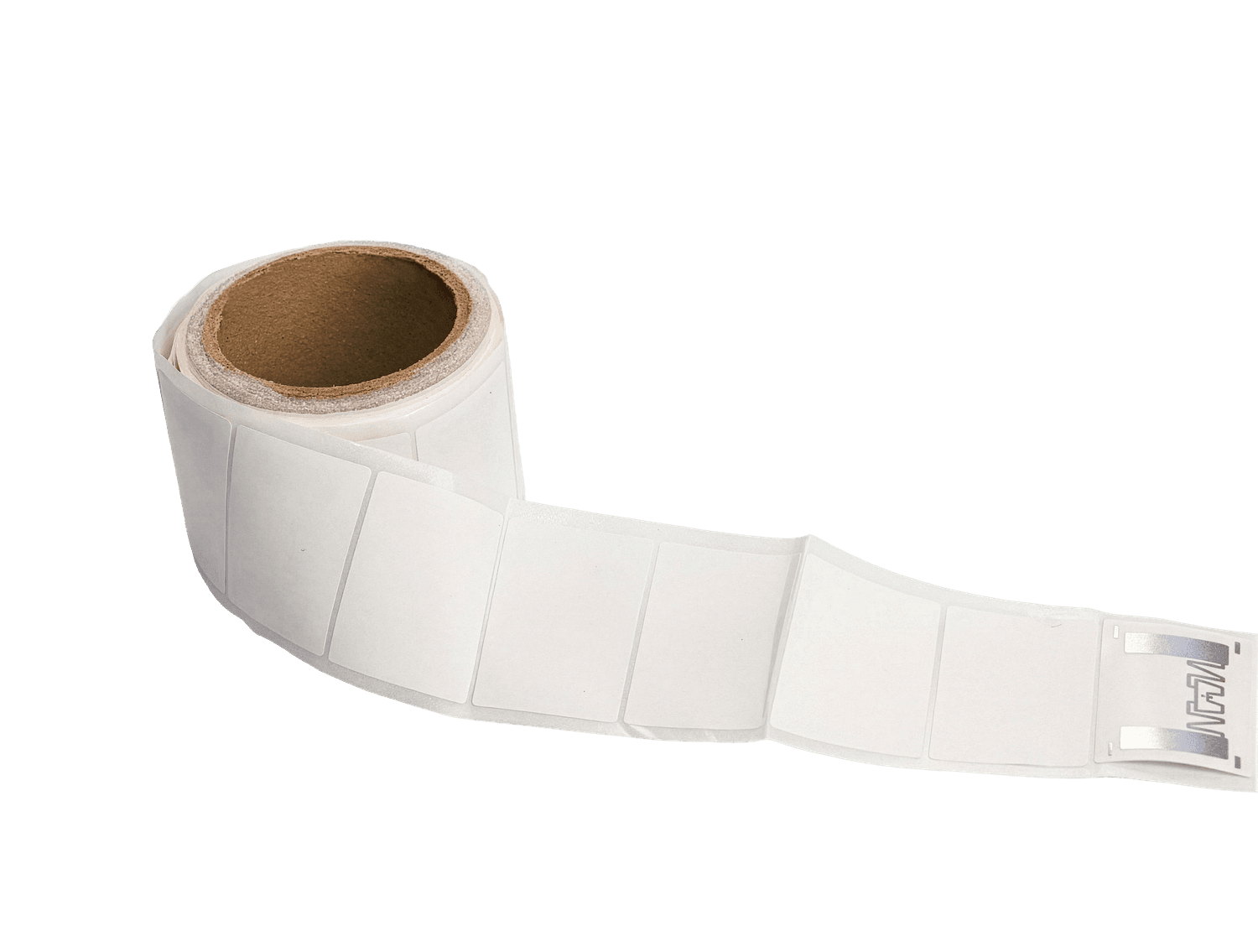
Nextwaves implementa un sistema híbrido Real-Time Location System (RTLS). Usamos Passive UHF RFID para consumibles de alto volume e activos de baixo custo (roupa de cama, arquivos, medicamentos) e Active (BLE/Wi-Fi) para o seguimento de equipamento móbil de alto valor.
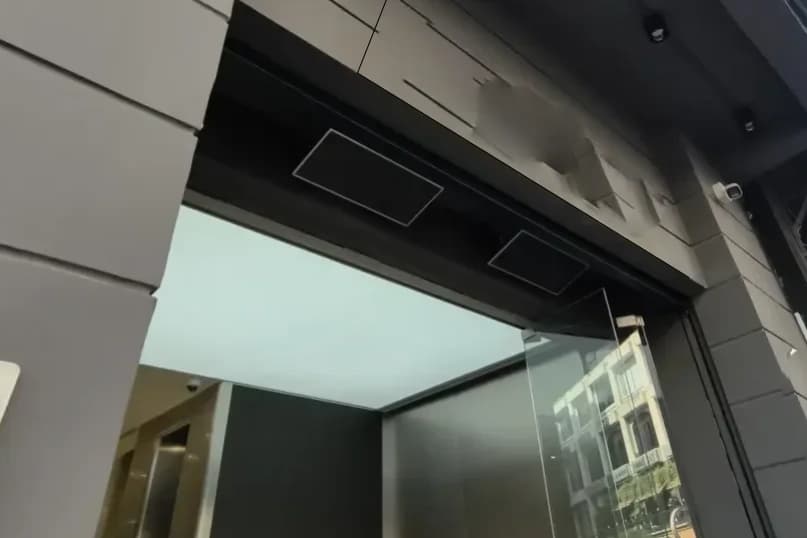
Os nosos “Armarios intelixentes” rastrexan automaticamente cada vial de medicación tomada, actualizando o rexistro do paciente e o inventario de forma instantánea. As matrices montadas no teito rastrexan o movemento de camas e bombas por todo o centro, visualizándoas nun mapa dixital.
Este sistema crea unha “Cadena de custodia”. Sabemos exactamente quen tomou o fármaco, para que paciente e cando. Sabemos exactamente onde está a bomba de infusión e se foi limpa desde o seu último uso.
O que obtén
ROI clínico e financeiro
01
Seguridade do paciente
Evita 'Eventos nunca'. As comprobacións automatizadas garanten o medicamento correcto, a dose correcta e o paciente correcto.
02
Utilización de activos
Reduce o tamaño da flota nun 20 % ao tempo que aumenta a dispoñibilidade. Deixa de comprar bombas que non necesitas.
03
Satisfacción do persoal
Devólvelle o tempo ás enfermeiras. Permítelles centrarse na atención, non na loxística.
04
Cumprimento normativo
Rexistros automatizados para The Joint Commission (TJC). Demostra a esterilidade e o cumprimento do mantemento ao instante.
Estudo de caso
Estudo de caso: Centro Médico Rexional
Un centro de trauma de 500 camas loitaba coa capacidade de atención de urxencias e a escaseza crónica de bombas intravenosas. As enfermeiras informaban de atrasos na atención debido á falta de equipamento.
O RFID sanitario ten un listón máis alto que o retail. Nunca se escribe en ningunha etiqueta o nome do paciente, o diagnóstico nin información persoal identificable (PII). As etiquetas só transportan un token anónimo: un número que non significa nada sen acceso ao backend seguro que o relaciona cun rexistro do paciente.
Esa capa de base de datos está cifrada, con control de acceso e auditoría. O persoal clínico só ve os datos que o seu rol permite. Os administradores ven informes de utilización. Ninguén ve datos de pacientes a través da propia capa RFID. Somos totalmente compatibles con HIPAA por deseño, non por un arranxo de política.
Que segue
De Seguimento a Predición
Os datos de localización son só o comezo. Cando tes un fluxo continuo de onde está cada activo e cada paciente, xorden patróns. Estamos a traballar en modelos que poden predicir colos de botella do equipo entre 4 e 6 horas antes de que ocorran, dando tempo ás enfermeiras xefe para reasignar antes de que se vexa afectada a atención.
No horizonte: camas que informan automaticamente do peso do paciente e dos cambios de presión, armarios intelixentes que reordenan medicación antes de que se esgote, e planificación de quirófano que se axusta en tempo real segundo a localización real do equipo, non por suposicións.
Kits de arranque
Kits RFID listos para implementar
A partir de1.750 $
Kit de inicio de seguridade
Protexe portátiles e equipos informáticos con portas de seguridade RFID, etiquetas anti-metal e auditorías automatizadas.