RFID replacement dossierUpdated: May 25, 2026

Zebra AN480Revisión: Especificacións e alternativas

The Zebra AN480 is an industrial passive antenna element costing $200. Contrast its coaxial installation needs against Nextwaves integrated network panels.

Enxeñaría de NextwavesRevisión de hardware5 min de lectura

Technical verdict

Zebra AN480 is a mainstream hardware purchase, but it is not always the best architecture for direct RFID data integration.

Do not evaluate AN480 by list price alone. Its strongest fit is a project that already uses Type N Female, has time for RF tuning, and accepts extra middleware work. If the engineering team needs open APIs, realtime data, and faster edge-to-cloud deployment, Nextwaves NR155 is the stronger replacement path to evaluate.

Initial cost

$200 before deployment accessories

Published throughput

Not specified

Integration surface

Type N Female

Physical data

259 x 259 x 33 mm; 1.13 kg; IP: IP54

Published specs

Specifications to validate before replacing

Frecuencia

Global (865-956 MHz)

Protocolo

N/A (Passive Antenna Element)

Conectividade

Type N Female

Grao IP

IP54

Dimensións

259 x 259 x 33 mm

Peso

1.13 kg

Alimentación

N/A (Passive)

Velocidade de lectura

N/A (Passive)

Prezo estimado

$200

Deployment review

Operational strengths and risks

This summary is based on public specifications and does not replace an on-site RF survey.

Fit score

3.5/5

Strengths

  • Type N Female gives network teams a familiar integration surface instead of local-only collection.
  • N/A (Passive) can reduce separate power drops when switch PoE budget is available.
  • The $200 hardware baseline is easier to budget than premium fixed-reader configurations.
  • Throughput should be measured with real tags and antennas.

Validate

  • Quoted hardware price is not installed system cost; include antennas, cables, mounts, power, software, and configuration work.
  • RF performance depends on tag material, antenna position, transmit power, reader orientation, and site interference.
  • IP54 must be checked against dust, humidity, temperature, and cleaning requirements.
  • Raw RFID reads still need duplicate filtering, business-event mapping, and ERP/WMS integration before operations can use them.

Deployment review

Buying decision matrix

Best fit

Fixed UHF RFID projects that already use Type N Female and have time for RF tuning.

Weak fit

Do not compare device price only; total cost depends on accessories, software, and integration.

Deployment risk

IP54, N/A (Passive), 259 x 259 x 33 mm, and 1.13 kg must match the site layout.

Software risk

Plan for middleware, SDK work, duplicate filtering, and business-event mapping.

Alternative architecture

Zebra AN480 vs Nextwaves

01

Visión xeral do hardware

O Zebra AN480 é un dispositivo RFID de calidade industrial. Opera dentro do rango de Global (865-956 MHz) e soporta o estándar N/A (Passive Antenna Element), sendo amplamente despregado en aplicacións de loxística empresarial.

Con un grao IP de IP54, ofrece protección fronte a condicións ambientais típicas en almacéns ou zonas traseiras de establecementos retail. O lector utiliza N/A (Passive) para rendemento continuo, mentres a súa velocidade máxima de lectura declarada alcanza N/A (Passive).

02

Conectividade e integración de rede

Nas despregamentacións modernas, a integración de rede é o principal obstáculo. Este modelo ofrece opcións de Type N Female para transferir datos aos sistemas centrais.

Con todo, un gran cuello de botella co hardware herdado de Zebra é a forte dependencia de SDKs propietarios (como LLRP) ou middleware IoT de terceiros custoso para procesar datos de etiquetas cruas en intelixencia de negocio significativa.

03

When to choose Nextwaves instead of another closed reader

Se o teu equipo de enxeñaría está avaliando o Zebra AN480, o Nextwaves NR155 presenta unha arquitectura cloud-native moito superior. Os sistemas herdados inherentemente impulsan altos gastos de capital a través do bloqueo de provedores e ecosistemas de software propietarios.

Nextwaves elimina completamente esta barreira proporcionando unha API MQTT REST estándar directamente no dispositivo. Os teus desenvolvedores de software poden integrar a lectura de etiquetas directamente no teu backend personalizado de ERP ou WMS en días en lugar de meses, evitando completamente as taxas de licenza de middleware recurrentes.

Alternative architecture

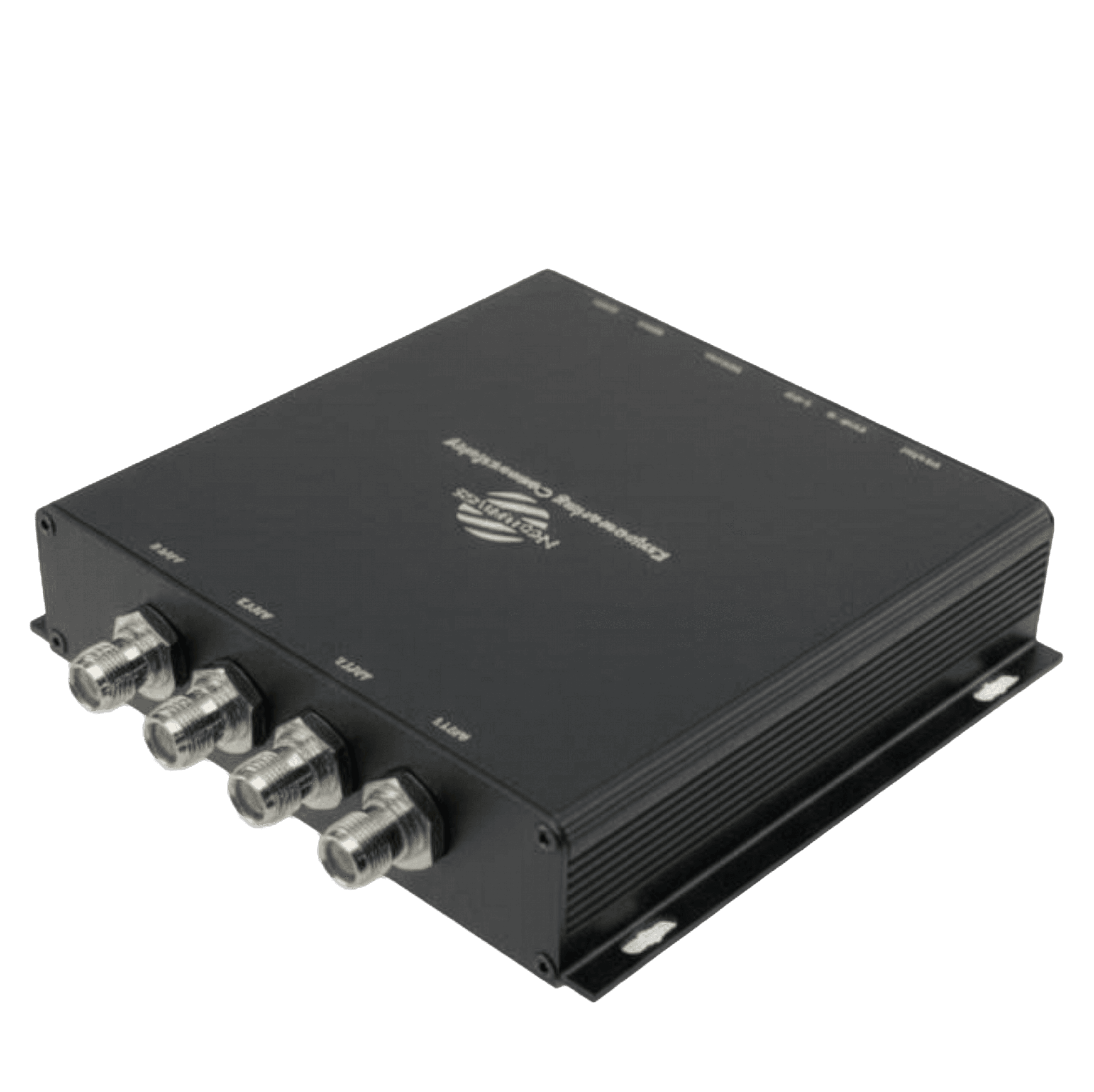
Lector RFID UHF IoT fixo NR155

APIs MQTT/REST cloud-native integradas. Sen SDKs propietarios, sen licenzas de middleware. Integra directamente co teu ERP ou WMS en días.

View Nextwaves NR155
Nextwaves NR155 Fixed IoT UHF RFID Reader

Portos de antena

4 x cổng RP-TNC

Velocidade de lectura

Ata 400 etiquetas/segundo

Potencia de saída

0–33 dBm (pasos de 1dB)

Protocolo de rede

MQTT / MQTTS

FAQ

Preguntas frecuentes

These answers help purchasing and engineering teams review cost, integration, and deployment risk.

01

Que é o AN480?

The Zebra AN480 is a passive indoor/outdoor RFID antenna panel. Operating seamlessly across both EU and US Global (865-956 MHz) bands within a single footprint, it functions strictly to bounce UHF energy pushed from a standalone interrogator unit.

02

Canto custa esta configuración inicialmente?

Hardware modules start at $200. This price omits the fundamental components required for operation such as an active reader, massive low-loss RF cabling, heavy-duty swivel brackets, and enterprise integration licenses.

03

Por que debería elixir Nextwaves?

Constructing portal systems using separate passive plates forces operators to balance coaxial cable lengths exactly. Nextwaves integrates high-power antennas directly onto an active reader board communicating over standard CAT6 PoE lines.

04

O hardware é o suficientemente resistente para almacéns?

Tipping the scales at 1.13 kg with a 259 x 259 x 33 mm square footprint, it boasts an IP54 enclosure rating. While robust against general manufacturing grit, it remains vulnerable to high-pressure wash-downs.

05

Soporta múltiples tipos de rede?

This is a primitive RF instrument and contains zero logic ports. Its sole connection is a heavily shielded Type N Female socket requiring thick LMR-240 or LMR-400 coaxial cabling trailing back to central readers.

06

O meu equipo pode instalar isto internamente?

Operations teams routinely mount this slab to factory ceiling trusses. Critical calibration hinges heavily upon aligning the antenna array pitch angles accurately and measuring RF attenuation bleeding across the thick coaxial wires.

07

Como funciona a xestión remota?

Functioning as a static metal element, it is entirely ignorant of software or firmware logic. Throughput relies 100% on the backend intelligence of the attached interrogator module.

08

Necesito software propietario para executalo?

You cannot route network signals into this device. Developers and network engineers instead interface entirely with the external proprietary reader hardware hooked to the Type N Female port.

09

Que garantía accompany o lector?

Due to its simplistic nature, standard manufacturing defect protection covers it for a single year. Passive components typically perform reliably for decades barring extreme weather, vandalism, or severed coaxial leads.

10

As antenas véndense por separado?

Providing roughly 6.0 dBi Circularly polarized gain across a wide Global (865-956 MHz) sweeping bandwidth, it perfectly accommodates global deployments requiring a standardized installation footprint across varying RF locales.