
Fundamentos de RFID
Notas de ingeniería, guías de implementación e historias de campo sobre RFID, antenas, inlays y sistemas de inventario para manufactura, logística y retail.
 Fundamentos de RFIDRFID vs Barcode: How They Differ, What They Cost and When to Use EachA barcode has to be seen and scanned one item at a time. RFID reads over radio waves, a whole shelf in one pass, without seeing the tag. How they differ, what labels and devices cost, when a barcode is enough, and why many shops keep both.13 min de lectura
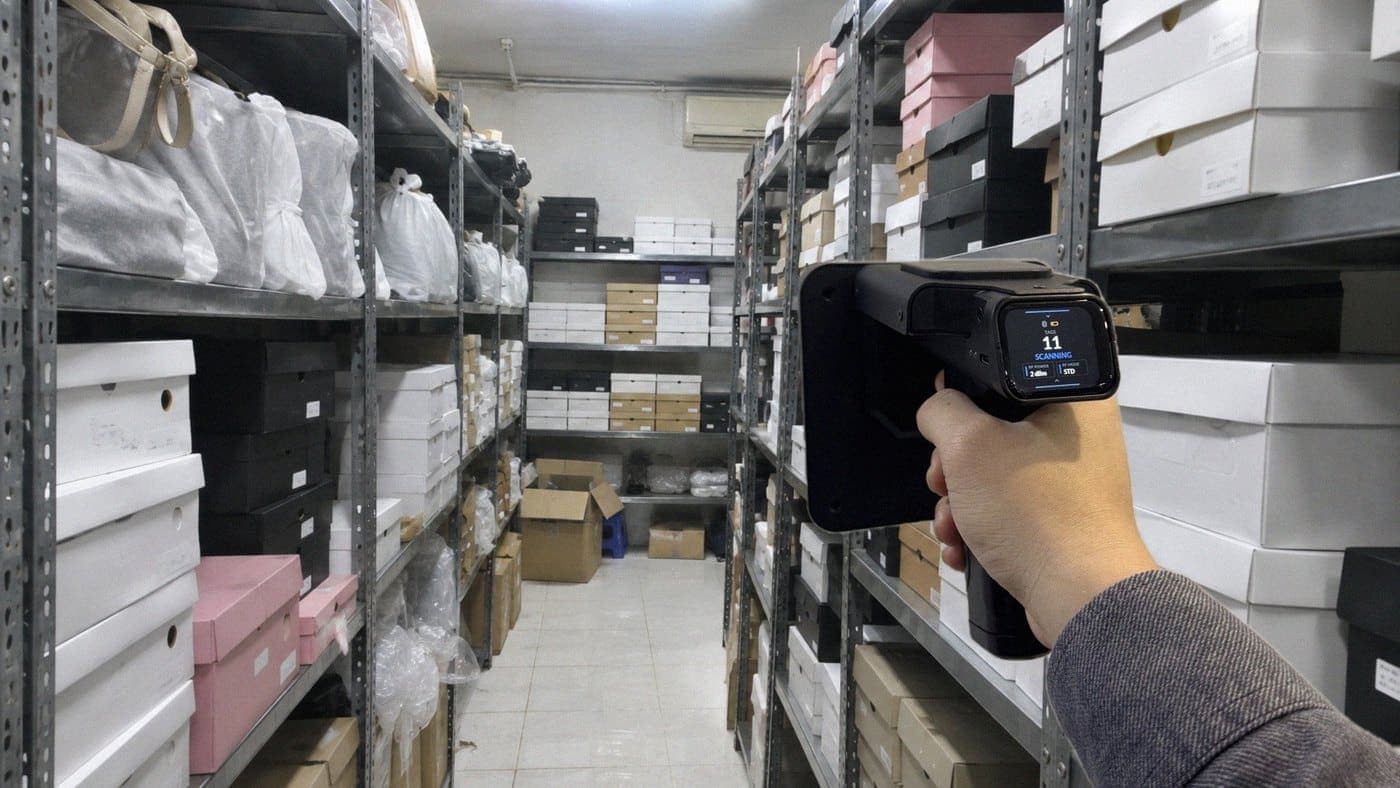 Fundamentos de RFIDWhat Is a Smart Stock Count? 4 Ways Compared and When RFID Makes SenseWhat is a smart stock count? Barcodes, RFID, camera AI and robots compared, how to choose a counting device, what it costs and where the limits are.15 min de lectura
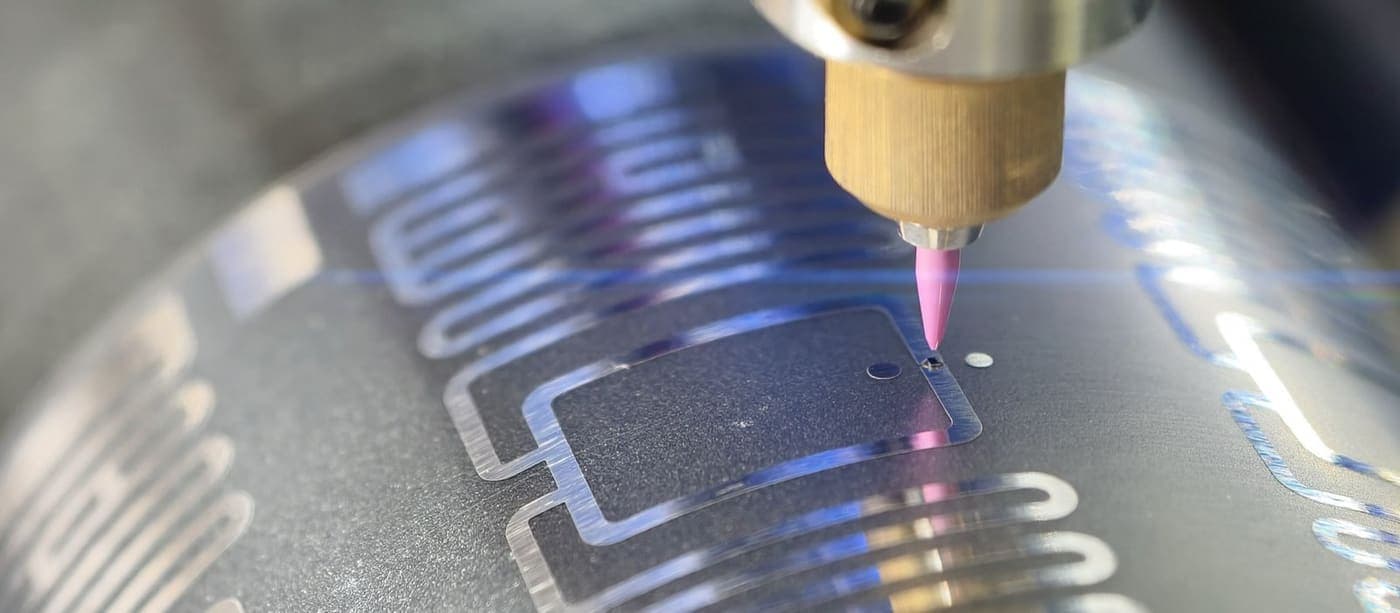 Fundamentos de RFIDWhat Is RFID? How It Works, Frequencies, EPC and Choosing a Kit by IndustryRFID identifies objects by radio, reading a chip without line of sight. How passive tags work, LF vs HF vs UHF, the EPC standard and how to pick a kit.50 min de lectura
 Fundamentos de RFIDRFID vs Barcode: You Are Probably Asking the Wrong QuestionWalk into most conversations about inventory technology and the question gets framed the same way: "Should we upgrade from barcodes to RFID?" It sounds reasonable, and it is the wrong question. The word "upgrade" assumes the two sit on a single ladder, where one is older and worse and the other is newer and better. They do not. A barcode is built for line-of-sight identification, where you point a scanner at one label and read it. RFID is built for bulk counting without line of sight, where you wave a reader near a pile of tagged items and read all of them at once. Asking which one to upgrade to is a little like asking whether you should replace your hammer with a screwdriver. The better question is simpler: which problem are you trying to solve, and where?15 min de lectura
 Fundamentos de RFIDWhat is RAIN RFID? Understanding Frequency, Standards, and the UHF ConnectionAs businesses strive for greater operational transparency, RAIN RFID has emerged as a critical standard in the Ultra High Frequency (UHF) landscape, enabling seamless connectivity for billions of everyday items. While the terms are often used interchangeably, understanding the specific nuances of frequency and global standards is essential for leveraging the full potential of RAIN RFID in modern supply chain management.11 min de lectura
 Fundamentos de RFIDWhat is RAIN RFID? The Ultimate Guide to UHF TechnologyRAIN RFID uses UHF (Ultra-High Frequency) technology to identify, locate, and track items wirelessly. This technology operates at 860-960 MHz and reads hundreds of tags per second. Supply chains gain real-time visibility into inventory, assets, and shipments.8 min de lectura
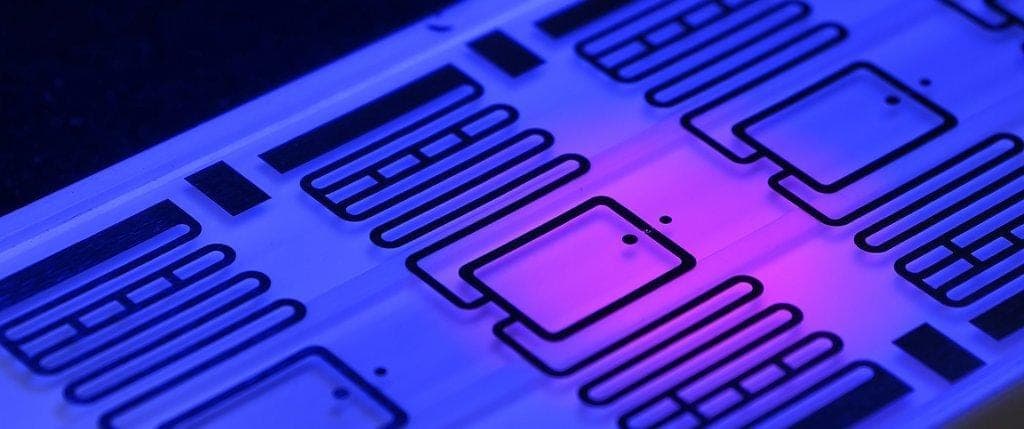 Fundamentos de RFID¿Qué es la tecnología RFID? Un análisis exhaustivo de la arquitectura, los protocolos y las aplicaciones prácticas.RFID es la plataforma central de la tecnología de Identificación Automática y Captura de Datos (AIDC). No solo reemplaza los códigos de barras, RFID establece un sistema de comunicación inalámbrica asimétrico entre el interrogador y el respondedor. Este artículo descifra en detalle el mecanismo físico de las ondas UHF, las técnicas de polarización de antenas y el estándar de seguridad Gen 2 V2. Aprenderás a optimizar los costos de inversión mediante modelos reales de VETC y Uniqlo para aplicaciones efectivas de transformación digital.10 min de lectura
 Fundamentos de RFIDDel código de barras al RFID: la revolución en el seguimiento de activos y la gestión de la cadena de suministroDesbloquea lo invisible. Descubre cómo la tecnología RFID une el mundo físico y el digital para impulsar el IoT en nuestro último artículo.5 min de lectura