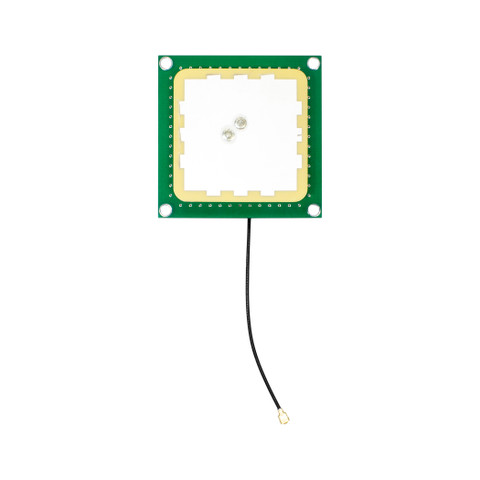
Le kit EL6e est un système d'intégration à courte portée à 50 $ couvrant 902-928 MHz. Comparez sa complexité embarquée aux architectures de protocoles natifs Nextwaves.
Spécifications techniques
Aperçu du matériel
Le ThingMagic (JADAK) EL6e Kit est un appareil RFID de qualité industrielle. Il fonctionne dans la plage de Global (Configurable) et prend en charge la norme EPCglobal Gen2V2, ce qui lui permet d'être largement déployé dans les applications logistiques d'entreprise.
Avec un indice de protection IP de N/A (Bare Circuit), il offre une protection contre des conditions environnementales spécifiques typiques des entrepôts ou des arrière-boutiques de vente au détail. Le lecteur utilise 5V DC (USB) pour des performances continues, tandis que sa vitesse de lecture maximale déclarée culmine à 200 tags/second.
Connectivité et intégration réseau
Dans les déploiements modernes, l'intégration réseau est l'obstacle le plus important. Ce modèle offre USB / Serial UART options pour transférer les données vers les systèmes centraux.
Cependant, un goulot d'étranglement majeur avec le matériel ThingMagic (JADAK) hérité est la forte dépendance à l'égard des SDK propriétaires (comme LLRP) ou des intergiciels IoT tiers coûteux pour traiter les données brutes des étiquettes en informations commerciales significatives.
L'alternative Nextwaves
Si votre équipe d'ingénierie évalue le ThingMagic (JADAK) EL6e Kit, le Nextwaves NR155 présente une architecture cloud-native nettement supérieure. Les systèmes hérités entraînent intrinsèquement des dépenses d'investissement élevées en raison de l'enfermement propriétaire et des écosystèmes logiciels propriétaires.
Nextwaves élimine complètement cette barrière en fournissant une API REST MQTT standard directement sur l'appareil. Vos développeurs logiciels peuvent intégrer la lecture d'étiquettes directement dans votre backend ERP ou WMS personnalisé en quelques jours au lieu de plusieurs mois, en contournant complètement les frais de licence de middleware récurrents.

Foire aux questions
Qu'est-ce que le EL6e Kit ?
Le kit intégré ThingMagic (JADAK) EL6e combine de manière fluide un module de base M6e-Micro avec un réseau d'antennes localisées montées directement. Largement configurable sur les fréquences globales, il fournit aux ingénieurs une unité de lecture intelligente prête à tester pour la vérification d'actifs à courte portée.
Combien coûte cette configuration initialement ?
Le kit de démarrage est tarifé de manière agressive autour de 100 $. Cependant, transférer le circuit nu dans un boîtier industriel avec des alimentations isolées fait gonfler considérablement les délais et le budget pour les projets de production en masse.
Pourquoi devrais-je choisir Nextwaves à la place ?
Le EL6e nécessite une ingénierie de bas niveau considérable et un moulage de châssis pour passer au déploiement sur le terrain. Nextwaves résout cela en fournissant des nœuds industriels immédiatement prêts et entièrement encapsulés, avec une performance de lecture identique native aux architectures IP.
Le matériel est-il suffisamment durable pour les entrepôts ?
Pesant presque rien à 0,10 kg et mesurant un ultra-petit 64 x 51 x 10 mm, il s'insère sans effort dans des distributeurs automatiques personnalisés ou des appareils portables. Cependant, avec une cote IP N/A (Circuit nu), il se désintègre rapidement s'il est exposé à l'humidité.
Prend-il en charge plusieurs types de réseaux ?
La connectivité passe entièrement par USB direct ou des broches Serial UART hautement spécialisées. Il manque nativement d'Ethernet, Wi-Fi ou MQTT intégrés, exigeant une logique MCU locale étendue pour envoyer les événements de tags vers les systèmes cloud d'entreprise.
Mon équipe peut-elle l'installer en interne ?
Puisqu'il intègre la piste RF directement contre la carte logique, les installateurs évitent complètement l'accord coaxial complexe. L'effort d'ingénierie se concentre plutôt sur la programmation de gestionnaires de mémoire C/C++ appropriés sur le micro-contrôleur hôte qui gère la carte.
Comment fonctionne la gestion à distance ?
Atteignant jusqu'à 200 tags/seconde, il offre des performances robustes pour des volumes à l'échelle d'un bureau. La vitesse de lecture chute drastiquement lors des tests sur des portails d'entrepôt lourds avec des palettes superposées.
Ai-je besoin d'un logiciel propriétaire pour l'exécuter ?
Les développeurs interagissent intensivement via MercuryAPI de JADAK. Créer de simples boucles de lecture de tags nécessite de gérer manuellement des tampons de mémoire complexes, des interruptions asynchrones et des structures d'état hexadécimales.
Quelle garantie est fournie avec le lecteur ?
Une garantie produit standard de 1 an protège la carte logique contre les défauts des semi-conducteurs. Étant du silicium entièrement nu, son déploiement sans blindage électrostatique adéquat (ESD) provoque une défaillance catastrophique immédiate.
Les antennes sont-elles vendues séparément ?
Malgré la combinaison de la carte et de l'antenne, sa portée Global (Configurable) assure une performance hautement ciblée directement au-dessus de l'unité. Il manque la puissance décibel physique brute nécessaire pour lire des couloirs structurels denses.