RFID replacement dossierUpdated: May 25, 2026

Chainway UR4Ukubuyekezwa: Imininingwane kanye Nezinye Izindlela

Chainway UR4 is an industrial 4-port reader operating on 865-868 MHz / 920-925 MHz / 902-928 MHz. Starting at $600. Look closely at how Nextwaves can bypass middleware costs.

Onjiniyela be-NextwavesUkubuyekezwa Kwehadiwe5 iminithi yokufunda

Technical verdict

Chainway UR4 is a mainstream hardware purchase, but it is not always the best architecture for direct RFID data integration.

Do not evaluate UR4 by list price alone. Its strongest fit is a project that already uses RS-232, RJ45, PoE (optional), has time for RF tuning, and accepts extra middleware work. If the engineering team needs open APIs, realtime data, and faster edge-to-cloud deployment, Nextwaves NR155 is the stronger replacement path to evaluate.

Initial cost

$600 before deployment accessories

Published throughput

1,300 tags/second

Integration surface

RS-232, RJ45, PoE (optional)

Physical data

164 x 164 x 39 mm; 0.7 kg; IP: IP53

Published specs

Specifications to validate before replacing

Imvamisa

865-868 MHz / 920-925 MHz / 902-928 MHz

Iphrothokholi

EPC Global UHF C1 Gen 2, ISO 18000-6C

Ukuxhumeka

RS-232, RJ45, PoE (optional)

Isilinganiso se-IP

IP53

Ubukhulu

164 x 164 x 39 mm

Isisindo

0.7 kg

Ukuhlinzekwa kwamandla

PoE (optional), DC

Izinga Lokufunda

1,300+

Intengo Elinganiselwe

$600

Deployment review

Operational strengths and risks

This summary is based on public specifications and does not replace an on-site RF survey.

Fit score

4.2/5

Strengths

  • RS-232, RJ45, PoE (optional) gives network teams a familiar integration surface instead of local-only collection.
  • PoE (optional), DC can reduce separate power drops when switch PoE budget is available.
  • The $600 hardware baseline is easier to budget than premium fixed-reader configurations.
  • 1,300 tags/second can fit faster inventory lanes when the read zone is tuned correctly.

Validate

  • Quoted hardware price is not installed system cost; include antennas, cables, mounts, power, software, and configuration work.
  • RF performance depends on tag material, antenna position, transmit power, reader orientation, and site interference.
  • IP53 must be checked against dust, humidity, temperature, and cleaning requirements.
  • Raw RFID reads still need duplicate filtering, business-event mapping, and ERP/WMS integration before operations can use them.

Deployment review

Buying decision matrix

Best fit

Fixed UHF RFID projects that already use RS-232, RJ45, PoE (optional) and have time for RF tuning.

Weak fit

Do not compare device price only; total cost depends on accessories, software, and integration.

Deployment risk

IP53, PoE (optional), DC, 164 x 164 x 39 mm, and 0.7 kg must match the site layout.

Software risk

Plan for middleware, SDK work, duplicate filtering, and business-event mapping.

Alternative architecture

Chainway UR4 vs Nextwaves

01

Uhlaka Lwehadiwe

I-Chainway UR4 iyithuluzi le-RFID elisezingeni lezimboni. Lisebenza ngaphakathi kwebanga le-865-868 MHz / 920-925 MHz / 902-928 MHz futhi lisekela izinga le-EPC Global UHF C1 Gen 2, ISO 18000-6C, okwenza lisetshenziswe kabanzi kuzinhlelo zokusebenza ze-logistics zebhizinisi.

Ngesilinganiso se-IP esingu-IP53, inikeza ukuvikelwa ezimweni ezithile zemvelo ezivamile ezinqolobaneni noma emagumbini angemuva esitolo. Isifundi sisebenzisa i-PoE (optional), DC ukuze sithole ukusebenza okuqhubekayo, kuyilapho izinga laso eliphezulu lokufunda lifinyelela ku-1,300+.

02

Ukuxhumeka kanye Nokuhlanganiswa Kwenethiwekhi

Ekuthuthukisweni kwesimanje, ukuhlanganiswa kwenethiwekhi kuyisithiyo esikhulu kakhulu. Leli modeli linikeza izinketho ze-RS-232, RJ45, PoE (optional) zokudlulisa idatha emuva ezinhlelweni ezimaphakathi.

Nokho, isithiyo esikhulu ngehadiwe ye-Chainway yakudala ukuthembela okukhulu kuma-SDK obunikazi (njenge-LLRP) noma i-middleware ye-IoT yomuntu wesithathu ebiza kakhulu ukuze icubungule idatha eluhlaza yethegi ibe ulwazi olubalulekile lwebhizinisi.

03

When to choose Nextwaves instead of another closed reader

Uma ithimba lakho lobunjiniyela lihlolwa i-Chainway UR4, i-Nextwaves NR155 yethula ubunjiniyela obungcono kakhulu obuse-cloud. Izinhlelo zefa ngokwemvelo zishayela izindleko eziphezulu zemali ngokuvalelwa komthengisi kanye nezinhlelo ze-software zobunikazi.

I-Nextwaves iqeda ngokuphelele lesi sithiyo ngokunikeza i-standard MQTT REST API ngqo kudivayisi. Abathuthukisi bakho besoftware bangahlanganisa ukufundwa kwethegi ngqo ku-ERP yakho yangokwezifiso noma i-WMS backend ngezinsuku esikhundleni sezinyanga, ngaphandle ngokuphelele izimali zokulayisensa eziphindayo ze-middleware.

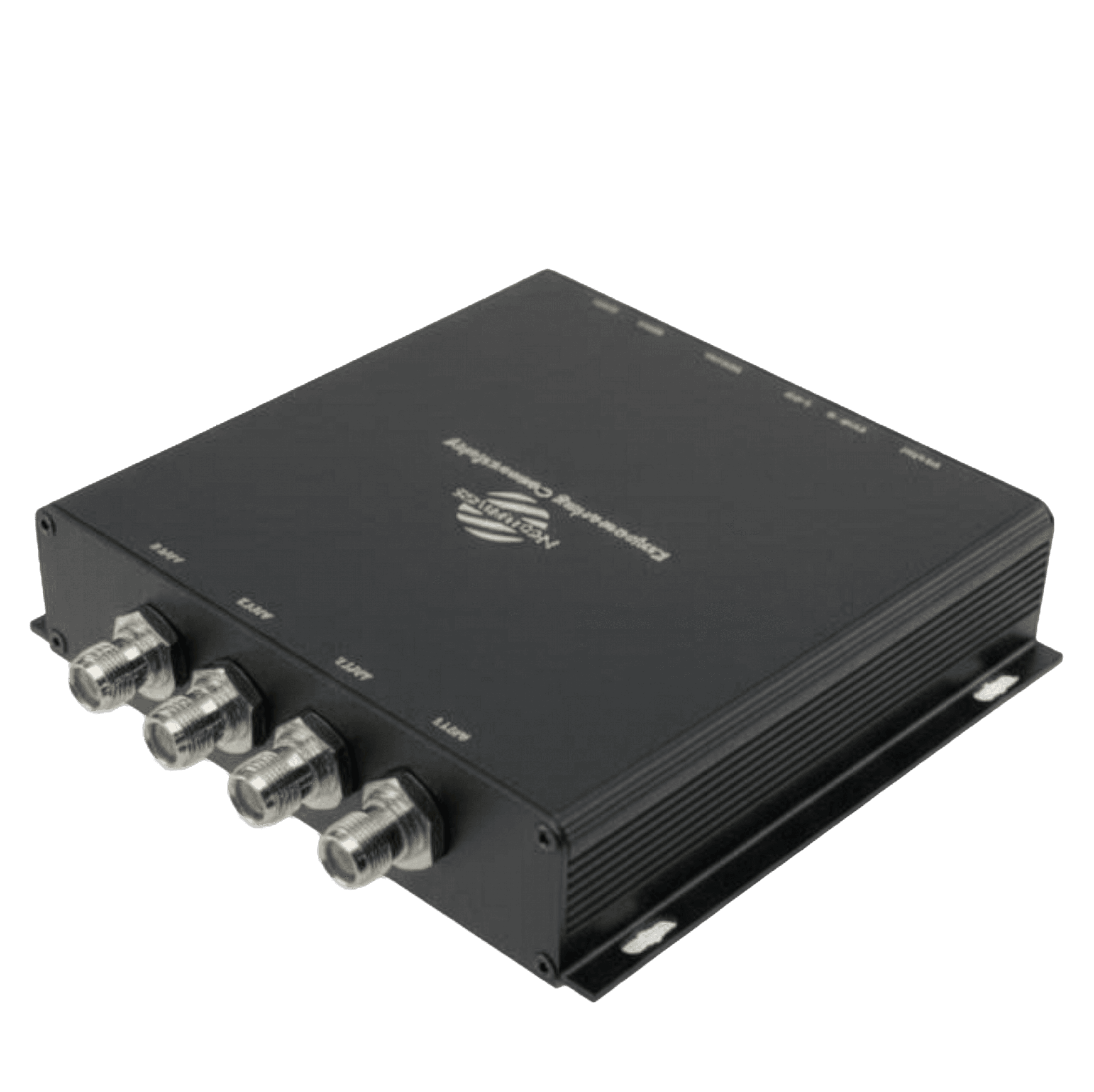
Alternative architecture

Isifundi se-NR155 Fixed IoT UHF RFID

Ama-API e-MQTT/REST e-Cloud-native akhelwe ngaphakathi. Akukho ama-SDK obunikazi, akukho imvume ye-middleware. Hlanganisa ngokuqondile ne-ERP yakho noma i-WMS ngezinsuku.

View Nextwaves NR155
Nextwaves NR155 Fixed IoT UHF RFID Reader

Izimbobo ze-Antenna

4 x RP-TNC Amachwebe

Isivinini Sokufunda

Kufika kuthegi ezingama-400/ngomzuzwana

Amandla Okukhiphayo

0–33 dBm (izinyathelo ezingu-1dB)

Iphrothokholi Yenethiwekhi

MQTT / MQTTS

FAQ

Imibuzo Evame Ukubuzwa

These answers help purchasing and engineering teams review cost, integration, and deployment risk.

01

Yini i-UR4?

The Chainway UR4 is a 4-port, fixed RFID edge device. Based on Impinj E710 / R2000 chips, it supports EPC Global UHF C1 Gen 2, ISO 18000-6C over the 865-868 MHz / 920-925 MHz / 902-928 MHz frequency bands for high-speed tracking.

02

Le setup ibiza malini ekuqaleni?

Hardware costs begin around $600. Keep in mind that a full deployment budget must account for up to 4 antennas, low-loss cables, integration middleware, and setting up the PoE (optional), DC infrastructure.

03

Kungani kufanele ngikhethe i-Nextwaves esikhundleni salokho?

Nextwaves provides embedded REST API and MQTT endpoints natively on the device. This allows web and software developers to map tag reads directly to REST payloads, bypassing complex legacy C# or Java middleware servers.

04

Ingabe i-hardware iqine ngokwanele yini ukuthi ingasetshenziswa ezindaweni zokugcina impahla?

The unit weighs approximately 0.7 kg and measures 164 x 164 x 39 mm. An IP53 structural rating provides reasonable protection against dust and water spray, suitable for loading docks and covered warehouses.

05

Ingabe isekela izinhlobo eziningi zenethiwekhi?

Network integration relies on RS-232, RJ45, PoE (optional) ports. RS-232 serial is maintained for legacy programmable logic controller (PLC) connections, while RJ45 manages modern IP traffic.

06

Ithimba lami lingakwazi yini ukuyifaka ngaphakathi?

Hardware installation uses standard mounting hole layouts. However, optimizing RF performance requires trained engineers to correctly map the 4 distinct antenna channels to prevent signal overlap and optimize tag orientation capture.

07

Ukulawulwa okukude kusebenza kanjani?

Under optimal test conditions, the internally integrated chip logic is rated to process up to 1,300+ tag reads per second. Real-world speeds vary significantly based on Gen2 memory mapping.

08

Ngidinga isofthiwe yami ukuyisebenzisa?

In a traditional setup, the RS-232, RJ45, PoE (optional) interfaces transmit binary or low-level hex data. This requires an external application to filter out duplicate tag events before sending the data to cloud storage.

09

Iwaranti enjani eza ne-reader?

The standard warranty covers physical malfunctions for one year. Extended engineering support is recommended for teams unfamiliar with low-level UHF Gen2 memory protocols.

10

Ingabe ama-antenna athengiswa ngokuhlukana?

You are required to supply external antennas (circular or linear). Selecting the exact gain and polarization over the 865-868 MHz / 920-925 MHz / 902-928 MHz band determines the actual width of your read portal.