Acha kupoteza mauzo kwa inventari ya kifaru. Jua hasa kile ulicho nacho, wapi kiko, kila saa ya kila siku.
Kwa zaidi ya miaka hamsini, msimbo wa bidhaa wa Universal Product Code (UPC) umekuwa uti wa mgongo wa rejareja. Uliboresha biashara, uliwezesha kuchanganua kwenye kaunta, na ukafanikisha kizazi cha kwanza cha usimamizi wa hesabu wa kompyuta. Lakini msimbo wa pau una kasoro mbaya: “ni kipofu”. Unahitaji mstari wa moja kwa moja, unahitaji uingiliaji wa kibinadamu, na hauwezi kutofautisha kati ya vitu viwili vinavyofanana kabisa. Mapungufu haya yamesababisha mgogoro wa kimataifa unaojulikana kama “Inventory Distortion” — tatizo la thamani ya trilioni ambapo wauzaji hawajui wanachokuwa nacho.
Malipo ya KujitegemeaMabini ya kiotomatiki yasiyo na vizingiti
ImeondolewaUpungufu wa hisa katika maduka
Uwazi wa Stoki ya RejareMbinu YetuUnachopataUtafiti wa Kesi
Tatizo
Tatizo la Upotoshaji wa Inventari
Kwa zaidi ya miaka hamsini, msimbo wa bidhaa wa Universal Product Code (UPC) umekuwa uti wa mgongo wa rejareja. Uliboresha biashara, uliwezesha kuchanganua kwenye kaunta, na ukafanikisha kizazi cha kwanza cha usimamizi wa hesabu wa kompyuta. Lakini msimbo wa pau una kasoro mbaya: “ni kipofu”. Unahitaji mstari wa moja kwa moja, unahitaji uingiliaji wa kibinadamu, na hauwezi kutofautisha kati ya vitu viwili vinavyofanana kabisa. Mapungufu haya yamesababisha mgogoro wa kimataifa unaojulikana kama “Inventory Distortion” — tatizo la thamani ya trilioni ambapo wauzaji hawajui wanachokuwa nacho.
Katika enzi ya kisasa ya omnichannel, upofu huu ni jambo la kimsingi. Mteja anapoweka agizo la bidhaa mtandaoni kwa ajili ya kuchukua dukani (BOPIS), mfumo huangalia hifadhidata ya hesabu. Hifadhidata inasema “Quantity: 1”. Lakini je, ipo kweli? Je, iko nyuma ya duka? Je, iko kwenye chumba cha kujaribu nguo? Je, imeibiwa? Au iliuzwa jana na hifadhidata haijisasisha?
Matokeo yake ni mnyororo wa ugavi dhaifu unaolindwa kwa “safety stock” — hesabu iliyoongezwa ili kufidia makosa ya data. Wauzaji huzama kwenye hesabu hawawezi kuuza, huku wakipoteza mauzo ya bidhaa ambazo kwa kweli “wanazo” lakini hawawezi kuzipata. Kuhesabu kwa mikono — tiba ya jadi — ni polepole sana, ghali sana, na ina makosa mengi sana kutatua. Sekta inahitaji mabadiliko ya dhana kutoka “kuchanganua” hadi “kutambua”.
Mambo Muhimu ya Maumivu 01
Hisia za Mizania Bandia
Mabadiliko ya data yanahusisha kutenganisha polepole kwa hali halisi ya kimwili na rekodi za kidijitali. 'Phantom Inventory' hutokea wakati mifumo inaonyesha hisa ambazo hazipo, na kusababisha 22% ya maagizo ya BOPIS kughairiwa na kuharibu uaminifu wa wateja.
Mambo Muhimu ya Maumivu 02
Matumizi ya Kazi
Katika duka lisilo na RFID, wafanyikazi hutumia 20-30% ya muda wao kutafuta bidhaa au kufanya hesabu za mikono. Hii ni kazi ya gharama kubwa iliyopotea kutoka lengo kuu: huduma kwa wateja na uuzaji.
Mambo Muhimu ya Maumivu 03
Upungufu na Masoko ya Kijivu
Bila utambulisho ulio na msimbo (EPC), kipengee kilichojiwa ni 'minus moja' tu. Wauzaji hawana uwezo wa kufuatilia mifumo ya uhalifu wa rejareja uliopangwa (ORC) au kutambua ikiwa bidhaa zilizorejeshwa ni bandia halisi zilizotonwa kutoka masoko ya kijivu.
Mbinu Yetu
Usanifu wa Ndugu ya Kidijitali
Nextwaves inaweka usanifu wa “Source-to-Store” unaotegemea kiwango cha EPC Gen2 V2. Hatuanzi dukani, bali tunaanzia kwenye kiwanda cha utengenezaji. Kwa kuingiza UHF RFID passive kwenye lebo ya care au tiketi ya bei kiwandani, tunampa kila bidhaa ya kipekee “roho” ya kidijitali — Electronic Product Code (EPC) iliyopangwa kwa nambari (serialized).
Bidhaa hizi zinaposafiri kupitia mnyororo wa ugavi, hupitia “Read Points” — wasomaji wa handaki kwenye vituo vya usambazaji, mifumo ya juu kwenye maeneo ya kuandaa, kisha hatimaye kufagiliwa kwa mkono dukani. Tofauti na misimbo ya pau, wasomaji hawa hutumia mawimbi ya redio kuamsha lebo (tags), hivyo wanaweza kusoma bidhaa mamia kwa sekunde bila kuhitaji mwelekeo wa kuona.
Hii huunda “Digital Twin” halisi ya hesabu kwa wakati halisi. Ugavi unapowasili dukani, si lazima wahesabiwe kwa mikono; unathibitishwa papo hapo. Mteja anapovaa shati, chumba cha majaribio mahiri hutambua. Kitu kinapoondoka dukani, lango za EAS husasisha hesabu papo hapo. Tunabadilika kutoka “Inventory Estimation” kwenda “Inventory Certainty”.
Unachopata
ROI ya Kimkakati na Athari
01
Usahihi wa 99.9%
Pata ujasiri kamili wa hesabu. Wezesha 'Available to Promise' (ATP) kwa e-commerce bila hisa ya ziada.
02
Kuongezeka wa Ubadilishaji
Data za majaribio zinaonyesha ongezeko la mauzo la 5-15% kwa uthabiti. Ikiwa iko kwenye sakafu, inauzwa. Ikiwa iko nyuma, haizuzi.
03
Uelewa wa Hasara
Usipige kelele tu mlango. Jua hasa WHAT kilichojiwa, WHEN, na ujaze mara moja.
04
Uzoefu Mahiri
Wezesha 'Magic Mirrors' zinazopendekeza bidhaa zinazolingana kulingana na kile ambacho mteja ameleta kwenye chumba cha kujaribu.
Utafiti wa Kesi
Uchambuzi wa Kesi: Mabadiliko ya RFID ya Uniqlo
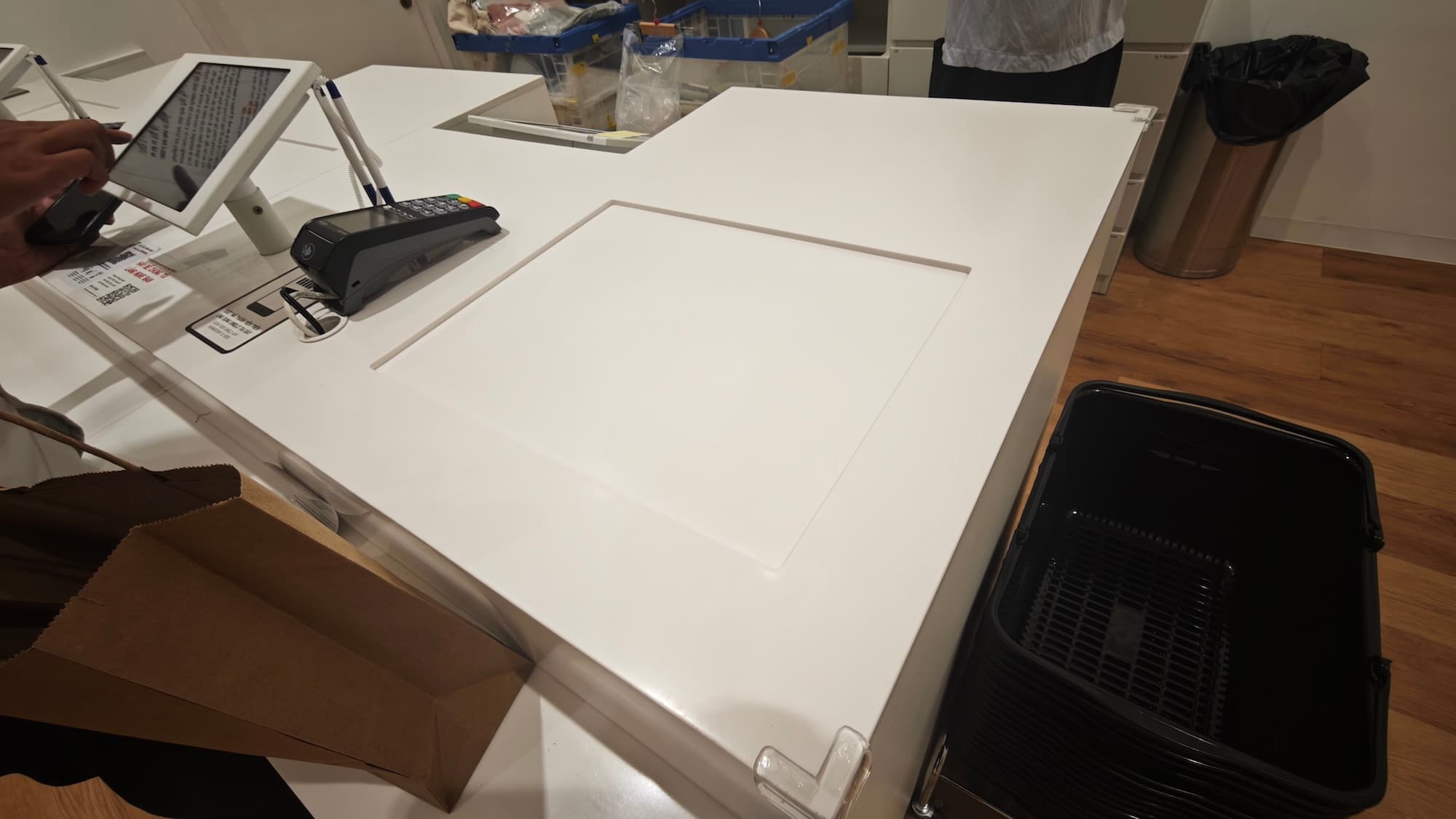
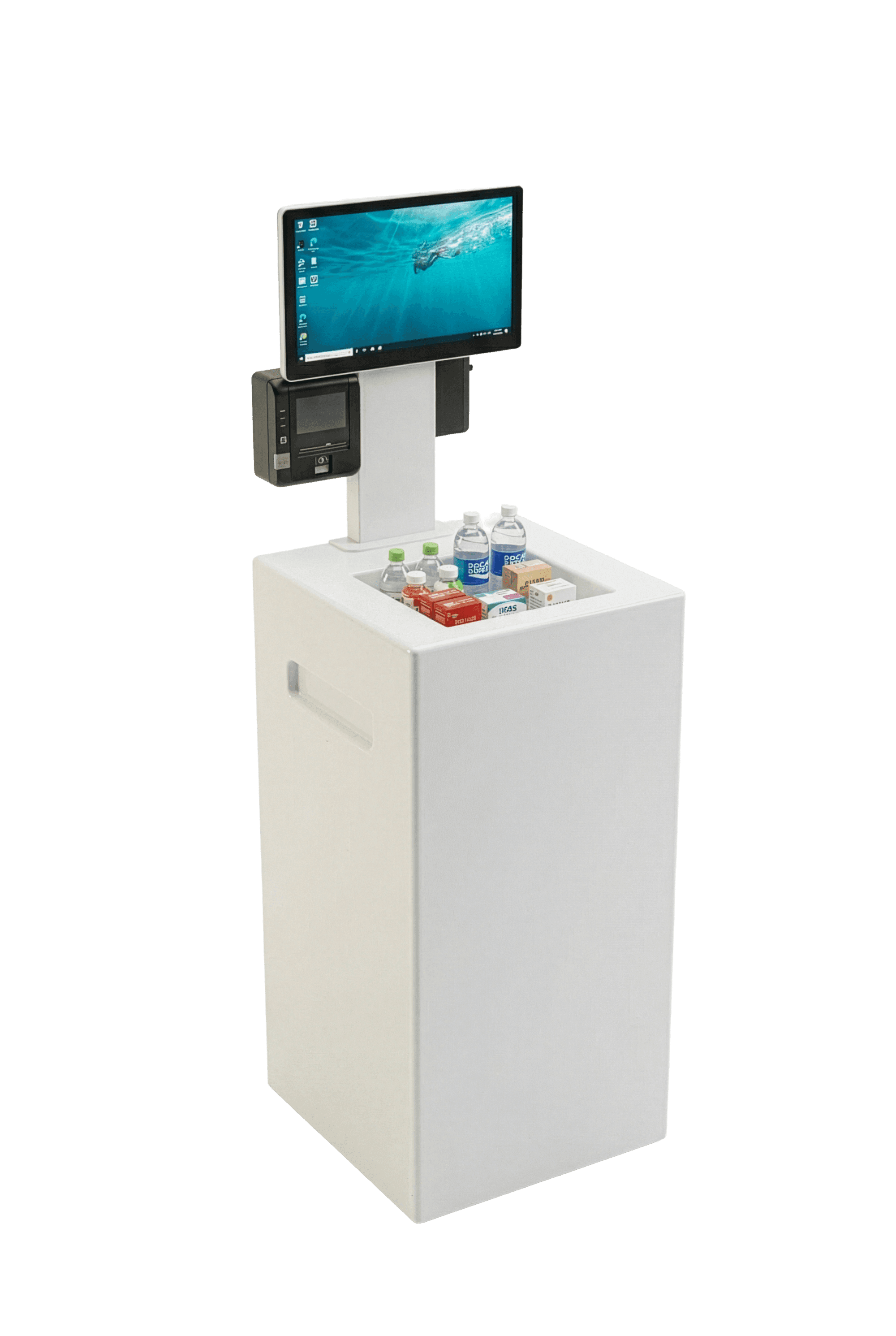
Kwa kuweka lebo za RFID katika kila bidhaa, Uniqlo ilipata usahihi wa hesabu karibu 100%. Lakini uchawi wa kweli hutokea wakati wa malipo: wateja wanatupa bidhaa zao kwenye sanduku la kiotomatiki ambalo husoma mara moja lebo zote za RFID kwa wakati mmoja. Uzoefu huu usio na vikwazo umepunguza sana muda wa kusubiri, kuondoa mistari ya malipo, na kuruhusu wafanyakazi wa duka kuzingatia huduma kwa wateja badala ya kuscan barcode. Ujasusi wa data unaotokana na hilo unamaanisha pia wanajua hasa wakati ukubwa au rangi maalum inahitaji kuongezwa, na hivyo kuondoa kabisa upungufu wa hisa na kuongeza mauzo kwa ujumla.
Kila bidhaa hupata kitambulisho cha kidijitali cha kipekee kwenye hatua ya utengenezaji. ni lebo ya RFID UHF passive ambayo hugharimu chini ya lebo ya karatasi lakini hubeba msimbo wa serial ambao hauwezi kunakiliwa. Mteja akifagilia kifaa cha mkono kwenye rafu ya shati 500, zote 500 huhesabiwa ndani ya chini ya sekunde 3. Hakuna kubeba nje, hakuna kuchanganua moja baada ya nyingine.
Mfumo hutumia lebo za kiwango cha GS1 EPC Gen2 V2, zinazojumuisha uthibitisho wa kuzuia kunakili (anti-cloning authentication). Hii ni muhimu kwa bidhaa zenye thamani ya juu na za anasa ambapo bidhaa bandia ni hatari halisi. Programu ya makali (edge) huchuja kelele (tags zilizosomwa kwenye eneo lisilo sahihi, usomaji wa sehemu kutoka vifaa vya chuma) ili kile kinachofika dashboard yako kiwe safi na chenye hatua.
Kila kitu hurudishwa kwenye WMS au ERP yako iliyopo kwa wakati halisi. Fikiria kama tunavyompa hesabu mapigo ya moyo. mfumo daima unajua kilichotembea, kiko wapi, na kilifika lini.
Nini Kinafuata
Nini Kinakuja Baada ya Usahihi
Hesabu ikishakuwa sahihi, hatua inayofuata ni kuondoa msongo kabisa. Tunajaribu majaribio ya “Grab-and-Go” ambapo wateja hutoka nje bila kusimama kwenye kaunta. Mfumo unasoma kikapu chao kwenye lango la kutoka na kutoza akaunti yao kiotomatiki.
Miundombinu ile ile huwezesha vyumba vya majaribio mahiri vinavyoonyesha mapendekezo ya mavazi, arifa za kujaza tena kwa wakati (dynamic restocking alerts) zinazowasha kabla rafu haijapata tupu, na uzuiaji wa upotevu unaokuambia hasa kilichochukuliwa na kilichotokea wakati gani. Usahihi ndio msingi. Thamani halisi iko kwenye kile unachojenga juu yake.
Vifaa vya Kuanzia
Vifaa vya RFID Vilivyo Tayari Kutumika
Kuanzia$999
Kifaa cha Mwanzo cha Rejareja
Haraka malipo na uendeshe hesabu ya hesabu kwa maduka ya mitindo, maduka ya vipodozi, na minyororo ya rejareja.