Muda wa Utafutaji na Buffers
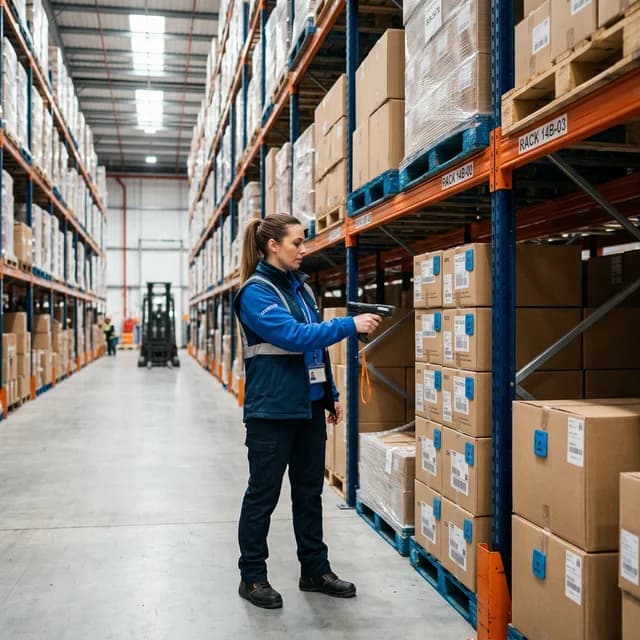
Mfanyakazi wa viwanda wa wastani hutumia 10-15% ya zamu yao kutafuta vitu. Muda huu usiochangia thamani huunda vikwazo vya uwezo bandia, na kulazimisha viwanda kuweka buffers kubwa za WIP ili kukabiliana.
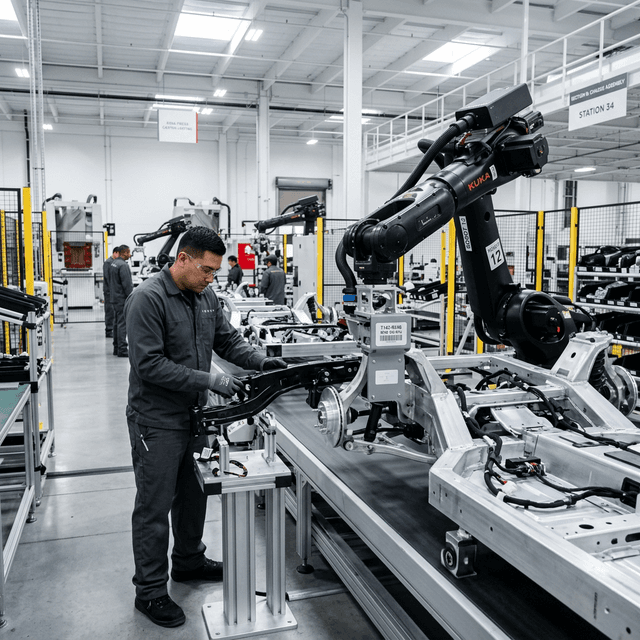
Utengenezaji wa kisasa ni mazingira ya hatari kubwa ambapo dakika za kusimama hutumia maelfu ya dola. Licha ya roboti za hali ya juu na mifumo ya ERP, “connective tissue” ya kiwanda — harakati za Work-in-Progress (WIP), zana, na malighafi — mara nyingi hubaki kama sanduku jeusi la mwongozo.
Wasimamizi huuliza: “Order #504 iko wapi?” “Wrench ya torque iliyosawazishwa iko wapi?” “Kwa nini Line B imekwama?” Majibu yanazikwa kwa sababu mali halisi hazijaunganishwa na mfumo wa kidijitali. Waendeshaji hupoteza saa muhimu kutafuta zana (Search Time). wapangaji wa uzalishaji hupanga kulingana na uwezo wa kinadharia, si hali ya wakati halisi (Buffers).
Katika sekta zilizo na kanuni kali kama Aerospace na Defense, pengo hili la mwonekano ni hatari ya utii (compliance). Foreign Object Debris (FOD) iliyoachwa ndani ya mkusanyiko inaweza kuwa janga. Kukosa data ya genealogy kunaweza kusababisha recalls kubwa.
Mfanyakazi wa viwanda wa wastani hutumia 10-15% ya zamu yao kutafuta vitu. Muda huu usiochangia thamani huunda vikwazo vya uwezo bandia, na kulazimisha viwanda kuweka buffers kubwa za WIP ili kukabiliana.
Kwa sababu zana ni ngumu kupatikana, wafanyakazi huzihifadhi katika viti visivyoidhinishwa. Kianda kinunua zana zaidi ya kinavyohitaji, lakini upatikanaji unabaki wa chini.
Kama hitilafu itagundulika, je, unaweza kufuatilia hasa ni batch gani ya gundi iliyotumika, zana gani iliyoitumia, na ni nani opereta? Bila RFID, 'Genealogy' hii mara nyingi haijakamilika katika karatasi za mikono.
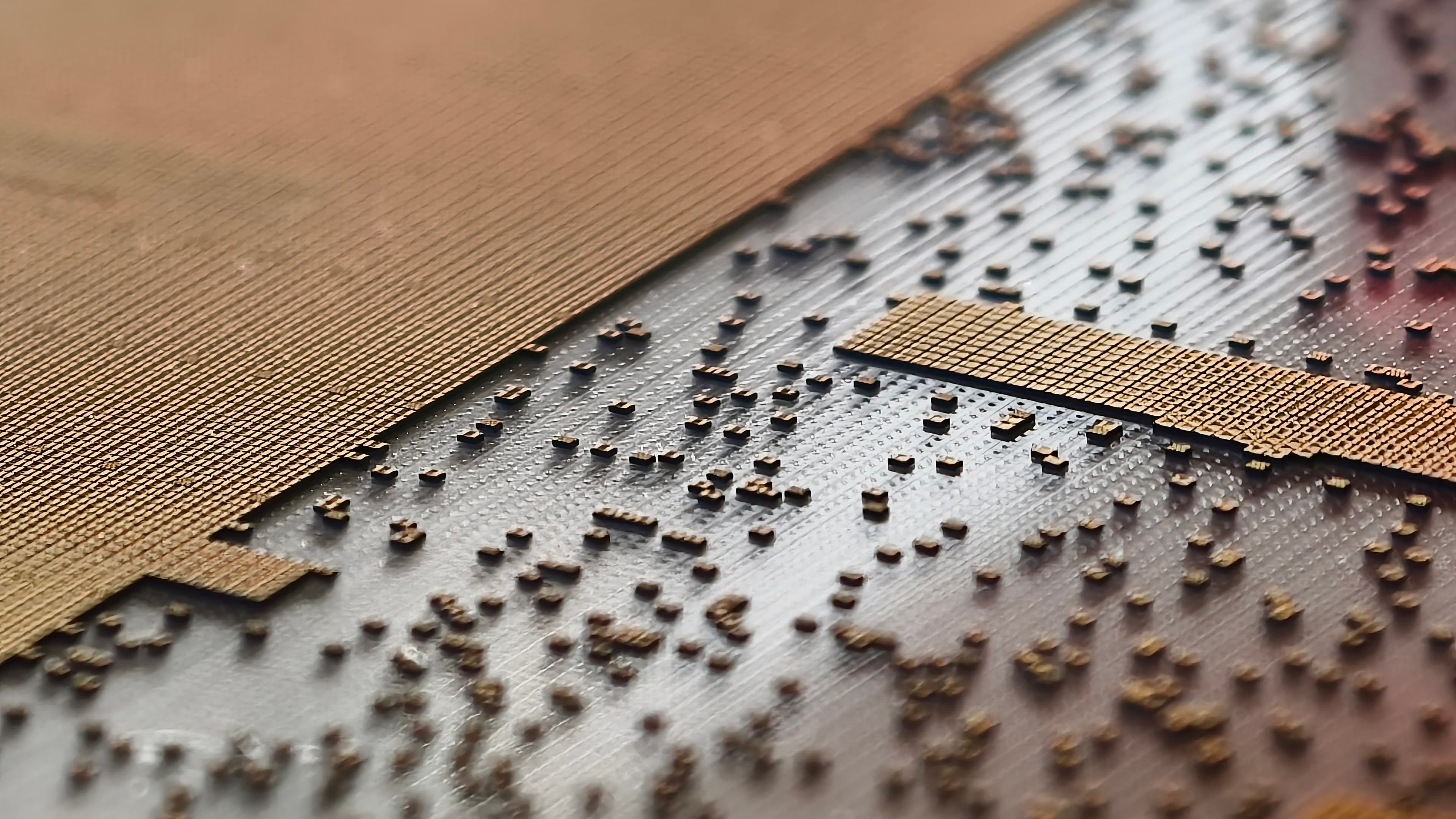
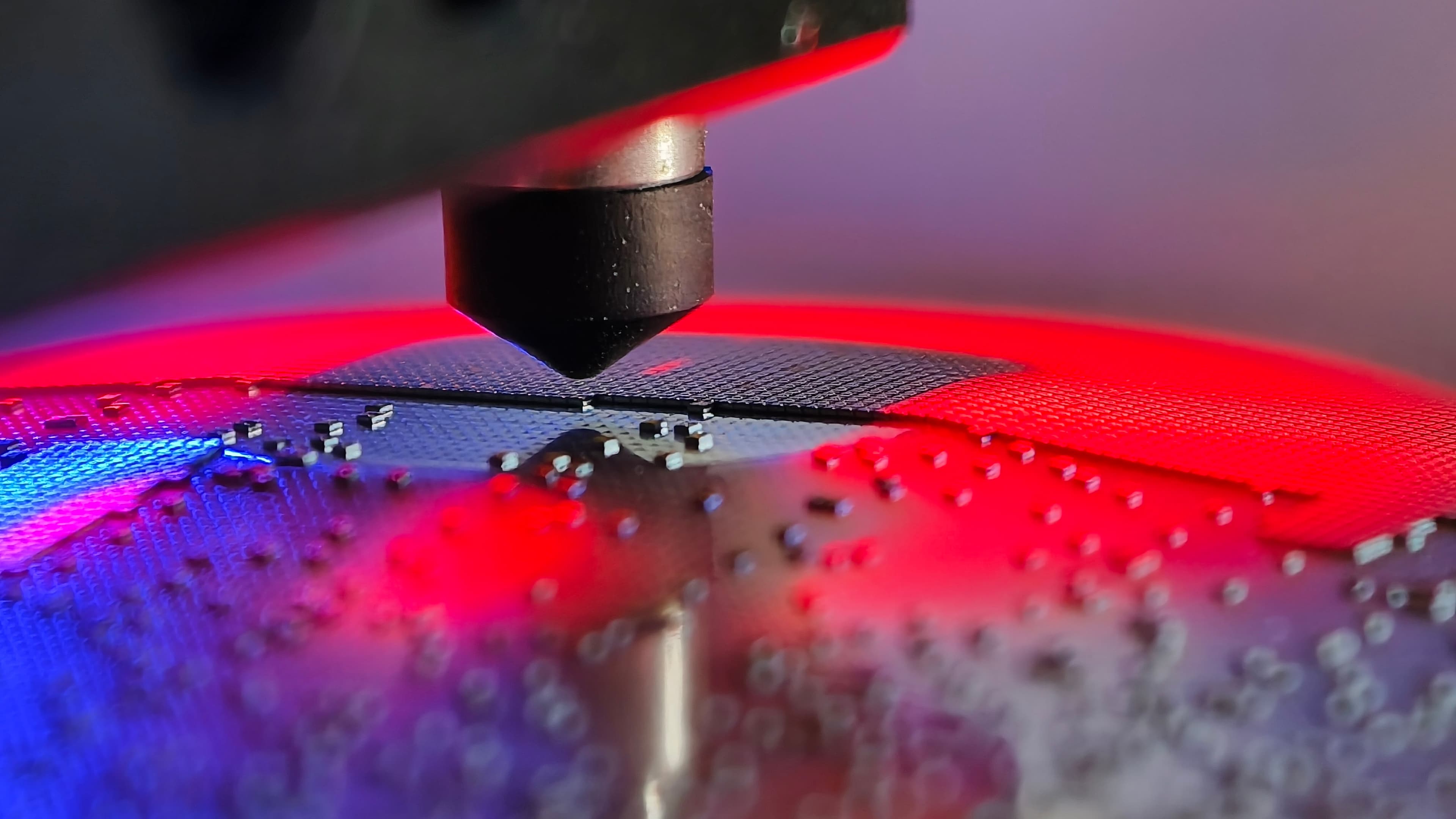
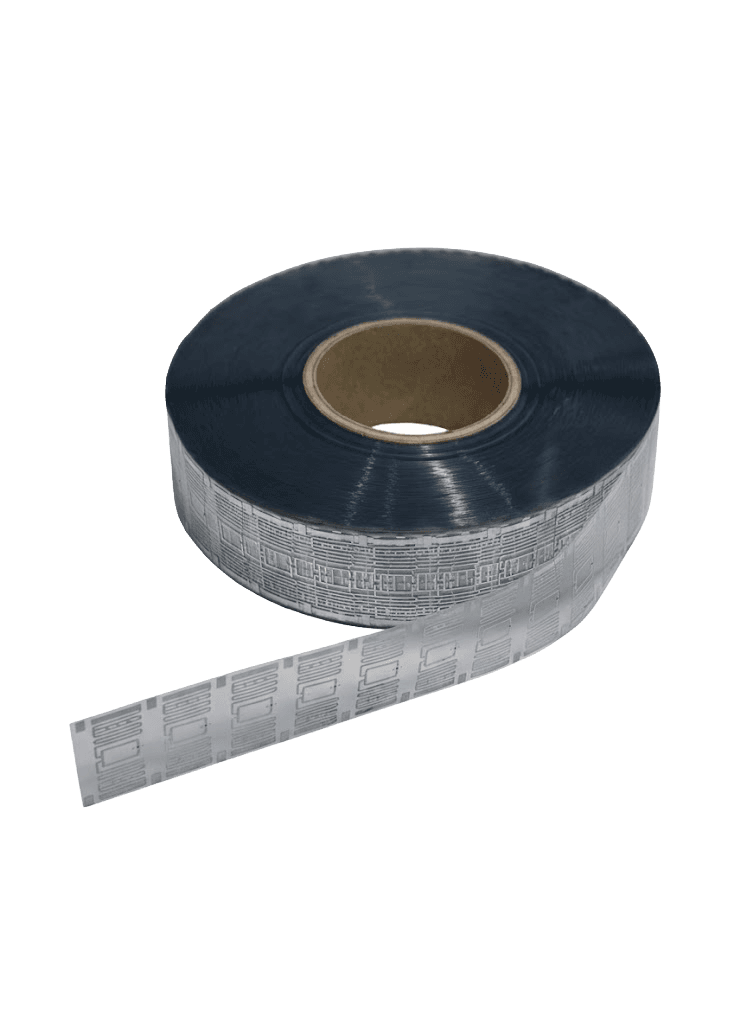
Nextwaves inaweka safu ya Industrial IoT juu ya miundombinu yako iliyopo ya OT/IT. Tunabandika lebo za RFID maalum zenye uimara wa juu kwenye kila sehemu inayosogea: vipande (WIP), wabebaji (skids/totes), na zana. Lebo hizi zimeundwa kustahimili autocalves, acid baths, paint ovens (250°C), na shot blasting.
Tunafunika kiwanda kwa gridi ya wasomaji — kwenye vituo vya kazi, maeneo ya kupita (choke points), na kwenye tool cribs. Mali inapohamia, husasisha hali yake yenyewe. Zana “inajitoa” (checks itself out) inapondoka kwenye tool crib. Bidhaa “inasasisha operesheni yake” inapowasili Station 5.
Data hii inaingia kwenye middleware yetu ya “Factory Twin”, inayoratibu mantiki: “Ikiwa Tool A haijalosawazishwa, usiwezeshe Station B.” “Ikiwa Order 504 imefika kwenye Paint, anzisha sasisho la ERP.” Kiwanda kinapata ufahamu na kujiripoti.
Kwa uwazi wa wakati halisi, unaweza kupunguza buffers za usalama na kuhamia mtiririko wa kweli wa Just-In-Time.
Uwajibikaji wa chombo otomatiki. Hakikisha 100% ya vyombo vilivyotolewa vinarejeshwa kabla ya bidhaa kuondoka kwenye seli.
Fuatilia mizunguko ya matumizi ya chombo (marashi, masaa). Hudumia fomu na die kulingana na matumizi halisi, kuepuka matengenezo ya mapema au ya kuchelewa.
Mikondo ya akili inaweza kuelekeza bidhaa zilizoharibika kiotomatiki kwenye mistari ya upya kulingana na data ya lebo ya RFID.
Mtengenezaji wa injini za ndege alihitaji uwajibikaji kamili wa zana za mikono zaidi ya 50,000 ili kuzuia Uharibifu wa Vitu vya Kigeni (FOD). Soketi moja iliyopotea inaweza kusimamisha ndege ya majaribio.
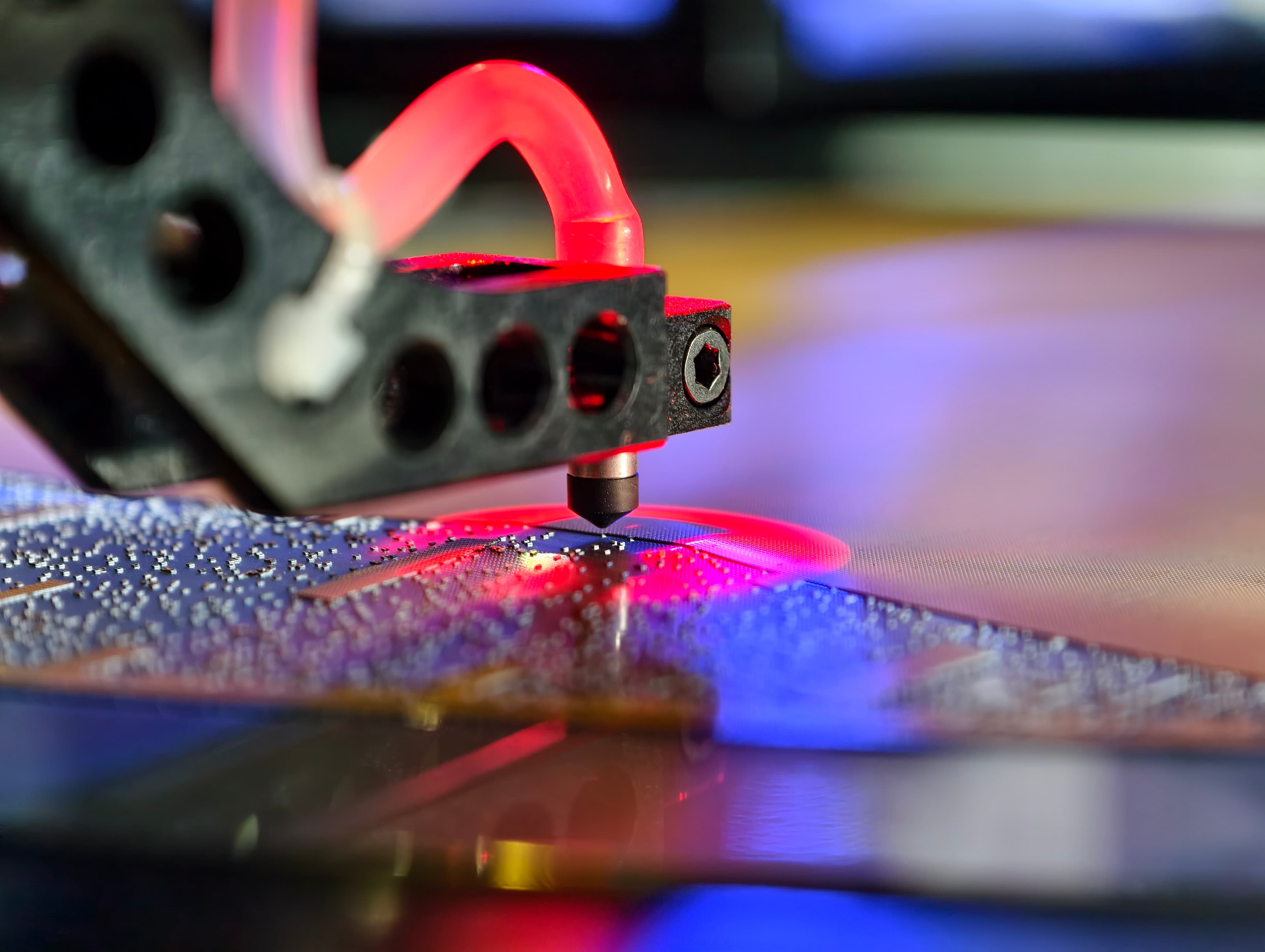
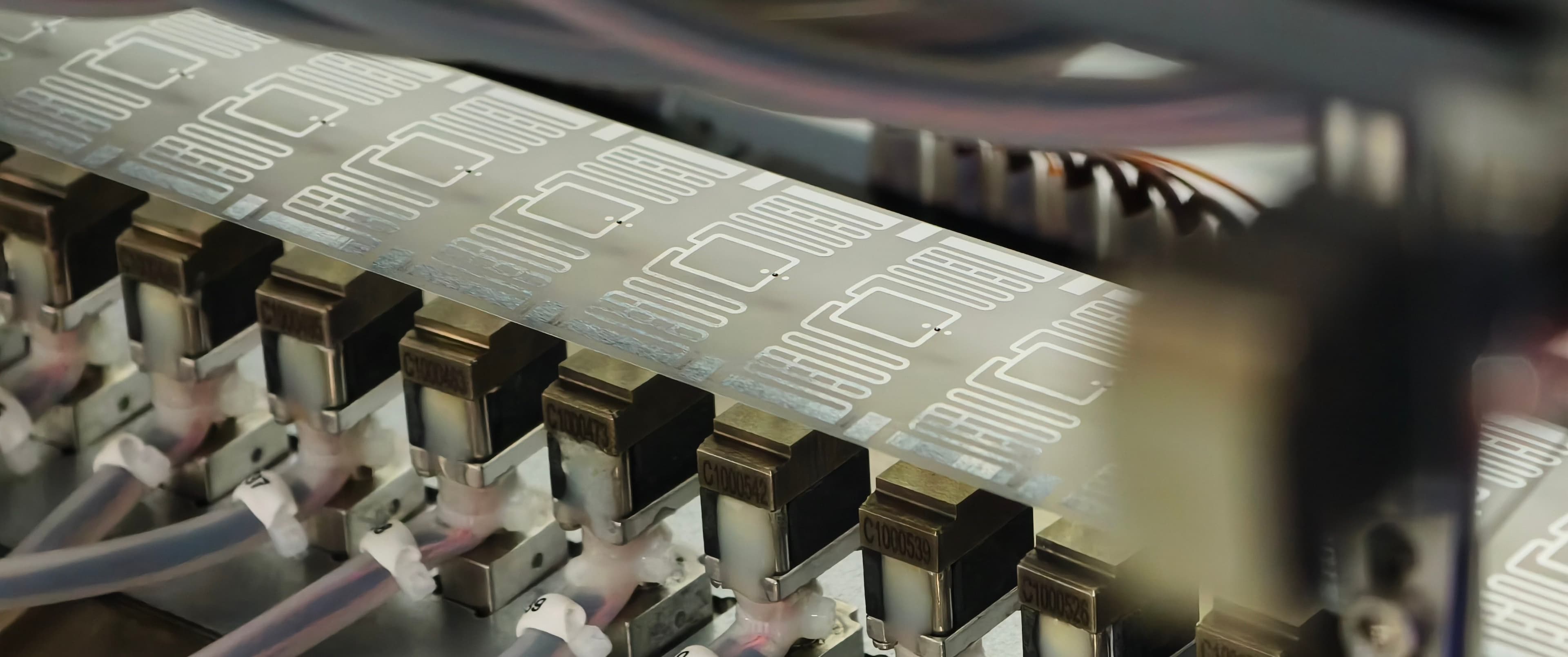
Lebo za kawaida za rejareja hushindwa mapema kwenye mazingira ya viwandani. joto huyeyusha gundi, nyuso za metali hubadilisha masafa ya antena, na mistari ya rangi hufunika chip hadi isiweze kusomeka. Tunachagua na kujaribu lebo kulingana na mazingira yako: lebo za on-metal zenye msingi wa kauri kwa sehemu za chuma, matoleo yenye kustahimili joto la juu yaliyokadiriwa hadi 250°C kwa paint ovens, na lebo zinazobadilika zilizofungwa (encapsulated) kwa zana zinazodondoshwa.
Wasomaji wetu wamewekwa kwenye kila choke point muhimu: sehemu za kutoka tool crib, kuingia kwenye station, na lango la mwisho la ukaguzi. Mali inapopita, mfumo husasisha hali yao kiotomatiki. Hakuna uingizaji wa mwendeshaji unaohitajika. Zana iliyokwisha muda wa kuhudumiwa (overdue) huwekwa alama kabla haijaingia kwenye mstari.
Lebo haitakoma kuwa muhimu mara bidhaa inapohama kiwandani. Tunashirikiana na watengenezaji ili kuhakikisha lebo ileile inasalia hai kupitia usambazaji, mauzo ya rejareja, na hatimaye kuchakatwa mwishoni mwa matumizi. Kuunda rekodi moja isiyokatika ya kidijitali kwa safari yote ya bidhaa.
Mbinu hii ya “Digital Product Passport” pia inakuwa hitaji la kisheria katika Umoja wa Ulaya. Bidhaa zitalazimika kubeba uthibitisho wa muundo wa nyenzo na data za uendelevu (sustainability). Miundombinu utakayojenga leo kwa ufuatiliaji wa utengenezaji, kesho inakuwa uti wako wa mgongo wa utii.
Seti kamili ya RFID kwa maghala. Chomeka, weka lebo, changanua. hesabu kamili ya hesabu ndani ya dakika 15.
Geuza mali zako za kimwili kuwa mito ya data ya kidijitali. Boresha sasa.