Msongo wa Kurudia
Uchunguzi wa mikono wa maelfu ya vitabu husababisha majeraha ya msongo wa kurudia (RSI) kwa wafanyakazi.


Maktaba ni vituo vya huduma kwa jamii, lakini mara nyingi wafanyikazi wa maktaba (librarians) huhisi kama wafanyakazi wa ghala. Masaa hutumika kwa kukagua kwa mikono vitabu vinavyoingia na kutoka, kupanga vitabu vilivyorejeshwa, na kutafuta vitabu vilivyowekwa vibaya kwa kutumia vichanganuzi vya barcode vinavyohitaji kuona kwa macho (line-of-sight).
Wahudumu (patrons) wanahitaji urahisi. Wanataka kuchukua kitabu na kuondoka, au kukirejesha saa 24/7 bila kusubiri foleni. Vipande vya usalama vya EM vya kawaida huzuia wizi, lakini haviwiweki akili ya hesabu (inventory intelligence).
Matokeo yake ni uzoefu wenye vizuizi (friction-filled) ambapo wafanyikazi huzama kwenye kazi za kiutawala badala ya kushiriki na jamii.
Uchunguzi wa mikono wa maelfu ya vitabu husababisha majeraha ya msongo wa kurudia (RSI) kwa wafanyakazi.
Kitabu kilichowekwa vibaya ni kitabu kilichopotea. Bila RFID, kupata kitabu kilichowekwa kwenye rafu isiyo sahihi ni kama kutafuta sindano katika majani.
Nyakati za kilele husababisha mistari mirefu kwenye dawati la usambazaji, ikichosha wateja.
Nextwaves huleta maktaba kwenye enzi ya kisasa kwa suluhisho za HF/NFC na UHF RFID. Tunaingiza tag ya RFID nyembamba, isiyoonekana, kwenye uti wa kitabu (spine) au kifuniko cha kila kitabu.
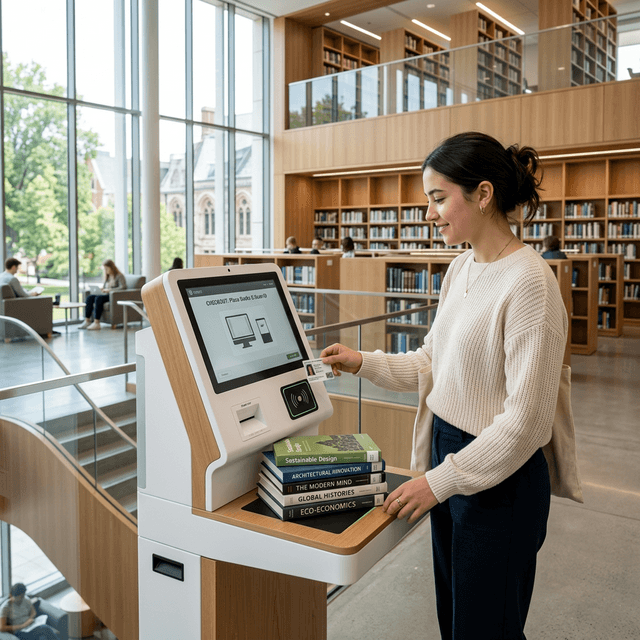
Kioski za Kujisajili na Kujichunguza (Self-Checkout Kiosks) huwaruhusu wahudumu kuweka vitabu 5–10 kwa wakati mmoja kwenye pedi. Mfumo huvisoma vyote mara moja, huzima bit ya usalama (security bit), na huchapisha risiti ndani ya sekunde chache.
Mifereji ya Kurudisha Vitabu kwa Akili (Smart Return Chutes - AMH) hupokea vitabu 24/7. Kitabu kinaposogea kushuka kwenye kifaa, huchanganuliwa, kuthibitishwa kurudishwa, na hata kupanga kiotomatiki kwenye makasha ya kupanga upya. Wafanyikazi wanaweza kutumia fimbo za mkono (handheld wands) kuzungusha/kupepea kando ya rafu (sweep) ili kutafuta vitabu vilivyopotea mara moja na kuthibitisha mpangilio sahihi.
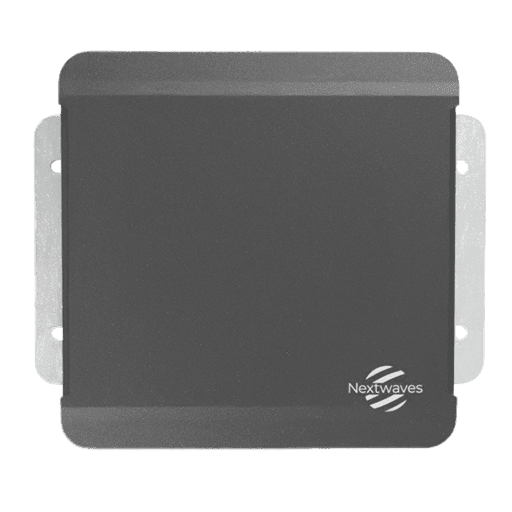
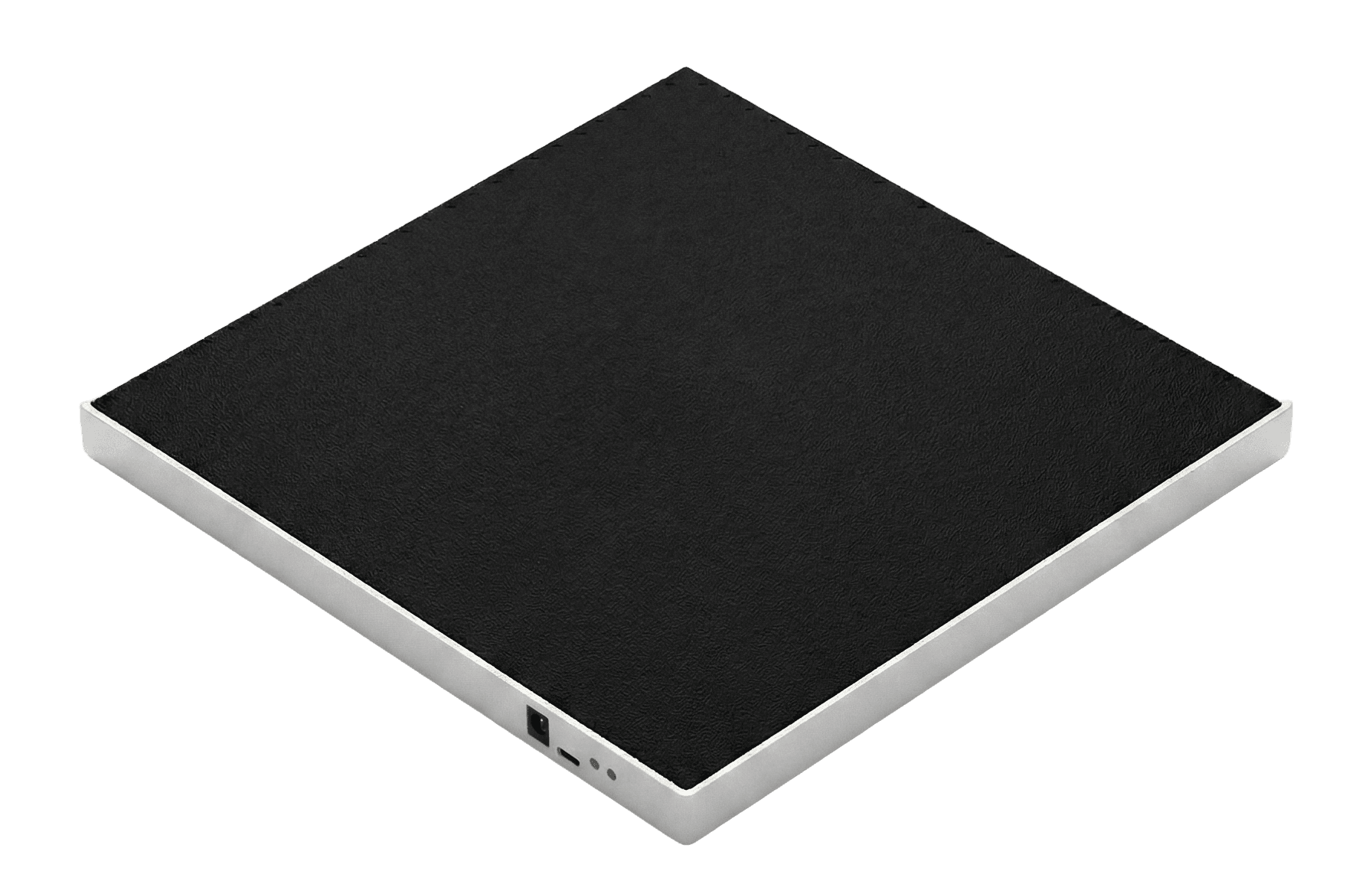
Wapa wateja uwezo wa kukodisha na kurudisha vitu papo hapo, kupunguza foleni.
Pata kitabu kilichowekwa vibaya kwa sekunde kwa kutembea tu kwenye njia kwa fimbo.
Mtiririko wa vitabu otomatiki husasisha akaunti ya mteja mara moja.
Wamaktaba hubadilika kutoka 'washughulikia vitabu' hadi 'mtaalamu wa taarifa'.
Maktaba kuu mpya ilitaka kufunguliwa kwa mtindo wa usambazaji usio na wafanyakazi ili kuongeza bajeti kwa programu za jamii.
Kubadilisha mkusanyiko mzima wa maktaba ni kazi kubwa, ndiyo sababu tunaunda kwa ajili ya kuwepo pamoja (co-existence). Vitambulisho vyetu vya mseto (hybrid tags) vina tagi ya zamani ya barcode na chip mpya ya RFID kwenye lebo moja. Hivyo ILS yako iliyopo inaendelea kufanya kazi, huku wafanyikazi wakisogea taratibu taratibu kwenye miondoko ya RFID kwa kasi yao wenyewe.
Kwa maktaba mengi ya umma tunapendekeza HF (13.56 MHz). Hii ni masafa yale yale yanayotumiwa na kadi za malipo na simu za NFC, ikitoa usahihi mzuri na faragha ya wahudumu. Maktaba/nyaraka kubwa za kitaaluma zinazoshughulikia hesabu ya vipengele maelfu kwa wingi hunufaika zaidi na kasi ya UHF. Tunatathmini mkusanyiko wako na kupendekeza masafa sahihi—si mbinu ya 'kifaa kimoja kwa wote'.
RFID hufanya mtindo wa 'masaa bila wafanyakazi' uwezekano. Wahudumu walioregister wanaweza kufikia jengo kwa kutumia kadi yao ya uanachama, kuvinjari na kuchukua vitabu kwa kujitegemea, na kurejesha vitu kupitia mfumo wa kurusha kiotomatiki. Saa 10pm siku ya Jumanne, au 6am siku ya Jumapili.
Miundombinu ileile huwezesha wafanyakazi kupata akili ya hesabu (inventory intelligence): kuchanganua rafu nzima kwa fimbo ya mkono huchukua dakika chache na huonyesha kila kitabu kilichowekwa vibaya. Kile kilichokuwa kinachochukua msimamizi wa maktaba foleni kamili sasa huchukua dakika chache mwanzoni mwa siku.
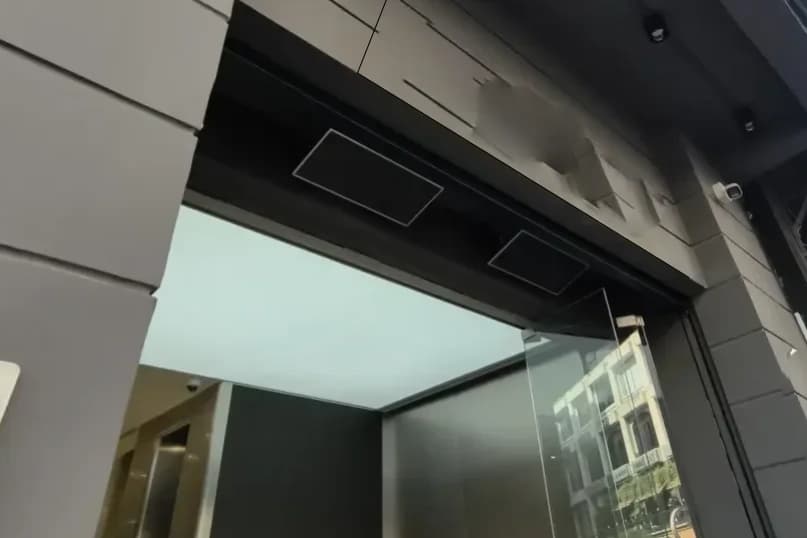
Linda kompyuta za mkononi na vifaa vya IT kwa kutumia milango ya usalama ya RFID, lebo za kuzuia chuma, na ukaguzi otomatiki.
Unda uzoefu usio na mapito, wa kisasa kwa wateja wako.