RFID replacement dossierUpdated: May 25, 2026

Zebra AN480Ukaguzi: Vipimo na Mbadala

The Zebra AN480 is an industrial passive antenna element costing $200. Contrast its coaxial installation needs against Nextwaves integrated network panels.

Uhandisi wa NextwavesMapitio ya VifaaSoma dakika 5

Technical verdict

Zebra AN480 is a mainstream hardware purchase, but it is not always the best architecture for direct RFID data integration.

Do not evaluate AN480 by list price alone. Its strongest fit is a project that already uses Type N Female, has time for RF tuning, and accepts extra middleware work. If the engineering team needs open APIs, realtime data, and faster edge-to-cloud deployment, Nextwaves NR155 is the stronger replacement path to evaluate.

Initial cost

$200 before deployment accessories

Published throughput

Not specified

Integration surface

Type N Female

Physical data

259 x 259 x 33 mm; 1.13 kg; IP: IP54

Published specs

Specifications to validate before replacing

Masafa

Global (865-956 MHz)

Itifaki

N/A (Passive Antenna Element)

Uunganisho

Type N Female

Ukadiriaji wa IP

IP54

Vipimo

259 x 259 x 33 mm

Uzito

1.13 kg

Ugavi wa Nguvu

N/A (Passive)

Kiwango cha Kusoma

N/A (Passive)

Bei Inayokadiriwa

$200

Deployment review

Operational strengths and risks

This summary is based on public specifications and does not replace an on-site RF survey.

Fit score

3.5/5

Strengths

  • Type N Female gives network teams a familiar integration surface instead of local-only collection.
  • N/A (Passive) can reduce separate power drops when switch PoE budget is available.
  • The $200 hardware baseline is easier to budget than premium fixed-reader configurations.
  • Throughput should be measured with real tags and antennas.

Validate

  • Quoted hardware price is not installed system cost; include antennas, cables, mounts, power, software, and configuration work.
  • RF performance depends on tag material, antenna position, transmit power, reader orientation, and site interference.
  • IP54 must be checked against dust, humidity, temperature, and cleaning requirements.
  • Raw RFID reads still need duplicate filtering, business-event mapping, and ERP/WMS integration before operations can use them.

Deployment review

Buying decision matrix

Best fit

Fixed UHF RFID projects that already use Type N Female and have time for RF tuning.

Weak fit

Do not compare device price only; total cost depends on accessories, software, and integration.

Deployment risk

IP54, N/A (Passive), 259 x 259 x 33 mm, and 1.13 kg must match the site layout.

Software risk

Plan for middleware, SDK work, duplicate filtering, and business-event mapping.

Alternative architecture

Zebra AN480 vs Nextwaves

01

Muhtasari wa Vifaa

Zebra AN480 ni kifaa cha RFID cha kiwango cha viwanda. Kifaa hiki hufanya kazi ndani ya masafa ya Global (865-956 MHz) na kinaunga mkono kiwango cha N/A (Passive Antenna Element), na kuifanya itumike sana katika matumizi ya vifaa vya biashara.

Kwa ukadiriaji wa IP wa IP54, inatoa ulinzi dhidi ya hali maalum za mazingira za kawaida katika ghala au vyumba vya nyuma vya rejareja. Kisomaji hutumia N/A (Passive) kwa utendaji endelevu, wakati kiwango chake cha juu cha usomaji kinasema kuwa ni N/A (Passive).

02

Ushirikiano wa Muunganisho na Mtandao

Katika matumizi ya kisasa, ushirikiano wa mtandao ndio kikwazo kikubwa zaidi. Mfumo huu unatoa chaguo za Type N Female kwa kuhamisha data kurudi kwenye mifumo mikuu.

Hata hivyo, tatizo kubwa na vifaa vya Zebra vya zamani ni kutegemea sana SDKs za umiliki (kama LLRP) au programu ya kati ya IoT ya gharama kubwa ya watu wengine ili kuchakata data ghafi ya lebo kuwa akili ya biashara yenye maana.

03

When to choose Nextwaves instead of another closed reader

Ikiwa timu yako ya uhandisi inatathmini Zebra AN480, Nextwaves NR155 inatoa usanifu bora zaidi wa asili ya wingu. Mifumo ya urithi huendesha matumizi makubwa ya mtaji kupitia kufungwa kwa muuzaji na mazingira ya programu ya wamiliki.

Nextwaves huondoa kabisa kizuizi hiki kwa kutoa kiwango cha MQTT REST API moja kwa moja kwenye kifaa. Wasanidi programu wako wanaweza kuunganisha usomaji wa lebo moja kwa moja kwenye ERP yako maalum au WMS backend kwa siku badala ya miezi, wakipita kabisa ada za leseni za programu ya katikati zinazojirudia.

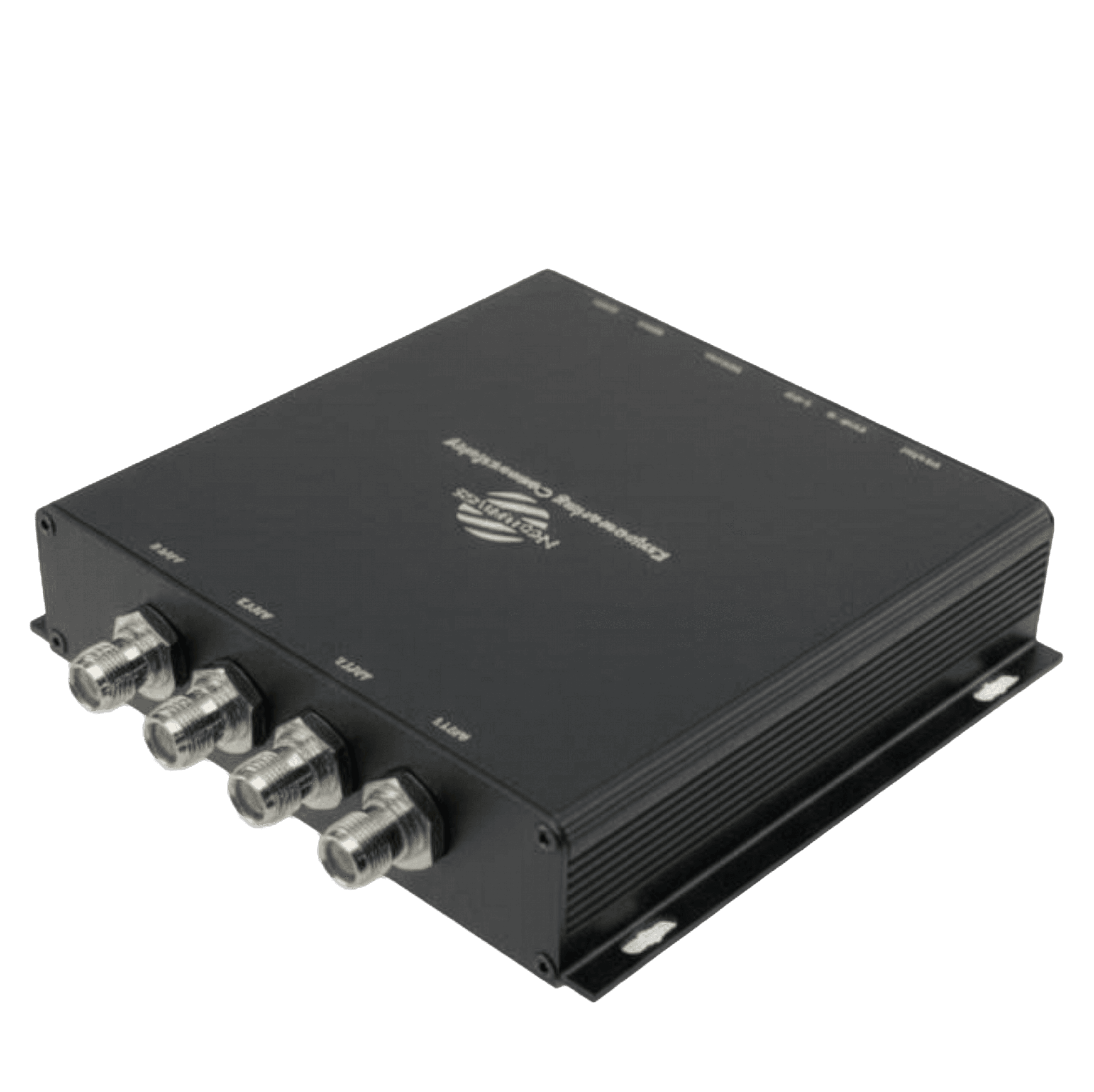
Alternative architecture

Kisomaji cha IoT cha UHF RFID cha NR155

API za MQTT/REST asili ya wingu zimejengwa ndani. Hakuna SDKs za umiliki, hakuna leseni ya programu ya kati. Unganisha moja kwa moja na ERP au WMS yako kwa siku.

View Nextwaves NR155
Nextwaves NR155 Fixed IoT UHF RFID Reader

Bandari za Antena

4 x Bandari za RP-TNC

Kasi ya Kusoma

Hadi lebo 400/sekunde

Nguvu ya Pato

0–33 dBm (hatua za 1dB)

Itifaki ya Mtandao

MQTT / MQTTS

FAQ

Maswali Yanayoulizwa Mara kwa Mara

These answers help purchasing and engineering teams review cost, integration, and deployment risk.

01

AN480 ni nini?

The Zebra AN480 is a passive indoor/outdoor RFID antenna panel. Operating seamlessly across both EU and US Global (865-956 MHz) bands within a single footprint, it functions strictly to bounce UHF energy pushed from a standalone interrogator unit.

02

Usanidi huu unagharimu kiasi gani mwanzoni?

Hardware modules start at $200. This price omits the fundamental components required for operation such as an active reader, massive low-loss RF cabling, heavy-duty swivel brackets, and enterprise integration licenses.

03

Kwa nini nichague Nextwaves badala yake?

Constructing portal systems using separate passive plates forces operators to balance coaxial cable lengths exactly. Nextwaves integrates high-power antennas directly onto an active reader board communicating over standard CAT6 PoE lines.

04

Je, vifaa vina uimara wa kutosha kwa maghala?

Tipping the scales at 1.13 kg with a 259 x 259 x 33 mm square footprint, it boasts an IP54 enclosure rating. While robust against general manufacturing grit, it remains vulnerable to high-pressure wash-downs.

05

Je, inasaidia aina nyingi za mtandao?

This is a primitive RF instrument and contains zero logic ports. Its sole connection is a heavily shielded Type N Female socket requiring thick LMR-240 or LMR-400 coaxial cabling trailing back to central readers.

06

Je, timu yangu inaweza kusakinisha hii ndani?

Operations teams routinely mount this slab to factory ceiling trusses. Critical calibration hinges heavily upon aligning the antenna array pitch angles accurately and measuring RF attenuation bleeding across the thick coaxial wires.

07

Usimamizi wa mbali unafanyaje kazi?

Functioning as a static metal element, it is entirely ignorant of software or firmware logic. Throughput relies 100% on the backend intelligence of the attached interrogator module.

08

Je, ninahitaji programu ya umiliki ili kuiendesha?

You cannot route network signals into this device. Developers and network engineers instead interface entirely with the external proprietary reader hardware hooked to the Type N Female port.

09

Udhamini gani unakuja na kisoma?

Due to its simplistic nature, standard manufacturing defect protection covers it for a single year. Passive components typically perform reliably for decades barring extreme weather, vandalism, or severed coaxial leads.

10

Je, antena zinauzwa kando?

Providing roughly 6.0 dBi Circularly polarized gain across a wide Global (865-956 MHz) sweeping bandwidth, it perfectly accommodates global deployments requiring a standardized installation footprint across varying RF locales.