RFID replacement dossierUpdated: May 25, 2026

Laird S8658PL/PRUkaguzi: Vipimo na Mbadala

The Laird S8658PL/PR is an ETSI targeted passive array for $150. Analyze the complex deployment costs against standalone active arrays.

Uhandisi wa NextwavesMapitio ya VifaaSoma dakika 5

Technical verdict

Laird S8658PL/PR is a mainstream hardware purchase, but it is not always the best architecture for direct RFID data integration.

Do not evaluate S8658PL/PR by list price alone. Its strongest fit is a project that already uses Coaxial Type N / SMA, has time for RF tuning, and accepts extra middleware work. If the engineering team needs open APIs, realtime data, and faster edge-to-cloud deployment, Nextwaves NR155 is the stronger replacement path to evaluate.

Initial cost

$150 before deployment accessories

Published throughput

Not specified

Integration surface

Coaxial Type N / SMA

Physical data

260 x 260 x 33 mm; 1.04 kg; IP: IP54

Published specs

Specifications to validate before replacing

Masafa

865-868 MHz (ETSI)

Itifaki

N/A (Passive Antenna Element)

Uunganisho

Coaxial Type N / SMA

Ukadiriaji wa IP

IP54

Vipimo

260 x 260 x 33 mm

Uzito

1.04 kg

Ugavi wa Nguvu

N/A (Passive)

Kiwango cha Kusoma

N/A (Passive)

Bei Inayokadiriwa

$150

Deployment review

Operational strengths and risks

This summary is based on public specifications and does not replace an on-site RF survey.

Fit score

3.5/5

Strengths

  • Coaxial Type N / SMA gives network teams a familiar integration surface instead of local-only collection.
  • N/A (Passive) can reduce separate power drops when switch PoE budget is available.
  • The $150 hardware baseline is easier to budget than premium fixed-reader configurations.
  • Throughput should be measured with real tags and antennas.

Validate

  • Quoted hardware price is not installed system cost; include antennas, cables, mounts, power, software, and configuration work.
  • RF performance depends on tag material, antenna position, transmit power, reader orientation, and site interference.
  • IP54 must be checked against dust, humidity, temperature, and cleaning requirements.
  • Raw RFID reads still need duplicate filtering, business-event mapping, and ERP/WMS integration before operations can use them.

Deployment review

Buying decision matrix

Best fit

Fixed UHF RFID projects that already use Coaxial Type N / SMA and have time for RF tuning.

Weak fit

Do not compare device price only; total cost depends on accessories, software, and integration.

Deployment risk

IP54, N/A (Passive), 260 x 260 x 33 mm, and 1.04 kg must match the site layout.

Software risk

Plan for middleware, SDK work, duplicate filtering, and business-event mapping.

Alternative architecture

Laird S8658PL/PR vs Nextwaves

01

Muhtasari wa Vifaa

Laird S8658PL/PR ni kifaa cha RFID cha kiwango cha viwanda. Kifaa hiki hufanya kazi ndani ya masafa ya 865-868 MHz (ETSI) na kinaunga mkono kiwango cha N/A (Passive Antenna Element), na kuifanya itumike sana katika matumizi ya vifaa vya biashara.

Kwa ukadiriaji wa IP wa IP54, inatoa ulinzi dhidi ya hali maalum za mazingira za kawaida katika ghala au vyumba vya nyuma vya rejareja. Kisomaji hutumia N/A (Passive) kwa utendaji endelevu, wakati kiwango chake cha juu cha usomaji kinasema kuwa ni N/A (Passive).

02

Ushirikiano wa Muunganisho na Mtandao

Katika matumizi ya kisasa, ushirikiano wa mtandao ndio kikwazo kikubwa zaidi. Mfumo huu unatoa chaguo za Coaxial Type N / SMA kwa kuhamisha data kurudi kwenye mifumo mikuu.

Hata hivyo, tatizo kubwa na vifaa vya Laird vya zamani ni kutegemea sana SDKs za umiliki (kama LLRP) au programu ya kati ya IoT ya gharama kubwa ya watu wengine ili kuchakata data ghafi ya lebo kuwa akili ya biashara yenye maana.

03

When to choose Nextwaves instead of another closed reader

Ikiwa timu yako ya uhandisi inatathmini Laird S8658PL/PR, Nextwaves NR155 inatoa usanifu bora zaidi wa asili ya wingu. Mifumo ya urithi huendesha matumizi makubwa ya mtaji kupitia kufungwa kwa muuzaji na mazingira ya programu ya wamiliki.

Nextwaves huondoa kabisa kizuizi hiki kwa kutoa kiwango cha MQTT REST API moja kwa moja kwenye kifaa. Wasanidi programu wako wanaweza kuunganisha usomaji wa lebo moja kwa moja kwenye ERP yako maalum au WMS backend kwa siku badala ya miezi, wakipita kabisa ada za leseni za programu ya katikati zinazojirudia.

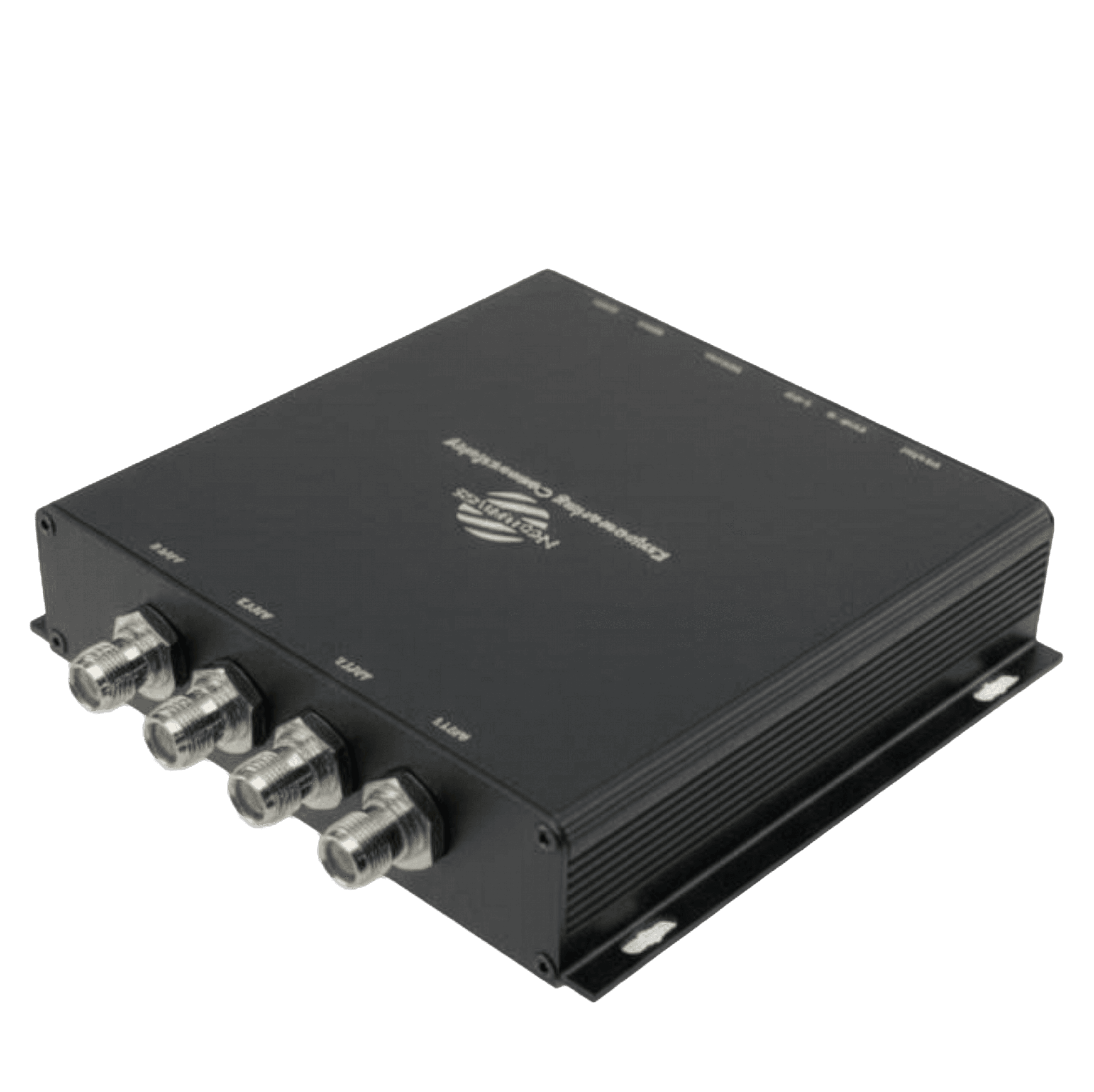
Alternative architecture

Kisomaji cha IoT cha UHF RFID cha NR155

API za MQTT/REST asili ya wingu zimejengwa ndani. Hakuna SDKs za umiliki, hakuna leseni ya programu ya kati. Unganisha moja kwa moja na ERP au WMS yako kwa siku.

View Nextwaves NR155
Nextwaves NR155 Fixed IoT UHF RFID Reader

Bandari za Antena

4 x Bandari za RP-TNC

Kasi ya Kusoma

Hadi lebo 400/sekunde

Nguvu ya Pato

0–33 dBm (hatua za 1dB)

Itifaki ya Mtandao

MQTT / MQTTS

FAQ

Maswali Yanayoulizwa Mara kwa Mara

These answers help purchasing and engineering teams review cost, integration, and deployment risk.

01

S8658PL/PR ni nini?

The Laird S8658PL (Left-Hand) and PR (Right-Hand) operate as dedicated EU passive antenna fields. Confined locally to 865-868 MHz (ETSI) bands, they broadcast focused electromagnetic waves initiated by external centralized readers.

02

Usanidi huu unagharimu kiasi gani mwanzoni?

Panels carry roughly a $150 price tag. This does not factor for high-end active processing blocks, coaxial lengths routing behind drywalls, or custom software routing required on the parent MCU.

03

Kwa nini nichague Nextwaves badala yake?

Traditional RFID involves bolting passive antennas to ceilings and dragging coax cables back to central IT closets. Nextwaves simply places a standalone active array directly onto the ceiling, hooked securely to straightforward PoE systems.

04

Je, vifaa vina uimara wa kutosha kwa maghala?

Protected by standard IP54 seals, the 260 x 260 x 33 mm casing weighs 1.04 kg. It defends against factory dust perfectly, but risks catastrophic internal failure during localized high-pressure wash-down environments.

05

Je, inasaidia aina nyingi za mtandao?

It completely lacks native Ethernet, Wi-Fi, or Bluetooth stacks. Transmitting voltage impulses occurs physically through Coaxial Type N / SMA connections tied intimately back to the active reader.

06

Je, timu yangu inaweza kusakinisha hii ndani?

Mounting requires securely anchoring heavy-duty articulating joints. Successful logic implementation requires measuring VSWR tolerances to tune the active reader compensating for coaxial decibel attenuation.

07

Usimamizi wa mbali unafanyaje kazi?

Governed by N/A (Passive) dynamics, the speed of tag collection correlates precisely to the processing rate of the interrogator board powering the matrix.

08

Je, ninahitaji programu ya umiliki ili kuiendesha?

Middleware stacks are fully divorced from this hardware. Engineers execute tag reading logic and REST webhooks exclusively on the Linux systems baked into the core reader managing the voltage logic.

09

Udhamini gani unakuja na kisoma?

Protected by fundamental 1-year product fault protections. The static internal patch framework functions virtually indefinitely absent violent warehouse pallet crashes.

10

Je, antena zinauzwa kando?

Delivering exactly 8.5 dBic localized gain, mixing Left and Right Circularly Polarized patterns over the 865-868 MHz (ETSI) block nullifies aggressive 'deep fade' interference inside cluttered warehouses.