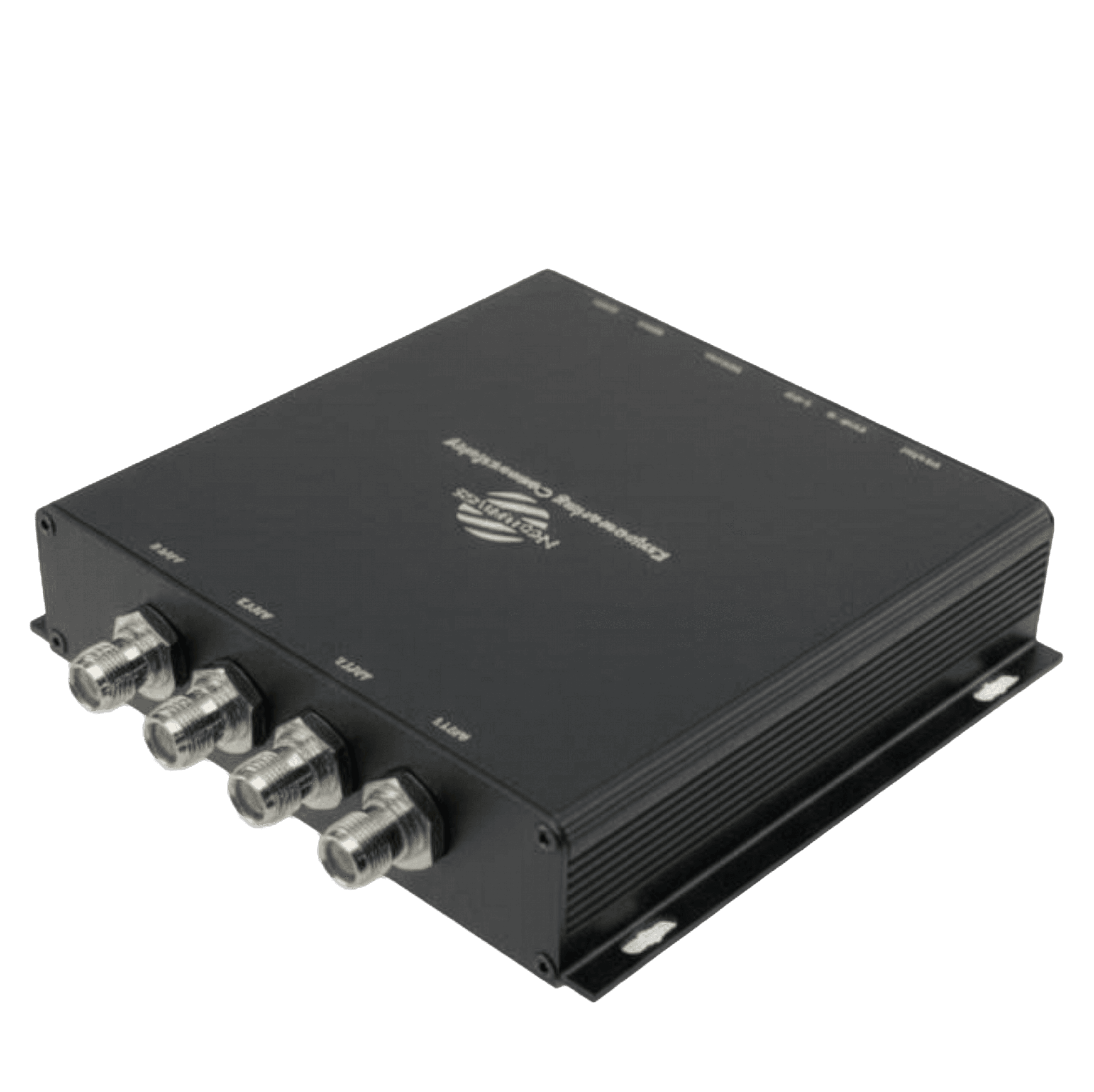
The Honeywell IH25 is a Bluetooth sled tracking device starting around $1000. Learn about its smartphone pairing requirements and comparison to Nextwaves.
Vipimo vya Ufundi
Muhtasari wa Vifaa
Honeywell IH25 ni kifaa cha RFID cha kiwango cha viwanda. Kifaa hiki hufanya kazi ndani ya masafa ya 865-868 MHz / 902-928 MHz na kinaunga mkono kiwango cha EPC Gen2 V2, na kuifanya itumike sana katika matumizi ya vifaa vya biashara.
Kwa ukadiriaji wa IP wa IP54, inatoa ulinzi dhidi ya hali maalum za mazingira za kawaida katika ghala au vyumba vya nyuma vya rejareja. Kisomaji hutumia Li-Poly 3.8V 4000mAh kwa utendaji endelevu, wakati kiwango chake cha juu cha usomaji kinasema kuwa ni ~600 tags/sec.
Ushirikiano wa Muunganisho na Mtandao
Katika matumizi ya kisasa, ushirikiano wa mtandao ndio kikwazo kikubwa zaidi. Mfumo huu unatoa chaguo za Bluetooth 5.0, BLE kwa kuhamisha data kurudi kwenye mifumo mikuu.
Hata hivyo, tatizo kubwa na vifaa vya Honeywell vya zamani ni kutegemea sana SDKs za umiliki (kama LLRP) au programu ya kati ya IoT ya gharama kubwa ya watu wengine ili kuchakata data ghafi ya lebo kuwa akili ya biashara yenye maana.
Mbadala wa Nextwaves
Ikiwa timu yako ya uhandisi inatathmini Honeywell IH25, Nextwaves NR155 inatoa usanifu bora zaidi wa asili ya wingu. Mifumo ya urithi huendesha matumizi makubwa ya mtaji kupitia kufungwa kwa muuzaji na mazingira ya programu ya wamiliki.
Nextwaves huondoa kabisa kizuizi hiki kwa kutoa kiwango cha MQTT REST API moja kwa moja kwenye kifaa. Wasanidi programu wako wanaweza kuunganisha usomaji wa lebo moja kwa moja kwenye ERP yako maalum au WMS backend kwa siku badala ya miezi, wakipita kabisa ada za leseni za programu ya katikati zinazojirudia.
Maswali Yanayoulizwa Mara kwa Mara
IH25 ni nini?
The Honeywell IH25 is a Bluetooth-enabled UHF RFID sled designed to pair with existing mobile computers. It supports EPC Gen2 V2 logic over the 865-868 MHz / 902-928 MHz blocks, enabling ad-hoc retail tagging and inventory scans.
Usanidi huu unagharimu kiasi gani mwanzoni?
The sled attachment is generally priced at $1000. Facilities must calculate the combined cost: the sled itself, Li-Poly 3.8V 4000mAh replacement batteries, and the secondary smartphone/terminal required to drive the UI.
Kwa nini nichague Nextwaves badala yake?
Nextwaves hardware features embedded connectivity processors that eliminate the need to tether a smartphone via Bluetooth. Operators achieve direct web-to-cloud architectures devoid of messy local GATT profile synchronization.
Je, vifaa vina uimara wa kutosha kwa maghala?
The sled unit weighs 430 g (without mobile) and measures 185 x 77.8 x 147 mm. Rated IP54, it prevents ingress against daily dust buildup and splashes, making it primarily suited to retail backrooms and clean logistics hubs.
Je, inasaidia aina nyingi za mtandao?
Communications operate entirely via Bluetooth 5.0, BLE protocols. This connects the trigger assembly and RFID module strictly to a host smartphone rather than natively to enterprise Wi-Fi routers.
Je, timu yangu inaweza kusakinisha hii ndani?
Physical assembly requires locking the host mobile device into the mounting adapter. Software developers must integrate Honeywell Android/iOS SDK libraries into a custom application to establish the BLE handshake and commence scanning.
Usimamizi wa mbali unafanyaje kazi?
Under continuous trigger holds, the sled yields approx ~600 tags/sec. Sled firmware updates and administration require flashing via the host Android or iOS terminal utility.
Je, ninahitaji programu ya umiliki ili kuiendesha?
A complete system dictates writing custom Android/iOS applications to act as an intermediary bridge, taking Bluetooth 5.0, BLE tag arrays and packaging them into HTTPS payloads for external CRMs.
Udhamini gani unakuja na kisoma?
Honeywell includes a one-year factory defect warranty on physical parts. Authorized integrators often attach comprehensive service tier contracts covering both the sled and the host mobile device pair.
Je, antena zinauzwa kando?
A built-in polarized antenna sweeps the environment for tags across the 865-868 MHz / 902-928 MHz limits. Read stability depends on maintaining a short optical path between the sled face and the target asset.