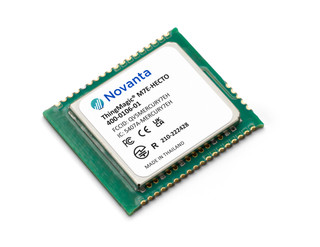
The ThingMagic M7e-Hecto is a $150 OEM module powered by the Impinj E510 IC. Compare its bare PCB integration timeline against Nextwaves turnkey hardware.
Tekniska specifikationer
Maskinvaruöversikt
ThingMagic (JADAK) M7e-Hecto är en RFID-enhet i industriell kvalitet. Den arbetar inom Global (860-960 MHz)-området och stöder EPC Gen2v2, ISO 18000-63-standarden, vilket gör att den används i stor utsträckning inom logistikapplikationer för företag.
Med en IP-klassning på Bare PCB (None) erbjuder den skydd mot specifika miljöförhållanden som är typiska i lager eller bakre utrymmen i butiker. Läsaren använder 3.3V to 5.25V DC för kontinuerlig prestanda, medan dess angivna maximala läshastighet når up to ~300 tags/sec.
Anslutning och nätverksintegration
I moderna implementeringar är nätverksintegration det största hindret. Denna modell erbjuder UART Serial / USB alternativ för att överföra data tillbaka till centrala system.
En stor flaskhals med äldre ThingMagic (JADAK) hårdvara är dock det stora beroendet av proprietära SDK:er (som LLRP) eller dyr IoT-middleware från tredje part för att bearbeta rå taggdata till meningsfull affärsintelligens.
Nextwaves-alternativet
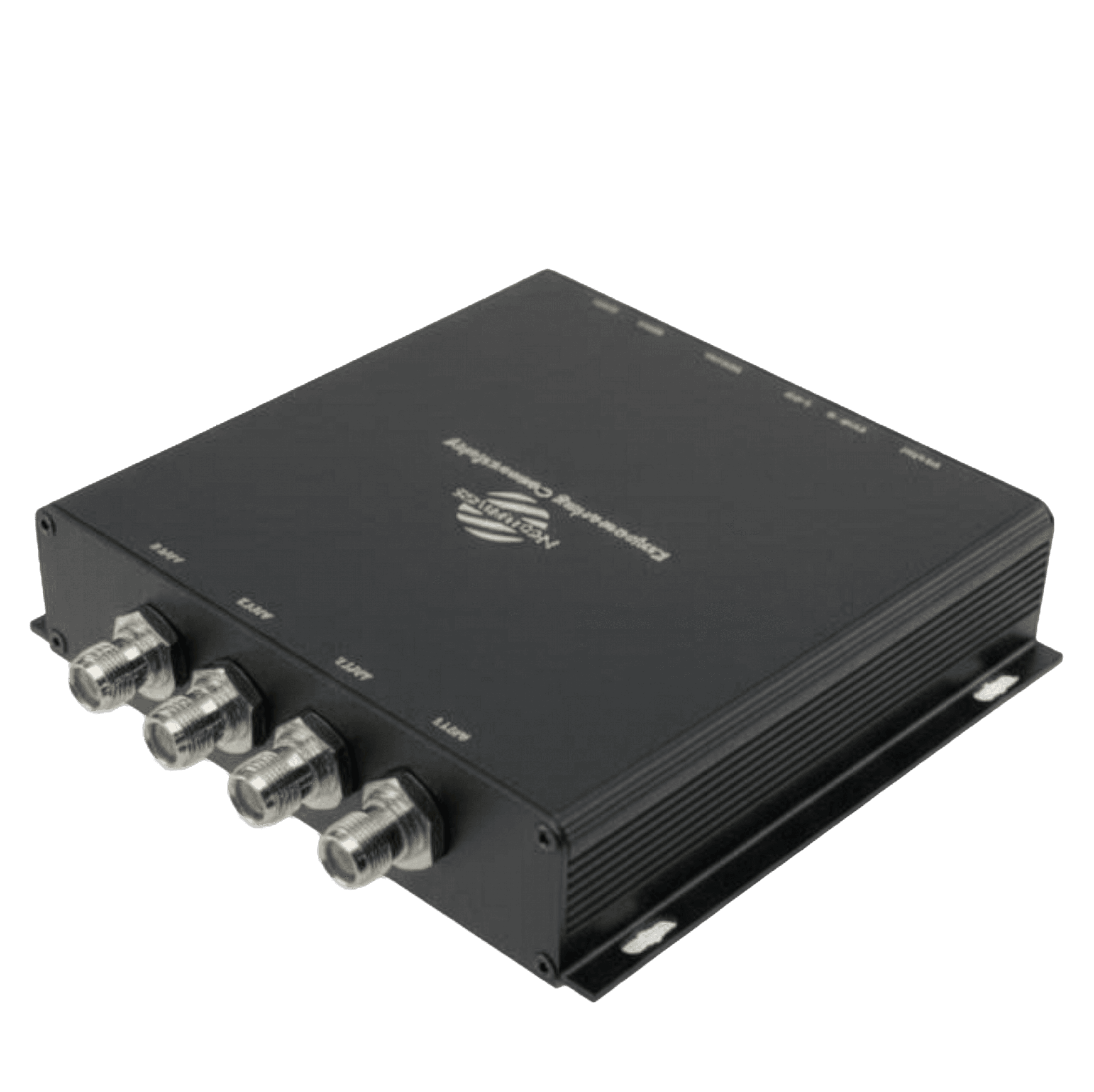
Om ditt teknikteam utvärderar ThingMagic (JADAK) M7e-Hecto, presenterar Nextwaves NR155 en mycket överlägsen molnbaserad arkitektur. Äldre system driver i sig höga investeringskostnader genom leverantörslåsning och proprietära mjukvaruekosystem.
Nextwaves eliminerar helt denna barriär genom att tillhandahålla ett standard MQTT REST API direkt på enheten. Dina mjukvaruutvecklare kan integrera taggläsning direkt i din anpassade ERP- eller WMS-backend på dagar istället för månader, vilket helt kringgår återkommande licensavgifter för mellansoftvara.
Vanliga frågor
Vad är M7e-Hecto?
The ThingMagic (JADAK) M7e-Hecto is an embeddable UHF module integrating the mid-tier Impinj E510 RFIC. Operating across Global (860-960 MHz) channels, it maps EPC Gen2v2, ISO 18000-63 identifiers into a serialized output standard for OEM engineering teams.
Hur mycket kostar den här installationen initialt?
Individual modules price out near $150. Developing functional industrial scanners requires massive hardware expenditures encompassing custom motherboards, multi-port antenna selectors, integrated cooling fins, and specialized logic controllers.
Varför ska jag välja Nextwaves istället?
The true cost of modular integration lies strictly in the software hours required. Nextwaves completely eliminates low-level C++ serial logic programming by offering readers with HTTP webhooks enabled inherently out-of-the-box.
Är hårdvaran tillräckligt tålig för lager?
Operating as an unprotected microcircuit measuring 46 x 26 x 4 mm and weighing 3 g, the unit requires the OEM to provide an IP-rated casing to bypass its Bare PCB (None) reality.
Stöder den flera nätverkstyper?
Communications are bottlenecked to localized UART Serial / USB edge pins. Implementing WPA3 Wi-Fi or TLS 1.2 Ethernet security remains the direct responsibility of the OEM's master microcontroller logic.
Kan mitt team installera detta internt?
Physical integration requires wave soldering into a host PCB. The commanding processor must run the ThingMagic Mercury API dynamically to handle asynchronous interruptions and manage buffer logic on the interrogator.
Hur fungerar fjärrhanteringen?
The E510 IC is capable of reading up to ~300 tags/sec in clean environments. True throughput is dictated by the ability of the host microprocessor to clear the small serial buffers before they overflow.
Behöver jag proprietär programvara för att köra den?
Because the M7e-Hecto exports raw hex arrays locally via UART, developers must wrap these strings into TCP/IP or HTTP packets using auxiliary network coprocessors to reach backend asset management environments securely.
Vilken garanti följer med läsaren?
Standard ThingMagic defective parts warranties apply, universally voided if ESD protocols or thermal paste guidelines are ignored heavily during the customized OEM manufacturing process.
Säljs antennerna separat?
Its dual MMCX antenna edge connections support wide Global (860-960 MHz) profiles. Delivering up to +27 dBm output power, it creates a robust detection field requiring cautious electromagnetic interference testing against the host device.