Kopičenje in izguba sredstev
Ker osebje ne najde opreme, jo kopiči v omarah in stropnih ploščicah. Bolnišnice na koncu kupijo 130 % svojega potrebnega voznega parka, vendar je izkoriščenost še vedno pod 40 %. Na milijone dolarjev miruje.
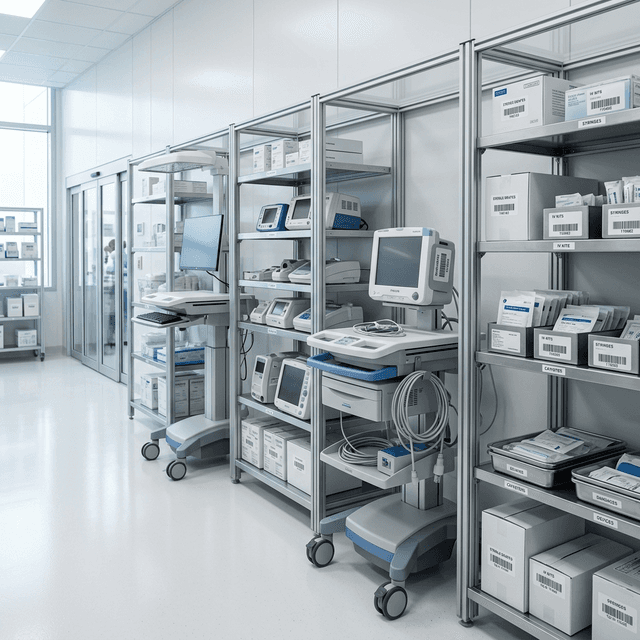


Bolnišnice so kompleksna in kaotična okolja, kjer od logistike zavisi odločitve o življenju in smrti. Kljub temu povprečna medicinska sestra porabi 1 uro na izmeno - 12% svojega časa - za iskanje opreme. Išče infuzijske črpalke, invalidske vozičke, telemetrijske pakete in vakuumske sisteme za rane. To je medicina »Hunt and Gather«.
Poleg sredstev je upravljanje farmacevtik pogosto povezano z tveganji. Ročno sledenje vozičkom za urgentna zdravila in pladnjem z zdravili vodi do tega, da zdravila s potečenim rokom ostanejo v obtoku. Ena sama spregled lahko povzroči Sentinel Event.
Poleg tega je pretok pacientov nepregleden. Ozka grla v urgentnem centru ali operacijski dvorani zmanjšujejo pretočnost in zadovoljstvo pacientov. Brez podatkov skrbniki ne morejo optimizirati kadrov ali menjave postelj.
Ker osebje ne najde opreme, jo kopiči v omarah in stropnih ploščicah. Bolnišnice na koncu kupijo 130 % svojega potrebnega voznega parka, vendar je izkoriščenost še vedno pod 40 %. Na milijone dolarjev miruje.
Ročno ponovno polnjenje vozičkov za oživljanje je nagnjeno k napakam. Zamujena vialica epinefrina s pretečenim rokom je odgovornost. Odklon zdravil (tatvina) je prav tako vse večja skrb, ki je ročni dnevniki ne morejo preprečiti.
Zelo pomembno je vedeti, katera oprema je bila v interakciji z nalezljivim bolnikom. Brez digitalnega sledenja stikom morajo bolnišnice v karanteno dati vsa sredstva, kar moti delovanje.
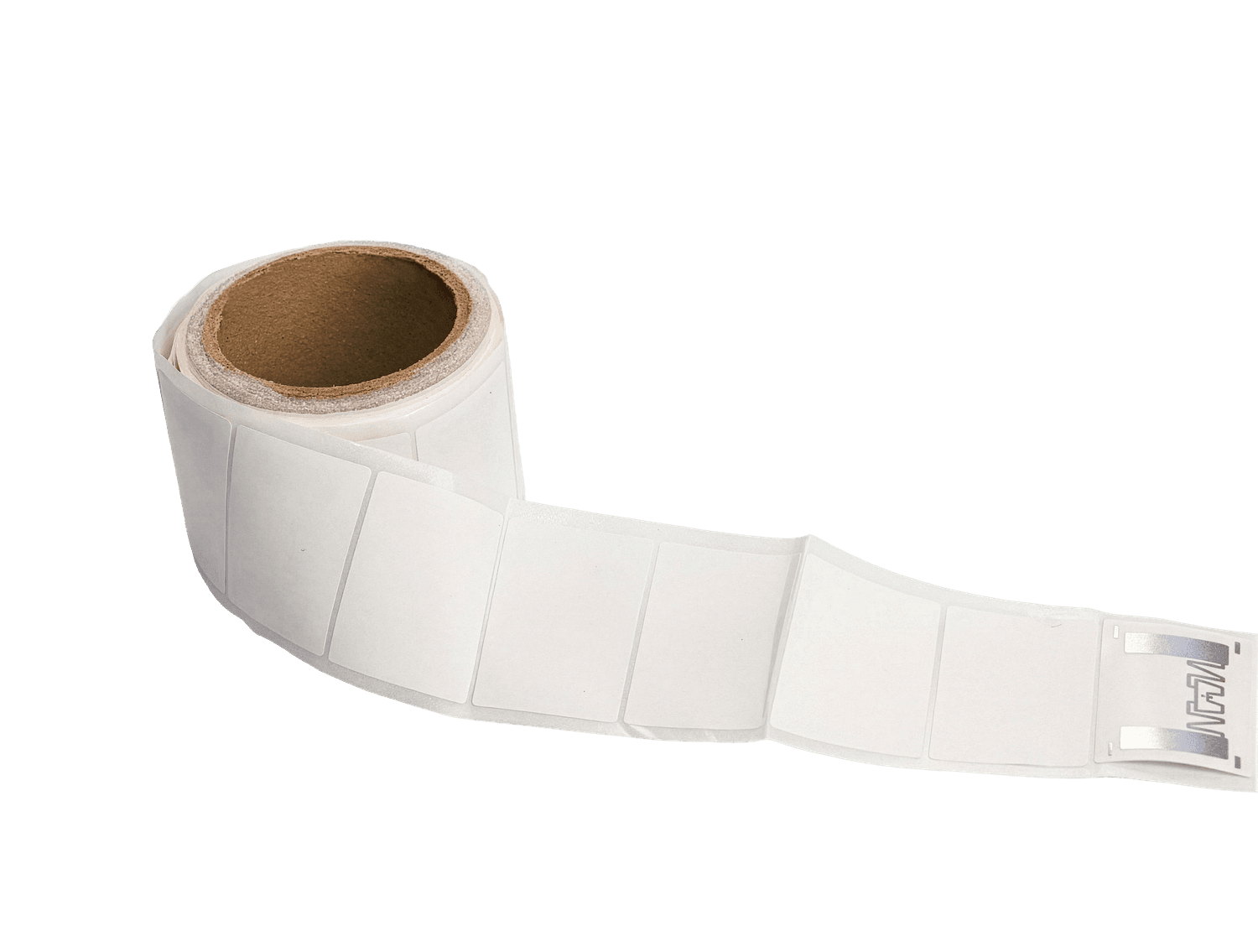
Nextwaves uvaja hibridni Real-Time Location System (RTLS). Za visokokoličinske potrošne materiale in nizkocenovna sredstva (perilo, mape, zdravila) uporabljamo pasivni UHF RFID, za opremo visoke vrednosti pa stalno sledenje z Active (BLE/Wi‑Fi).
Naše »Smart Cabinets« samodejno beležijo vsako vialo zdravila, ki jo vzamejo, s sprotnim posodabljanjem pacientovega zapisa in zalog. Komponente z nizkih ali stropnih nizov spremljajo premike postelj in črpalk po celotnem objektu ter jih prikazujejo na digitalnem zemljevidu.
Sistem ustvari »Chain of Custody«. Vemo natančno, kdo je vzel zdravilo, za katerega pacienta in kdaj. Vemo tudi natančno, kje je infuzijska črpalka, in ali je bila očiščena od zadnje uporabe.
Preprečite 'Nikoli dogodke'. Avtomatizirani pregledi zagotavljajo pravi medikament, pravi odmerek, pravega pacienta.
Zmanjšajte velikost flote za 20 % in hkrati povečajte razpoložljivost. Nehajte kupovati črpalke, ki jih ne potrebujete.
Dajte medicinskim sestram njihov čas nazaj. Naj se osredotočijo na nego, ne na logistiko.
Avtomatizirani dnevniki za The Joint Commission (TJC). Takoj dokažite skladnost s sterilnostjo in vzdrževanjem.
Center za travme s 500 posteljami se je spopadal s prepustnostjo urgence in kroničnim pomanjkanjem črpalk za intravensko dajanje. Medicinske sestre so poročale o zamudah pri oskrbi zaradi manjkajoče opreme.
Medicinski RFID ima višje zahteve kot maloprodaja. Nikoli se na tag ne zapiše ime pacienta, diagnoza ali osebni podatki (PII). Tagovi nosijo samo anonimen žeton - številko, ki nima pomena brez dostopa do varnega strežniškega zaledja, ki ga poveže z zapisom o pacientu.
Ta podatkovna plast je šifrirana, z nadzorom dostopa in revizijskimi zapisi. Zdravstveni delavci vidijo le podatke, ki jih dovoljuje njihov delokrog. Skrbniki vidijo poročila o izrabi. Nihče ne vidi podatkov o pacientih neposredno prek RFID plasti. Popolnoma smo skladni z HIPAA po zasnovi, ne kot obhod s pravilniki.
Podatki o lokaciji so šele začetek. Ko imate neprekinjen tok podatkov o tem, kje se nahaja vsako sredstvo in vsak pacient, se začnejo kazati vzorci. Delamo na modelih, ki lahko napovedo ozka grla na opremi 4–6 ur preden se pojavijo, kar vodilnim medicinskim sestram daje čas za prerazporeditev, preden se oskrba spremeni.
Na obzorju: postelje, ki samodejno poročajo o pacientovi telesni teži in spremembah pritiska, pametne omare, ki preurejajo zdravila še preden zmanjkajo, ter razporejanje operacij, ki se sproti prilagaja glede na dejansko lokacijo opreme, ne na predpostavke.
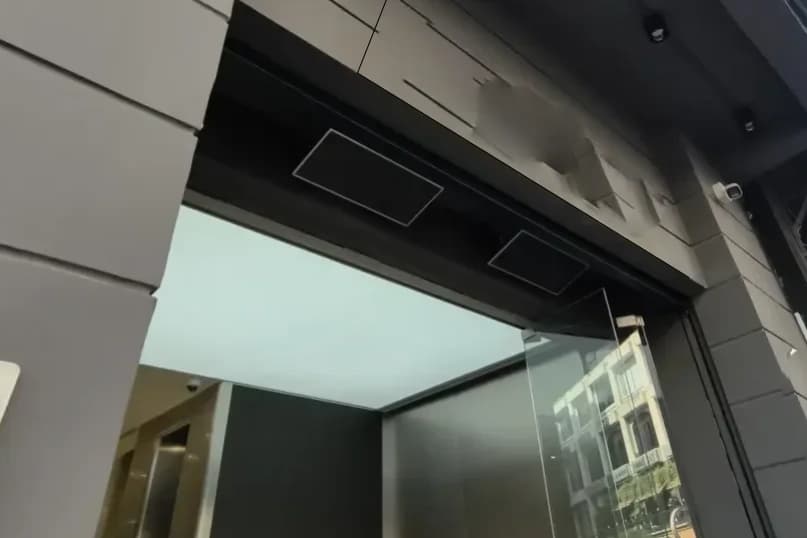
Zaščitite prenosne računalnike in IT opremo z RFID varnostnimi vrati, anti-metalnimi oznakami in avtomatiziranimi revizijami.
Naj tehnologija poskrbi za iskanje. Vi poskrbite za prihranke.