RFID replacement dossierUpdated: May 25, 2026

ThingMagic (JADAK) M7e-PicoRecenzia: Špecifikácie a alternatívy

The ThingMagic M7e-Pico is a tiny $100 Impinj E310-based UHF module. Determine its engineering limits and software integration costs.

Technický tím NextwavesHardvérová recenzia5 min čítania

Technical verdict

ThingMagic (JADAK) M7e-Pico is a mainstream hardware purchase, but it is not always the best architecture for direct RFID data integration.

Do not evaluate M7e-Pico by list price alone. Its strongest fit is a project that already uses UART Serial / I2C, has time for RF tuning, and accepts extra middleware work. If the engineering team needs open APIs, realtime data, and faster edge-to-cloud deployment, Nextwaves NR155 is the stronger replacement path to evaluate.

Initial cost

$100 before deployment accessories

Published throughput

50 tags/second

Integration surface

UART Serial / I2C

Physical data

18 x 21 x 3 mm; 3 g; IP: Bare PCB (None)

Published specs

Specifications to validate before replacing

Frekvencia

Global (860-960 MHz)

Protokol

EPC Gen2v2, ISO 18000-63

Konektivita

UART Serial / I2C

Krytie IP

Bare PCB (None)

Rozmery

18 x 21 x 3 mm

Hmotnosť

3 g

Napájanie

3.3V to 5.25V DC

Rýchlosť čítania

up to ~50 tags/sec

Odhadovaná cena

$100

Deployment review

Operational strengths and risks

This summary is based on public specifications and does not replace an on-site RF survey.

Fit score

3.5/5

Strengths

  • UART Serial / I2C gives network teams a familiar integration surface instead of local-only collection.
  • 3.3V to 5.25V DC can reduce separate power drops when switch PoE budget is available.
  • The $100 hardware baseline is easier to budget than premium fixed-reader configurations.
  • 50 tags/second can fit faster inventory lanes when the read zone is tuned correctly.

Validate

  • Quoted hardware price is not installed system cost; include antennas, cables, mounts, power, software, and configuration work.
  • RF performance depends on tag material, antenna position, transmit power, reader orientation, and site interference.
  • Bare PCB (None) must be checked against dust, humidity, temperature, and cleaning requirements.
  • Raw RFID reads still need duplicate filtering, business-event mapping, and ERP/WMS integration before operations can use them.

Deployment review

Buying decision matrix

Best fit

Fixed UHF RFID projects that already use UART Serial / I2C and have time for RF tuning.

Weak fit

Do not compare device price only; total cost depends on accessories, software, and integration.

Deployment risk

Bare PCB (None), 3.3V to 5.25V DC, 18 x 21 x 3 mm, and 3 g must match the site layout.

Software risk

Plan for middleware, SDK work, duplicate filtering, and business-event mapping.

Alternative architecture

ThingMagic (JADAK) M7e-Pico vs Nextwaves

01

Prehľad hardvéru

ThingMagic (JADAK) M7e-Pico je priemyselný RFID prístroj. Funguje v rozsahu Global (860-960 MHz) a podporuje štandard EPC Gen2v2, ISO 18000-63, vďaka čomu je široko nasadený v podnikových logistických aplikáciách.

S krytím IP Bare PCB (None) ponúka ochranu pred špecifickými podmienkami prostredia typickými pre sklady alebo zázemie maloobchodu. Čítačka využíva 3.3V to 5.25V DC pre nepretržitý výkon, zatiaľ čo jej deklarovaná maximálna rýchlosť čítania dosahuje up to ~50 tags/sec.

02

Konektivita a sieťová integrácia

V moderných nasadeniach je sieťová integrácia najvýznamnejšou prekážkou. Tento model ponúka UART Serial / I2C možnosti prenosu dát späť do centrálnych systémov.

Hlavným úzkym hrdlom pri staršom hardvéri od ThingMagic (JADAK) je však silná závislosť na proprietárnych SDK (ako LLRP) alebo drahom IoT middleware od tretích strán na spracovanie surových údajov z tagov na zmysluplné obchodné informácie.

03

When to choose Nextwaves instead of another closed reader

Ak váš technický tím hodnotí ThingMagic (JADAK) M7e-Pico, Nextwaves NR155 predstavuje oveľa lepšiu cloud-nativnu architektúru. Zdedené systémy inherentne vedú k vysokým kapitálovým výdavkom prostredníctvom uzamknutia dodávateľom a proprietárnych softvérových ekosystémov.

Nextwaves túto bariéru úplne eliminuje poskytnutím štandardného MQTT REST API priamo na zariadení. Vaši softvéroví vývojári môžu integrovať čítanie tagov priamo do vášho vlastného backendu ERP alebo WMS v priebehu dní namiesto mesiacov, čím úplne obchádzajú opakujúce sa licenčné poplatky za middleware.

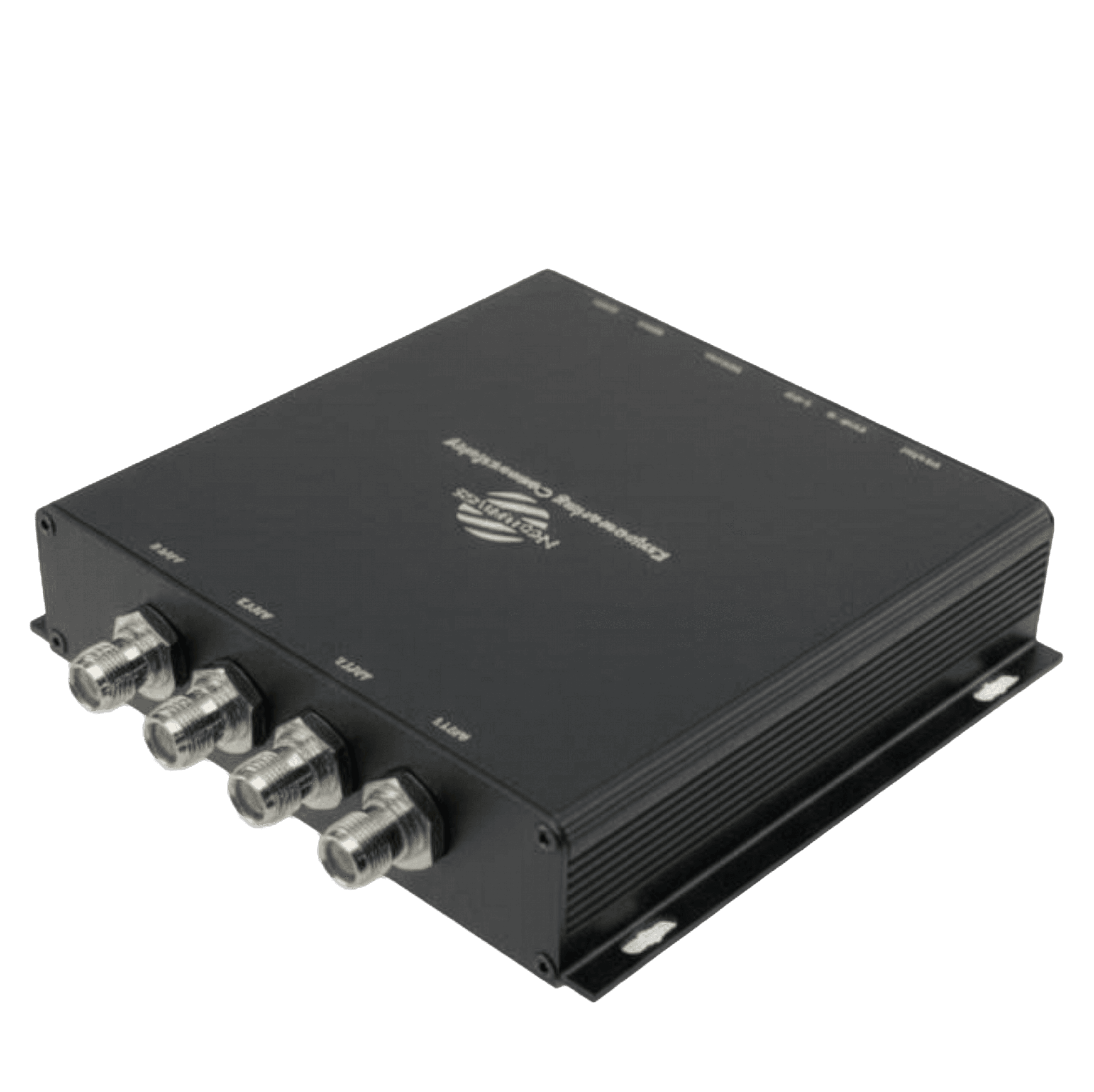
Alternative architecture

Pevná IoT UHF RFID čítačka NR155

Cloud-native MQTT/REST API zabudované. Žiadne proprietárne SDK, žiadne licencie na middleware. Integrujte sa priamo so svojím ERP alebo WMS v priebehu niekoľkých dní.

View Nextwaves NR155
Nextwaves NR155 Fixed IoT UHF RFID Reader

Porty antény

4 x RP-TNC porty

Rýchlosť čítania

Až 400 tagov/sekundu

Výstupný výkon

0–33 dBm (kroky po 1 dB)

Sieťový protokol

MQTT / MQTTS

FAQ

Často kladené otázky

These answers help purchasing and engineering teams review cost, integration, and deployment risk.

01

Čo je M7e-Pico?

The ThingMagic (JADAK) M7e-Pico is a bare-board surface mount UHF RFID module built around the Impinj E310 reader chip. It parses EPC Gen2v2, ISO 18000-63 formatted tags across Global (860-960 MHz) bandwidths for embedding into medical devices or portable printers.

02

Koľko stojí toto nastavenie na začiatku?

A raw module starts at around $100 for small batches. This price explicitly excludes necessary engineering costs such as custom PCB carrier boards, soldering, secondary MCU processors, antennas, and housing enclosures required to make it functional.

03

Prečo by som si mal vybrať práve Nextwaves?

Buying raw modules shifts immense software and hardware development burdens onto your engineering teams. Nextwaves offers monolithic, fully integrated turnkey readers that plug directly into standard Ethernet ports out-of-the-box.

04

Je hardvér dostatočne odolný pre sklady?

As a bare SMD component, it weighs a sheer 3 g and measures just 18 x 21 x 3 mm. Lacking any chassis, it holds a Bare PCB (None) rating and will instantly fail if exposed to unmanaged static discharge or moisture.

05

Podporuje viacero typov sietí?

The component interfaces strictly over raw UART Serial or I2C pinouts. It has no native IP networking, meaning all Ethernet, Wi-Fi, or Bluetooth tunneling must be added and secured by the parent device's host processor.

06

Môže to môj tím nainštalovať interne?

Hardware engineers must solder the module to a custom motherboard, while software engineers deploy the ThingMagic Mercury API across the host MCU to initialize the radio and cycle its inventory logic.

07

Ako funguje vzdialená správa?

Geared specifically toward power-constrained OEM embedding, it achieves a maximum read rate of up to ~50 tags/sec. It is suited for single-item identification or wearable tool tracking, not wholesale pallet sweeping.

08

Potrebujem na jeho spustenie proprietárny softvér?

The host processor dictates entirely how parsed data reaches your cloud. You must build firmware bridging logic that converts local UART UART frames into IP packets sent to your enterprise database via Wi-Fi or LTE.

09

Aká záruka sa vzťahuje na čítačku?

JADAK provides standard component-level warranties against manufacturing faults. However, soldering temperatures or static shocks experienced during OEM integration frequently void these warranties if not strictly logged.

10

Predávajú sa antény samostatne?

Equipped with a single MMCX or U.FL edge connector to pair with a custom antenna element across the Global (860-960 MHz) block. The maximum transmit power peaks at +24 dBm.