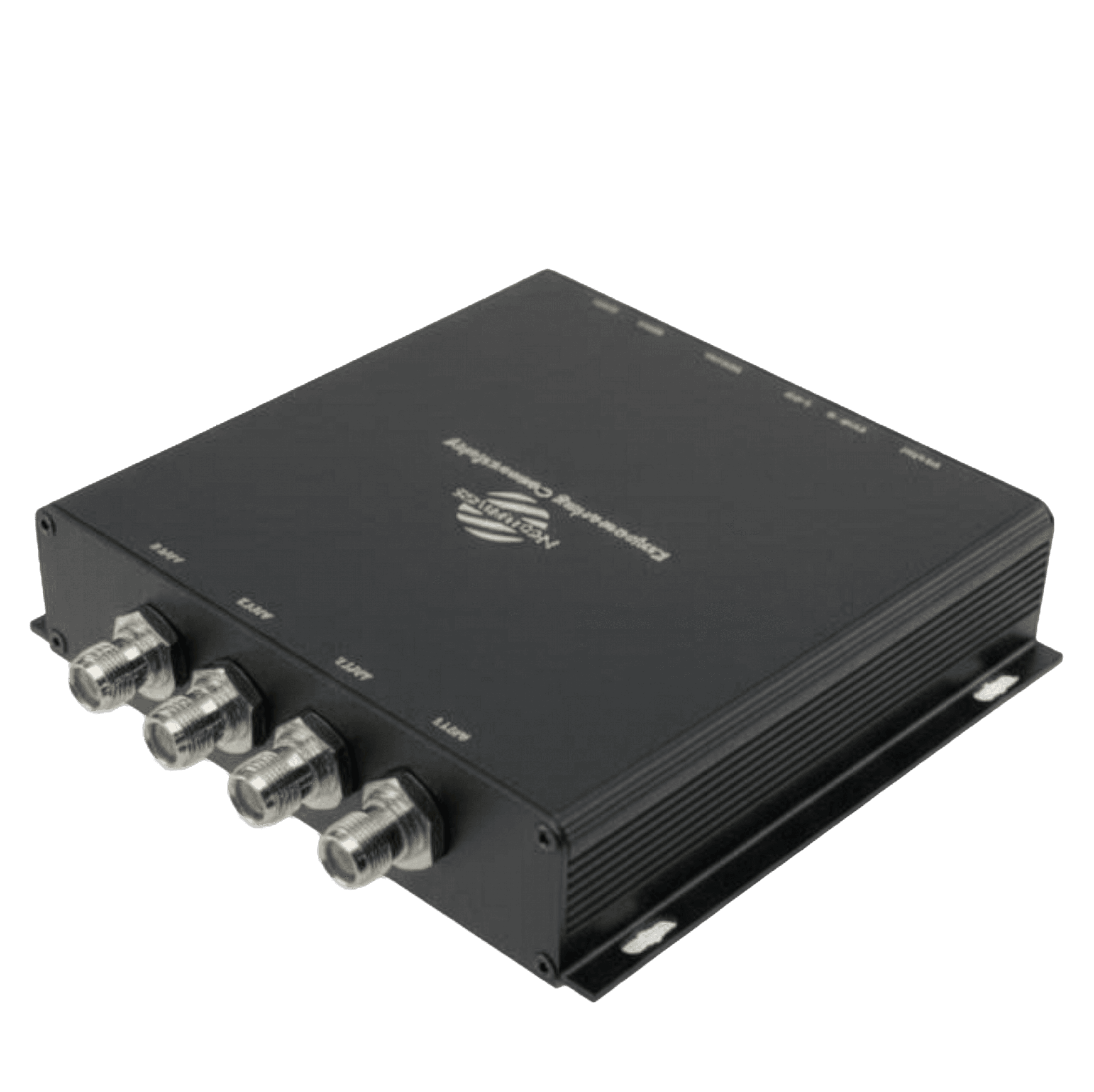
The Times-7 A6031 is a slim 600g antenna priced around $150. Understand the required coaxial integration steps against Nextwaves active network boards.
Especificações Técnicas
Visão Geral do Hardware
O Times-7 A6031 é um dispositivo RFID de nível industrial. Ele opera na faixa de 865-868 MHz / 902-928 MHz e suporta o padrão N/A (Passive Antenna Element), tornando-o amplamente implantado em aplicações de logística empresarial.
Com uma classificação IP de IP65, ele oferece proteção contra condições ambientais específicas típicas em armazéns ou áreas de estoque de lojas. O leitor utiliza N/A (Passive) para desempenho contínuo, enquanto sua taxa máxima de leitura declarada atinge N/A (Passive).
Conectividade e Integração de Rede
Em implementações modernas, a integração de rede é o obstáculo mais significativo. Este modelo oferece SMA Female opções para transferir dados de volta aos sistemas centrais.
No entanto, um grande gargalo com o hardware legado do Times-7 é a forte dependência de SDKs proprietários (como LLRP) ou middleware IoT de terceiros caros para processar dados brutos de tags em informações comerciais significativas.
A Alternativa Nextwaves
Se sua equipe de engenharia está avaliando o Times-7 A6031, o Nextwaves NR155 apresenta uma arquitetura nativa da nuvem muito superior. Os sistemas legados inerentemente impulsionam altos gastos de capital por meio de vendor lock-in e ecossistemas de software proprietários.
A Nextwaves elimina completamente essa barreira, fornecendo uma API REST MQTT padrão diretamente no dispositivo. Seus desenvolvedores de software podem integrar a leitura de tags diretamente em seu backend ERP ou WMS personalizado em dias, em vez de meses, contornando completamente as taxas recorrentes de licenciamento de middleware.
Perguntas Frequentes
O que é o A6031?
The Times-7 A6031 is an economically sized, passive circular flat panel antenna. Radiating efficiently over the 865-868 MHz / 902-928 MHz spectrums, it is typically employed for desktop POS applications or localized inventory smart shelves.
Quanto custa esta configuração inicialmente?
Basic units start around $150. Real implementation cost must also account for the central network reader pulling the signal data, and the high-grade SMA cabling connecting the physical elements together.
Por que devo escolher a Nextwaves em vez de outras?
Separating antenna modules from logic circuits creates cable rat nests during deployment. Nextwaves merges the RF array, processing silicon, and networking chip directly onto a single enclosed panel utilizing a direct CAT6 PoE drop.
O hardware é durável o suficiente para armazéns?
Rated for an IP65 environment, the robust ABS construction protects against low-pressure water streams. At just 600 g and 275 x 214 x 12 mm, it easily hides behind retail dry-walls or within display shelving.
Ele suporta vários tipos de rede?
This hardware holds no internal processing state. It natively routes RF waves via its recessed SMA Female connector intended for standard coaxial linkage to host interrogators.
Minha equipe pode instalar isso internamente?
Simple mounting holes permit flush installation. Network technicians must still measure signal degradation across whatever coaxial lines run between the plate and the active reader matrix.
Como funciona o gerenciamento remoto?
Since it relies on an external power injection to establish its field, it possesses a N/A (Passive) rating. Read capacities are locked entirely by the Impinj, Zebra, or Alien reader connected downstream.
Preciso de software proprietário para executá-lo?
Software routing simply does not apply to passive transmission lines. Programming applications requires writing against the host REST or LLRP endpoints hosted by the parent master reader.
Qual garantia acompanha o leitor?
It retains a typical one-year defense against construction defects. Protected from UV and minor moisture, the lifespan on the static patch array is effectively indefinite.
As antenas são vendidas separadamente?
Sustaining an efficient 4.0 dBic output circularly polarized field across its 865-868 MHz / 902-928 MHz range, it generates a focused electromagnetic bubble suited specifically for near-field tag illumination.