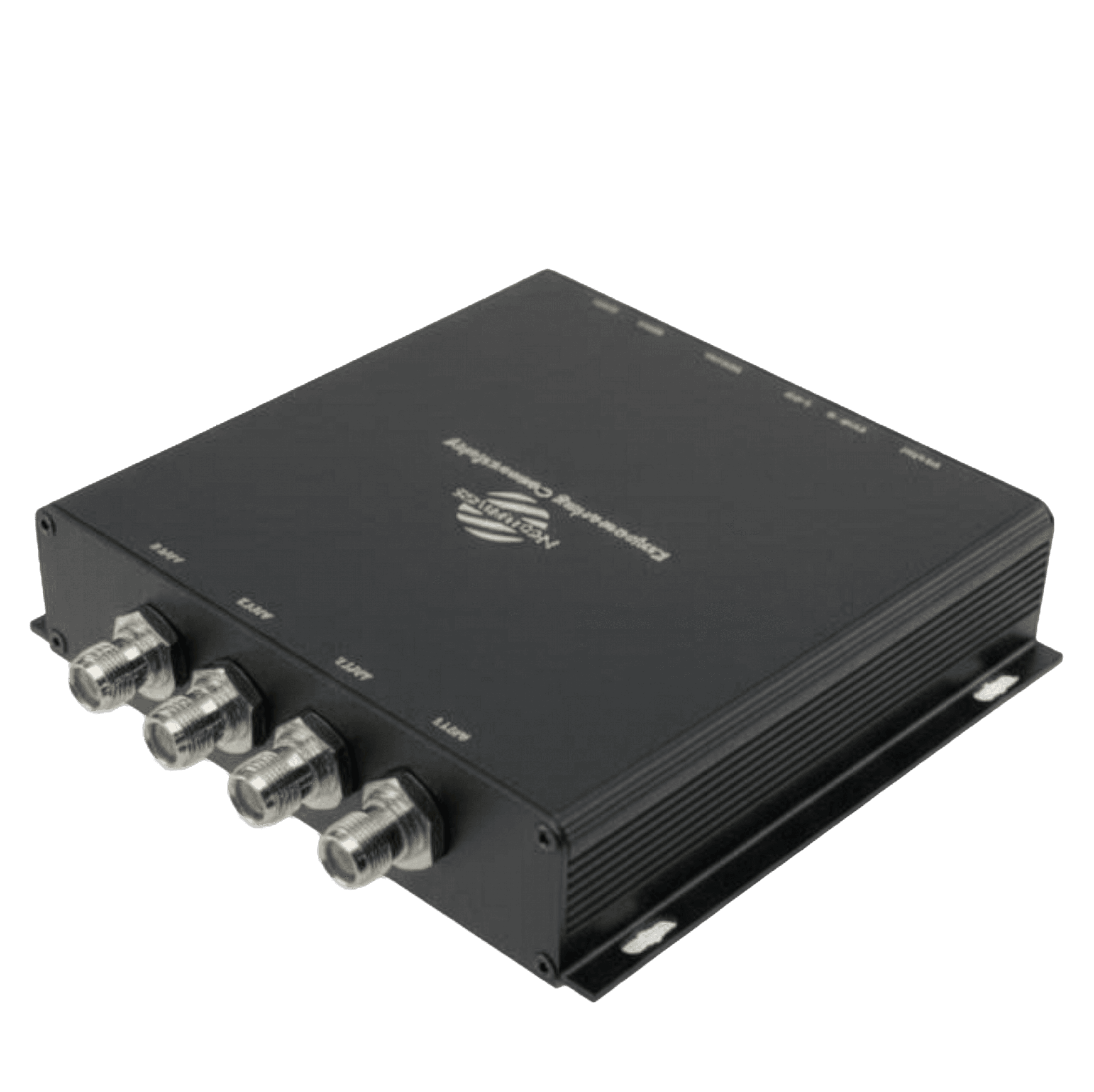
The Laird S9028PCL/PCR are $150 US-band passive antennas. Analyze required external RF reader costs vs Nextwaves monolithic standalone arrays.
Especificações Técnicas
Visão Geral do Hardware
O Laird S9028PCL/PCR é um dispositivo RFID de nível industrial. Ele opera na faixa de 902-928 MHz (FCC) e suporta o padrão N/A (Passive Antenna Element), tornando-o amplamente implantado em aplicações de logística empresarial.
Com uma classificação IP de IP54, ele oferece proteção contra condições ambientais específicas típicas em armazéns ou áreas de estoque de lojas. O leitor utiliza N/A (Passive) para desempenho contínuo, enquanto sua taxa máxima de leitura declarada atinge N/A (Passive).
Conectividade e Integração de Rede
Em implementações modernas, a integração de rede é o obstáculo mais significativo. Este modelo oferece Coaxial Type N / SMA opções para transferir dados de volta aos sistemas centrais.
No entanto, um grande gargalo com o hardware legado do Laird é a forte dependência de SDKs proprietários (como LLRP) ou middleware IoT de terceiros caros para processar dados brutos de tags em informações comerciais significativas.
A Alternativa Nextwaves
Se sua equipe de engenharia está avaliando o Laird S9028PCL/PCR, o Nextwaves NR155 apresenta uma arquitetura nativa da nuvem muito superior. Os sistemas legados inerentemente impulsionam altos gastos de capital por meio de vendor lock-in e ecossistemas de software proprietários.
A Nextwaves elimina completamente essa barreira, fornecendo uma API REST MQTT padrão diretamente no dispositivo. Seus desenvolvedores de software podem integrar a leitura de tags diretamente em seu backend ERP ou WMS personalizado em dias, em vez de meses, contornando completamente as taxas recorrentes de licenciamento de middleware.
Perguntas Frequentes
O que é o S9028PCL/PCR?
The Laird S9028PCL (Left-Hand) and PCR (Right-Hand) are ruggedized, circularly polarized passive antennas. Locked strictly to the 902-928 MHz (FCC) North American block, they project high-gain beams when excited by external active transceiver logic.
Quanto custa esta configuração inicialmente?
A raw plate costs roughly $150. Integrators assume the subsequent costs of securing high-end RF reader controllers, shielding coaxial cable trenches, and engineering the required Linux-based software routing frameworks.
Por que devo escolher a Nextwaves em vez de outras?
Building portal chokepoints using discrete RF antennas entails painful impedance engineering. Nextwaves consolidates both the powerful RF board and the IP gateway inside one sealed panel, removing external logic entirely.
O hardware é durável o suficiente para armazéns?
Operating inside an IP54 weather-resistant shell, it measures roughly 260 x 260 x 33 mm and weighs 1.04 kg. It readily handles dense warehouse grit but lacks sealing necessary for intense wash-down cycles.
Ele suporta vários tipos de rede?
Network routing is completely non-applicable to physical broadcast plates. All connections occur physically over Coaxial Type N / SMA edge sockets trailing strictly back to the active master block.
Minha equipe pode instalar isso internamente?
Physical setup involves aiming the plates accurately along heavy-duty VESA arms. Network engineers must use expensive VNA spectrum analyzers to assure proper RF alignment and calculate decibel line-loss over the coaxial lengths.
Como funciona o gerenciamento remoto?
With a N/A (Passive) rating, read volumes depend exclusively upon the parent system driving the board. Expanding throughput necessitates replacing the parent reader matrix, not the passive plate itself.
Preciso de software proprietário para executá-lo?
There is zero software logic present. Programmatic interfaces must be directed towards the SDKs controlling the central interrogator box supplying current through the coaxial leads.
Qual garantia acompanha o leitor?
Like most large passive elements, the rugged fiberglass radome shields the array components securely, offering standard 1-year defenses against purely manufacturing-related breakage.
As antenas são vendidas separadamente?
Pushing an aggressive 8.5 dBic output, operators typically alternate Left and Right Hand (PCL/PCR) models on opposing portal walls across the 902-928 MHz (FCC) band to destroy complex multipath nulls.