Tieqaf titlef il-bejgħ għall-inventarju fantasma. Kun af eżattament x'għandek, fejn hu, kull siegħa ta' kull jum.
Għal aktar minn ħamsin sena, il-barcode tal-Universal Product Code (UPC) kien il-pedament tar-retail. Huwa standardizza l-kummerċ, ippermetta l-iskannjar fil-kaxxier, u ppermetta l-ewwel ġenerazzjoni ta’ ġestjoni kompjuterizzata tal-inventarju. Iżda l-barcode għandu difett fatali: huwa “blind”. Jeħtieġ linja ta’ viżjoni, jeħtieġ intervent manwali, u ma jistax jiddistingwi bejn żewġ oġġetti identiċi. Din il-limitazzjoni wasslet għal kriżi globali magħrufa bħala “Inventory Distortion” — problema ta’ triljun ta’ dollari fejn ir-ristoranti/retailers sempliċiment ma jafux x’għandhom.
Viżibilità tal-Inventarju tal-Bejgħ bl-ImnutEPC Gen2Ibda Pilot
100%Preċiżjoni tal-Inventarju Miksuba
Ħlas AwtonomŻibel awtomatizzati mingħajr frizzjoni
EliminatNuqqas ta' stokk fil-ħwienet kollha
Viżibilità tal-Inventarju tal-Bejgħ bl-ImnutL-Approċċ TagħnaDak li IkollokStudju tal-Każ
Il-Problema
Il-Problema tad-Distorsjoni tal-Inventarju
Għal aktar minn ħamsin sena, il-barcode tal-Universal Product Code (UPC) kien il-pedament tar-retail. Huwa standardizza l-kummerċ, ippermetta l-iskannjar fil-kaxxier, u ppermetta l-ewwel ġenerazzjoni ta’ ġestjoni kompjuterizzata tal-inventarju. Iżda l-barcode għandu difett fatali: huwa “blind”. Jeħtieġ linja ta’ viżjoni, jeħtieġ intervent manwali, u ma jistax jiddistingwi bejn żewġ oġġetti identiċi. Din il-limitazzjoni wasslet għal kriżi globali magħrufa bħala “Inventory Distortion” — problema ta’ triljun ta’ dollari fejn ir-ristoranti/retailers sempliċiment ma jafux x’għandhom.
Fl-era moderna omnichannel, din il-“blindness” hija eżistenzjali. Meta klijent jordna oġġett online għall-ġbir fil-maħżen (BOPIS), is-sistema tiċċekkja d-database tal-inventarju. Id-database tgħid “Quantity: 1”. Imma hawn? Fil-kamra ta’ wara? Fil-kamra tal-provi? Ġie misruq? Jew inbiegħ lbieraħ u d-database ma aġġornatx?
Ir-riżultat huwa katina ta’ provvista fraġli, imsaħħaħ b’“safety stock” — inventarju żejjed mixtri biss biex jaħbi l-ineżattezzi tad-dejta. Ir-ristoranti/retailers jegħrqu f’inventarju li ma jistgħux ibigħu, filwaqt li jitilfu bejgħ fuq oġġetti li “jgħidu” li għandhom iżda ma jistgħux isibuhom. Il-kont manwali — ir-rimedju tradizzjonali — huwa bil-mod wisq, għali wisq, u suxxettibbli wisq għall-iżbalji biex jirranġa dan. L-industrija teħtieġ bidla ta’ paradigma minn “scanning” għal “sensing”.
Punti Ewlenin ta' Uġigħ 01
Inventarju Fantasma
Id-data drift tinvolvi l-iskonnessjoni gradwali tar-realtà fiżika mir-rekords diġitali. 'Inventarju Fantasma' jseħħ meta s-sistemi juru stokk li ma jeżistix, u dan iwassal biex 22% tal-ordnijiet BOPIS jiġu kkanċellati u jeqirdu l-lealtà tal-klijenti.
Punti Ewlenin ta' Uġigħ 02
Użu tax-Xogħol
F'ħanut mhux RFID, l-istaff iqatta' 20-30% tal-ħin tagħhom ifittxu prodotti jew iwettqu għadd manwali. Dan huwa xogħol bi spiża għolja ddevjat mill-għan primarju: is-servizz tal-konsumatur u l-bejgħ.
Punti Ewlenin ta' Uġigħ 03
Tnaqqis u Swieq Griżi
Mingħajr identità serializzata (EPC), oġġett misruq huwa biss 'nieqes wieħed'. Il-bejjiegħa bl-imnut ma jistgħux jintraċċaw mudelli ta' kriminalità organizzata bl-imnut (ORC) jew jidentifikaw jekk il-prodotti rritornati humiex fil-fatt kontro-falsifikati mixtrija minn swieq griżi.
L-Approċċ Tagħna
L-Arkitettura tat-Twin Diġitali
Nextwaves timplimenta arkitettura “Source-to-Store” ibbażata fuq l-istandard EPC Gen2 V2. Tibda mhux fil-maħżen, iżda fil-punt tal-manifattura. Billi nintegraw passiv UHF RFID inlay fil-care label jew fit-tikketta tal-prezz fil-fabbrika, nagħtu lil kull oġġett uniku “ruħ” diġitali — Electronic Product Code (EPC) b’serjalizzazzjoni.
Hekk kif dawn l-oġġetti jivvjaġġaw mal-katina tal-provvista, jgħaddu minn “Read Points” — qarrejja f’tunnell f’ċentri tad-distribuzzjoni, arrays overhead fiż-żoni ta’ staging, u fl-aħħar sweeps b’idejn fil-maħżen tar-retail. B’differenza mill-barcode scanners, dawn jużaw mewġ tar-radju biex iħaddmu t-tags, u b’hekk jaqraw mijiet ta’ oġġetti kull sekonda mingħajr kuntatt viżiv.
Dan joħloq “Digital Twin” tal-inventarju f’ħin reali. Meta jasal kunsinna fil-maħżen, ma jingħaddx manwalment; jiġi vverifikat immedjatament. Meta klijent jipprova qmis, kamra tal-provi intelliġenti tagħrafha. Meta oġġett joħroġ mill-maħżen, il-gates tal-EAS jaġġornaw l-inventarju istantanjament. Aħna nimxu minn “Inventory Estimation” għal “Inventory Certainty”.
Dak li Ikollok
ROI u Impatt Strateġiċi
01
99.9% Preċiżjoni
Ikseb kunfidenza assoluta fl-inventarju. Ippermetti 'Disponibbli biex Twiegħed' (ATP) għall-kummerċ elettroniku b'ebda stokk ta' buffer.
02
Żieda fil-Konverżjoni
Id-dejta pilota turi żieda konsistenti ta' 5-15% fil-bejgħ. Jekk ikun fuq l-art, jinbiegħ. Jekk ikun fil-magazzina, ma jinbiegħx.
03
Intelliġenza dwar it-Telf
Taqbadx biss fil-bieb. Kun af eżattament X'kien misruq, META, u erġa' imlih immedjatament.
04
Esperjenzi Intelliġenti
Ippermetti 'Mirja Maġiċi' li jirrakkomandaw oġġetti li jaqblu bbażati fuq dak li l-klijent ġab fil-kamra tat-tajbin.
Studju tal-Każ
Studju tal-Każ: It-Trasformazzjoni tal-RFID ta' Uniqlo
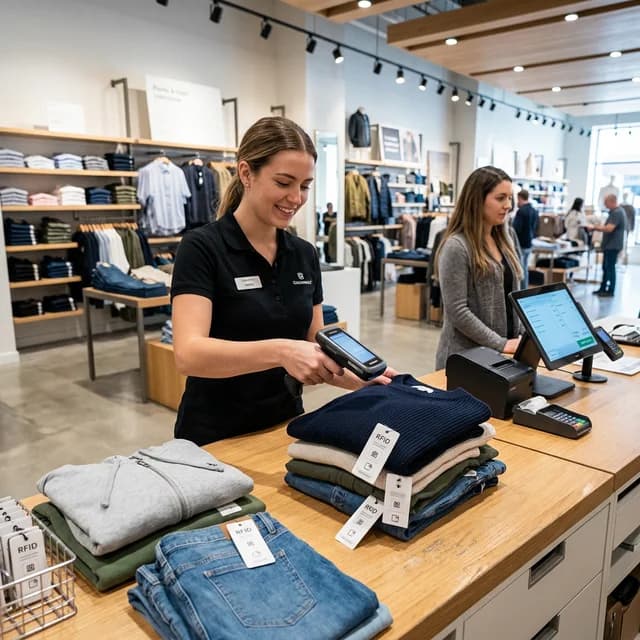
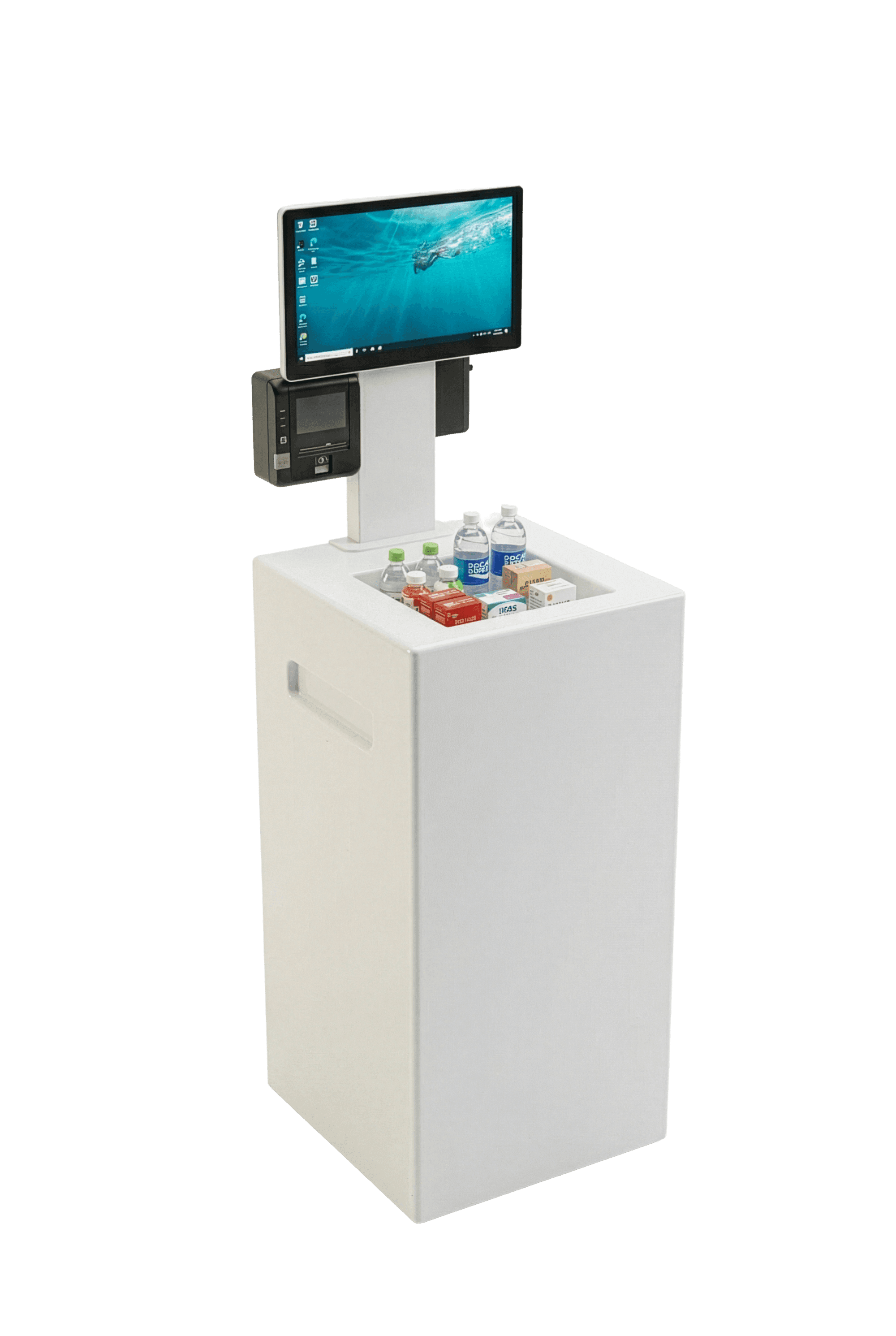
Billi inkorporat tikketti RFID f'kull prodott wieħed, Uniqlo kiseb preċiżjoni tal-inventarju ta' kważi 100%. Iżda l-maġija reali sseħħ fil-checkout: il-klijenti sempliċement iwaqqgħu l-oġġetti tagħhom f'kontenitur awtomatizzat li jaqra istantanjament it-tikketti RFID kollha simultanjament. Din l-esperjenza mingħajr frizzjoni naqqset drastikament il-ħinijiet tal-istennija, eliminat il-linji tal-checkout, u ppermettiet lill-istaff tal-maħżen jiffoka fuq is-servizz tal-konsumatur minflok l-iskannjar tal-barcodes. L-intelliġenza tad-dejta li tirriżulta tfisser ukoll li jafu eżattament meta daqs jew kulur speċifiku jeħtieġ li jerġa' jimtela, prattikament jelimina l-out-of-stocks u jżid il-bejgħ ġenerali.
Kull oġġett jieħu identità diġitali unika fil-punt tal-manifattura. Tag RFID UHF passiv li jiswa inqas minn tikketta tal-karta iżda jġorr kodiċi b’serjalizzazzjoni li qatt ma jista’ jiġi duplikat. Meta qarrej b’idejn jagħmel sweep fuq ringiela ta’ 500 qmis, il-500 kollha jingħaddu f’inqas minn 3 sekondi. Ebda ħatt, ebda skann wieħed wieħed.
Is-sistema tuża tags standard GS1 EPC Gen2 V2, li jinkludu awtentikazzjoni kontra l-klonazzjoni. Dan hu importanti għal oġġetti ta’ valur għoli u ta’ lussu fejn falsifikazzjonijiet huma riskju reali. Il-software fuq il-fruntiera (edge) tagħna jiffiltra l-istorbju (tags moqrija minn żona żbaljata, reads parzjali minn fixtures tal-metall) sabiex dak li jasal fid-dashboard tiegħek ikun nadif u dirett għall-azzjoni.
Kollox jerġa’ jikkonnettja marbut ma’ WMS jew ERP eżistenti tiegħek f’ħin reali. Aħseb f’dan bħala li tagħti lill-inventarju tiegħek “taħbit tal-qalb”. Is-sistema dejjem tkun taf x’ċaqlaq, fejn jinsab, u meta wasal.
X'Jmiss
X'Jiġi Wara l-Preċiżjoni
Ladarba l-inventarju jkun preċiż, il-pass li jmiss huwa li telimina l-frizzjoni għal kollox. Qed nittestjaw formati ta’ maħżen “Grab-and-Go” fejn il-klijenti joħorġu mingħajr waqfa fil-kaxxier. Is-sistema taqra l-basket tagħhom fil-ħruġ u tiċċarġja l-kont tagħhom awtomatikament.
L-istess infrastruttura ssaħħaħ kmamar tal-provi intelliġenti li juru rakkomandazzjonijiet tal-ilbies, twissijiet dinamiċi ta’ restocking li jixgħelu qabel ma xkaffa tbattal, u prevenzjoni tat-telf li jgħidulek eżatt x’ġie meħud u meta. L-eżattezza kienet il-pedament. Il-valur reali hu dak li tibni fuqu.
Kitts tal-Bidu
Kits tal-RFID lesti biex jiġu skjerati
Tibda minn$999
Kit Bidu Retail
Għaġġel il-checkout u awtomatizza l-għadd tal-inventarju għall-ħwienet tal-moda, ħwienet tal-kosmetiċi, u katini tal-bejgħ bl-imnut.