RFID replacement dossierUpdated: May 25, 2026

Zebra MC3330xRReviżjoni: Speċifikazzjonijiet u Alternattivi

The MC3330xR is an integrated Android RFID terminal by Zebra operating on 902-928 MHz (US) / 865-868 MHz (EU). Compare its $2000 price point and specs.

Inġinerija NextwavesReviżjoni tal-Hardware5 min qari

Technical verdict

Zebra MC3330xR is a mainstream hardware purchase, but it is not always the best architecture for direct RFID data integration.

Do not evaluate MC3330xR by list price alone. Its strongest fit is a project that already uses Wi-Fi, BT 5.0, has time for RF tuning, and accepts extra middleware work. If the engineering team needs open APIs, realtime data, and faster edge-to-cloud deployment, Nextwaves NR155 is the stronger replacement path to evaluate.

Initial cost

$2000 before deployment accessories

Published throughput

900 tags/second

Integration surface

Wi-Fi, BT 5.0

Physical data

164 x 75 x 211 mm; 680 g (with handstrap); IP: IP54

Published specs

Specifications to validate before replacing

Frekwenza

902-928 MHz (US) / 865-868 MHz (EU)

Protokoll

EPC Gen2 V2, ISO-18000-63

Konnettività

Wi-Fi, BT 5.0

Klassifikazzjoni IP

IP54

Dimensjonijiet

164 x 75 x 211 mm

Piż

680 g (with handstrap)

Provvista tal-Enerġija

Li-Ion 3.6V 7000mAh

Rata tal-Qari

~900 tags/sec

Prezz Stmat

$2000

Deployment review

Operational strengths and risks

This summary is based on public specifications and does not replace an on-site RF survey.

Fit score

3.5/5

Strengths

  • Wi-Fi, BT 5.0 gives network teams a familiar integration surface instead of local-only collection.
  • Li-Ion 3.6V 7000mAh can reduce separate power drops when switch PoE budget is available.
  • The $2000 hardware baseline is easier to budget than premium fixed-reader configurations.
  • 900 tags/second can fit faster inventory lanes when the read zone is tuned correctly.

Validate

  • Quoted hardware price is not installed system cost; include antennas, cables, mounts, power, software, and configuration work.
  • RF performance depends on tag material, antenna position, transmit power, reader orientation, and site interference.
  • IP54 must be checked against dust, humidity, temperature, and cleaning requirements.
  • Raw RFID reads still need duplicate filtering, business-event mapping, and ERP/WMS integration before operations can use them.

Deployment review

Buying decision matrix

Best fit

Fixed UHF RFID projects that already use Wi-Fi, BT 5.0 and have time for RF tuning.

Weak fit

Do not compare device price only; total cost depends on accessories, software, and integration.

Deployment risk

IP54, Li-Ion 3.6V 7000mAh, 164 x 75 x 211 mm, and 680 g (with handstrap) must match the site layout.

Software risk

Plan for middleware, SDK work, duplicate filtering, and business-event mapping.

Alternative architecture

Zebra MC3330xR vs Nextwaves

01

Ħarsa Ġenerali tal-Ħardwer

Il-Zebra MC3330xR huwa apparat RFID ta' grad industrijali. Jopera fil-medda 902-928 MHz (US) / 865-868 MHz (EU) u jappoġġja l-istandard EPC Gen2 V2, ISO-18000-63, u jagħmilha użata ħafna f'applikazzjonijiet tal-loġistika tal-intrapriżi.

B'klassifikazzjoni IP ta' IP54, joffri protezzjoni kontra kundizzjonijiet ambjentali speċifiċi tipiċi f'imħażen jew fil-kmamar ta' wara tal-bejgħ bl-imnut. Il-qarrej juża Li-Ion 3.6V 7000mAh għal prestazzjoni kontinwa, filwaqt li r-rata massima tal-qari ddikjarata tagħha tilħaq ~900 tags/sec.

02

Konnettività u Integrazzjoni tan-Netwerk

F'użi moderni, l-integrazzjoni tan-netwerk hija l-aktar ostaklu sinifikanti. Dan il-mudell joffri Wi-Fi, BT 5.0 għażliet biex jittrasferixxi d-dejta lura lejn sistemi ċentrali.

Madankollu, l-ostaklu ewlieni mal-hardware Zebra legat huwa l-fiduċja kbira fuq SDKs proprjetarji (bħal LLRP) jew middleware IoT ta' partijiet terzi għaljin biex jipproċessaw id-dejta mhux ipproċessata tat-tags f'intelliġenza tan-negozju sinifikanti.

03

When to choose Nextwaves instead of another closed reader

Jekk it-tim tal-inġinerija tiegħek qed jevalwa l-Zebra MC3330xR, in-Nextwaves NR155 jippreżenta arkitettura nattiva tas-sħab ferm superjuri. Sistemi legati jwasslu inerenti spejjeż kapitali għoljin permezz tal-illokkjar tal-bejjiegħ u ekosistemi tas-softwer proprjetarji.

Nextwaves telimina kompletament din il-barriera billi tipprovdi API REST MQTT standard direttament fuq l-apparat. L-iżviluppaturi tas-softwer tiegħek jistgħu jintegraw il-qari tat-tags direttament fl-isfond tad-dwana tal-ERP jew WMS tiegħek fi ftit jiem minflok xhur, u b'hekk jevitaw kompletament il-miżati rikorrenti tal-liċenzjar tal-middleware.

Alternative architecture

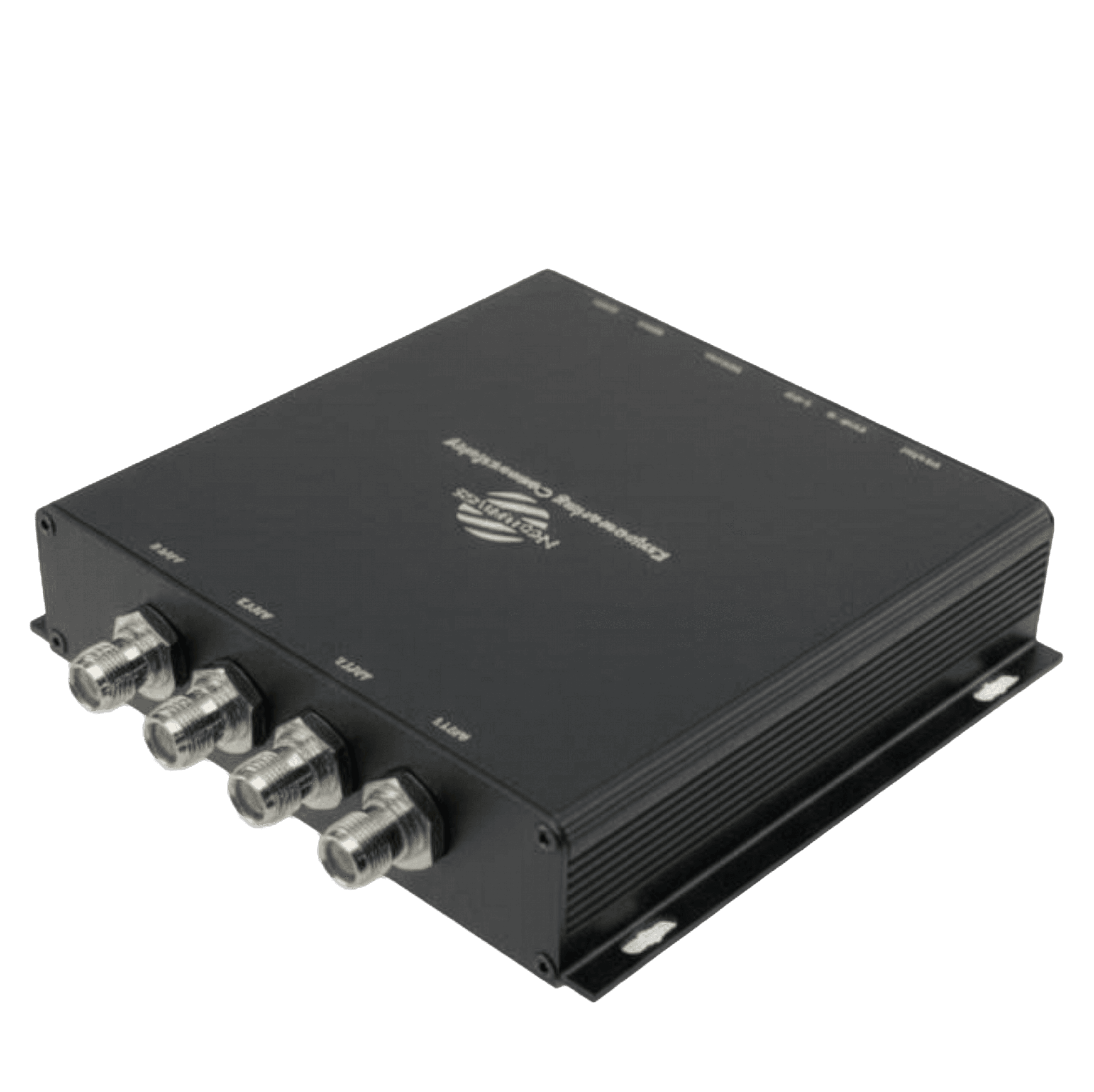
Qarrej RFID UHF IoT Fiss NR155

Cloud-native MQTT/REST APIs integrati. L-ebda SDKs proprjetarji, l-ebda liċenzjar ta' middleware. Integra direttament mal-ERP jew WMS tiegħek f'jiem.

View Nextwaves NR155
Nextwaves NR155 Fixed IoT UHF RFID Reader

Portijiet tal-Antenna

4 x Portijiet RP-TNC

Veloċità tal-Qari

Sa 400 tags/sekonda

Qawwa tal-Output

0–33 dBm (passi ta' 1dB)

Protokoll tan-Netwerk

MQTT / MQTTS

FAQ

Mistoqsijiet Frekwenti

These answers help purchasing and engineering teams review cost, integration, and deployment risk.

01

X'inhu l-MC3330xR?

The Zebra MC3330xR is a mobile handheld Android RFID terminal. It supports the EPC Gen2 V2, ISO-18000-63 standard over the 902-928 MHz (US) / 865-868 MHz (EU) bands, enabling roaming inventory sweeps and ad-hoc audits across standard retail floors.

02

Kemm tiswa din is-setup inizjalment?

Units are typically priced around $2000. Depending on your shift requirements, you must also budget for charging cradles, spare Li-Ion 3.6V 7000mAh batteries, and enterprise Mobile Device Management (MDM) software.

03

Għaliex għandi nagħżel Nextwaves minflok?

Nextwaves provides embedded cloud integration directly on the device. By supporting open REST protocols natively, mobile operators can push tag data straight into backend databases without writing custom Android bridging apps.

04

Il-hardware huwa durabbli biżżejjed għall-imħażen?

The durable chassis weighs 680 g (with handstrap) and measures 164 x 75 x 211 mm. With an IP54 rating, it is built to survive warehouse drops, dust, and varying environmental conditions across the facility.

05

Jappoġġja tipi ta' netwerk multipli?

Network access relies on its integrated Wi-Fi, BT 5.0 radios. Enterprise WPA2/WPA3 security profiles can be configured via Android to protect internal payload data during wireless transmission.

06

It-tim tiegħi jista' jinstalla dan internament?

Hardware deployment requires staging the Android OS. Software engineering teams must properly provision the internal DataWedge profiles and specify correct EPC memory bank read masks for your data collection workflow.

07

Kif taħdem il-ġestjoni remota?

The mobile interrogator supports sweeping speeds up to ~900 tags/sec. Centralized device tracking, battery health monitoring, and firmware deployments are generally managed via third-party solutions like SOTI MobiControl.

08

Għandi bżonn software proprjetarju biex inħaddem?

Legacy deployments require custom Android Java/Kotlin applications using the Zebra EMDK to capture reads from the RF antennas before transacting them via HTTP to your cloud CRM.

09

Liema garanzija tiġi mal-qarrej?

The unit includes a standard one-year warranty covering manufacturer defects. Accidental damage protection (Zebra OneCare) is available and highly recommended for portable scanning hardware.

10

L-antenni jinbiegħu separatament?

The device features an integrated circular polarized antenna tuned for the 902-928 MHz (US) / 865-868 MHz (EU) bands. The operator's physical sweep speed and height directly impact total read reliability.