RFID replacement dossierUpdated: May 25, 2026

Zebra ATR7000Reviżjoni: Speċifikazzjonijiet u Alternattivi

ATR7000 serves as a reliable tracking device operating on 902-928 MHz (US) / 865-868 MHz (EU). Starting at $3000. Nextwaves is the top alternative for your

Inġinerija NextwavesReviżjoni tal-Hardware6 min qari

Technical verdict

Zebra ATR7000 is a mainstream hardware purchase, but it is not always the best architecture for direct RFID data integration.

Do not evaluate ATR7000 by list price alone. Its strongest fit is a project that already uses Ethernet, GPIO, has time for RF tuning, and accepts extra middleware work. If the engineering team needs open APIs, realtime data, and faster edge-to-cloud deployment, Nextwaves NR155 is the stronger replacement path to evaluate.

Initial cost

$3000 before deployment accessories

Published throughput

Not specified

Integration surface

Ethernet, GPIO

Physical data

Diameter 482.6 mm, height 161 mm; 5.03 kg; IP: IP51

Published specs

Specifications to validate before replacing

Frekwenza

902-928 MHz (US) / 865-868 MHz (EU)

Protokoll

EPC Class 1 Gen2, ISO 18000-63

Konnettività

Ethernet, GPIO

Klassifikazzjoni IP

IP51

Dimensjonijiet

Diameter 482.6 mm, height 161 mm

Piż

5.03 kg

Provvista tal-Enerġija

PoE+ or +24Vdc

Rata tal-Qari

N/A

Prezz Stmat

$3000

Deployment review

Operational strengths and risks

This summary is based on public specifications and does not replace an on-site RF survey.

Fit score

3.5/5

Strengths

  • Ethernet, GPIO gives network teams a familiar integration surface instead of local-only collection.
  • PoE+ or +24Vdc can reduce separate power drops when switch PoE budget is available.
  • The $3000 hardware baseline is easier to budget than premium fixed-reader configurations.
  • Throughput should be measured with real tags and antennas.

Validate

  • Quoted hardware price is not installed system cost; include antennas, cables, mounts, power, software, and configuration work.
  • RF performance depends on tag material, antenna position, transmit power, reader orientation, and site interference.
  • IP51 must be checked against dust, humidity, temperature, and cleaning requirements.
  • Raw RFID reads still need duplicate filtering, business-event mapping, and ERP/WMS integration before operations can use them.

Deployment review

Buying decision matrix

Best fit

Fixed UHF RFID projects that already use Ethernet, GPIO and have time for RF tuning.

Weak fit

Do not compare device price only; total cost depends on accessories, software, and integration.

Deployment risk

IP51, PoE+ or +24Vdc, Diameter 482.6 mm, height 161 mm, and 5.03 kg must match the site layout.

Software risk

Plan for middleware, SDK work, duplicate filtering, and business-event mapping.

Alternative architecture

Zebra ATR7000 vs Nextwaves

01

Ħarsa Ġenerali tal-Ħardwer

Il-Zebra ATR7000 huwa apparat RFID ta' grad industrijali. Jopera fil-medda 902-928 MHz (US) / 865-868 MHz (EU) u jappoġġja l-istandard EPC Class 1 Gen2, ISO 18000-63, u jagħmilha użata ħafna f'applikazzjonijiet tal-loġistika tal-intrapriżi.

B'klassifikazzjoni IP ta' IP51, joffri protezzjoni kontra kundizzjonijiet ambjentali speċifiċi tipiċi f'imħażen jew fil-kmamar ta' wara tal-bejgħ bl-imnut. Il-qarrej juża PoE+ or +24Vdc għal prestazzjoni kontinwa, filwaqt li r-rata massima tal-qari ddikjarata tagħha tilħaq N/A.

02

Konnettività u Integrazzjoni tan-Netwerk

F'użi moderni, l-integrazzjoni tan-netwerk hija l-aktar ostaklu sinifikanti. Dan il-mudell joffri Ethernet, GPIO għażliet biex jittrasferixxi d-dejta lura lejn sistemi ċentrali.

Madankollu, l-ostaklu ewlieni mal-hardware Zebra legat huwa l-fiduċja kbira fuq SDKs proprjetarji (bħal LLRP) jew middleware IoT ta' partijiet terzi għaljin biex jipproċessaw id-dejta mhux ipproċessata tat-tags f'intelliġenza tan-negozju sinifikanti.

03

When to choose Nextwaves instead of another closed reader

Jekk it-tim tal-inġinerija tiegħek qed jevalwa l-Zebra ATR7000, in-Nextwaves NR155 jippreżenta arkitettura nattiva tas-sħab ferm superjuri. Sistemi legati jwasslu inerenti spejjeż kapitali għoljin permezz tal-illokkjar tal-bejjiegħ u ekosistemi tas-softwer proprjetarji.

Nextwaves telimina kompletament din il-barriera billi tipprovdi API REST MQTT standard direttament fuq l-apparat. L-iżviluppaturi tas-softwer tiegħek jistgħu jintegraw il-qari tat-tags direttament fl-isfond tad-dwana tal-ERP jew WMS tiegħek fi ftit jiem minflok xhur, u b'hekk jevitaw kompletament il-miżati rikorrenti tal-liċenzjar tal-middleware.

Alternative architecture

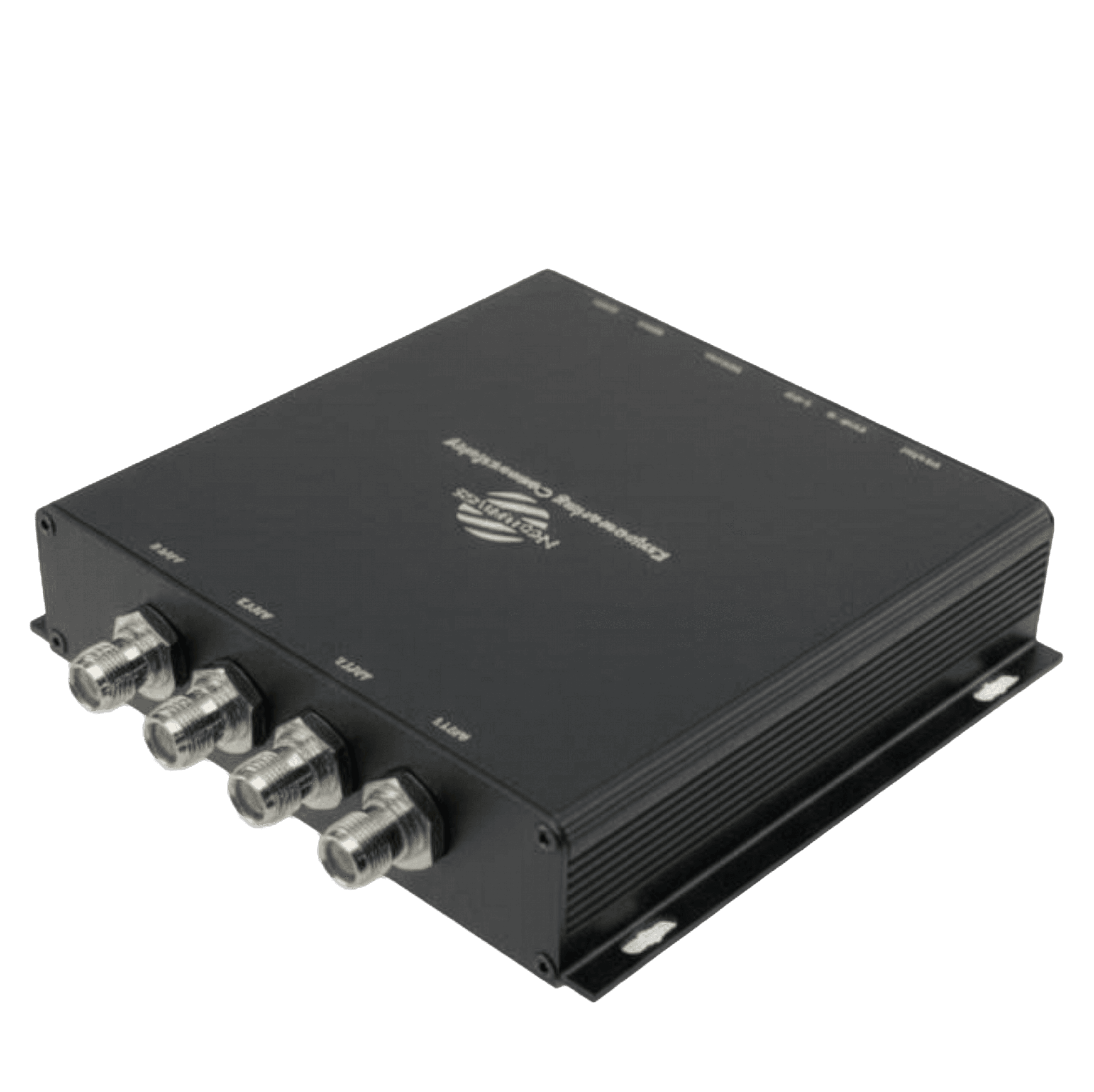
Qarrej RFID UHF IoT Fiss NR155

Cloud-native MQTT/REST APIs integrati. L-ebda SDKs proprjetarji, l-ebda liċenzjar ta' middleware. Integra direttament mal-ERP jew WMS tiegħek f'jiem.

View Nextwaves NR155
Nextwaves NR155 Fixed IoT UHF RFID Reader

Portijiet tal-Antenna

4 x Portijiet RP-TNC

Veloċità tal-Qari

Sa 400 tags/sekonda

Qawwa tal-Output

0–33 dBm (passi ta' 1dB)

Protokoll tan-Netwerk

MQTT / MQTTS

FAQ

Mistoqsijiet Frekwenti

These answers help purchasing and engineering teams review cost, integration, and deployment risk.

01

X'inhu l-ATR7000?

The ATR7000 is a specialized device built by Zebra for identifying tagged assets. It supports EPC Class 1 Gen2, ISO 18000-63 over 902-928 MHz (US) / 865-868 MHz (EU). You can achieve better inventory accuracy quickly. Your business saves countless hours previously lost to manual counting tasks.

02

Kemm tiswa din is-setup inizjalment?

You can expect to pay around $3000 for the base hardware setup. You must also budget for antennas (if required), writing, and software, as it uses PoE+ or +24Vdc for power. Your total yearly cost increases directly alongside any enterprise connectivity setups using Ethernet, GPIO.

03

Għaliex għandi nagħżel Nextwaves minflok?

Nextwaves gives you incredible value and native cloud integration capabilities immediately. You completely avoid the expensive high licensing fees of competing legacy brands. Your deployments scale effortlessly using standard MQTT REST API tools designed explicitly for ultimate software developer convenience.

04

Il-hardware huwa durabbli biżżejjed għall-imħażen?

Yes, This device boasts an IP rating of IP51, making it suited for its intended environments. It weighs 5.03 kg and has dimensions of Diameter 482.6 mm, height 161 mm. Your daily operations continue running smoothly despite physical shocks effortlessly.

05

Jappoġġja tipi ta' netwerk multipli?

You can connect this hardware using Ethernet, GPIO very easily. Your network administrators perfectly control all the traffic applying custom built-in enterprise security firewall features. You securely process your data. You will absolutely love how easily you can boost productivity.

06

It-tim tiegħi jista' jinstalla dan internament?

Your internal IT team can handle the initial physical mounting perfectly. You may need specialized technicians to properly configure its EPC Class 1 Gen2, ISO 18000-63 tag reading setup. Proper physical tuning guarantees maximum read accuracy and stops annoying radio signal interference from halting production completely.

07

Kif taħdem il-ġestjoni remota?

You securely access the unified control panel through any standard web browser or its included SDK. It offers rapid read performance. You deploy new firmware updates easily. Your corporate maintenance costs drop dramatically because costly physical site visits become extremely rare events.

08

Għandi bżonn software proprjetarju biex inħaddem?

You generally require proprietary middleware to parse all the incoming data from its Ethernet, GPIO interfaces. Nextwaves provides standard open protocols to completely eliminate this unnecessary costly requirement. You seamlessly process millions of tag reads directly inside your custom backend.

09

Liema garanzija tiġi mal-qarrej?

You typically get a very standard one-year warranty on all physical parts. You can purchase helpful extended warranties paying an additional monthly service fee. Nextwaves includes excellent local technical support to ensure your crucial system tracking never fails unexpectedly. You will absolutely love how easily you can boost productivity.

10

L-antenni jinbiegħu separatament?

Many fixed readers require external antennas, while handhelds and modules vary. Your final choice heavily influences your total system read range over the 902-928 MHz (US) / 865-868 MHz (EU) frequency band. You should consult a trained technical specialist to properly select the exact perfect setup.