RFID replacement dossierUpdated: May 25, 2026

Zebra MC3330xRRecensione: Specifiche e alternative

The MC3330xR is an integrated Android RFID terminal by Zebra operating on 902-928 MHz (US) / 865-868 MHz (EU). Compare its $2000 price point and specs.

Ingegneria NextwavesRecensione Hardware5 min di lettura

Technical verdict

Zebra MC3330xR is a mainstream hardware purchase, but it is not always the best architecture for direct RFID data integration.

Do not evaluate MC3330xR by list price alone. Its strongest fit is a project that already uses Wi-Fi, BT 5.0, has time for RF tuning, and accepts extra middleware work. If the engineering team needs open APIs, realtime data, and faster edge-to-cloud deployment, Nextwaves NR155 is the stronger replacement path to evaluate.

Initial cost

$2000 before deployment accessories

Published throughput

900 tags/second

Integration surface

Wi-Fi, BT 5.0

Physical data

164 x 75 x 211 mm; 680 g (with handstrap); IP: IP54

Published specs

Specifications to validate before replacing

Frequenza

902-928 MHz (US) / 865-868 MHz (EU)

Protocollo

EPC Gen2 V2, ISO-18000-63

Connettività

Wi-Fi, BT 5.0

Grado di protezione IP

IP54

Dimensioni

164 x 75 x 211 mm

Peso

680 g (with handstrap)

Alimentazione

Li-Ion 3.6V 7000mAh

Velocità di lettura

~900 tags/sec

Prezzo stimato

$2000

Deployment review

Operational strengths and risks

This summary is based on public specifications and does not replace an on-site RF survey.

Fit score

3.5/5

Strengths

  • Wi-Fi, BT 5.0 gives network teams a familiar integration surface instead of local-only collection.
  • Li-Ion 3.6V 7000mAh can reduce separate power drops when switch PoE budget is available.
  • The $2000 hardware baseline is easier to budget than premium fixed-reader configurations.
  • 900 tags/second can fit faster inventory lanes when the read zone is tuned correctly.

Validate

  • Quoted hardware price is not installed system cost; include antennas, cables, mounts, power, software, and configuration work.
  • RF performance depends on tag material, antenna position, transmit power, reader orientation, and site interference.
  • IP54 must be checked against dust, humidity, temperature, and cleaning requirements.
  • Raw RFID reads still need duplicate filtering, business-event mapping, and ERP/WMS integration before operations can use them.

Deployment review

Buying decision matrix

Best fit

Fixed UHF RFID projects that already use Wi-Fi, BT 5.0 and have time for RF tuning.

Weak fit

Do not compare device price only; total cost depends on accessories, software, and integration.

Deployment risk

IP54, Li-Ion 3.6V 7000mAh, 164 x 75 x 211 mm, and 680 g (with handstrap) must match the site layout.

Software risk

Plan for middleware, SDK work, duplicate filtering, and business-event mapping.

Alternative architecture

Zebra MC3330xR vs Nextwaves

01

Panoramica hardware

Il Zebra MC3330xR è un dispositivo RFID di livello industriale. Funziona nell'intervallo di 902-928 MHz (US) / 865-868 MHz (EU) e supporta lo standard EPC Gen2 V2, ISO-18000-63, rendendolo ampiamente utilizzato nelle applicazioni logistiche aziendali.

Con un grado di protezione IP di IP54, offre protezione contro specifiche condizioni ambientali tipiche di magazzini o retrobottega. Il lettore utilizza Li-Ion 3.6V 7000mAh per prestazioni continue, mentre la sua velocità di lettura massima dichiarata raggiunge ~900 tags/sec.

02

Connettività e integrazione di rete

Nelle implementazioni moderne, l'integrazione di rete è l'ostacolo più significativo. Questo modello offre Wi-Fi, BT 5.0 opzioni per il trasferimento dei dati ai sistemi centrali.

Tuttavia, un importante collo di bottiglia con l'hardware Zebra legacy è la forte dipendenza da SDK proprietari (come LLRP) o costosi middleware IoT di terze parti per elaborare i dati grezzi dei tag in informazioni aziendali significative.

03

When to choose Nextwaves instead of another closed reader

Se il tuo team di ingegneri sta valutando il Zebra MC3330xR, Nextwaves NR155 presenta un'architettura cloud-native di gran lunga superiore. I sistemi legacy comportano intrinsecamente un'elevata spesa in conto capitale attraverso il vendor lock-in e gli ecosistemi software proprietari.

Nextwaves elimina completamente questa barriera fornendo un'API REST MQTT standard direttamente sul dispositivo. I tuoi sviluppatori software possono integrare la lettura dei tag direttamente nel tuo backend ERP o WMS personalizzato in pochi giorni anziché mesi, bypassando completamente le commissioni di licenza middleware ricorrenti.

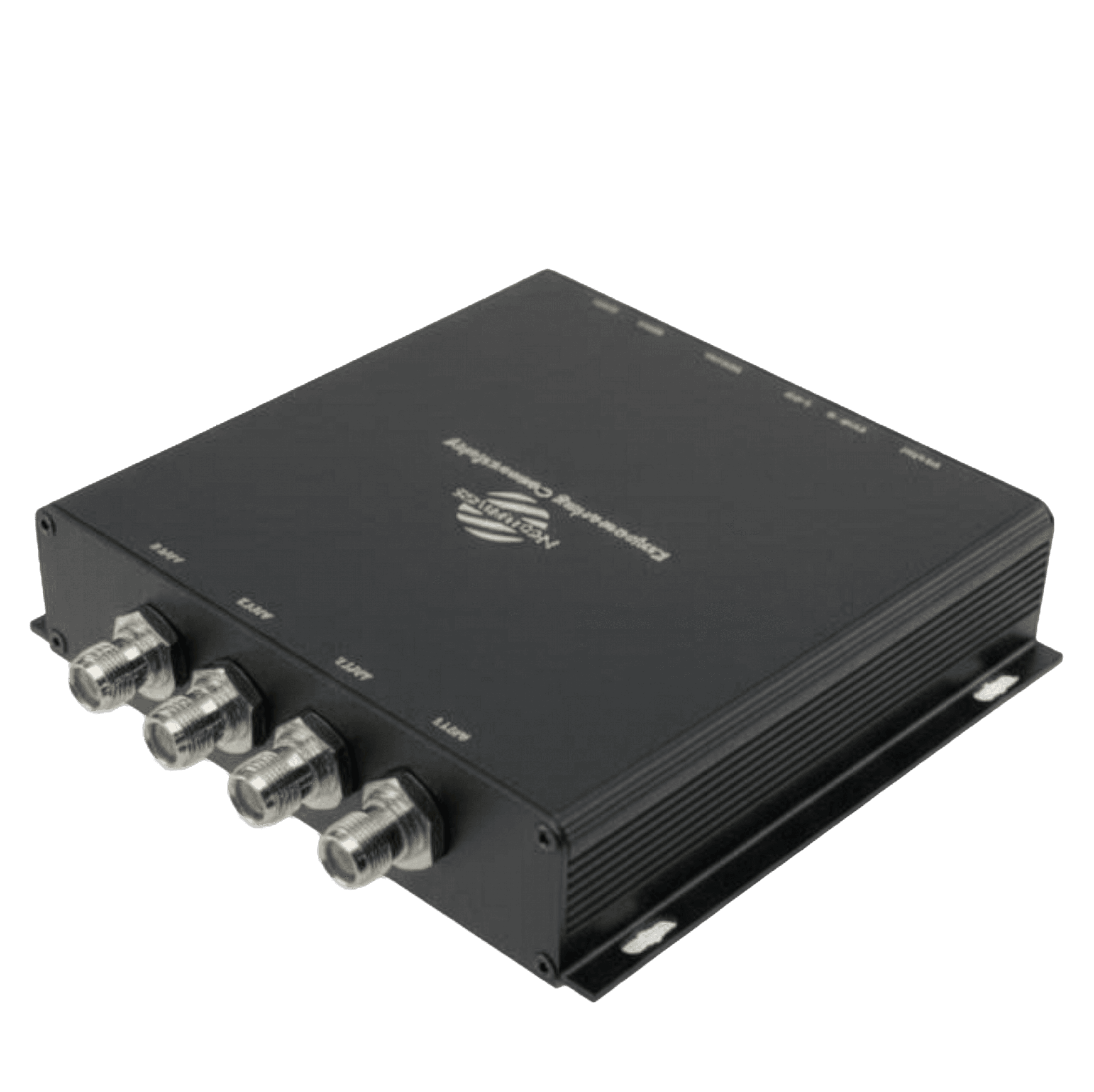
Alternative architecture

Lettore RFID UHF IoT fisso NR155

API MQTT/REST native del cloud integrate. Nessun SDK proprietario, nessuna licenza middleware. Integrazione diretta con il tuo ERP o WMS in pochi giorni.

View Nextwaves NR155
Nextwaves NR155 Fixed IoT UHF RFID Reader

Porte antenna

4 porte RP-TNC

Velocità di lettura

Fino a 400 tag/secondo

Potenza in uscita

0–33 dBm (incrementi di 1dB)

Protocollo di rete

MQTT / MQTTS

FAQ

Domande frequenti

These answers help purchasing and engineering teams review cost, integration, and deployment risk.

01

Cos'è il MC3330xR?

The Zebra MC3330xR is a mobile handheld Android RFID terminal. It supports the EPC Gen2 V2, ISO-18000-63 standard over the 902-928 MHz (US) / 865-868 MHz (EU) bands, enabling roaming inventory sweeps and ad-hoc audits across standard retail floors.

02

Quanto costa inizialmente questa configurazione?

Units are typically priced around $2000. Depending on your shift requirements, you must also budget for charging cradles, spare Li-Ion 3.6V 7000mAh batteries, and enterprise Mobile Device Management (MDM) software.

03

Perché dovrei scegliere Nextwaves invece?

Nextwaves provides embedded cloud integration directly on the device. By supporting open REST protocols natively, mobile operators can push tag data straight into backend databases without writing custom Android bridging apps.

04

L'hardware è abbastanza resistente per i magazzini?

The durable chassis weighs 680 g (with handstrap) and measures 164 x 75 x 211 mm. With an IP54 rating, it is built to survive warehouse drops, dust, and varying environmental conditions across the facility.

05

Supporta più tipi di rete?

Network access relies on its integrated Wi-Fi, BT 5.0 radios. Enterprise WPA2/WPA3 security profiles can be configured via Android to protect internal payload data during wireless transmission.

06

Il mio team può installarlo internamente?

Hardware deployment requires staging the Android OS. Software engineering teams must properly provision the internal DataWedge profiles and specify correct EPC memory bank read masks for your data collection workflow.

07

Come funziona la gestione remota?

The mobile interrogator supports sweeping speeds up to ~900 tags/sec. Centralized device tracking, battery health monitoring, and firmware deployments are generally managed via third-party solutions like SOTI MobiControl.

08

Ho bisogno di un software proprietario per eseguirlo?

Legacy deployments require custom Android Java/Kotlin applications using the Zebra EMDK to capture reads from the RF antennas before transacting them via HTTP to your cloud CRM.

09

Quale garanzia viene fornita con il lettore?

The unit includes a standard one-year warranty covering manufacturer defects. Accidental damage protection (Zebra OneCare) is available and highly recommended for portable scanning hardware.

10

Le antenne sono vendute separatamente?

The device features an integrated circular polarized antenna tuned for the 902-928 MHz (US) / 865-868 MHz (EU) bands. The operator's physical sweep speed and height directly impact total read reliability.