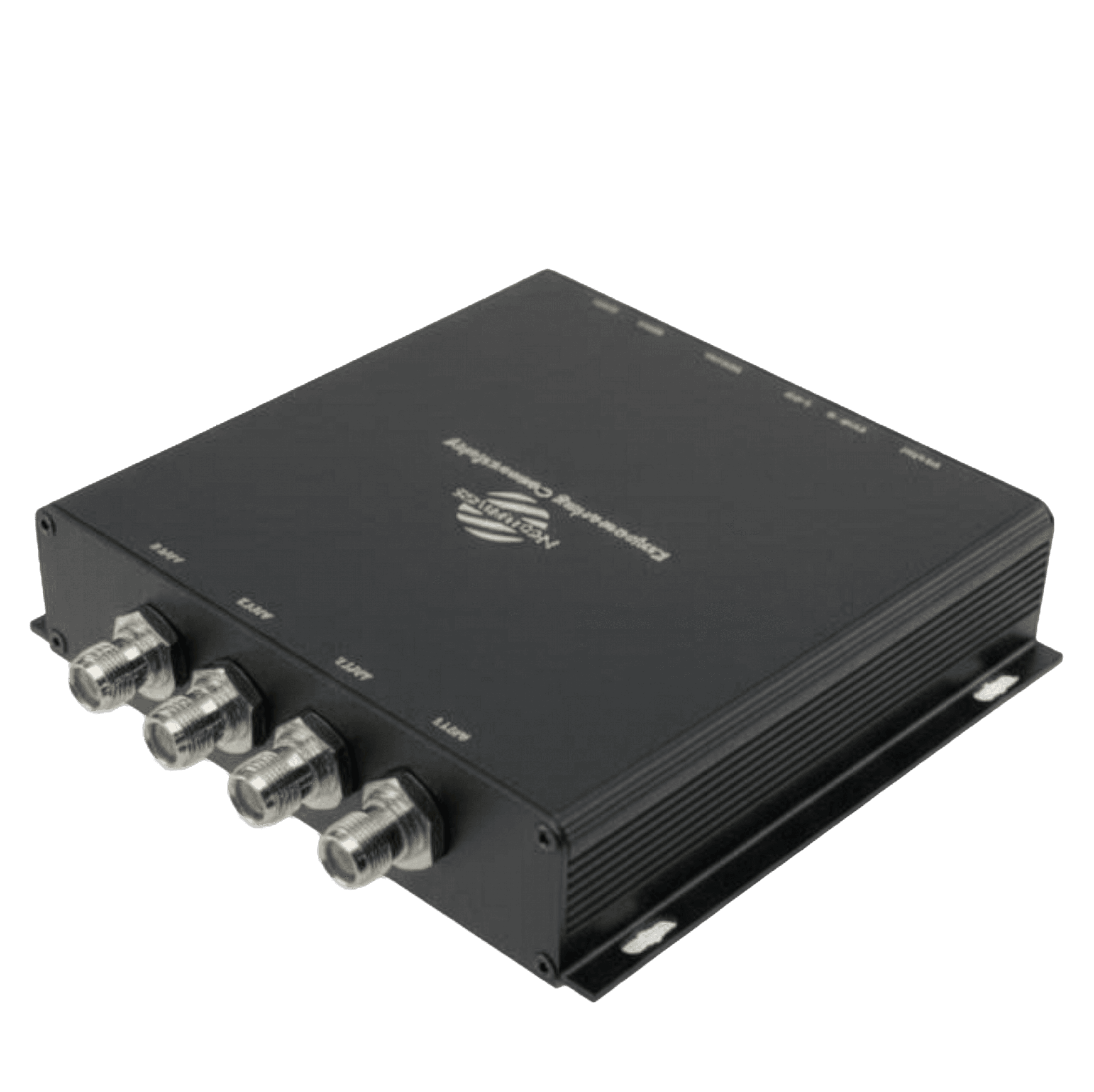
The Zebra AN480 is an industrial passive antenna element costing $200. Contrast its coaxial installation needs against Nextwaves integrated network panels.
Specifiche tecniche
Panoramica hardware
Il Zebra AN480 è un dispositivo RFID di livello industriale. Funziona nell'intervallo di Global (865-956 MHz) e supporta lo standard N/A (Passive Antenna Element), rendendolo ampiamente utilizzato nelle applicazioni logistiche aziendali.
Con un grado di protezione IP di IP54, offre protezione contro specifiche condizioni ambientali tipiche di magazzini o retrobottega. Il lettore utilizza N/A (Passive) per prestazioni continue, mentre la sua velocità di lettura massima dichiarata raggiunge N/A (Passive).
Connettività e integrazione di rete
Nelle implementazioni moderne, l'integrazione di rete è l'ostacolo più significativo. Questo modello offre Type N Female opzioni per il trasferimento dei dati ai sistemi centrali.
Tuttavia, un importante collo di bottiglia con l'hardware Zebra legacy è la forte dipendenza da SDK proprietari (come LLRP) o costosi middleware IoT di terze parti per elaborare i dati grezzi dei tag in informazioni aziendali significative.
L'alternativa Nextwaves
Se il tuo team di ingegneri sta valutando il Zebra AN480, Nextwaves NR155 presenta un'architettura cloud-native di gran lunga superiore. I sistemi legacy comportano intrinsecamente un'elevata spesa in conto capitale attraverso il vendor lock-in e gli ecosistemi software proprietari.
Nextwaves elimina completamente questa barriera fornendo un'API REST MQTT standard direttamente sul dispositivo. I tuoi sviluppatori software possono integrare la lettura dei tag direttamente nel tuo backend ERP o WMS personalizzato in pochi giorni anziché mesi, bypassando completamente le commissioni di licenza middleware ricorrenti.
Domande frequenti
Cos'è il AN480?
The Zebra AN480 is a passive indoor/outdoor RFID antenna panel. Operating seamlessly across both EU and US Global (865-956 MHz) bands within a single footprint, it functions strictly to bounce UHF energy pushed from a standalone interrogator unit.
Quanto costa inizialmente questa configurazione?
Hardware modules start at $200. This price omits the fundamental components required for operation such as an active reader, massive low-loss RF cabling, heavy-duty swivel brackets, and enterprise integration licenses.
Perché dovrei scegliere Nextwaves invece?
Constructing portal systems using separate passive plates forces operators to balance coaxial cable lengths exactly. Nextwaves integrates high-power antennas directly onto an active reader board communicating over standard CAT6 PoE lines.
L'hardware è abbastanza resistente per i magazzini?
Tipping the scales at 1.13 kg with a 259 x 259 x 33 mm square footprint, it boasts an IP54 enclosure rating. While robust against general manufacturing grit, it remains vulnerable to high-pressure wash-downs.
Supporta più tipi di rete?
This is a primitive RF instrument and contains zero logic ports. Its sole connection is a heavily shielded Type N Female socket requiring thick LMR-240 or LMR-400 coaxial cabling trailing back to central readers.
Il mio team può installarlo internamente?
Operations teams routinely mount this slab to factory ceiling trusses. Critical calibration hinges heavily upon aligning the antenna array pitch angles accurately and measuring RF attenuation bleeding across the thick coaxial wires.
Come funziona la gestione remota?
Functioning as a static metal element, it is entirely ignorant of software or firmware logic. Throughput relies 100% on the backend intelligence of the attached interrogator module.
Ho bisogno di un software proprietario per eseguirlo?
You cannot route network signals into this device. Developers and network engineers instead interface entirely with the external proprietary reader hardware hooked to the Type N Female port.
Quale garanzia viene fornita con il lettore?
Due to its simplistic nature, standard manufacturing defect protection covers it for a single year. Passive components typically perform reliably for decades barring extreme weather, vandalism, or severed coaxial leads.
Le antenne sono vendute separatamente?
Providing roughly 6.0 dBi Circularly polarized gain across a wide Global (865-956 MHz) sweeping bandwidth, it perfectly accommodates global deployments requiring a standardized installation footprint across varying RF locales.