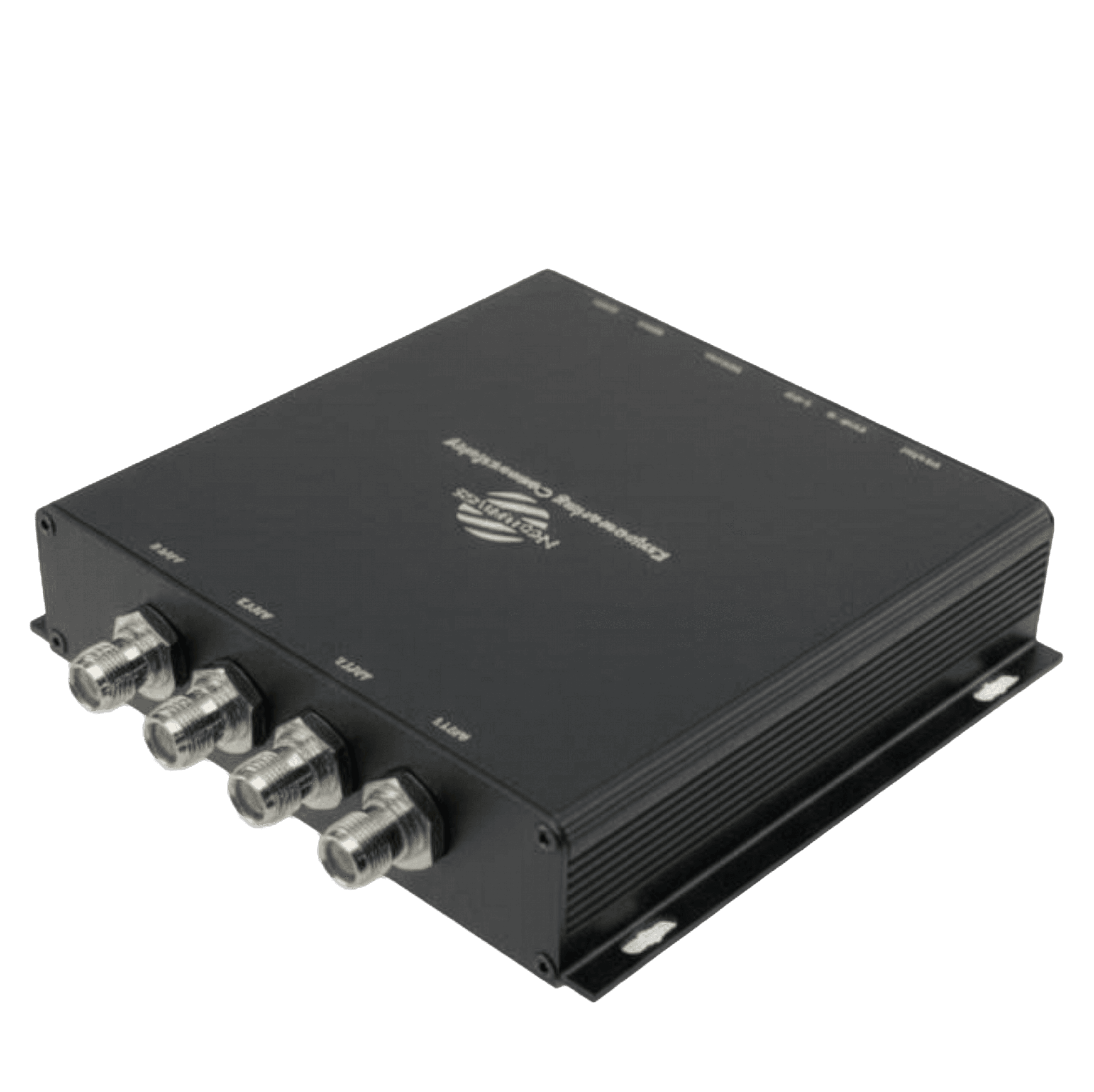
The Times-7 A6031 is a slim 600g antenna priced around $150. Understand the required coaxial integration steps against Nextwaves active network boards.
Specifiche tecniche
Panoramica hardware
Il Times-7 A6031 è un dispositivo RFID di livello industriale. Funziona nell'intervallo di 865-868 MHz / 902-928 MHz e supporta lo standard N/A (Passive Antenna Element), rendendolo ampiamente utilizzato nelle applicazioni logistiche aziendali.
Con un grado di protezione IP di IP65, offre protezione contro specifiche condizioni ambientali tipiche di magazzini o retrobottega. Il lettore utilizza N/A (Passive) per prestazioni continue, mentre la sua velocità di lettura massima dichiarata raggiunge N/A (Passive).
Connettività e integrazione di rete
Nelle implementazioni moderne, l'integrazione di rete è l'ostacolo più significativo. Questo modello offre SMA Female opzioni per il trasferimento dei dati ai sistemi centrali.
Tuttavia, un importante collo di bottiglia con l'hardware Times-7 legacy è la forte dipendenza da SDK proprietari (come LLRP) o costosi middleware IoT di terze parti per elaborare i dati grezzi dei tag in informazioni aziendali significative.
L'alternativa Nextwaves
Se il tuo team di ingegneri sta valutando il Times-7 A6031, Nextwaves NR155 presenta un'architettura cloud-native di gran lunga superiore. I sistemi legacy comportano intrinsecamente un'elevata spesa in conto capitale attraverso il vendor lock-in e gli ecosistemi software proprietari.
Nextwaves elimina completamente questa barriera fornendo un'API REST MQTT standard direttamente sul dispositivo. I tuoi sviluppatori software possono integrare la lettura dei tag direttamente nel tuo backend ERP o WMS personalizzato in pochi giorni anziché mesi, bypassando completamente le commissioni di licenza middleware ricorrenti.
Domande frequenti
Cos'è il A6031?
The Times-7 A6031 is an economically sized, passive circular flat panel antenna. Radiating efficiently over the 865-868 MHz / 902-928 MHz spectrums, it is typically employed for desktop POS applications or localized inventory smart shelves.
Quanto costa inizialmente questa configurazione?
Basic units start around $150. Real implementation cost must also account for the central network reader pulling the signal data, and the high-grade SMA cabling connecting the physical elements together.
Perché dovrei scegliere Nextwaves invece?
Separating antenna modules from logic circuits creates cable rat nests during deployment. Nextwaves merges the RF array, processing silicon, and networking chip directly onto a single enclosed panel utilizing a direct CAT6 PoE drop.
L'hardware è abbastanza resistente per i magazzini?
Rated for an IP65 environment, the robust ABS construction protects against low-pressure water streams. At just 600 g and 275 x 214 x 12 mm, it easily hides behind retail dry-walls or within display shelving.
Supporta più tipi di rete?
This hardware holds no internal processing state. It natively routes RF waves via its recessed SMA Female connector intended for standard coaxial linkage to host interrogators.
Il mio team può installarlo internamente?
Simple mounting holes permit flush installation. Network technicians must still measure signal degradation across whatever coaxial lines run between the plate and the active reader matrix.
Come funziona la gestione remota?
Since it relies on an external power injection to establish its field, it possesses a N/A (Passive) rating. Read capacities are locked entirely by the Impinj, Zebra, or Alien reader connected downstream.
Ho bisogno di un software proprietario per eseguirlo?
Software routing simply does not apply to passive transmission lines. Programming applications requires writing against the host REST or LLRP endpoints hosted by the parent master reader.
Quale garanzia viene fornita con il lettore?
It retains a typical one-year defense against construction defects. Protected from UV and minor moisture, the lifespan on the static patch array is effectively indefinite.
Le antenne sono vendute separatamente?
Sustaining an efficient 4.0 dBic output circularly polarized field across its 865-868 MHz / 902-928 MHz range, it generates a focused electromagnetic bubble suited specifically for near-field tag illumination.