RFID replacement dossierUpdated: May 25, 2026

ThingMagic (JADAK) EL6e KitRecensione: Specifiche e alternative

The EL6e Kit is a $50 close-range integration system mapping 902-928 MHz. Compare its embedded complexity against Nextwaves native protocol architectures.

Ingegneria NextwavesRecensione Hardware5 min di lettura

Technical verdict

ThingMagic (JADAK) EL6e Kit is a mainstream hardware purchase, but it is not always the best architecture for direct RFID data integration.

Do not evaluate EL6e Kit by list price alone. Its strongest fit is a project that already uses USB / Serial UART, has time for RF tuning, and accepts extra middleware work. If the engineering team needs open APIs, realtime data, and faster edge-to-cloud deployment, Nextwaves NR155 is the stronger replacement path to evaluate.

Initial cost

$50 before deployment accessories

Published throughput

200 tags/second

Integration surface

USB / Serial UART

Physical data

64 x 51 x 10 mm; 0.10 kg; IP: N/A (Bare Circuit)

Published specs

Specifications to validate before replacing

Frequenza

Global (Configurable)

Protocollo

EPCglobal Gen2V2

Connettività

USB / Serial UART

Grado di protezione IP

N/A (Bare Circuit)

Dimensioni

64 x 51 x 10 mm

Peso

0.10 kg

Alimentazione

5V DC (USB)

Velocità di lettura

200 tags/second

Prezzo stimato

$50

Deployment review

Operational strengths and risks

This summary is based on public specifications and does not replace an on-site RF survey.

Fit score

3.5/5

Strengths

  • USB / Serial UART gives network teams a familiar integration surface instead of local-only collection.
  • 5V DC (USB) can reduce separate power drops when switch PoE budget is available.
  • The $50 hardware baseline is easier to budget than premium fixed-reader configurations.
  • 200 tags/second can fit faster inventory lanes when the read zone is tuned correctly.

Validate

  • Quoted hardware price is not installed system cost; include antennas, cables, mounts, power, software, and configuration work.
  • RF performance depends on tag material, antenna position, transmit power, reader orientation, and site interference.
  • N/A (Bare Circuit) must be checked against dust, humidity, temperature, and cleaning requirements.
  • Raw RFID reads still need duplicate filtering, business-event mapping, and ERP/WMS integration before operations can use them.

Deployment review

Buying decision matrix

Best fit

Fixed UHF RFID projects that already use USB / Serial UART and have time for RF tuning.

Weak fit

Do not compare device price only; total cost depends on accessories, software, and integration.

Deployment risk

N/A (Bare Circuit), 5V DC (USB), 64 x 51 x 10 mm, and 0.10 kg must match the site layout.

Software risk

Plan for middleware, SDK work, duplicate filtering, and business-event mapping.

Alternative architecture

ThingMagic (JADAK) EL6e Kit vs Nextwaves

01

Panoramica hardware

Il ThingMagic (JADAK) EL6e Kit è un dispositivo RFID di livello industriale. Funziona nell'intervallo di Global (Configurable) e supporta lo standard EPCglobal Gen2V2, rendendolo ampiamente utilizzato nelle applicazioni logistiche aziendali.

Con un grado di protezione IP di N/A (Bare Circuit), offre protezione contro specifiche condizioni ambientali tipiche di magazzini o retrobottega. Il lettore utilizza 5V DC (USB) per prestazioni continue, mentre la sua velocità di lettura massima dichiarata raggiunge 200 tags/second.

02

Connettività e integrazione di rete

Nelle implementazioni moderne, l'integrazione di rete è l'ostacolo più significativo. Questo modello offre USB / Serial UART opzioni per il trasferimento dei dati ai sistemi centrali.

Tuttavia, un importante collo di bottiglia con l'hardware ThingMagic (JADAK) legacy è la forte dipendenza da SDK proprietari (come LLRP) o costosi middleware IoT di terze parti per elaborare i dati grezzi dei tag in informazioni aziendali significative.

03

When to choose Nextwaves instead of another closed reader

Se il tuo team di ingegneri sta valutando il ThingMagic (JADAK) EL6e Kit, Nextwaves NR155 presenta un'architettura cloud-native di gran lunga superiore. I sistemi legacy comportano intrinsecamente un'elevata spesa in conto capitale attraverso il vendor lock-in e gli ecosistemi software proprietari.

Nextwaves elimina completamente questa barriera fornendo un'API REST MQTT standard direttamente sul dispositivo. I tuoi sviluppatori software possono integrare la lettura dei tag direttamente nel tuo backend ERP o WMS personalizzato in pochi giorni anziché mesi, bypassando completamente le commissioni di licenza middleware ricorrenti.

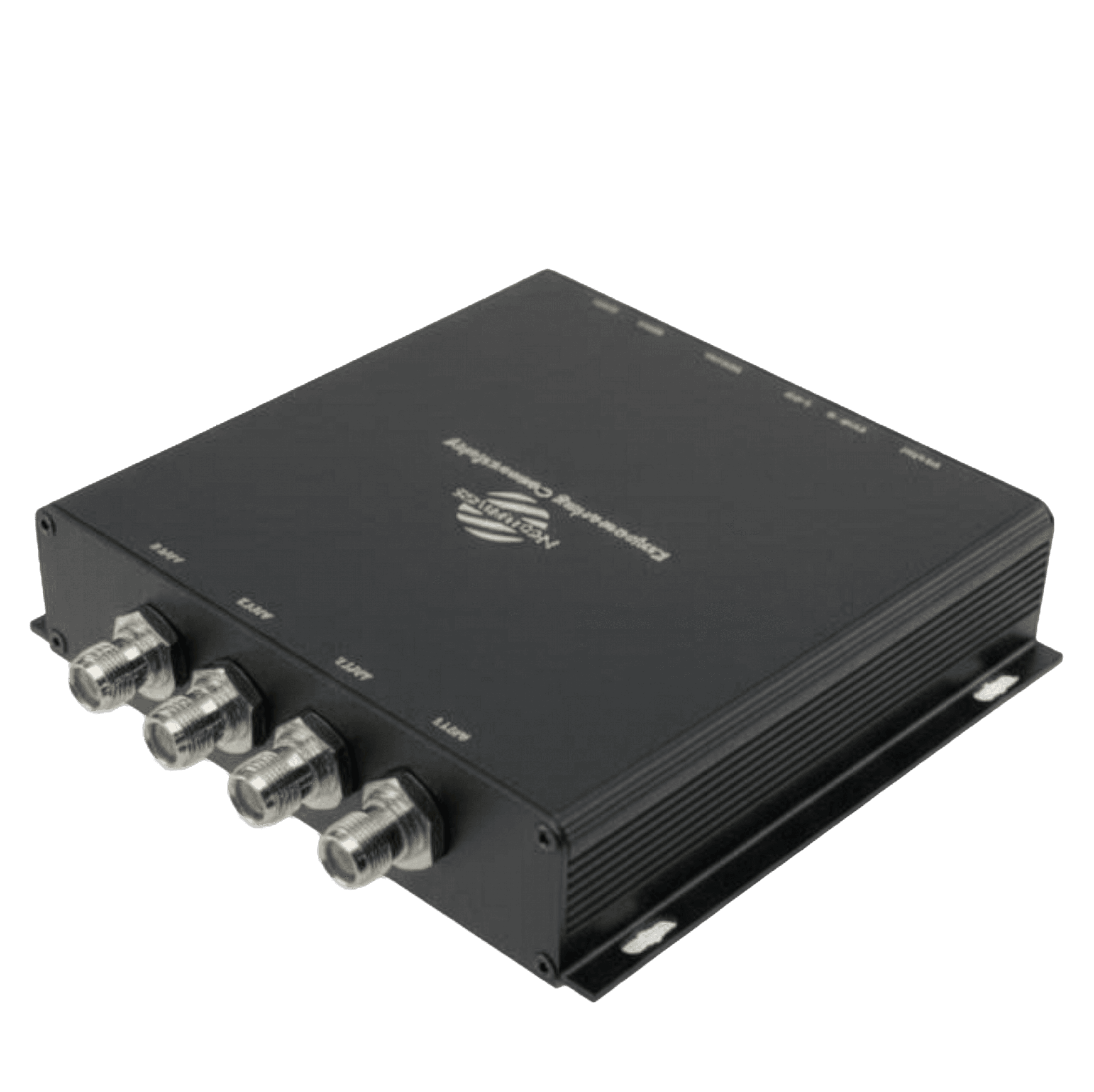
Alternative architecture

Lettore RFID UHF IoT fisso NR155

API MQTT/REST native del cloud integrate. Nessun SDK proprietario, nessuna licenza middleware. Integrazione diretta con il tuo ERP o WMS in pochi giorni.

View Nextwaves NR155
Nextwaves NR155 Fixed IoT UHF RFID Reader

Porte antenna

4 porte RP-TNC

Velocità di lettura

Fino a 400 tag/secondo

Potenza in uscita

0–33 dBm (incrementi di 1dB)

Protocollo di rete

MQTT / MQTTS

FAQ

Domande frequenti

These answers help purchasing and engineering teams review cost, integration, and deployment risk.

01

Cos'è il EL6e Kit?

The ThingMagic (JADAK) EL6e Embedded Kit seamlessly combines a baseline M6e-Micro module with a directly mounted localized antenna array. Broadly configurable across Global frequencies, it provides engineers a ready-to-test smart reader unit for close-range asset verification.

02

Quanto costa inizialmente questa configurazione?

The starter kit prices aggressively near $100. However, transitioning the bare circuit into an industrial casing with isolated power supplies heavily inflates the timeline and budget for mass-production projects.

03

Perché dovrei scegliere Nextwaves invece?

The EL6e requires immense low-level engineering and chassis molding to transition into field deployment. Nextwaves solves this by supplying instantly ready, fully encased industrial nodes with identical read performance native to IP architectures.

04

L'hardware è abbastanza resistente per i magazzini?

Weighing almost nothing at 0.10 kg and measuring an ultra-small 64 x 51 x 10 mm, it slides effortlessly inside custom ATM machines or handhelds. However, possessing an N/A (Bare Circuit) IP rating, it disintegrates quickly if exposed to moisture.

05

Supporta più tipi di rete?

Connectivity passes entirely through direct USB or highly specialized Serial UART pinouts. It natively lacks built-in Ethernet, Wi-Fi, or MQTT, demanding extensive local MCU logic to push tag events to enterprise cloud systems.

06

Il mio team può installarlo internamente?

Because it integrates the RF trace directly against the logic board, installers skip complex coaxial tuning entirely. Engineering effort shifts instead toward programming proper C/C++ memory handlers on the host micro-controller managing the board.

07

Come funziona la gestione remota?

Firing up to 200 tags/second, it performs robustly against desktop-scale volumes. Read velocity crashes significantly when testing against heavy warehouse portals with overlapping pallet masses.

08

Ho bisogno di un software proprietario per eseguirlo?

Developers interact fiercely using JADAK's MercuryAPI. Constructing simple tag reading loops requires manually managing highly complex memory buffers, asynchronous interrupts, and hexadecimal state structures.

09

Quale garanzia viene fornita con il lettore?

A standard 1-year product warranty backs the logic board against semiconductor flaws. Being fully bare silicone, deploying it without adequate electrostatic shielding (ESD) causes immediate catastrophic burnout.

10

Le antenne sono vendute separatamente?

Despite combining the board and antenna, its Global (Configurable) spread ensures highly targeted performance directly above the unit. It lacks the brute physical decibel output needed for reading heavy structural corridors.